Comparison of the Outcomes of Dexmedetomidine and Propofol Infusion in Mechanically Ventilated Patients Admitted to the Intensive Care Unit at a Tertiary Care Hospital in Karachi
- Asma Ayoob , MBBS, FCPS (Anesthesiology), Consultant at Memon Medical Institute Hospital, Karachi
- Nasra Perveen , 2MBBS, FCPS (Anesthesiology), Senior Registrar Anesthesiology, Senior Registrar Anesthesiology, Dow university of health sciences (DUHS), Karachi
- Muhammad Ibrahim , MBBS, FCPS (Anesthesiology), Consultant Department of Anesthesiology and SICU, Civil Hospital Karachi, Karachi
- Ali Akram Khan , MBBS, FCPS (Anesthesiology), Senior Registrar Anesthesiology, Dr. Ruth K.M Pfau Civil Hospital, Karachi
- Bushra Siddiqui , MBBS FCPS (Anesthesiology), Senior Registrar Anesthesiology, Dow University of Health Sciences (DUHS), Karachi
- Khadija Anwar Ali , MBBS FCPS (Anesthesiology), Senior Registrar, Dr Ruth PFAU Civil Hospital (DUHS) Department of Anaesthesia and SICU, Karachi
Article Information:
Abstract:
The use of sedation in mechanically ventilated patients is an essential component of intensive care management to improve patient comfort, ventilator synchrony, and hemodynamic stability.Objectives: To compare the outcomes of dexmedetomidine and propofol infusion in patients admitted to the intensive care unit requiring artificial ventilation at a tertiary care hospital in Karachi. Study Design & Setting: This study was conducted at the Department of Anesthesia, Civil Hospital Karachi Six month form 1st May 2022 to 31th October 2022.Methodology: A total of 72 patients requiring mechanical ventilation after abdominal or pelvic surgery were included and randomly allocated into two groups. Group D (n=36) received dexmedetomidine infusion, while Group P (n=36) received propofol infusion. Sedation level was assessed using the Ramsay Sedation Score (RSS), with adequate sedation defined as RSS ≥4. Hemodynamic parameters including heart rate and mean arterial pressure were recorded 4 hours after drug administration. Data were analyzed using SPSS version 22, and p≤0.05 was considered statistically significant.Results: Adequate sedation (RSS ≥4) was achieved in 17 (47.2%) patients in the dexmedetomidine group and 16 (44.4%) in the propofol group, with no significant difference between groups (p=0.813). The mean heart rate was significantly lower in the dexmedetomidine group (83.22 ± 3.84 beats/min) compared with the propofol group (88.72 ± 5.32 beats/min, p=0.0005). Similarly, mean arterial pressure was lower in the dexmedetomidine group (80.22 ± 9.00 mmHg) than in the propofol group (93.31 ± 8.90 mmHg, p=0.0005).Conclusion: Both dexmedetomidine and propofol were effective in achieving sedation in mechanically ventilated ICU patients; however, dexmedetomidine provided better hemodynamic stability compared with propofol.
Keywords:
Article :
INTRODUCTION:
Mechanical ventilation is a lifesaving intervention utilized in approximately 20–30% of intensive care unit (ICU) admissions; however, it is associated with several potential risks. The use of mechanical ventilation represents one of the most costly interventions in the ICU, accounting for an estimated $27 billion annually, which constitutes nearly 12% of total hospital expenditures.1 During mechanical ventilation, the administration of sedation and analgesia is often necessary as supportive therapy to ensure patient comfort, improve tolerance to the ventilator, and enhance ventilator synchrony.2 However, the use of sedative medications may also lead to several complications, including prolonged duration of mechanical ventilation, increased ICU length of stay (LOS), and the development of delirium.3,4
Sedation is an essential component in the management of critically ill patients. It enables patients to remain unaware of their surroundings and reduces discomfort and anxiety caused by invasive procedures such as tracheal intubation, mechanical ventilation, suctioning, and physiotherapy. Commonly used sedative agents in the ICU include benzodiazepines such as midazolam, as well as propofol and opioids.5 Dexmedetomidine, a selective α2-adrenoceptor agonist, has also been approved for short-term sedation (<24 hours) in ICU patients. Various clinical and instrumental methods have been developed for monitoring sedation levels.6 Clinical assessment tools such as the Ramsay Sedation Scale are commonly used; these subjective scales evaluate sedation depth based on the patient’s response to standardized stimuli.7
Dexmedetomidine offers several advantages over other sedative agents, including providing sedation without significant respiratory depression and allowing easier patient arousal while maintaining adequate sedation. Initially approved for short-term use (<24 hours), dexmedetomidine is now frequently used both as a primary sedative agent and as an adjunct to propofol or benzodiazepines.8,9 Although some randomized controlled trials have reported that dexmedetomidine may reduce the duration of mechanical ventilation compared with benzodiazepines, other studies have not demonstrated statistically significant differences.10,11 Venn et al. compared the sedative effects of dexmedetomidine and propofol infusion in mechanically ventilated patients and reported sedation success rates of 49.1% and 46.3%, respectively.12 Similarly, Paliwal et al. observed mean heart rates and mean arterial pressures at 4 hours after intubation of 86.90±23.09 bpm versus 102.43±16.88 bpm and 89.53±12.14 mmHg versus 87.46±15.73 mmHg, respectively, in dexmedetomidine and propofol groups.13
Mechanical ventilation remains one of the most important therapies in critical care; however, as an invasive intervention, it carries several potential complications. Therefore, achieving an optimal balance of sedation is crucial for critically ill patients. Inadequate sedation may lead to hypercatabolism, immunosuppression, hypercoagulability, and increased sympathetic activity, all of which may adversely affect patient outcomes. Despite the increasing use of dexmedetomidine in ICU sedation, there is limited local data comparing its outcomes with propofol in mechanically ventilated patients. Furthermore, demographic characteristics, lifestyle factors, and comorbidities in our population may differ from those reported in international studies. Therefore, this study aims to compare the outcomes of dexmedetomidine and propofol infusion in mechanically ventilated patients admitted to the ICU at a tertiary care hospital in Karachi. The findings of this study may help guide clinicians in selecting appropriate sedation strategies and contribute to the development of evidence-based management protocols for patients requiring mechanical ventilation. The objective of this study was to compare the outcomes of dexmedetomidine and propofol infusion in patients admitted to the intensive care unit (ICU) requiring artificial ventilation at a tertiary care hospital in Karachi.
MATERIALS AND METHODS:
After approval from the College of Physicians and Surgeons Pakistan (CPSP) and the ethical committee this study was conducted in the Department of Anesthesia at Civil Hospital Karachi over a period of six months from Six-month form 1st May 2022 to 31th October 2022. The sample size was calculated using the OpenEpi sample size calculator, taking alpha = 5% and power of the test (1-β) = 90%, based on previously reported heart rate values (86.90±23.09 vs. 102.43±16.88 bpm). A total of 72 patients were included in the study, with 36 patients in each group. Non-probability consecutive sampling technique was used. The study design was non-randomized controlled trial. Patients aged between 20–60 years of either gender admitted to the ICU requiring at least 8 hours of artificial ventilation and having ASA physical status I–II were included in the study. Patients with a history of arrhythmias such as second- or third-degree heart block, long-term use of benzodiazepines or opioids, known allergy to study drugs, those taking α2-adrenoceptor antagonists, calcium channel blockers, or angiotensin-converting enzyme inhibitors, and patients with asthma, renal impairment, congestive heart failure, myocardial infarction, chronic obstructive pulmonary disease, chronic liver disease, epilepsy, or pregnancy were excluded from the study.
Patients were allocated using sealed opaque envelopes labeled D and P. Group D received dexmedetomidine with a loading dose of 1 µg/kg over 10 minutes followed by a maintenance infusion of 0.5 µg/kg/hr (range 0.2–0.7 µg/kg/hr). Group P received propofol with a loading dose of 1 mg/kg over 5 minutes followed by a maintenance infusion of 2 mg/kg/hr (range 1–3 mg/kg/hr). Sedation level was assessed hourly using the Ramsay Sedation Score, with the target of achieving and maintaining an RSS of ≥4 in both groups. If the target RSS was not achieved or maintained by the study drug alone at its maximum dose (dexmedetomidine 0.7 µg/kg/hr for 1 hour or propofol 3 mg/kg/hr for 1 hour), supplementation with propofol bolus 0.2 mg/kg was administered for a maximum of three successive boluses at intervals of 3–5 minutes. If the desired sedation level was still not achieved, the case was labeled as treatment failure. After initiation of the study drug, vital parameters including heart rate, non-invasive mean arterial pressure, ventilator mode, fraction of inspired oxygen (FiO₂), and positive end-expiratory pressure (PEEP) were monitored continuously and recorded every 10 minutes during the first hour and thereafter every 60 minutes. Ventilator settings, FiO₂, and PEEP were adjusted according to the ARDSnet ventilator protocol. Intravenous paracetamol 12 mg/kg three times daily was administered for pain management in surgical patients. Data regarding quantitative variables such as age, heart rate, MAP at 4 hours, and duration of ICU stay, as well as qualitative variables including gender, ASA status, diabetes mellitus, hypertension, smoking status, and achievement of RSS ≥4, were recorded on a predesigned proforma.
Outcome measures included sedation level, mean arterial pressure, and heart rate. Sedation was defined using the Ramsay Sedation Score (RSS), where patients achieving an RSS score of ≥4 within 15–30 minutes after administration of either study drug during ICU admission were considered adequately sedated. Mean arterial pressure (MAP) and heart rate (HR) were assessed 4 hours after administration of the respective drug. The hypothesis of the study was that dexmedetomidine would be superior to propofol in maintaining adequate sedation, stable mean arterial pressure, and heart rate in patients admitted to the ICU. Diabetes mellitus was defined as a documented history of diabetes with the use of anti-diabetic medication for at least 6 months with good compliance and HbA1c ≤7%. Hypertension was defined as a documented history of hypertension on anti-hypertensive medication for at least 6 months with regular compliance and controlled blood pressure (systolic ≤130 mmHg and diastolic ≤90 mmHg). Smoking status was labeled as “Yes” if the patient currently smoked or had a history of smoking 10 or more cigarettes per day for at least 5 years.
Data were analyzed using SPSS version 22 (SPSS Inc., Chicago, IL, USA). Mean and standard deviation were calculated for quantitative variables such as age, height, weight, BMI, heart rate, mean arterial pressure at 4 hours, and duration of ICU stay. Normally distributed variables, as assessed by the Kolmogorov–Smirnov test, were presented as mean ± standard deviation, while non-normally distributed variables were reported as median with interquartile range (IQR). Frequencies and percentages were calculated for qualitative variables including gender, ASA status, diabetes mellitus, hypertension, smoking status, and achievement of RSS ≥4. Independent sample t-test was used to compare heart rate and MAP between the two groups, while the chi-square test or Fisher’s exact test was used to compare sedation outcomes. Effect modifiers such as age, gender, BMI, ASA status, diabetes mellitus, hypertension, smoking status, and duration of ICU stay were controlled through stratification to evaluate their influence on the outcome variables. Post-stratification analysis was performed using independent sample t-test or Mann–Whitney U test for heart rate and MAP, and chi-square or Fisher’s exact test for sedation outcomes. A p-value ≤0.05 was considered statistically significant.
RESULTS:
A total of 72 patients were included in the study, with 36 patients in each group. The mean age was 43.86 ± 10.78 years in the dexmedetomidine group and 41.75 ± 7.98 years in the propofol group. In group D, 16 (44.44%) patients were male and 20 (55.56%) were female, while in group P, 18 (50.00%) were male and 18 (50.00%) were female. The mean height, weight, and BMI were comparable between the two groups. Most patients were classified as ASA I in both groups, and the mean duration of ICU stay was also similar between the groups, as shown in Table 1.
Table 1: Baseline Characteristics of Patients in Dexmedetomidine and Propofol Groups (n=72)
|
Variables |
Dexmedetomidine (Group D) n=36 |
Propofol (Group P) n=36 |
|
Age (years) |
43.86 ± 10.78 |
41.75 ± 7.98 |
|
Male |
16 (44.44%) |
18 (50.00%) |
|
Female |
20 (55.56%) |
18 (50.00%) |
|
Height (cm) |
163.36 ± 11.07 |
164.22 ± 10.55 |
|
Weight (kg) |
68.36 ± 9.32 |
72.42 ± 9.41 |
|
BMI (kg/m²) |
25.77 ± 3.80 |
26.96 ± 3.60 |
|
ASA I |
24 (66.67%) |
21 (58.33%) |
|
ASA II |
12 (33.33%) |
15 (41.67%) |
|
Duration of ICU Stay (days) |
4.08 ± 1.07 |
3.89 ± 1.16 |
Regarding comorbid conditions, diabetes mellitus was present in 14 (38.9%) patients in the dexmedetomidine group and 11 (30.6%) patients in the propofol group. Hypertension was observed in 17 (47.2%) and 12 (33.3%) patients respectively, while smoking history was reported in 14 (38.9%) patients in the dexmedetomidine group and 9 (25.0%) in the propofol group, as presented in Table 2.
Table 2: Distribution of Comorbid Conditions (Diabetes Mellitus, Hypertension and Smoking Status) Among Patients in Dexmedetomidine and Propofol Groups (n=72)
|
Comorbid Condition |
Status |
Dexmedetomidine (Group D) n=36 |
Propofol (Group P) n=36 |
|
Diabetes Mellitus |
Yes |
14 (38.9%) |
11 (30.6%) |
|
No |
22 (61.1%) |
25 (69.4%) |
|
|
Hypertension |
Yes |
17 (47.2%) |
12 (33.3%) |
|
No |
19 (52.8%) |
24 (66.7%) |
|
|
Smoking |
Yes |
14 (38.9%) |
9 (25.0%) |
|
No |
22 (61.1%) |
27 (75.0%) |
Adequate sedation (RSS ≥4) was achieved in 17 (47.2%) patients in the dexmedetomidine group and 16 (44.4%) patients in the propofol group. The difference between the two groups was statistically insignificant (p = 0.813), indicating comparable sedation outcomes, as shown in figure 1.
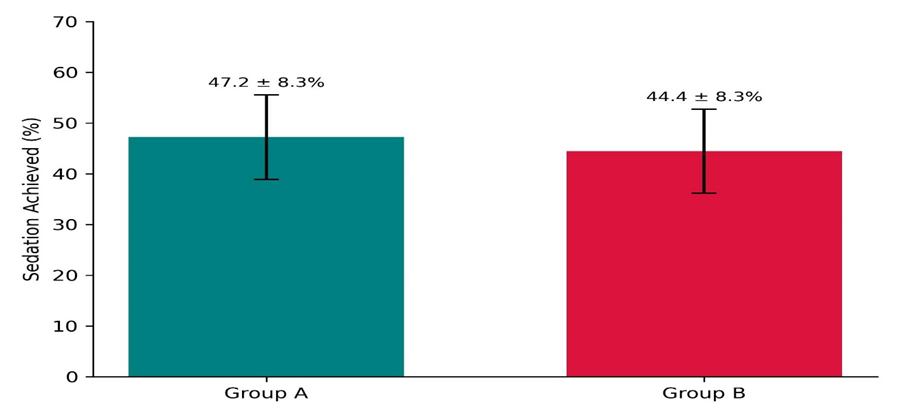
Figure 1: Comparison of Sedation (Ramsay Sedation Score ≥4 Achieved) Between Dexmedetomidine and Propofol Groups
The mean heart rate and mean arterial pressure were significantly lower in the dexmedetomidine group (83.22 ± 3.84 beats/min and 80.22 ± 9.00 mmHg) compared with the propofol group (88.72 ± 5.32 beats/min and 93.31 ± 8.90 mmHg), with statistically significant differences (p = 0.0005), as shown in Table 4
Table 4: Comparison of Mean Heart Rate and Mean Arterial Pressure Between Dexmedetomidine and Propofol Groups (n=72)
|
Variables |
Dexmedetomidine (Group D) n=36 |
Propofol (Group P) n=36 |
p-value |
|
Heart Rate (beats/min) |
83.22 ± 3.84 |
88.72 ± 5.32 |
0.0005 |
|
Mean Arterial Pressure (mmHg) |
80.22 ± 9.00 |
93.31 ± 8.90 |
0.0005 |
Stratified analysis showed no significant difference in sedation achievement between the two groups according to age, gender, BMI, or ASA status (p>0.05). However, sedation differed significantly when stratified by duration of ICU stay (p<0.05), as presented in Table 5.
Table 5: Stratified Comparison of Sedation Achievement (RSS ≥4) Between Dexmedetomidine and Propofol Groups According to Demographic and Clinical Characteristics
|
Variables |
Category |
Dexmedetomidine (Group D) n (%) |
Propofol (Group P) n (%) |
p-value |
|
Age (Years) |
≤45 |
8 (53.3%) |
11 (45.8%) |
0.648 |
|
>45 |
9 (42.9%) |
5 (41.7%) |
0.947 |
|
|
Gender |
Male |
9 (56.3%) |
6 (33.3%) |
0.179 |
|
Female |
8 (40.0%) |
10 (55.6%) |
0.338 |
|
|
BMI (kg/m²) |
<30 |
13 (46.4%) |
11 (42.3%) |
0.761 |
|
≥30 |
4 (50.0%) |
5 (50.0%) |
0.999 |
|
|
ASA Status |
ASA I |
11 (45.8%) |
8 (38.1%) |
0.600 |
|
ASA II |
6 (50.0%) |
8 (53.3%) |
0.863 |
|
|
Duration of ICU Stay (days) |
≤4 |
12 (63.2%) |
7 (29.2%) |
0.034 |
|
>4 |
5 (29.4%) |
9 (75.0%) |
0.025 |
Stratified analysis of hemodynamic parameters demonstrated that both heart rate and mean arterial pressure were consistently lower in the dexmedetomidine group compared with the propofol group across different demographic and clinical categories, with most comparisons showing statistically significant differences, as shown in Table 6.
Table 6: Stratified Comparison of Hemodynamic Parameters (Heart Rate and Mean Arterial Pressure) Between Dexmedetomidine and Propofol Groups According to Demographic and Clinical Characteristics (n=72)
|
Variables |
Category |
Parameter |
Dexmedetomidine (Group D) |
Propofol (Group P) |
p-value |
|
Age (years) |
≤45 |
Heart Rate |
83.73 ± 4.23 |
89.67 ± 5.17 |
0.001 |
|
Mean Arterial Pressure |
83.73 ± 7.27 |
93.87 ± 6.92 |
0.0005 |
||
|
>45 |
Heart Rate |
82.86 ± 3.60 |
86.83 ± 5.32 |
0.015 |
|
|
Mean Arterial Pressure |
77.71 ± 9.43 |
92.17 ± 12.25 |
0.001 |
||
|
Gender |
Male |
Heart Rate |
81.37 ± 1.86 |
87.56 ± 5.70 |
0.005 |
|
Mean Arterial Pressure |
81.94 ± 8.81 |
92.00 ± 6.82 |
0.001 |
||
|
Female |
Heart Rate |
84.70 ± 4.39 |
89.89 ± 4.79 |
0.001 |
|
|
Mean Arterial Pressure |
78.85 ± 9.14 |
94.61 ± 10.63 |
0.0005 |
||
|
BMI (kg/m²) |
<30 |
Heart Rate |
83.71 ± 4.12 |
87.88 ± 4.32 |
0.001 |
|
Mean Arterial Pressure |
80.14 ± 9.40 |
93.73 ± 9.48 |
0.0005 |
||
|
≥30 |
Heart Rate |
81.50 ± 2.00 |
90.90 ± 7.14 |
0.002 |
|
|
Mean Arterial Pressure |
80.50 ± 8.04 |
92.20 ± 7.52 |
0.006 |
||
|
ASA Status |
ASA I |
Heart Rate |
83.46 ± 3.90 |
87.76 ± 5.36 |
0.003 |
|
Mean Arterial Pressure |
80.17 ± 9.65 |
92.81 ± 7.97 |
0.0005 |
||
|
ASA II |
Heart Rate |
82.75 ± 3.84 |
90.07 ± 5.15 |
0.0005 |
|
|
Mean Arterial Pressure |
80.33 ± 7.94 |
94.00 ± 10.32 |
0.001 |
||
|
Duration of ICU Stay (days) |
≤4 |
Heart Rate |
82.53 ± 2.84 |
87.92 ± 6.00 |
0.001 |
|
Mean Arterial Pressure |
80.21 ± 7.47 |
90.54 ± 8.68 |
0.0005 |
||
|
>4 |
Heart Rate |
84.00 ± 4.69 |
90.33 ± 3.26 |
0.0005 |
|
|
Mean Arterial Pressure |
80.24 ± 10.70 |
98.83 ± 6.69 |
0.0005 |
DISCUSSION :
Sedation is an essential component of management in mechanically ventilated patients admitted to the intensive care unit (ICU) to ensure patient comfort, ventilator synchrony, and hemodynamic stability. Propofol and dexmedetomidine are commonly used sedative agents; however, their effects on sedation quality and cardiovascular parameters may differ.13 Therefore, this study aimed to compare the outcomes of dexmedetomidine and propofol infusion in mechanically ventilated ICU patients.
The present study compared the outcomes of dexmedetomidine and propofol infusion in mechanically ventilated patients admitted to the ICU. In our study, adequate sedation (RSS ≥4) was achieved in 47.2% patients in the dexmedetomidine group and 44.4% patients in the propofol group, with no statistically significant difference between the groups (p=0.813). These findings are comparable to the results reported by Patil et al. (2021) who observed that sedation quality and duration of mechanical ventilation were similar between dexmedetomidine and propofol groups in ventilated ICU patients. However, they reported significantly lower mean heart rate in the dexmedetomidine group (69.45 ± 1.66 beats/min) compared with the propofol group (78.87 ± 3.30 beats/min), indicating improved hemodynamic stability with dexmedetomidine.14 Similar findings were observed in our study where the mean heart rate was significantly lower in the dexmedetomidine group (83.22 ± 3.84 beats/min) compared with the propofol group (88.72 ± 5.32 beats/min, p=0.0005).14
The hemodynamic effects observed in our study are also consistent with the findings of Gavali et al. (2025) who demonstrated that dexmedetomidine produced a greater reduction in heart rate compared with propofol (18.3 ± 5.7 vs. 10.5 ± 6.1 beats/min, p<0.001). Furthermore, they reported significant differences in mean arterial pressure reduction between the two groups (22.7 ± 7.3 mmHg vs. 28.9 ± 8.5 mmHg, p<0.001).15 Similarly, in the present study the mean arterial pressure was significantly lower in the dexmedetomidine group (80.22 ± 9.00 mmHg) compared with the propofol group (93.31 ± 8.90 mmHg, p=0.0005), suggesting better cardiovascular control with dexmedetomidine during sedation.
Comparable findings were also reported by Mustari et al. (2025) who found no significant differences between groups in baseline characteristics such as age, sex and weight. Although the mean heart rate differences at different time intervals were not statistically significant, the reduction in heart rate was more pronounced in the dexmedetomidine group. Additionally, dexmedetomidine produced significantly higher Ramsay Sedation Scores at 1, 2 and 6 hours after sedation (p<0.0001) and lower pain scores compared with propofol. These findings support the sedative efficacy of dexmedetomidine while maintaining stable hemodynamic parameters.16
Evidence from larger pooled analyses also supports the benefits of dexmedetomidine in ICU sedation. Sattar et al. (2023) conducted a meta-analysis which showed that dexmedetomidine significantly reduced the duration of mechanical ventilation compared with propofol (MD: 0.75; 95% CI: 0.06–1.44; p=0.03). Moreover, dexmedetomidine was associated with shorter ICU stay (MD: 0.89; 95% CI: 0.04–1.74; p=0.04), shorter hospital stay (MD: 0.51; 95% CI: 0.32–0.70; p<0.001) and reduced risk of delirium (RR: 2.02; 95% CI: 1.48–2.74; p<0.001).17 Similarly, Heybati et al. (2022) analyzed 41 trials involving 3948 patients and reported that dexmedetomidine significantly reduced the duration of mechanical ventilation (mean difference −0.67 h; 95% CI: −1.31 to −0.03; p=0.041) and the risk of ICU delirium (RR 0.49; 95% CI: 0.29–0.87; p=0.019), although ICU length of stay was not significantly different between the two sedatives. These findings support the growing preference for dexmedetomidine in critically ill patients requiring mechanical ventilation.18
In addition, regional studies have also demonstrated similar trends. Ahmad et al. (2025) reported that dexmedetomidine was associated with shorter ICU stay (2.2 ± 0.9 vs. 3.5 ± 1.3 days, p=0.01), earlier recovery time (18.4 ± 4.5 vs. 22.7 ± 5.2 hours, p=0.02), and lower incidence of delirium (16% vs. 30%) compared with propofol in cardiac surgery patients. Furthermore, pain scores were significantly lower (3.2 ± 1.1 vs. 5.6 ± 1.3, p<0.001) and fewer patients required rescue analgesia (20% vs. 44%) in the dexmedetomidine group.19 Likewise, Uddin et al. (2024) conducted a comparative study involving 60 ICU patients (30 dexmedetomidine and 30 propofol) and reported that both drugs were effective for sedation and hemodynamic stability. The mean systolic blood pressure at 24 hours was comparable between the dexmedetomidine and propofol groups (117.26 ± 14.37 mmHg vs. 111.40 ± 11.15 mmHg, p=0.08).20
Observational data from Pakistani ICUs also highlight the importance of appropriate sedation strategies. Samad et al. (2025) and Bangash et al. (2024) reported that among 196 ICU patients, propofol was the most commonly used sedative (48.5%), while dexmedetomidine was used in 15.8% of patients. The mean duration of mechanical ventilation was 7.8 days and the mean ICU stay was 12.5 days, with an overall mortality rate of 14.3%. These findings emphasize the need for optimized sedation protocols to improve ICU outcomes.21,22
Overall, the findings of our study are consistent with the majority of previous literature demonstrating that dexmedetomidine provides comparable sedation to propofol while offering improved hemodynamic stability, particularly in terms of lower heart rate and controlled mean arterial pressure. These characteristics make dexmedetomidine a valuable sedative agent in critically ill patients requiring mechanical ventilation.
Study Limitations:
This study was conducted at a single tertiary care center with a relatively small sample size, which may limit the generalizability of the findings. In addition, only short-term outcomes such as sedation level and hemodynamic parameters were evaluated. Long-term outcomes including duration of mechanical ventilation, delirium, and mortality were not assessed in this study.
CONCLUSION :
Dexmedetomidine and propofol were both effective for achieving sedation in mechanically ventilated ICU patients. However, dexmedetomidine demonstrated better hemodynamic stability with significantly lower heart rate and mean arterial pressure compared with propofol. These findings suggest that dexmedetomidine may be a preferable sedative option in critically ill patients requiring mechanical ventilation.
Acknowledgement: We sincerely acknowledge the support and guidance of our mentors, colleagues, and the staff of the participating hospital for their valuable assistance throughout this study.
Conflict of Interest: No
Funding Disclosure: None
BIBLIOGRAPHY:
1. Kaier K, Heister T, Wolff J, Wolkewitz M. Mechanical ventilation and the daily cost of ICU care. BMC health services research. 2020 Mar 31;20(1):267.
2. Quickfall D, Sklar MC, Tomlinson G, Orchanian-Cheff A, Goligher EC. The influence of drugs used for sedation during mechanical ventilation on respiratory pattern during unassisted breathing and assisted mechanical ventilation: a physiological systematic review and meta-analysis. EClinicalMedicine. 2024 Feb 1;68.
3. De Bels D, Bousbiat I, Perriens E, Blackman S, Honoré PM. Sedation for adult ICU patients: A narrative review including a retrospective study of our own data. Saudi journal of anaesthesia. 2023 Apr 1;17(2):223-35.
4. Yang B, Gao L, Tong Z. Sedation and analgesia strategies for non-invasive mechanical ventilation: a systematic review and meta-analysis. Heart & Lung. 2024 Jan 1;63:42-50.
5. Oberoi V, Sekhon A, Sarangi A. Management of post-extubation anxiety in the intensive care unit. The Southwest Respiratory and Critical Care Chronicles. 2024 Jul 16;12(52):8-14.
6. Kumar R, Aakanksha AK, Verma NK, Saxena AC, Hoque M. Systemic effects and clinical application of dexmedetomidine. Pharm Innov J. 2020;9(11):241-6.
7. Deveci U, Bulut L. Evaluation of the Correlation Between Bispectral Index Monitorization and Ramsey Sedation Scoring, Michigan Sedation Scoring and Brussels Sedation Scoring. Firat Tip Dergisi. 2024 Sep 1;29(3).
8. Bosch OG, Dornbierer DA, Bavato F, Quednow BB, Landolt HP, Seifritz E. Dexmedetomidine in psychiatry: repurposing of its fast-acting anxiolytic, analgesic and sleep modulating properties. Pharmacopsychiatry. 2023 Mar;56(02):44-50.
9. Di Franco C, Evangelista F, Briganti A. Multiple uses of dexmedetomidine in small animals: a mini review. Frontiers in Veterinary Science. 2023 Jun 5;10:1135124.
10. Lewis K, Alshamsi F, Carayannopoulos KL, Granholm A, Piticaru J, Al Duhailib Z, Chaudhuri D, Spatafora L, Yuan Y, Centofanti J, Spence J. Dexmedetomidine vs other sedatives in critically ill mechanically ventilated adults: a systematic review and meta-analysis of randomized trials. Intensive care medicine. 2022 Jul;48(7):811-40.
11. Venn RM, Grounds RM. Comparison between dexmedetomidine and propofol for sedation in the intensive care unit: patient and clinician perceptions. British journal of anaesthesia. 2001 Nov 1;87(5):684-90.
12. Paliwal B, Rai P, Kamal M, Singariya G, Singhal M, Gupta P, Trivedi T, Chouhan DS. Comparison between dexmedetomidine and propofol with validation of bispectral index for sedation in mechanically ventilated intensive care patients. Journal of clinical and diagnostic research: JCDR. 2015 Jul;9(7):UC01.
13. Buckley MS, Agarwal SK, MacLaren R, Kane-Gill SL. Adverse hemodynamic events associated with concomitant dexmedetomidine and propofol for sedation in mechanically ventilated ICU patients. Journal of Intensive Care Medicine. 2020 Dec;35(12):1536-45.
14. Patil VP, Abraham J, George GM. Comparing dexmedetomidine and propofol for sedation and hemodynamic stability in cardio-thoracic intensive care unit for patients following off-pump coronary artery bypass graft surgery. Int J Basic Clin Pharmacol 2021;10:153-9.
15. Gavali AS, Ashok MA. Comparison of Hemodynamic Effects of Dexmedetomidine Versus Propofol for Sedation. Journal of Contemporary Clinical Practice. 2025 Jun 5;11:137-43.
16. Mustari N, Bhaire VS, Rao BS, Sandhya N, Taha MAA. Comparative study of efficacy of dexmedetomidine and propofol for sedation in intensive care unit. Int J Adv Med 2025;12:382-6.
17. Sattar L, Reyaz I, Rawat A, Mannam R, Karumanchi A, Depa VG, Batool S, Usama M. Comparison between Dexmedetomidine and Propofol for sedation on outcomes after cardiac surgery in patients requiring mechanical ventilation: A meta-analysis of randomized-control trials. Cureus. 2023 Jul 20;15(7).
18. Heybati K, Zhou F, Ali S, Deng J, Mohananey D, Villablanca P, Ramakrishna H. Outcomes of dexmedetomidine versus propofol sedation in critically ill adults requiring mechanical ventilation: a systematic review and meta-analysis of randomised controlled trials. British journal of anaesthesia. 2022 Oct 1;129(4):515-26.
19. Ahmad N, Naseem C, Naeem F, Shahid O, Shah TA, Tariq SM, Saleem A. Dexmedetomidine versus Propofol Sedation Reduces Delirium after Cardiac Surgery; A Cross Sectional Study. Indus Journal of Bioscience Research. 2025 Jan 26;3(1):596-603.
20. Uddin SW, Ali SS, Farook N, Rasool B, Phull QZ, Talib S. Comparison of Dexmedetomidine and Propofol Among Mechanically Ventilated Postsurgical Patients. Annals of PIMS-Shaheed Zulfiqar Ali Bhutto Medical University. 2024 Jul 19;20(SUPPL-1):469-73.
21. Samad A, Rahman S, Kazmi SA, Yasir M, Shah HA, Sharif Z. Enhancing Sedation Management in Mechanically Ventilated Patients in the Critical Care Unit. Indus Journal of Bioscience Research. 2025 Feb 26;3(2):329-35.
22. Bangash, R., Ahmad, I., Naz, U., Islam, M.U., Zeb, A., Shah, N.A., Shabir, A., Sajjad, M.W., (2024).Comparison of efficacy between dexmedetomidine and propofol after coronary artery bypass graft surgeryBiol. Clin. Sci. Res. J., 2024: 849.