Association Between Iron-Deficiency Anemia and Adverse Pregnancy Outcomes
- Syeda Qurat-UL-Ain Zahra , MBBS, FCPS Postgraduate (PG) trainee Department of Gynecology & Obstetrics, Fauji Foundation Hospital, Lahore
- Tahira Fatima , MBBS, FCPS, Associate Professor & HOD Department of Gynecology & Obstetrics, Fauji Foundation Hospital, Lahore
- Amna Saleem , MBBS, FCPS Post Graduate Trainee Department of Gynecology & Obstetrics, Hameed Latif Hospital Lahore
- Asma Shaheen , MBBS, MCPS, Senior registrar Department of Gynecology & Obstetrics Fauji Foundation Hospital Lahore
Article Information:
Abstract:
Iron-deficiency anemia is one of the most common nutritional disorders during pregnancy and is associated with several adverse maternal and fetal outcomes. Maternal anemia can increase the risk of complications including preterm birth, low birth weight, postpartum hemorrhage, and hypertensive disorders of pregnancy. Early identification and management of iron-deficiency anemia may help reduce pregnancy-related morbidity and improve maternal and neonatal outcomes.Objectives: To determine the frequency of iron-deficiency anemia in pregnant women attending antenatal check-up between 12–28 weeks of gestation and to compare the frequency of adverse maternal pregnancy outcomes in women with versus without iron-deficiency anemia.Study Design & Setting: This descriptive case-series study was conducted at the Department of Gynecology & Obstetrics, Fauji Foundation Hospital from 15 July 2025 to 15 October 2025.Methodology: A total of 155 pregnant women aged 18–40 years were enrolled through non-probability consecutive sampling. Hemoglobin and serum ferritin levels were measured for diagnosis of iron-deficiency anemia. Maternal outcomes including preterm birth, low birth weight, intrauterine growth restriction, postpartum hemorrhage, gestational hypertension, preeclampsia, transfusions, prolonged labor, urgent induction of labor, and urgent caesarean section were recorded. Data were analyzed using SPSS version 25.Results: Iron-deficiency anemia was observed in 43.9% women. Low birth weight (26.5%) and preterm birth (23.2%) were the most common adverse outcomes. Significant associations were observed between iron-deficiency anemia and preterm birth (p=0.002), low birth weight (p=0.001), intrauterine growth restriction (p=0.015), postpartum hemorrhage (p=0.021), preeclampsia (p=0.037), and urgent caesarean section (p=0.028).Conclusion: Iron-deficiency anemia was frequently observed among pregnant women and was significantly associated with adverse pregnancy outcomes.
Keywords:
Article :
INTRODUCTION:
Iron-deficiency anemia (IDA) is one of the most common nutritional deficiencies worldwide, especially in pregnant women. Pregnancy imposes significant demands on maternal iron stores, and failure to meet these needs can lead to IDA.1,2 This condition is associated with various adverse pregnancy outcomes, such as preterm birth, low birth weight, intrauterine growth restriction (IUGR), and increased maternal morbidity.3 The incidence of anemia has been as high as 35-75% in developing countries compared with only 19% in developed countries.4
There are several pathologies that cause anemia in pregnancy, including acute and chronic infections, disorders of hemoglobin synthesis, and nutritional deficiencies such as deficiency of vitamin B12, folic acid, and iron. Dietary iron deficiency is the most common cause of anemia in pregnancy.5 Irrespective of the etiology, maternal anemia has been associated with increased risks of both maternal and neonatal adverse outcomes. Most women begin their pregnancy with partially or completely depleted iron reserves. During pregnancy, there is an increase in both red cell mass and plasma volume to accommodate the needs of the growing uterus and fetus.6 The plasma volume increases more than the red cell mass does, leading to a fall in the concentration of Hb in the blood, despite an increase in the total number of red cells. This drop in Hb concentration decreases blood viscosity and is thought to enhance placental perfusion, providing better maternal-fetal gas and nutrient exchange.7,8
Mahmood et al. (2019) reported that the study evaluated 235 (37.8%) anemic women. In anemic women, gestational hypertension (56% vs. 27%; p: <0.0001), preeclampsia (65% vs. 25%; p: <0.0001), antepartum hemorrhage (32% vs. 19%; p: =0.0001), postpartum hemorrhage (79% vs. 28%; p: <0.0001), transfusions (94% vs. 5%; p: <0.0001), prolonged/obstructed labor (49% vs. 20%; p: <0.000), urgent induction of labor (24% vs. 2%; p: <0.0001), and urgent caesarean section (CS) (45% vs. 29%; p: 0.0001) were significantly more common as compared to non-anemic women.9 Jaleel et al. reported that frequency of anemia was 69.9%. Post-partum hemorrhage occurred in 9.8% of cases as compared to 0.9% of controls (p = 0.013). Preterm birth was seen in 23.5% cases and 10.2% controls (p = 0.026). Of the severely anemic mothers, 29.6% babies were low birth weight (p = 0.022) and 27.8% were small for gestational age (p = 0.001), as compared to 14.5% and 8.2% of controls, respectively.10 A study found that the prevalence of IDA was 11.3% among pregnant women in Bolosso Bombe District.11
This study aims to examine the impact of severe anemia on adverse pregnancy outcomes in Pakistani women, addressing a critical gap in local research where limited data exists on this association. While global studies have highlighted the risks of anemia in pregnancy, few have focused on the specific challenges and outcomes within Pakistan’s healthcare context. This study will contribute new data on maternal and neonatal complications linked to anemia, offering insights relevant to South Asian populations. By identifying key risk factors and outcomes, this research will help guide future interventions and policy changes. Ultimately, it will add valuable, region-specific knowledge to the existing literature on maternal health in Pakistan. The objectives of the study were to determine the frequency of iron-deficiency anemia in pregnant women attending antenatal check-up between 12–28 weeks of gestation and to compare the frequency of adverse maternal pregnancy outcomes between women with and without iron-deficiency anemia.
MATERIALS AND METHODS:
This descriptive case-series study was conducted at the Department of Gynecology & Obstetrics, Fauji Foundation Hospital from 15 July 2025 to 15 October 2025 after approval of the synopsis. A sample size of 155 pregnant women was calculated with 80% power of test and 95% confidence interval while taking the expected frequency of iron-deficiency anemia as 11.3% among pregnant women in Bolosso Bombe District. Non-probability consecutive sampling technique was used. Pregnant women aged 18–40 years, attending antenatal care between 12 and 28 weeks of gestation, and willing to participate and provide informed consent were included in the study. Women with chronic illnesses such as diabetes or hypertension, women with a history of hematological disorders other than iron-deficiency anemia, women with thalassemia and sickle cell anemia as per medical record, women with antepartum hemorrhage in which bleeding exceeded 50 ml before 24 weeks of gestation, women with a history of chronic hypertension or blood pressure consistently above 140/90 mmHg before pregnancy, and women who had undergone prior treatment for anemia with iron supplements or blood transfusions were excluded from the study.
After receiving ethical approval from the hospital’s ethics committee, 155 pregnant women attending antenatal care services at the Department of Obstetrics and Gynecology of Fauji Foundation Hospital were enrolled. The women were screened for eligibility according to the inclusion and exclusion criteria. Detailed information regarding the study was provided to eligible participants and written informed consent was obtained from all participants while ensuring confidentiality and the right to withdraw from the study at any stage without repercussions. Blood samples were taken to measure hemoglobin and ferritin levels for the diagnosis of iron-deficiency anemia. Women were classified as anemic according to the operational definition. Participants were followed during antenatal visits throughout pregnancy and regular monitoring of hemoglobin and ferritin levels was carried out when necessary. All patients with IDA were treated as per standard protocols. Data regarding maternal outcomes were collected at the time of delivery, including birth weight and pregnancy-related complications. Maternal complications including gestational hypertension, preeclampsia, antepartum hemorrhage, postpartum hemorrhage, transfusions, prolonged or obstructed labor, urgent induction of labor, and urgent cesarean section were recorded. Confounding variables were controlled through exclusion criteria. A structured proforma was used for data collection to maintain consistency among all participants.
All collected data were entered and analyzed using SPSS version 25. Numerical variables including maternal age and gestational age were presented as mean ± standard deviation. Categorical variables including iron-deficiency anemia, maternal complications, preterm birth, low birth weight, intrauterine growth restriction, postpartum hemorrhage, gestational hypertension, preeclampsia, antepartum hemorrhage, transfusions, prolonged or obstructed labor, urgent induction of labor, and urgent cesarean section were presented as frequency and percentage. Each outcome was categorized as either yes or no. Maternal complications were compared between women with and without iron-deficiency anemia using chi-square test, and a p-value of ≤0.05 was considered statistically significant. Data were stratified according to gestational age, maternal age, and parity to address potential effect modifiers, and post-stratification chi-square test was applied using 0.05 as the level of significance.
OPERATIONAL DEFINITIONS
Iron-deficiency anemia (IDA): Iron-deficiency anemia was defined as hemoglobin levels <11 g/dL in the first and third trimesters or <10.5 g/dL in the second trimester, along with serum ferritin <30 µg/L.
Adverse pregnancy outcomes: The following maternal outcomes were included in the study.
Preterm Birth: Preterm birth was defined as birth before 37 weeks of gestation.
Low Birth Weight: Low birth weight was defined as birth weight <2500 g.
Intrauterine Growth Restriction (IUGR): Intrauterine growth restriction was defined as fetal growth below the 10th percentile for gestational age.
Postpartum Hemorrhage (PPH): Postpartum hemorrhage was defined as blood loss of more than 500 ml during or within 24 hours of delivery.
Gestational Hypertension: Gestational hypertension was labelled as blood pressure readings consistently above 140/90 mmHg after 20 weeks of gestation without the presence of proteinuria or other symptoms of preeclampsia.
Preeclampsia: Preeclampsia was diagnosed when a pregnant woman developed hypertension (≥140/90 mmHg) along with proteinuria (≥300 mg/24 hours) after 20 weeks of gestation.
Antepartum Hemorrhage: Antepartum hemorrhage was defined as any vaginal bleeding occurring after 24 weeks of gestation but before the onset of labor, with blood loss greater than 50 ml.
Transfusions: Transfusions were defined as administration of blood to an anemic woman during pregnancy or delivery when hemoglobin level was below 7 g/dL.
Prolonged/Obstructed Labor: Prolonged or obstructed labor was defined as labor lasting more than 18 hours in a nulliparous woman or more than 12 hours in a multiparous woman, or failure of the fetal head to descend despite adequate uterine contractions.
Urgent Induction of Labor: Urgent induction of labor was defined as initiation of labor using medical or mechanical methods before 39 weeks of gestation due to maternal or fetal complications such as preeclampsia or intrauterine growth restriction.
Urgent Caesarean Section (CS): Urgent caesarean section was defined as a surgical delivery performed within 30 minutes of diagnosis due to life-threatening complications such as fetal distress, cord prolapse, or placental abruption.
RESULTS:
The mean maternal age of the study participants was 28.64 ± 5.21 years, mean gestational age was 21.43 ± 4.36 weeks, mean parity was 2.11 ± 1.34, and mean birth weight was 2748.52 ± 462.37 g. The mean hemoglobin level was 10.21 ± 1.42 g/dL, while the mean serum ferritin level was 24.83 ± 10.65 µg/L, as given in Table 1.
Table 1: Demographic and Clinical Characteristics of Study Participants (n=155)
|
Variable |
Mean ± SD / Frequency (%) |
|
Maternal age (years) |
28.64 ± 5.21 |
|
Gestational age (weeks) |
21.43 ± 4.36 |
|
Parity |
2.11 ± 1.34 |
|
Birth weight (g) |
2748.52 ± 462.37 |
|
Hemoglobin (g/dL) |
10.21 ± 1.42 |
|
Serum ferritin (µg/L) |
24.83 ± 10.65 |
Iron-deficiency anemia was present in 68 (43.9%) pregnant women, whereas 87 (56.1%) women did not have iron-deficiency anemia, as given in Figure 1.
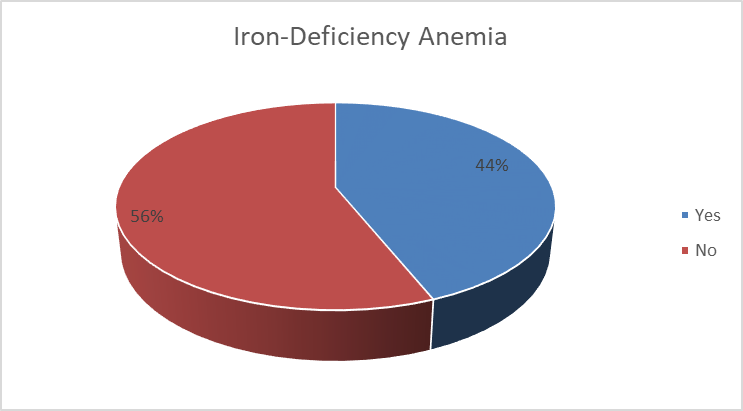
Figure 1: Frequency of Iron-Deficiency Anemia Among Pregnant Women (n=155)
Among adverse pregnancy outcomes, low birth weight was observed in 41 (26.5%) women, preterm birth in 36 (23.2%), urgent caesarean section in 31 (20.0%), intrauterine growth restriction in 28 (18.1%), prolonged/obstructed labor in 27 (17.4%), gestational hypertension in 24 (15.5%), urgent induction of labor in 22 (14.2%), postpartum hemorrhage in 19 (12.3%), preeclampsia in 18 (11.6%), transfusions in 16 (10.3%), and antepartum hemorrhage in 14 (9.0%) women, as given in Table 2.
Table 2: Frequency of Adverse Pregnancy Outcomes Among Study Participants (n=155)
|
Adverse Pregnancy Outcome |
Frequency (n) |
Percentage (%) |
|
Preterm birth |
36 |
23.2 |
|
Low birth weight |
41 |
26.5 |
|
Intrauterine growth restriction (IUGR) |
28 |
18.1 |
|
Postpartum hemorrhage (PPH) |
19 |
12.3 |
|
Gestational hypertension |
24 |
15.5 |
|
Preeclampsia |
18 |
11.6 |
|
Antepartum hemorrhage |
14 |
9.0 |
|
Transfusions |
16 |
10.3 |
|
Prolonged/obstructed labor |
27 |
17.4 |
|
Urgent induction of labor |
22 |
14.2 |
|
Urgent caesarean section (CS) |
31 |
20.0 |
Preterm birth was significantly more frequent among women with iron-deficiency anemia compared to women without iron-deficiency anemia [24 (35.3%) vs. 12 (13.8%), p=0.002]. Low birth weight was also more common in women with iron-deficiency anemia [27 (39.7%) vs. 14 (16.1%), p=0.001]. Similarly, intrauterine growth restriction, postpartum hemorrhage, gestational hypertension, preeclampsia, transfusions, urgent induction of labor, and urgent caesarean section were more frequent among women with iron-deficiency anemia, showing statistically significant differences. However, antepartum hemorrhage and prolonged/obstructed labor did not show statistically significant association with iron-deficiency anemia (p>0.05), as given in Table 3.
Table 3: Comparison of Adverse Pregnancy Outcomes Between Women With and Without Iron-Deficiency Anemia (n=155)
|
Adverse Pregnancy Outcome |
Iron-Deficiency Anemia Present (n=68) |
Iron-Deficiency Anemia Absent (n=87) |
p-value |
|
Preterm birth |
24 (35.3%) |
12 (13.8%) |
0.002 |
|
Low birth weight |
27 (39.7%) |
14 (16.1%) |
0.001 |
|
Intrauterine growth restriction (IUGR) |
18 (26.5%) |
10 (11.5%) |
0.015 |
|
Postpartum hemorrhage (PPH) |
13 (19.1%) |
6 (6.9%) |
0.021 |
|
Gestational hypertension |
15 (22.1%) |
9 (10.3%) |
0.043 |
|
Preeclampsia |
12 (17.6%) |
6 (6.9%) |
0.037 |
|
Antepartum hemorrhage |
9 (13.2%) |
5 (5.7%) |
0.098 |
|
Transfusions |
11 (16.2%) |
5 (5.7%) |
0.031 |
|
Prolonged/obstructed labor |
16 (23.5%) |
11 (12.6%) |
0.076 |
|
Urgent induction of labor |
14 (20.6%) |
8 (9.2%) |
0.045 |
|
Urgent caesarean section (CS) |
19 (27.9%) |
12 (13.8%) |
0.028 |
Stratification analysis showed that iron-deficiency anemia was more frequent among women aged 18–25 years [25 (52.1%)], women with gestational age between 12–20 weeks [31 (49.2%)], and multiparous women [47 (49.0%)]. Statistically significant associations were observed between iron-deficiency anemia and maternal age (p=0.041), gestational age (p=0.033), and parity (p=0.027), as given in Table 4.
Table 4: Stratification of Iron-Deficiency Anemia With Respect to Maternal Age, Gestational Age, and Parity (n=155)
|
|
Stratification Variable |
Iron-Deficiency Anemia Present |
Iron-Deficiency Anemia Absent |
p-value |
|
Maternal Age (years) |
18–25 |
25 (52.1%) |
23 (47.9%) |
0.041 |
|
26–32 |
29 (42.6%) |
39 (57.4%) |
||
|
33–40 |
14 (35.9%) |
25 (64.1%) |
||
|
Gestational Age (weeks) |
12–20 |
31 (49.2%) |
32 (50.8%) |
0.033 |
|
21–28 |
37 (40.2%) |
55 (59.8%) |
||
|
Parity |
Primiparous |
21 (35.6%) |
38 (64.4%) |
0.027 |
|
Multiparous |
47 (49.0%) |
49 (51.0%) |
DISCUSSION :
In the present study, iron-deficiency anemia was observed in 43.9% of pregnant women, highlighting the high burden of anemia during pregnancy. Women with iron-deficiency anemia showed significantly higher frequencies of adverse pregnancy outcomes including preterm birth, low birth weight, intrauterine growth restriction, postpartum hemorrhage, gestational hypertension, preeclampsia, transfusions, urgent induction of labor, and urgent caesarean section compared to women without anemia. Preterm birth was significantly more common among women with iron-deficiency anemia than non-anemic women [35.3% vs. 13.8%, p=0.002], while low birth weight was observed in 39.7% versus 16.1% women, respectively (p=0.001). Similarly, intrauterine growth restriction occurred in 26.5% anemic women compared to 11.5% non-anemic women (p=0.015). These findings demonstrate a strong association between maternal iron-deficiency anemia and poor maternal-fetal outcomes.
The findings of the current study were consistent with Kemppinen et al. (2020), who reported significantly higher rates of preterm birth among women with gestational iron-deficiency anemia compared to non-anemic women (10.2% vs. 6.1%, p=0.009). Their study also demonstrated significantly increased fetal growth restriction among anemic mothers (1.9% vs. 0.3%, p=0.006), which supported the present findings regarding increased intrauterine growth restriction among women with anemia.12 The relationship between maternal anemia and preterm birth observed in the current study was also supported by Khezri et al. (2023), who identified maternal anemia during the first and second trimesters as a significant risk factor for preterm birth.14 Similarly, Beressa et al. (2024) concluded in their meta-analysis that maternal anemia was significantly associated with both low birth weight and preterm birth, findings which closely matched the increased frequencies of low birth weight and preterm delivery observed in the present study.15
The current findings were further strengthened by the systematic review and meta-analysis conducted by Wang et al. (2025), which demonstrated significantly increased risks of postpartum hemorrhage [RR=2.76, 95% CI: 1.63–4.66], preterm delivery [RR=1.51, 95% CI: 1.33–1.72], low birth weight [RR=1.40, 95% CI: 1.19–1.63], cesarean section [RR=1.33, 95% CI: 1.02–1.74], and gestational hypertension [RR=1.28, 95% CI: 1.14–1.44] among pregnant women with anemia.13 In the present study, postpartum hemorrhage was observed in 19.1% anemic women compared to 6.9% non-anemic women (p=0.021), gestational hypertension in 22.1% versus 10.3% (p=0.043), and urgent caesarean section in 27.9% versus 13.8% women (p=0.028), thereby supporting the meta-analysis findings. Likewise, Benson et al. (2024) also reported increased maternal complications including preterm labor, cesarean delivery, postpartum hemorrhage, and low birth weight among women with iron-deficiency anemia, which were comparable to the findings of the current study.18
Madendag et al. (2019) observed that moderate and severe iron-deficiency anemia during the early third trimester was significantly associated with small-for-gestational-age infants. This finding correlated with the present study, where intrauterine growth restriction was significantly more frequent among anemic women.16 Allen (2000) also emphasized that maternal iron-deficiency anemia was an important contributor to preterm delivery and low birth weight infants, further supporting the current results.17 Similarly, Ataide et al. (2023) reported that maternal iron-deficiency anemia could result in serious maternal and fetal complications including low birth weight and preterm birth, which aligned with the significantly higher frequencies of these complications among anemic women in the present study.19 Irum et al. (2025) also observed increased risk of preterm birth and adverse pregnancy outcomes among anemic mothers and further highlighted that iron supplementation reduced such complications, indicating the importance of early diagnosis and treatment of anemia during pregnancy.20
Although most maternal complications showed statistically significant associations with iron-deficiency anemia in the current study, antepartum hemorrhage [13.2% vs. 5.7%, p=0.098] and prolonged/obstructed labor [23.5% vs. 12.6%, p=0.076] did not achieve statistical significance. These differences might be due to variations in sample size, severity of anemia, nutritional status, healthcare access, or differences in obstetric management protocols among different populations. Overall, the findings of the current study strongly supported the existing literature that maternal iron-deficiency anemia remains an important preventable risk factor for adverse maternal and fetal outcomes.
Study Limitations
This study was conducted at a single tertiary care hospital, which may limit the generalizability of the findings. The cross-sectional study design did not allow establishment of a causal relationship between iron-deficiency anemia and adverse pregnancy outcomes. In addition, some confounding factors such as dietary habits and socioeconomic status were not assessed in detail.
CONCLUSION :
Iron-deficiency anemia was frequently observed among pregnant women attending antenatal care services. Significant associations were found between iron-deficiency anemia and several adverse pregnancy outcomes including preterm birth, low birth weight, and preeclampsia. Early screening and proper management of iron-deficiency anemia during pregnancy may help reduce maternal and fetal complications.
Acknowledgement: We sincerely acknowledge the support and guidance of our mentors, colleagues, and the staff of the participating hospital for their valuable assistance throughout this study.
Conflict of Interest: No
Funding Disclosure: None
BIBLIOGRAPHY:
1. Bathla S, Arora S. Prevalence and approaches to manage iron deficiency anemia (IDA). Crit Rev Food Sci Nutr. 2022;62(32):8815-28.
2. Nicholson WK, Silverstein M, Wong JB, Chelmow D, Coker TR, Davis EM, et al. Screening and supplementation for iron deficiency and iron deficiency anemia during pregnancy: US Preventive Services Task Force recommendation statement. J Am Med Assoc. 2024;332(11):906-13.
3. Fan X, Wang L, Jiao R, Song W, Liu Y, Yu T, et al. Correlation between high serum ferritin levels and adverse pregnancy outcomes in women with gestational diabetes mellitus. Heliyon. 2023;9(3):7678-82.
4. Qiao Y, Di J, Yin L, Huang A, Zhao W, Hu H, et al. Prevalence and influencing factors of anemia among pregnant women across first, second and third trimesters of pregnancy in monitoring areas, from 2016 to 2020: a population-based multi-center cohort study. BMC Pub Health. 2024;24(1):1100-06.
5. Kirthan JA, Somannavar MS. Pathophysiology and management of iron deficiency anaemia in pregnancy: a review. Ann Hematol. 2024;103(8):2637-46.
6. Edelson PK, Cao D, James KE, Ngonzi J, Roberts DJ, Bebell LM, et al. Maternal anemia is associated with adverse maternal and neonatal outcomes in Mbarara, Uganda. J Mater Fetal Neonatal Med. 2023;36(1):2190834.
7. Detlefs SE, Jochum MD, Salmanian B, McKinney JR, Aagaard KM. The impact of response to iron therapy on maternal and neonatal outcomes among pregnant women with anemia. Am J Obstet Gynecol. 2022;4(2):100569.
8. Chen Y, Zhong T, Song X, Zhang S, Sun M, Liu X, et al. Maternal anaemia during early pregnancy and the risk of neonatal outcomes: a prospective cohort study in Central China. BMJ Paediatr Open. 2024;8(1):768-73.
9. Mahmood T, Rehman AU, Tserenpil G, Siddiqui F, Ahmed M, Siraj F, et al. The association between iron-deficiency anemia and adverse pregnancy outcomes: a retrospective report from Pakistan. Cureus. 2019;11(10):e5854.
10. Jaleel R, Khan A. Severe anemia and adverse pregnancy outcome. J Surg Pak. 2008;13(4):147-150.
11. Laelago F, Paulos W, Halala Handiso Y. Prevalence and predictors of iron deficiency anemia among pregnant women in Bolosso Bomibe district, Wolaita Zone, Southern Ethiopia Community-based cross-sectional study. Cogent Public Health. 2023;10(1):2183562.
12. Kemppinen L, Mattila M, Ekholm E, Pallasmaa N, Törmä A, Varakas L, et al. Gestational iron deficiency anemia is associated with preterm birth, fetal growth restriction, and postpartum infections. J Perinat Med. 2021;49(4):431-8.
13. Wang R, Zhao C, Yang S, Zhang Y, Liu H, Chen X, et al. Anemia during pregnancy and adverse pregnancy outcomes: a systematic review and meta-analysis of cohort studies. Front Glob Womens Health. 2025;6:1502585.
14. Khezri M, Sharifi N, Bahadoram M, Fakheri T. The association between maternal anemia during pregnancy and preterm birth: a case-control study. Ann Med Surg (Lond). 2023;85(11):5718-22.
15. Beressa TB, Deyno S, Kure MA, Duko B. Anemia during pregnancy and adverse birth outcomes: a systematic review and meta-analysis. PLoS One. 2024;19(9):e0310329.
16. Madendag IC, Madendag Y, Sahin E, Aydin E, Sahin ME, Acmaz G, et al. Iron deficiency anemia in the early third trimester and adverse pregnancy outcomes. J Obstet Gynaecol Res. 2019;45(1):75-81.
17. Allen LH. Anemia and iron deficiency: effects on pregnancy outcome. Am J Clin Nutr. 2000;71(5 Suppl):1280S-4S.
18. Benson AE, Shand AW, Bellos I, et al. Maternal iron deficiency anemia and adverse pregnancy outcomes. JAMA Netw Open. 2024;7(9):e2432546.
19. Ataide R, Murillo O, Bailey C, et al. Iron deficiency anemia in pregnancy and adverse maternal-fetal outcomes: a review. Int J Gynaecol Obstet. 2023;163(2):421-8.
20. Irum S, Khalid R, Fatima H, et al. Association of iron deficiency anemia with adverse pregnancy outcomes and the role of iron supplementation. J Rawalpindi Med Coll. 2025;29(1):45-50.