Quality of Life and Disability in Patients with Femoral Neck Fractures After Surgical Management
- Salahulddin Abuljadail , Assistant Professor , Orthopaedic Department , College of medicine , King Faisal University, 31982, Al-Ahasa , Saudi Arabia. Orcid: 0000-0001-8708-614X
Article Information:
Abstract:
Femoral neck fractures (FNFs) are a major public health concern associated with substantial morbidity, mortality, disability, and impaired quality of life (QoL). Despite advances in surgical management, many patients continue to experience functional limitations and reduced health-related quality of life (HRQoL) after treatment. This study aimed to evaluate QoL and disability among patients with FNFs following surgical management and to identify associated prognostic factors in Al-Ahsa, Saudi Arabia. Methods: A cross-sectional study was conducted among patients who underwent surgical treatment for FNFs at King Fahad Hospital Hofuf between 2018 and 2023. Data were collected through direct interview-based questionnaires using the Oxford Hip Score (OHS), Short Form Health Survey-36 (SF-36), EuroQol Five-Dimensional Questionnaire (EQ-5D-5L), and Charlson Comorbidity Index (CCI). Descriptive statistics summarized demographic and clinical characteristics, while inferential analyses were performed using Mann–Whitney U tests and Spearman rank correlation coefficients. Statistical significance was set at p < 0.05. Results: A total of 27 participants were included, with a mean age of 45.67 ± 20.03 years and nearly equal gender distribution. Postoperative complications occurred in 14.8% of patients. The mean OHS was 29.96 ± 16.42, indicating moderate hip function. SF-36 results showed reduced physical functioning and emotional well-being among patients with postoperative complications. Significant negative correlations were observed between age and social functioning (ρ = -0.431, p = 0.025) and general health (ρ = -0.568, p = 0.002). Higher CCI scores were significantly associated with poorer physical functioning (ρ = -0.531, p = 0.004), social functioning (ρ = -0.536, p = 0.004), and general health (ρ = -0.565, p = 0.002). EQ-5D-5L findings demonstrated persistent impairments in mobility, usual activities, pain/discomfort, and psychological well-being among a substantial proportion of patients. Conclusion: Femoral neck fractures significantly affect physical, emotional, and social dimensions of health despite surgical intervention. Postoperative complications and comorbidities negatively influence functional outcomes and HRQoL. A multidisciplinary and patient-centered rehabilitation approach is essential to optimize recovery and improve long-term quality of life among patients with FNFs.
Keywords:
Article :
INTRODUCTION :
Femoral neck fractures are prevalent and account for nearly 50% of all hip fractures with a high mortality and disability rate, and its occurrence grows exponentially with age. (1-3) In the last 20 years, as the average age of the population has increased, there has been a rise in the incidence of proximal femur fractures globally. (4) The number of femoral neck fractures recorded globally is estimated to be 1.66 million, and by 2050, it is anticipated that this number would reach 6.26 million. In Saudi Arabia, the incidence of femoralneck fractures in individuals aged 55 and above is reported to be 2.4/1000. (5) It most commonly develops after falls in the elderly and is more prevalent in middle-aged individuals following traumatic injuries. (6) One of the main causes of these fractures is osteoporosis or decreased bone mass. The primary goal of the management of femoral neck fractures is to reduce trauma and restore patients to their pre-fracture functional level. (7) Treatment options are determined by a variety of factors, including the patient's age, degree of activity before injury, time passed before surgery, comorbidities, and fracture type. (5) Surgical options include internal fixation or arthroplasty. (8) Although fixation protects the hip joint, patients are at risk of problems such as avascular necrosis, nonunion, implant failure, infection, and shortening at the fracture site. These problems may necessitate further surgery and result in decreased health-related quality of life (HRQL) and function. (1) According to reports, femoral neck fractures have a detrimental effect on patients' independence, quality of life (QoL), and functional status. (9) Patients with femoral neck fractures have limited activities, impaired self-care capacity, and are prone to negative feelings such as anxiety and depression. Patients have experienced varying degrees of psychological stress as a result of fracture pain, surgical trauma, changes in hospitalization role, and other factors. (10) A two-year follow-up research found that individuals under the age of 70 with femoral neck fractures did not restore their pre fracture level of HRQL. (11) Therefore, it is undoubtedly a serious public health issue. Insufficient research regarding the topic of QoL after femoral neck fractures has been a great issue in Saudi Arabia particularly in Al-Ahsa. This study aims to evaluate the QoL and disability in patients with femoral neck fractures after surgical management and identify the associated prognostic factors in Al-Ahsa, Saudi Arabia.
Methods:
Study Design and Participants: This study employed a cross-sectional design and included participants who underwent surgical treatment for femoral neck fractures at King Fahad Hospital Hofuf between 2018-2023. The study was approved by the local ethics committee (Ethical approval number: No. 42-EP-2023). Patients who are under 18 years old, who had incomplete data, non-Arabic speakers, and patients who refused participating were excluded from the study.
Data collection: Participants were selected using convenience sampling technique. All participants provided informed consent before proceeding to complete the survey. Data were collected through a direct interview-based questionnaire by trained medical students. The questionnaire contained four sections. The first section included personal data such as age, gender, weight, height, and comorbidities. The second section included Oxford Hip Score. The third section included Short Form Health Survey-36. The fourth section included EuroQol Five-Dimensional Questionnaire.
Descriptive Statistics: Descriptive statistics were used to summarize the demographic and clinical characteristics of the participants. Frequencies and percentages were calculated for categorical variables such as sex, post-operative complications, diabetes, complications status, and pre-existing health conditions. Mean, standard deviation (SD), median, and interquartile range (IQR) were calculated for continuous variables including age, weight, height, BMI, and number of days of hospitalization.
Scoring Systems: Several scoring systems were utilized to assess post-operative health outcomes:
● Oxford Hip Score (OHS): The Oxford Hip Score is a questionnaire designed to evaluate hip-specific symptoms and functional limitations. It is scored on a scale from 0 to 48, with higher scores reflecting better hip function and less pain.
● SF-36 (Short Form Health Survey-36): SF-36 measures eight domains of health, including physical functioning, role limitations due to physical health, role limitations due to emotional problems, energy/fatigue, emotional well-being, social functioning, pain, and general health perception. Scores range from 0 to 100, with higher scores indicating better health-related quality of life.
● EQ-5D-5L (EuroQol Five-Dimensional Questionnaire): EQ-5D-5L assesses health-related quality of life across five dimensions: mobility, self-care, usual activities, pain/discomfort, and anxiety/depression. Each dimension has five response levels ranging from "no problems" to "extreme problems." EQ-5D-5L index scores ranging from 0 to 1 were calculated based on established value sets.
● Charlson Comorbidity Index (CCI): CCI was used to assess the burden of comorbidities. Scores range from 0 to 37, with higher scores indicating a greater comorbidity burden.
Inferential Statistics: Due to the non-normal distribution of data, small sample size and relatively ordinal nature of variables, inferential analyses were conducted using non-parametric tests. The Mann-Whitney U test was used to compare continuous variables among groups. Spearman rank correlation coefficients were calculated to examine the relationships between continuous variables such as the scores for the scales. Statistical significance was set at p < 0.05. Statistical analyses were performed using IBM SPSS version 27.0.1.
RESULTS:
Patient Demographics, Hospitalization Details, and Post-Operative Complications
The study cohort included 27 participants, with a nearly even distribution between genders (48.1% female, n=13; 51.9% male, n=14). The mean age of participants was 45.67 years (standard deviation [SD]: 20.03 years). The average weight and height were 78.56 kg and 168.74 cm, respectively, resulting in a mean BMI of 27.58 kg/m². Most hip injuries affected the right hip (63.0%, n=17), followed by the left hip (33.3%, n=9), and a small number affecting both hips (3.7%, n=1). The majority of participants were hospitalized for more than 7 days (37.0%, n=10), with fewer hospitalized for 3 days (33.3%, n=9), 4 days (14.8%, n=4), 5 days (11.1%, n=3), or 7 days (3.7%, n=1). Complications following surgery were reported by 14.8% of participants (n=4), including inflammation and pus around the joint (25.0%, n=1), lung clot (25.0%, n=1), stroke in the thigh (25.0%, n=1), and weakness in the foot and nerves (25.0%, n=1). Health problems or chronic diseases were reported by 40.7% of patients (n=11), with hypertension being the most common condition (25.9%, n=7), followed by diabetes (14.8%, n=4) and neurological diseases (11.1%, n=3). Other conditions included polycystic ovary syndrome, irritable bowel syndrome, and obesity, each reported by 3.7% of participants (n=1).
(Table 1)
Table 1: Patient Demographics, Hospitalization Details, and Post-Operative Complications
|
|
Mean/N |
SD/% |
|
|
Age |
45.67 |
20.03 |
|
|
Gender |
Female |
13 |
48.1% |
|
Male |
14 |
51.9% |
|
|
Weight (kg) |
78.56 |
20.51 |
|
|
Length (cm) |
168.74 |
9.51 |
|
|
BMI |
27.58 |
6.61 |
|
|
Injured hip |
both of them |
1 |
3.7% |
|
Left hip |
9 |
33.3% |
|
|
Right hip |
17 |
63.0% |
|
|
Number of days of hospitalization: |
3 days |
9 |
33.3% |
|
4 days |
4 |
14.8% |
|
|
5 days |
3 |
11.1% |
|
|
7 days |
1 |
3.7% |
|
|
More than 7 days |
10 |
37.0% |
|
|
Did any complications occur after the operation? |
No |
23 |
85.2% |
|
Yes |
4 |
14.8% |
|
|
If complications occur after the operation, please mention them(N=4) |
Inflammation and pus around the joint |
1 |
25.0% |
|
Lung clot |
1 |
25.0% |
|
|
Stroke in the thigh |
1 |
25.0% |
|
|
Weakness in the foot and nerves |
1 |
25.0% |
|
|
Do you suffer from health problems or chronic disease |
I do not suffer from a chronic disease or health problem |
16 |
59.3% |
|
Hypertension |
7 |
25.9% |
|
|
Diabetes |
4 |
14.8% |
|
|
Neurological diseases |
3 |
11.1% |
|
|
Polycystic ovary syndrome |
1 |
3.7% |
|
|
Irritable bowel syndrome |
1 |
3.7% |
|
|
Obesity |
1 |
3.7% |
|
Frequency and Intensity of Hip Joint Pain and Functional Impact Over the Past Four Weeks
Over the past four weeks, a diverse range of hip pain experiences was reported among participants. Pain severity varied, with (29.6% n=8) experiencing no pain, (25.9% n=7) reporting very mild and severe pain each, and a smaller proportion facing mild (14.8%, n=4) or moderate pain (3.7%, n=1). Functional limitations were evident, as (44.4% n=12) had no trouble with personal hygiene, whereas 14.8% (n=4) found it impossible to complete this task. Difficulties in getting in and out of cars were reported by 40.7% (n=11) of participants, while 37.0% (n=10) managed to wear socks or tights easily. Regarding mobility, 33.3% (n=9) could walk for more than 30 minutes before severe pain occurred, but 25.9% (n=7) experienced severe pain immediately. Stair climbing proved challenging for 29.6% (n=8), though 37.0% (n=10) could do it easily. After meals, 44.4% (n=12) reported no pain getting up from a chair, whereas 7.4% (n=2) found it unbearable. Limping was common, with 48.1% (n=13) rarely or never limping, while 25.9% (n=7) limped often. Sudden or severe pain occurred daily for 3.7% (n=1) of individuals, with 44.4% (n=12) experiencing no such pain. The impact of hip pain on work varied, with 33.3% (n=9) reporting no effect and 22.2% (n=6) feeling significantly affected. Night-time pain was bothersome for 40.7% (n=11), with some experiencing discomfort every night.(Table 2)
Table 2: Frequency and Intensity of Hip Joint Pain and Functional Impact Over the Past Four Weeks (OHS)
|
|
N |
% |
|
|
Over the past four weeks, how would you describe the pain you typically feel in your hip joint? |
None |
8 |
29.6% |
|
Very mild |
7 |
25.9% |
|
|
Mild |
4 |
14.8% |
|
|
Moderate |
1 |
3.7% |
|
|
Severe |
7 |
25.9% |
|
|
During the past 4 weeks, have you had any trouble washing and drying yourself (whole body) due to your hip joint? |
No trouble at all |
12 |
44.4% |
|
Very little trouble |
6 |
22.2% |
|
|
Moderate trouble |
2 |
7.4% |
|
|
Extreme trouble |
3 |
11.1% |
|
|
Impossible to do |
4 |
14.8% |
|
|
During the past 4 weeks, have you had any trouble getting in and out of the car or using public transportation due to your hip joint? (Which one do you tend to use) |
No trouble at all |
11 |
40.7% |
|
Very little trouble |
6 |
22.2% |
|
|
Moderate trouble |
3 |
11.1% |
|
|
Extreme trouble |
3 |
11.1% |
|
|
Impossible to do |
4 |
14.8% |
|
|
During the past 4 weeks, have you been able to wear socks or tights? |
Yes, easily |
10 |
37.0% |
|
With little difficulty |
5 |
18.5% |
|
|
With moderate difficulty |
4 |
14.8% |
|
|
With extreme difficulty |
1 |
3.7% |
|
|
No, impossible |
7 |
25.9% |
|
|
During the past four weeks, have you been able to do your home shopping yourself? |
Yes, easily |
13 |
48.1% |
|
With little difficulty |
3 |
11.1% |
|
|
With moderate difficulty |
3 |
11.1% |
|
|
With extreme difficulty |
0 |
0.0% |
|
|
No, impossible |
8 |
29.6% |
|
|
During the past four weeks, how long were you able to walk before the pain from your hip joint became severe? (with or without stick) |
No pain/More than 30 minutes |
9 |
33.3% |
|
16 to 30 minutes |
5 |
18.5% |
|
|
5 to 15 minutes |
4 |
14.8% |
|
|
Around the house |
2 |
7.4% |
|
|
Not at all-severe pain on walking |
7 |
25.9% |
|
|
During the past four weeks, have you been able to walk up the stairs? |
Yes, easily |
10 |
37.0% |
|
With little difficulty |
4 |
14.8% |
|
|
With moderate difficulty |
3 |
11.1% |
|
|
With extreme difficulty |
2 |
7.4% |
|
|
No, impossible |
8 |
29.6% |
|
|
During the past four weeks, after a meal (sitting at a table), how painful was it for you to get up from a chair because of your hip? |
No at all pain |
12 |
44.4% |
|
Slightly painful |
6 |
22.2% |
|
|
Moderately painful |
4 |
14.8% |
|
|
Very painful |
3 |
11.1% |
|
|
Unbearable |
2 |
7.4% |
|
|
During the past four weeks, have you been limping when you walk because of your hip joint? |
Rarely/Never |
13 |
48.1% |
|
Sometimes, or just at first |
1 |
3.7% |
|
|
Often, not just at first |
7 |
25.9% |
|
|
Most of the time |
3 |
11.1% |
|
|
All of the time |
3 |
11.1% |
|
|
During the past 4 weeks, have you experienced any sudden or severe pain — “shooting,” “stabbing,” or “cramping” — from the affected hip joint? |
No day |
12 |
44.4% |
|
Only 1 or 2 day |
3 |
11.1% |
|
|
Some days |
5 |
18.5% |
|
|
Most days |
6 |
22.2% |
|
|
Every day |
1 |
3.7% |
|
|
During the past 4 weeks, how much has the pain from your hip affected your usual work (including housework)? |
Not at all |
9 |
33.3% |
|
A little bit |
4 |
14.8% |
|
|
Moderately |
5 |
18.5% |
|
|
Greatly |
6 |
22.2% |
|
|
Totally |
3 |
11.1% |
|
|
During the past four weeks, have you been bothered by pain from your hip joint in bed at night? |
No night |
11 |
40.7% |
|
Only 1 or 2 nights |
3 |
11.1% |
|
|
Some nights |
5 |
18.5% |
|
|
Most nights |
4 |
14.8% |
|
|
Every night |
4 |
14.8% |
|
EQ-5D-5L Health Dimensions for Post-Operative Complications
The survey data reveals varying degrees of impact on daily life due to hip issues. In terms of mobility, 44.4% of participants (n=12) reported no problems walking about, while 14.8% (n=4) faced severe difficulties, and 7.4% (n=2) were unable to walk at all. Personal care was less problematic, with 63.0% (n=17) experiencing no issues with washing or dressing, though 14.8% (n=4) struggled significantly with these tasks. Most participants (55.6%, n=15) had no trouble with usual activities, but 11.1% (n=3) were completely unable to engage in them. Pain and discomfort were reported as absent by 40.7% (n=11) of individuals, yet 11.1% (n=3) endured severe pain. The psychological impact was relatively low, with 48.1% (n=13) feeling no anxiety or depression, while a smaller proportion experienced varying levels of these feelings. (Table 3)
Table 3: EQ-5D-5L Health Dimensions for Post-Operative Complications
|
|
N |
% |
|
|
The ability to move |
I have no problems in walking about |
12 |
44.4% |
|
I have slight problems in walking about |
6 |
22.2% |
|
|
I have moderate problems in walking about |
3 |
11.1% |
|
|
I have severe problems in walking about |
4 |
14.8% |
|
|
I am unable to walk about |
2 |
7.4% |
|
|
Personal care |
I have no problems washing or dressing myself |
17 |
63.0% |
|
I have slight problems washing or dressing myself |
6 |
22.2% |
|
|
I have moderate problems washing or dressing myself |
0 |
0.0% |
|
|
I have severe problems washing or dressing myself |
0 |
0.0% |
|
|
I am unable to wash or dress myself |
4 |
14.8% |
|
|
Usual activities (such as work, study, household chores, family or leisure activities) |
I have no problems doing my usual activities |
15 |
55.6% |
|
I have slight problems doing my usual activities |
5 |
18.5% |
|
|
I have moderate problems doing my usual activities |
2 |
7.4% |
|
|
I have severe problems doing my usual activities |
2 |
7.4% |
|
|
I am unable to do my usual activities |
3 |
11.1% |
|
|
Pain/feeling of discomfort |
I have no pain or discomfort |
11 |
40.7% |
|
I have slight pain or discomfort |
7 |
25.9% |
|
|
I have moderate pain or discomfort |
6 |
22.2% |
|
|
I have severe pain or discomfort |
3 |
11.1% |
|
|
I have extreme pain or discomfort |
0 |
0.0% |
|
|
Anxiety/depression |
I am not anxious or depressed |
13 |
48.1% |
|
I am slightly anxious or depressed |
6 |
22.2% |
|
|
I am moderately anxious or depressed |
6 |
22.2% |
|
|
I am severely anxious or depressed |
2 |
7.4% |
|
|
I am extremely anxious or depressed |
0 |
0.0% |
|
Summary Statistics for Health and Functioning Scales
The Charlson Comorbidity Index (CCI) presents a mean score of 1.07 (SD: 1.54), with a median of 0.00 and an interquartile range (IQR) of 0.00 to 2.00. Hip scores have a moderate mean of 29.96 (SD: 16.42), with a median of 27.00 and an IQR of 15.00 to 40.00. In the SF-36 survey, physical functioning has a mean score of 64.26 (SD: 34.96), a median of 80.00, and an IQR of 45.00 to 95.00. Role limitations due to physical health average 35.19 (SD: 40.58), with a median of 25.00 and an IQR of 0.00 to 50.00. Role limitations due to emotional problems have a mean score of 53.09 (SD: 46.46), a median of 66.67, and an IQR of 0.00 to 100.00. Energy/fatigue is reported with a mean score of 51.30 (SD: 22.64), a median of 50.00, and an IQR of 40.00 to 70.00. Emotional well-being has a mean score of 60.59 (SD: 23.00), with a median of 64.00 and an IQR of 44.00 to 84.00. Social functioning averages 69.44 (SD: 28.87), with a median of 75.00 and an IQR of 50.00 to 100.00. Pain is reported with a mean score of 67.59 (SD: 31.73), a median of 77.50, and an IQR of 45.00 to 100.00. General health has a mean score of 62.59 (SD: 16.83), with a median of 60.00 and an IQR of 50.00 to 70.00. The EQ-5D-5L Index score averages 9.93 (SD: 5.56), with a median of 7.00 and an IQR of 5.00 to 13.00. The EQ VAS score has a mean of 79.33 (SD: 18.13), with a median of 80.00 and an IQR of 70.00 to 95.00. (Table 4, Figure 1)
Table 4: Summary Statistics for Health and Functioning Scales
|
|
Mean |
SD |
Median |
IQR |
|
|
CCI Score |
1.07 |
1.54 |
.00 |
.00-2.00 |
|
|
Hip Score |
29.96 |
16.42 |
27.00 |
15.00-40.00 |
|
|
SF-36 |
Physical Functioning |
64.26 |
34.96 |
80.00 |
45.00-95.00 |
|
Role limitations due to physical health |
35.19 |
40.58 |
25.00 |
.00-50.00 |
|
|
Role limitations due to emotional problems |
53.09 |
46.46 |
66.67 |
.00-100.00 |
|
|
Energy/fatigue |
51.30 |
22.64 |
50.00 |
40.00-70.00 |
|
|
Emotional well-being |
60.59 |
23.00 |
64.00 |
44.00-84.00 |
|
|
Social Functioning |
69.44 |
28.87 |
75.00 |
50.00-100.00 |
|
|
Pain |
67.59 |
31.73 |
77.50 |
45.00-100.00 |
|
|
General health |
62.59 |
16.83 |
60.00 |
50.00-70.00 |
|
|
EQ |
EQ-5D-5L |
9.93 |
5.56 |
7.00 |
5.00-13.00 |
|
EQ Vas |
79.33 |
18.13 |
80.00 |
70.00-95.00 |
|
Figure 1: Summary Statistics for Health and Functioning Scales
Spearman Rank Correlation Coefficients between Patient Characteristics and Health Outcomes
Table 5 presents Spearman rank correlation coefficients (ρ) between patient characteristics and various health outcomes. Age shows no significant correlations with hip score (ρ = 0.107, p = 0.596), role limitations due to physical health (ρ = 0.066, p = 0.742), or role limitations due to emotional problems (ρ = -0.066, p = 0.743). However, there is a significant negative correlation between age and social functioning (ρ = -0.431, p = 0.025) and general health (ρ = -0.568, p = 0.002), with a trend towards a negative correlation with physical functioning (ρ = -0.362, p = 0.064). Body mass index (BMI) does not show significant correlations with physical functioning (ρ = -0.032, p = 0.873), role limitations due to physical health (ρ = 0.002, p = 0.990), role limitations due to emotional problems (ρ = 0.252, p = 0.205), or social functioning (ρ = 0.085, p = 0.673). The Charlson Comorbidity Index (CCI) reveals significant negative correlations with physical functioning (ρ = -0.531, p = 0.004), social functioning (ρ = -0.536, p = 0.004), and general health (ρ = -0.565, p = 0.002), as well as a positive correlation with the EQ-5D-5L score (ρ = 0.428, p = 0.026). Additionally, CCI shows significant negative correlations with the EQ VAS score (ρ = -0.420, p = 0.029). (Table 5)
Table 5: Spearman Rank Correlation Coefficients between Patient Characteristics and Health Outcomes
|
|
Age |
BMI |
CCI Score |
||
|
Hip Score |
Correlation Coefficient |
.107 |
-.030 |
.328 |
|
|
Sig. (2-tailed) |
.596 |
.883 |
.095 |
||
|
SF-36 |
Physical functioning |
Correlation Coefficient |
-.362 |
-.032 |
-.531** |
|
Sig. (2-tailed) |
.064 |
.873 |
.004 |
||
|
Role limitations due to physical health |
Correlation Coefficient |
.066 |
.002 |
.028 |
|
|
Sig. (2-tailed) |
.742 |
.990 |
.890 |
||
|
Role limitations due to emotional problems |
Correlation Coefficient |
-.066 |
.252 |
-.151 |
|
|
Sig. (2-tailed) |
.743 |
.205 |
.452 |
||
|
Energy/fatigue |
Correlation Coefficient |
-.230 |
.168 |
-.296 |
|
|
Sig. (2-tailed) |
.249 |
.402 |
.134 |
||
|
Emotional well-being |
Correlation Coefficient |
-.198 |
.029 |
-.323 |
|
|
Sig. (2-tailed) |
.322 |
.886 |
.100 |
||
|
Social functioning |
Correlation Coefficient |
-.431* |
.085 |
-.536** |
|
|
Sig. (2-tailed) |
.025 |
.673 |
.004 |
||
|
Pain |
Correlation Coefficient |
-.184 |
.092 |
-.314 |
|
|
Sig. (2-tailed) |
.359 |
.647 |
.111 |
||
|
General health |
Correlation Coefficient |
-.568** |
.293 |
-.565** |
|
|
Sig. (2-tailed) |
.002 |
.138 |
.002 |
||
|
EQ |
EQ-5D-5L |
Correlation Coefficient |
.353 |
-.025 |
.428* |
|
Sig. (2-tailed) |
.071 |
.901 |
.026 |
||
|
EQ Vas |
Correlation Coefficient |
-.445* |
.396* |
-.420* |
|
|
Sig. (2-tailed) |
.020 |
.041 |
.029 |
||
|
**. Correlation is significant at the 0.01 level (2-tailed). |
|||||
|
*. Correlation is significant at the 0.05 level (2-tailed). |
|||||
Comparison of Health Outcomes and Patient Characteristics by Post-Operative Complications
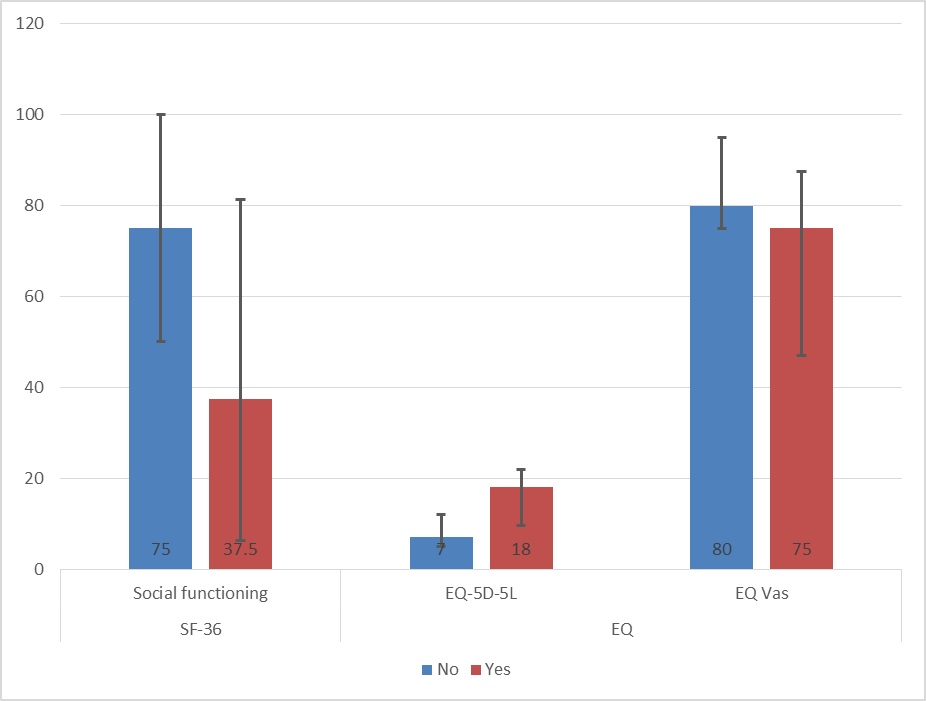
The analysis of postoperative complications reveals no significant differences in age, BMI, Charlson Comorbidity Index (CCI) score, or hip score between patients with and without complications, with p-values of 0.818, 0.718, 0.818, and 0.147, respectively. However, there is a significant difference in physical functioning as measured by the SF-36 survey, with a median score of 85.00 (IQR: 50.00-95.00) for those without complications compared to 17.50 (IQR: 0.00-60.00) for those with complications (p = 0.034). Additionally, emotional well-being shows a significant difference, with a median score of 64.00 (IQR: 44.00-84.00) for patients without complications compared to 28.00 (IQR: 18.00-50.00) for those with complications (p = 0.034). Other SF-36 domains, including role limitations due to physical health, role limitations due to emotional problems, energy/fatigue, social functioning, pain, and general health, do not show significant differences between the two groups. The EQ-5D-5L Index score and EQ VAS score also do not show significant differences, with p-values of 0.128 and 0.336, respectively. (Table 6, Figure 2)
Table 6: Comparison of Health Outcomes and Patient Characteristics by Post-Operative Complications
|
|
Did any complications occur after the operation? |
|||||
|
No |
Yes |
p valueU |
||||
|
Median |
IQR |
Median |
IQR |
|||
|
Age |
38.00 |
29.00-63.00 |
41.50 |
28.00-57.50 |
0.818 |
|
|
BMI |
24.44 |
23.10-29.71 |
31.81 |
21.22-41.99 |
0.718 |
|
|
CCI Score |
.00 |
.00-2.00 |
.50 |
.00-2.50 |
0.818 |
|
|
Hip Score |
22.00 |
15.00-37.00 |
55.50 |
33.00-57.50 |
0.147 |
|
|
SF-36 |
Physical functioning |
85.00 |
50.00-95.00 |
17.50 |
.00-60.00 |
0.034* |
|
Role limitations due to physical health |
25.00 |
.00-100.00 |
.00 |
.00-25.00 |
0.272 |
|
|
Role limitations due to emotional problems |
66.67 |
.00-100.00 |
.00 |
.00-50.00 |
0.243 |
|
|
Energy/fatigue |
50.00 |
45.00-70.00 |
20.00 |
2.50-52.50 |
0.082 |
|
|
Emotional well-being |
64.00 |
44.00-84.00 |
28.00 |
18.00-50.00 |
0.034* |
|
|
Social functioning |
75.00 |
50.00-100.00 |
37.50 |
6.25-81.25 |
0.243 |
|
|
Pain |
87.50 |
47.50-100.00 |
17.50 |
6.25-61.25 |
0.095 |
|
|
General health |
65.00 |
55.00-75.00 |
47.50 |
35.00-60.00 |
0.082 |
|
|
EQ |
EQ-5D-5L |
7.00 |
5.00-12.00 |
18.00 |
9.50-22.00 |
0.128 |
|
EQ Vas |
80.00 |
75.00-95.00 |
75.00 |
47.50-87.50 |
0.336 |
|
|
UIndependent Samples Mann-Whitney U test *p<0.05, Significant |
|
|||||
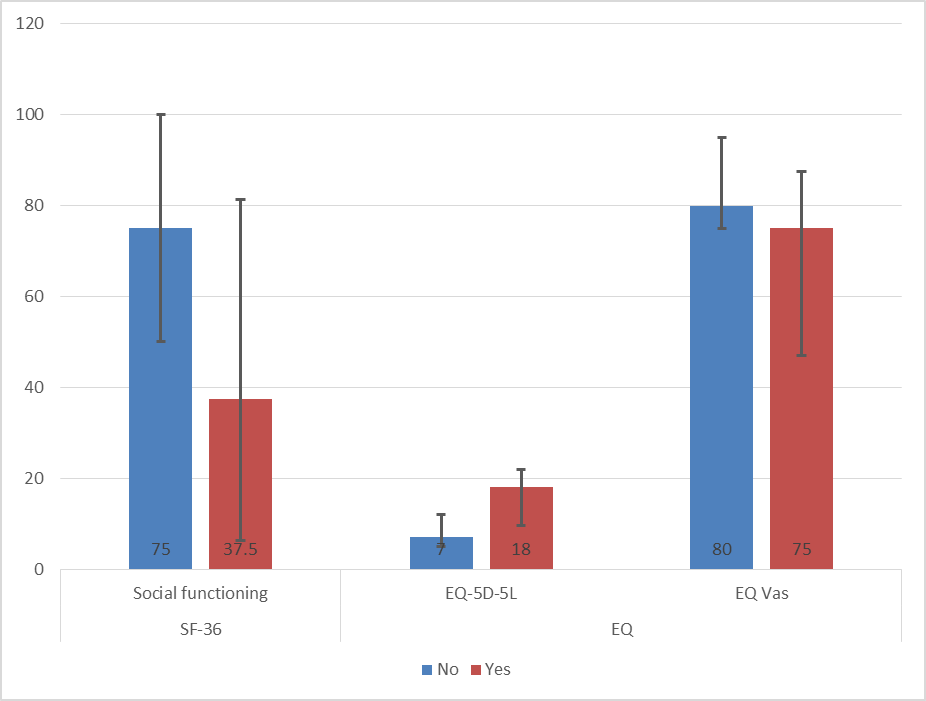
Figure 2: Summary Statistics for Health and Functioning Scales
DISCUSSION:
Hip fractures impact over 4.5 million people worldwide each year, and by 2040, that number is expected to rise to 21 million people who live with a disability. (12) Intracapsular fractures of the femoral neck account for about half of all hip fractures and are thought to be the most prevalent traumatic injury linked with aging. (13) FNFs have become a serious health issue in recent years, having a significant effect on both society and the health care system. In addition to its long-term impacts on the independence, functional status, and quality of life (QoL) of patients. (14)
Patient Demographics, Hospitalization Details, and Post-Operative Complications
In this cohort study, a representative sample of the population of Saudi Arabia composed of 27 participants sustained FNF. Of the whole population of the study, 51.9% (n = 14) were males, while females comprised 48.1% (n = 13) with almost equal distribution of both genders. Previous research indicates that hip fractures were more frequent in women than in men. In both sexes, the incidence increased with age. However, more men than women patients less than 60 years old sustained a fracture caused by high-energy trauma or stress fractures which also determined that older females and younger males exhibited the highest prevalence. (15) According to Crépon, 2006, Productivity increases with age until the age of 40 at which point it stabilizes corresponding with the mean age of our participants which is 45.67 years [SD]: 20.03 years. (16) This emphasizes how important it is to receive enough care and rehabilitation in order to decrease the financial strain, permanent physical limitations and low functional status brought on by these injuries. Based on the data collected from the current study, FNF affecting the right hip are commonly seen, consisting of 63.0% of cases. On another hand, FNF affecting both hips are relatively uncommon, consisting only 3.7%. Even though the majority of participants were hospitalized for more than 7 days, 85.2% experienced no complications following the surgical procedure.
Patients undergoing surgery for a FNF frequently exhibit comorbidities that increase their risk of complications(17). It turns out that our sample had relatively considerable postoperative problems (14.8%) indicating that the surgical management of complex FNF at our medical center meets the high standards of care in addition to providing the most suitable postoperative interventions for all affected aspects by working as multidisciplinary team (MDT) which consists of professionals and practitioners from across different sectors to work together around the needs of people, their families, and their communities to ensure achieving the holistic approach. A retrospective cohort study discovered that patients treated in the MDT model had significantly shorter times to surgery. The MDT model had fewer complications overall (16.5% vs. 31.3%; P = 0.039), with significantly lower risks of delirium, postoperative infection, bleeding, cardiac complication, hypoxia, and thromboembolism(18).This underlines the need for following MDT approach to provide sufficient treatment and rehabilitation to reduce the long- term impairment and financial burden caused by these injuries.
Significant consequences of FNF including increased morbidity, decreased quality of life which may vary from patient to other based on various factors(15). As mentioned above only 14.8% experienced postoperative complications in the sample which is realistically matched with EQ-5D-5L data in this study that assessed health related quality of life that represented 9.93 mean (SD 5.56) supporting findings indicating that having complications has a high impact on quality of life. In 47 of the 65 patients (72%), the fracture was healing, while 18 patients (28%) experienced a fracture healing complication, according to Tidermark (2003). In regard to the EQ-5D in their study, all patients' quality of life was significantly reduced after their hip fracture than it was before. The mean quality of life (EQ-5D index score) at 4 months and 17 months (p<0.05 and p<0.005) was higher for individuals with healing fractures than for those with fracture healing complications at each follow-up evaluation. (19)
Frequency and Intensity of Hip Joint Pain and Functional Impact Over the Past Four Weeks
Our study's assessment of pain severity and functional limitations reflects the complex impact of FNF on daily living. The postoperative pain experiences among patients were varied. Notably, 29.6% of participants reported no pain in the past four weeks, while a similar proportion experienced very mild (25.9%) and severe pain (25.9%). A systematic review and meta-analysis by Shen et al. (2023), which analyzed pain outcomes in FNF patients treated with bipolar versus unipolar hemiarthroplasty, demonstrated that patients treated with bipolar hemiarthroplasty experienced significantly less postoperative pain compared to those who underwent unipolar hemiarthroplasty. (20) This suggests that the type of prosthesis used in surgical management can significantly influence pain outcomes.
Our findings also demonstrated the functional limitations experienced by patients, with 44.4% reporting no difficulty with personal hygiene, but 14.8% finding it impossible to complete this task. Additionally, 40.7% of patients struggled with getting in and out of cars, and 33.3% could walk for more than 30 minutes before severe pain occurred, whereas 25.9% experienced severe pain immediately upon walking. These functional limitations show the significant impact of postoperative pain on daily activities and quality of life. In contrast, the study by Shen et al. found that patients who underwent bipolar hemiarthroplasty not only reported lower pain levels but also demonstrated better functional outcomes. The lower erosion rates associated with bipolar prostheses likely contribute to this enhanced functional capacity, reducing the long-term impact of the surgery on daily activities. These findings support the notion that bipolar hemiarthroplasty may offer advantages over unipolar options, particularly in reducing pain and improving function postoperatively. (20) However, it is important to note that our study was unable to determine the reasons behind the varying degrees of postoperative pain and functional impact in our patients. This limitation is primarily due to the fact that the type of surgical management was not specified in our sample. Without this information, it is challenging to draw conclusions about the factors contributing to these outcomes in our patient population.
In this study, the OHS demonstrated a moderate mean value of 29.96 (SD: 16.42), with a median of 27.00 and an IQR of 15.00 to 40.00. Our findings suggest that, on average, patients had moderate hip function postoperatively. The analysis of postoperative complications did not reveal significant differences in OHS among patients, regardless of whether they experienced complications, with a p-value of 0.147. A recent study by Shapira et al. (2023) examined the outcomes of total hip arthroplasty (THA) in patients with hip fractures compared to those with arthritis. The study found that the mean OHS in the hip fracture group [43.7 points (range, 10.0 to 48.0)] was lower than that typically reported for arthritis patients [43.6 points (range, 10.0 to 48.0)]. (21) it is evident that our study's mean OHS (29.96) falls within the range typically observed in hip fracture patients but may be considered lower than the outcomes reported for arthritis patients undergoing THA reflecting the greater challenge in achieving optimal functional outcomes in this population.
EQ-5D-5L Health Dimensions for Post-Operative Complications
Our study evaluated the post-operative health-related quality of life (HRQoL) using the EQ-5D-5L. The results indicated a broad spectrum of outcomes across the different dimensions of the EQ-5D-5L. Specifically, 44.4% of participants (n=12) reported no problems with mobility, while 14.8% (n=4) faced severe difficulties, and 7.4% (n=2) were unable to walk at all. Regarding personal care, 63.0% (n=17) had no issues with washing or dressing, although 14.8% (n=4) experienced significant challenges. A majority of participants (55.6%, n=15) were able to engage in their usual activities without difficulty, but 11.1% (n=3) were completely unable to perform these tasks. Pain and discomfort were absent in 40.7% (n=11) of the participants, though 11.1% (n=3) reported severe pain. A study by Slobogean et al. (2018), which examined factors associated with HRQoL, hip function, and health utility following the operative management of FNFs, demonstrated a significant proportion of patients reported diminished HRQoL, with notable impairments in mobility, self-care, and usual activities, particularly in older patients or those with greater comorbidities. (1) The study's findings are consistent with our results, where a substantial subset of our participants faced severe mobility challenges and significant pain, which negatively affected their overall quality of life.
In our study, the psychological impact of the hip fracture was relatively low, with 48.1% (n=13) of participants reporting no anxiety or depression, while the remaining participants experienced varying levels of these symptoms. Conversely, Slobogean et al.'s study emphasized the psychological impact of hip fractures, noting that anxiety and depression were common among patients postoperatively. (1) While our study found that nearly half of the participants did not experience anxiety or depression, the remaining half reported varying degrees of psychological distress, corroborating the findings of Slobogean et al. on the mental health challenges faced by patients recovering from hip fractures. This suggests that while surgical intervention can improve HRQoL in many patients, a substantial proportion continues to experience significant impairments in various dimensions of life. Tailored rehabilitation programs that address both physical and psychological needs are crucial for optimizing recovery and enhancing overall HRQoL in this patient population.
Comparison of Health Outcomes and Patient Characteristics by Post-Operative Complications
By using the SF-36 survey, our results compared patients with and without complications. The median score for physical functioning was significantly different in the group without complications (85.00; IQR: 50.00-95.00) compared to the group with complications (17.50; IQR: 0.00-60.00) (p = 0.034). Additionally, there was a statistically significant difference in the emotional well-being of the patients, with the median score for those without issues being 64.00 (IQR: 44.00-84.00) and for those with complications being 28.00 (IQR: 18.00-50.00) (p = 0.034). Other SF-36 dimensions, such as energy/fatigue, social functioning, pain, role constraints caused by emotional issues, role limits due to physical health, and general health, are not considerably different between the two groups. SF-36 survey results lead to clear cut evidence about how hip fractures reduced patients overall function. In line with Randell et al investigation, the SF-36 quality of life alterations for 32 individuals who have had hip fractures have been evaluated. In comparison to before the fracture, there was a noticeable decline in quality of life after three months in the areas of social functioning, energy, and physical functioning. Following a displaced FNFs in elderly people, alterations in the complex domains of physical, psychological, and social functioning appear to be captured by the EQ-5D and the SF-36. (22)
LIMITATIONS
Our study has several notable limitations that must be considered when interpreting the findings. Firstly, the study's relatively small sample size limits the power of our analysis and may affect the reliability of the results. This small sample size is partially due to the study's focus on patients who underwent surgical management of femoral neck fractures at a single location, Al-Ahsa, Saudi Arabia, without specifying the type of surgical interventions. The lack of differentiation between surgical techniques limits the ability to draw specific conclusions regarding the efficacy of different surgical approaches.
Additionally, the majority of patients with FNFs are elderly, and the length and complexity of the assessment tools used in our study may have deterred some from participating. This hesitancy likely contributed to our smaller sample size, further impacting the study's generalizability. As a result, caution should be exercised when extending our conclusions to broader populations, especially in different geographic or demographic settings.
Given these limitations, we recommend that future research should aim to include a larger and more diverse population, with a particular focus on comparing the outcomes of different types of surgical interventions versus non-surgical management of FNFs. This would provide a more comprehensive understanding of the optimal treatment strategies for this common and significant injury, thereby improving patient care and outcomes.
CONCLUSION:
FNF represents a significant public health challenge, particularly in aging populations, with profound implications for patients' QoL and functional independence. This study highlights the multifaceted impact of FNF on physical, emotional, and social well-being, even after surgical intervention. Despite advancements in surgical techniques and postoperative care, many patients continue to experience persistent pain, limited mobility, and reduced ability to perform daily activities, showing the need for a more comprehensive and patient-centered approach to management.
The findings emphasize the importance of addressing not only the physical consequences of FNF but also the psychological and social dimensions of recovery. The significant burden of comorbidities and postoperative complications further complicates recovery, necessitating tailored rehabilitation programs and multidisciplinary care models.
Ultimately, improving outcomes for patients with FNF requires a holistic approach that prioritizes both physical recovery and emotional well-being. By addressing the complex interplay of factors that influence recovery, healthcare systems can reduce the burden of FNF, enhance patient satisfaction, and improve overall QoL for those affected by this debilitating injury.
REFERENCES:
1. Sprague, S., Bhandari, M., Heetveld, M. J., Liew, S., Scott, T., Bzovsky, S., Heels Ansdell, D., Zhou, Q., Swiontkowski, M., Schemitsch, E. H., & FAITH Investigators (2018). Factors associated with health-related quality of life, hip function, and health utility after operative management of femoral neck fractures. The bone & joint journal, 100-B(3), 361–369. https://doi.org/10.1302/0301-620X.100B3.BJJ-2017-0853.R1
2. Zhang, Y., Yuan, Q., Wei, Q., Dong, Y., Liu, Y., He, W., Jing, Z., Zhang, L., Wang, H., & Li, W. (2023). Combined Deflection Angle Classification: A Novel Typing System of Adult Femoral Neck Fracture. Orthopaedic surgery, 15(3), 839–850. https://doi.org/10.1111/os.13629
3. Kazley, J., & Bagchi, K. (2022). Femoral Neck Fractures. In StatPearls. StatPearls Publishing.
4. Cazzato, G., Oliva, M. S., Masci, G., Vitiello, R., Smimmo, A., Matrangolo, M. R., Palmacci, O., D'Adamio, S., & Ziranu, A. (2022). Femoral neck fracture: the reliability of radiologic classifications. BMC musculoskeletal disorders, 22(Suppl 2), 1063. https://doi.org/10.1186/s12891-022-05007-3
5. Al-Mohrej, O. A., Alshaalan, F. N., Aldakhil, S. S., & Rahman, W. A. (2020). One Year Mortality Rates Following Fracture of the Femoral Neck Treated With Hip Arthroplasty in an Aging Saudi Population: A Trauma Center Experience. Geriatric orthopaedic surgery & rehabilitation, 11, 2151459320922473. https://doi.org/10.1177/2151459320922473
6. Xu, J. L., Liang, Z. R., Xiong, B. L., Zou, Q. Z., Lin, T. Y., Yang, P., Chen, D., & Zhang, Q. W. (2019). Risk factors associated with osteonecrosis of femoral head after internal fixation of femoral neck fracture:a systematic review and meta-analysis. BMC musculoskeletal disorders, 20(1), 632. https://doi.org/10.1186/s12891-019-2990-5
7. Cakir, F., Özkal, F. M., & Sensoz, E. (2022). Performance Assessment of Biocompatible Metals Used in the Treatment of Femoral Neck Fractures. ACS applied bio materials, 5(6), 3013–3022. https://doi.org/10.1021/acsabm.2c00321
8. Han, Z., Taxi, W., Jia, H., Ji, N., Cao, D., Sun, X., Han, C., Xie, M., Ma, X., & Dong, Q. (2022). Multiple cannulated screw fixation of femoral neck fractures with comminution in young- and middle-aged patients. Journal of orthopaedic surgery and research, 17(1), 280. https://doi.org/10.1186/s13018-022-03157-7
9. Niemann, M., Braun, K. F., Ahmad, S. S., Stöckle, U., Märdian, S., & Graef, F. (2022). Comparing Perioperative Outcome Measures of the Dynamic Hip Screw and the Femoral Neck System. Medicina (Kaunas, Lithuania), 58(3), 352. https://doi.org/10.3390/medicina58030352
10. Li, Q., Wang, Y., & Shen, X. (2022). Effect of Psychological Support Therapy on Psychological State, Pain, and Quality of Life of Elderly Patients With Femoral Neck Fracture. Frontiers in surgery, 9, 865238. https://doi.org/10.3389/fsurg.2022.865238
11. Campenfeldt, P., Ekström, W., Al-Ani, A. N., Weibust, E., Greve, K., & Hedström, M. (2020). Health related quality of life and mortality 10 years after a femoral neck fracture in patients younger than 70 years. Injury, 51(10), 2283–2288. https://doi.org/10.1016/j.injury.2020.06.029
12. Johnell O, Kanis JA. An estimate of the worldwide prevalence, mortality and disability associated with hip fracture. Osteoporos Int 2004;15:897902
13. Handoll HH, Parker MJ. Conservative versus operative treatment for hip fractures in adults. Cochrane Database Syst Rev 2008;CD000337. doi: 10.1002/14651858.CD000337.pub2.
14. Viganò, Marco, et al. “Proximal Hip Fractures in 71,920 Elderly Patients: Incidence, Epidemiology, Mortality and Costs from a Retrospective Observational Study.” BMC Public Health, vol. 23, no. 1, 10 Oct. 2023, https://doi.org/10.1186/s12889-023-16776-4.
15. Sundkvist, J., Brüggeman, A., Sayed-Noor, A. et al. Epidemiology, classification, treatment, and mortality of adult femoral neck and basicervicalfractures: an observational study of 40,049 fractures from the Swedish Fracture Register. J Orthop Surg Res 16, 561 (2021). https://doi.org/10.1186/s13018-021-02701-1
16. Crépon, B. (2006). Age, Wage and Productivity: Firm-Level Evidence. https://citeseerx.ist.psu.edu/document?repid=rep1&type=pdf&doi=53c8bbcc61640227635def7cb5d8778dc734e102
17. Hayat, Zara, and Matthew Varacallo. “Surgical Management of Femoral Neck Fractures.” PubMed, StatPearls Publishing, 2020, www.ncbi.nlm.nih.gov/books/NBK538236/.
18. Liang, Weiming, et al. “Reducing Complications of Femoral Neck Fracture Management: A Retrospective Study on the Application of Multidisciplinary Team.” BMC Musculoskeletal Disorders, vol. 24, no. 1, 29 Apr. 2023, https://doi.org/10.1186/s12891-023-06455-1.
19. Tidermark, J. (2003). Quality of life and femoral neck fractures. ActaOrthopaedica Scandinavica, 74(2), 1–62. https://doi.org/10.1080/03008820310014127
20. Papavasiliou, K., Gkekas, N. K., Stamiris, D., Pantekidis, I., & Tsiridis, E. (2023). Patients with femoral neck fractures treated by bipolar hemiarthroplasty have superior to unipolar hip function and lower erosion rates and pain: a systematic review and meta-analysis of randomized controlled studies. European journal of orthopaedic surgery & traumatology : orthopedie traumatologie, 33(5), 1449–1462. https://doi.org/10.1007/s00590-022-03320-0
21. Verhaegen, J. C. F., Bourget-Murray, J., Morris, J., Horton, I., Ottawa Arthroplasty Group, Papp, S., & Grammatopoulos, G. (2023). Is Outcome of Total Hip Arthroplasty for Hip Fracture Inferior to That of Arthritis in a Contemporary Arthroplasty Practice?. The Journal of arthroplasty, 38(7 Suppl 2), S276–S283. https://doi.org/10.1016/j.arth.2023.02.069
22. Randell, A. G., et al. “Deterioration in Quality of Life Following Hip Fracture: A Prospective Study.” Osteoporosis International, vol. 11, no. 5, 1 May 2000, pp. 460–466, https://doi.org/10.1007/s001980070115. Accessed 2 June 2020.