FREQUENCY OF SEROPREVALENCE OF DENGUE/HEPATITIS B AND DENGUE/HEPATITIS C IN PATIENTS PRESENTING WITH FEVER AT ABBASI SHAHEED HOSPITAL, KARACHI
- Umm E Hafsa , Postgraduate Trainee (PGR), Medicine MBBS, Abbasi shaheed hospital Karachi Pakistan.
- Attiya sabeen rehman , Associate professor, Medicine FCPS, FRCP, MD (neuro), Abbasi Shaheed Hospital, Karachi Pakistan.
- Qaiser Jamal , Prof and HOD, Medicine, FCPS, FRCP, Abbasi Shaheed hospital Karachi Pakistan.
- Meah Para Lodhi , Postgraduate Trainee (PGR), Medicine MBBS, Abbasi shaheed hospital, Karachi Pakistan.
- Faiqah Nizam , Postgraduate Trainee (PGR), Medicine Abbasi shaheed hospital Karachi, Pakistan.
- Syeda Amna Gohar , Postgraduate Trainee (PGR), Medicine, MBBS, Karachi Medical and Dental College Karachi, Pakistan.
Article Information:
Abstract:
Dengue, hepatitis B, and hepatitis C are major public health concerns in Pakistan, often presenting with similar clinical symptoms. We aimed to determine the frequency of dengue and its co-infection with hepatitis B and C among patients presenting with fever at a tertiary care hospital in Karachi..Methods: We enrolled 135 patients with acute febrile illness at Abbasi Shaheed Hospital. Each patient underwent testing for dengue (NS1 antigen and IgM), hepatitis B (HBsAg), and hepatitis C (anti-HCV antibodies). We recorded demographic and clinical data and used chi-square analysis to assess associations between dengue infection and patient characteristics.Results: Dengue infection was present in 18.5% of the patients. Among those with dengue, 4.4% also tested positive for hepatitis B, and 2.2% for hepatitis C. Patients from rural areas and those in lower-income households showed significantly higher rates of dengue infection (p = 0.01 and p = 0.04, respectively). We found no significant association between dengue infection and age, gender, comorbidities, employment, or education.Conclusion: Dengue affected patients more frequently in rural and low-income settings, pointing to the influence of socioeconomic and environmental factors on disease transmission. Targeted public health interventions and routine screening for co-infections could help improve outcomes in vulnerable communities.
Keywords:
Article :
INTRODUCTION:
Dengue virus (DENV) infection contributes significantly to the global disease burden, with an estimated 400 million new cases occurring annually worldwide.1 Approximately half of the world’s population, primarily those living in tropical and subtropical regions, are at risk of contracting dengue virus (DENV) infection. The clinical manifestations differ across age groups and can range from asymptomatic cases to febrile illness with nonspecific symptoms. Complications associated with the infection include classic dengue fever (DF), dengue hemorrhagic fever (DHF), dengue shock syndrome (DSS), and severe forms of dengue infection (SD). 2 In recent decades, the increased ease of international travel and greater global connectivity have significantly contributed to the cross-border spread of dengue, facilitating its transmission between countries. 3
In regions where hepatitis B virus (HBV) or hepatitis C virus (HCV) are highly prevalent, individuals face an increased risk of acquiring co-infection with both viruses. 4 Co-infection with hepatitis C virus (HCV) and hepatitis B virus (HBV) can occur through parenteral routes of transmission. Individuals infected with both viruses are at a greater risk of progressing to liver cirrhosis (LC) and hepatocellular carcinoma (HCC) compared to those with a single viral infection. As a result, co-infected patients require close clinical surveillance and prompt, intensive antiviral therapy to manage disease progression effectively. 5-6
Although earlier research has established that dengue infection can cause acute liver dysfunction, there is emerging evidence suggesting that co-infection with viral hepatitis may occur and result in more serious clinical complications. 7-8 For example, in Guangzhou, China, among 353 individuals who tested positive for dengue, approximately 8% were found to have chronic co-infection with hepatitis B virus (HBV), accompanied by abnormal patterns of cytokine secretion. 9 However, nothing was said about the clinical consequences. Later, Argawal et al. found fulminant hepatitis in an HBV-DENV coinfected carrier in India. 10 Tietcheu and Machain-Williams et al found the frequency of seroprevalence of dengue fever in hepatis B and hepatitis C to be 22.2% and 12.9%.11-12
Infection with dengue virus is a major cause of morbidity in the tropical and sub-tropical parts of the world. In some cases, infection with dengue virus may be asymptomatic. However, in about 60% of cases, it gives rise to undifferentiated fever which is clinically indistinguishable from other viral infections. Despite high levels of dengue infection, few studies have been conducted to explore the coinfection with hepatitis B and C. Furthermore, increasing evidence suggests that complications in viral hepatitis may arise from superinfection with hepatic viruses or hemorrhagic fever viruses such as the dengue virus (DENV), which is a primary cause of acute hepatitis. There is a need to establish the local perspective as demographic, lifestyle, genotype and socioeconomic status varies form other countries, Accordingly, it is hoped that routine serological testing would allow early detection of cases, proper management of infected subjects and reduce misclassification.
MATERIAL AND METHODS :
This cross-sectional study was carried out at the Department of Medicine, Abbasi Shaheed Hospital, Karachi. The study was receiving the ethical approval Ref; DIR/ASH/SECT/640/2025 date 15 March 2025, of the Institutional Review Board (IRB) of ABBASI SHAHEED HOSPITAL, KMC in a span of six months, from April 2025 to September 2025 following the consent of the College of Physicians and Surgeons Pakistan (CPSP) was approved. A total of 135 patients were enrolled using a non-probability consecutive sampling technique. The sample size was determined based on a previously reported 22.2% frequency of dengue and hepatitis B co-infection, with a 7% margin of error and a 95% confidence level, using the WHO software for sample size calculation.
Patients included in the study were aged between 20 and 80 years, of either gender, with a documented diagnosis of chronic hepatitis B or C and presenting with fever for at least three days, as defined in the operational criteria. Patients were excluded if they had a known diagnosis of HIV, malaria, typhoid, or were pregnant. Individuals with a history of malignancy, immunosuppressive therapy, acute coronary syndrome, asthma, chronic obstructive pulmonary disease (COPD), chronic renal failure, congestive cardiac failure, or stroke were also excluded.
After obtaining written informed consent, patients were evaluated based on a standardized proforma. Demographic data including age, gender, residence, family monthly income, educational and occupational status were recorded. A clinical history was taken, and physical examination was performed. Blood samples were drawn using aseptic technique to test for dengue IgM antibodies by ELISA in patients presenting with fever. Patients with positive dengue IgM by the 7th day of illness were considered dengue-positive. Chronic hepatitis B and C were confirmed through PCR testing for HBV DNA and HCV RNA respectively, with a duration of infection less than or equal to one year.
Additional variables such as diabetes mellitus and hypertension were assessed as potential effect modifiers. Diabetic patients were identified based on a documented history of diabetes and ongoing treatment with oral hypoglycemics or insulin for at least six months, with HbA1c ≤ 7 indicating compliance. Hypertension was defined as a documented history of high blood pressure under treatment for a minimum of six months, with controlled blood pressure (SBP ≤ 130 mmHg, DBP ≤ 90 mmHg) indicating compliance.
Data were analyzed using SPSS version 22. Continuous variables such as age and duration of chronic hepatitis B or C were reported as mean and standard deviation for normally distributed data, while median and interquartile range were reported for non-normally distributed variables based on the Kolmogorov–Smirnov test. Categorical variables, including gender, residence status, diabetes mellitus, hypertension, monthly income, education, occupation, and dengue status were summarized as frequencies and percentages. Stratification was performed based on potential effect modifiers to assess their influence on the primary outcome. Post-stratification, chi-square or Fisher’s exact test was applied, and a p-value ≤ 0.05 was considered statistically significant.
RESULTS:
We enrolled a total of 135 patients who presented with acute febrile illness. Most participants (67.4%) were between 51 and 80 years of age, while 32.6% fell within the 20 to 50-year age group. The gender distribution was nearly equal, with males representing 51.1% of the sample and females 48.9%. A majority of the participants (79.3%) reported residing in urban areas, whereas 20.7% lived in rural settings.
Among the study population, 15.6% had diabetes mellitus and 30.4% had a history of hypertension. Regarding socioeconomic indicators, 50.4% of patients belonged to middle-income households, 26.7% to lower-income groups, and 23.0% to upper-income brackets. Most participants (65.2%) reported being unemployed, and nearly half (48.9%) had attained higher education. Secondary education was reported by 35.6% of patients, while only 10.4% had completed primary education and 5.2% were illiterate.
We detected dengue fever in 25 participants, yielding a seroprevalence of 18.5%. When we compared the demographic and clinical characteristics of dengue-positive and dengue-negative groups, we found no significant differences in age (p = 0.95), gender (p = 0.58), diabetes (p = 0.49), hypertension (p = 0.21), employment status (p = 0.20), or education level (p = 0.36). However, two variables showed statistically significant associations with dengue status.
Participants from rural areas had a significantly higher rate of dengue infection (39.3%) compared to those from urban areas (13.1%) (p = 0.01). Similarly, family income was significantly associated with dengue positivity (p = 0.04). Patients from lower-income households accounted for a larger proportion of dengue cases, suggesting a possible link between lower socioeconomic status and increased vulnerability to dengue infection.
Table 1: Distribution of baseline characteristics among the study participants.
|
Variables |
n (%) |
|
Age 20 to 50 years 51 to 80 years |
44 (32.6) 91 (67.4) |
|
Gender Male Female |
69 (51.1) 66 (48.9) |
|
Residence status Urban Rural |
107 (79.3) 28 (20.7) |
|
Diabetes Mellitus Yes No |
21 (15.6) 114 (84.4) |
|
Hypertension Yes No |
41 (30.4) 94 (69.6) |
|
Family monthly income Lower Middle Upper |
36 (26.7) 68 (50.4) 31 (23) |
|
Occupational status Yes No |
47 (34.8) 88 (65.2) |
|
Educational status Illiterate Primary Secondary Higher |
07 (5.2) 14 (10.4) 48 (35.6) 66 (48.9) |
|
Dengue fever Yes No |
25 (18.5) 110 (81.5) |
|
Total |
135 (100) |
Figure 1: Distribution of dengue-positive and dengue-negative patients by residence (urban vs. rural) and family income level (lower, middle, upper).
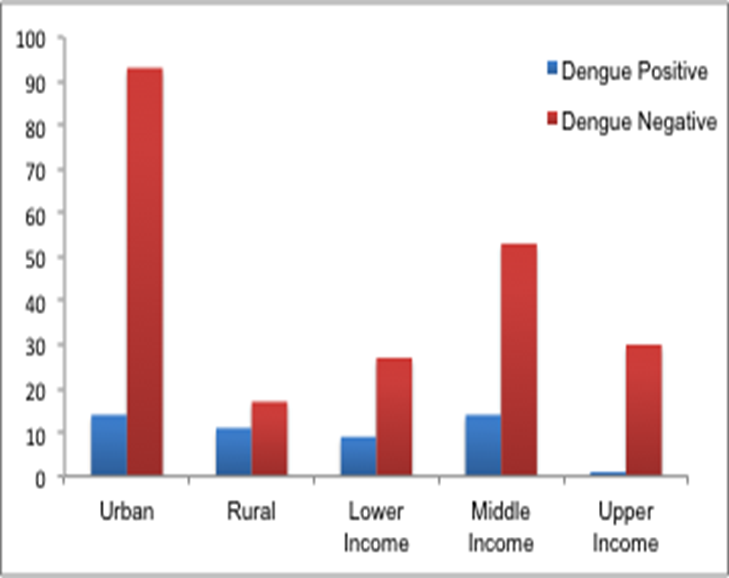
Figure 2: Distribution of dengue-positive and dengue-negative patients by education level.
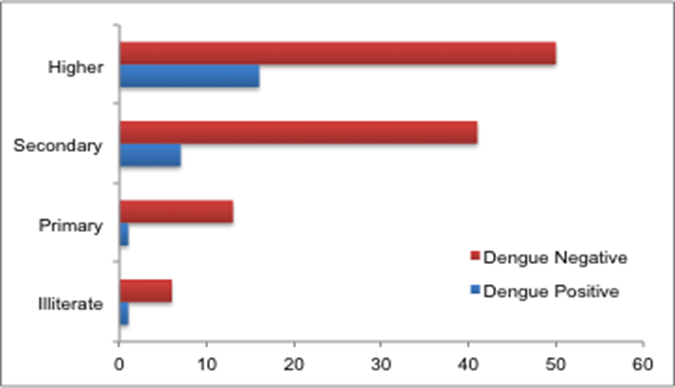
Table 2: Distribution of patient characteristics according to the Dengue fever groups.
|
Variables |
Dengue fever Yes n (%) |
Dengue fever No n (%) |
P value |
|
Age 20 to 50 years 51 to 80 years |
14 (31.8) 11 (12.1) |
30 (68.2) 80 (87.9) |
0.95 |
|
Gender Male Female |
14 (20.3) 11 (16.7) |
55 (79.7) 44 (83.3) |
0.58 |
|
Residence status Urban Rural |
14 (13.1) 11 (39.3) |
93 (86.9) 17 (60.7) |
0.01 |
|
Diabetes Mellitus Yes No |
05 (23.8) 20 (17.5) |
16 (76.2) 84 (82.5) |
0.49 |
|
Hypertension Yes No |
05 (12.2) 20 (21.3) |
36 (87.6) 74 (78.7) |
0.21 |
|
Family monthly income Lower Middle Upper |
09 (25) 14 (22.1) 01 (18.5) |
27 (75) 53 (77.9) 30 (96.8) |
0.04 |
|
Occupational status Yes No |
06 (12.8) 19 (21.6) |
04 (87.2) 69 (78.4) |
0.20 |
|
Educational status Illiterate Primary Secondary Higher |
01 (14.3) 01 (7.1) 07 (14.6) 16 (24.2) |
06 (85.7) 13 (92.9) 41 (85.4) 50 (75.8) |
0.36
|
DISCUSSION:
Our findings show that nearly one in five patients (18.5%) tested positive for dengue. This aligns with data from similar regional and international studies conducted in dengue-endemic zones. Tietcheu et al. reported a comparable prevalence of 18.8% in febrile patients from Cameroon. Thus reinforcing the view that dengue continues to circulate widely in low-resource settings despite seasonal fluctuations and ongoing public health efforts.13
Rural residence emerged as a significant risk factor for dengue positivity. Patients living in rural areas had a notably higher likelihood of testing positive compared to their urban counterparts. This finding echoes patterns observed in previous research, where environmental conditions. For instance weaker infrastructure, open water storage, and less consistent vector control tend to increase exposure risk in rural communities. 14-18 The data also showed that patients from lower-income households were significantly more likely to have dengue. This further supports existing literature that ties socioeconomic vulnerability to higher disease burden. 14-20 These structural inequities likely reduce access to protective resources and heighten exposure to risk factors. Risk factors would include limited access to information, healthcare, and preventive interventions. 14-20
In contrast, we did not observe statistically significant associations between dengue infection and other variables. For instance: gender, age, diabetes, hypertension, education level, or occupational status. Some studies have identified younger adults or males as more susceptible due to occupational or behavioral exposure patterns. 15-18 However, our findings suggest that transmission may be more evenly distributed across demographic groups in this context. It's worth noting, however, that males did represent a slightly higher proportion of dengue-positive cases in our sample. Previous researches have linked male gender with increased severity or poor outcomes in co-infection settings. 14-15
The high proportion of participants aged 51 to 80 years also stands out. While younger populations are often described as more affected by dengue transmission. This age distribution might reflect differences in health-seeking behavior, symptom recognition, or accessibility of services in older adults. Alternatively, it may suggest that prior exposure has not conferred full immunity or that this group experiences more complications, prompting clinical visits.
Our study did not focus specifically on co-infections. However, the broader context of overlapping dengue and hepatitis B or C remains important. Prior studies have documented cases of co-infection leading to more pronounced liver dysfunction, even when the individual viruses may not cause severe disease alone[1,3,5]. 13, 15, 17 Researchers have described a worsening of hepatitis outcomes in dengue patients with pre-existing liver conditions, underscoring the value of integrated diagnostic and treatment approaches in such contexts. 16 While we did not observe marked hepatic derangement among co-infected patients in this sample, the potential for under-recognition of subclinical liver involvement remains a concern. This is particularly so in settings with limited access to liver function testing or follow-up.
The association between dengue and lower socioeconomic status also underscores the need to broaden public health outreach beyond traditional clinical settings. Education campaigns, vector control, and infrastructure improvements must extend into lower-income neighborhoods and peri-urban zones, where the risk remains highest. In regions with a high burden of both dengue and hepatitis B or C, integrating screening for these infections into routine care for febrile illnesses may yield important diagnostic and preventive benefits [1,2,8]. 13-14, 20-22
This study adds to the growing body of evidence linking social and geographic factors to dengue transmission. Our findings support calls for more equitable resource distribution and targeted prevention efforts in areas most vulnerable to vector-borne diseases.
LIMITATIONS
We conducted this study at a single tertiary care hospital. This limits how broadly the findings can be applied to other settings. Because we did not include dengue serotyping or liver function data, we could not fully assess the clinical impact of co-infections.
CONCLUSION:
We found that dengue infection affected patients more frequently in rural areas and among those with lower household incomes. These findings point to the need for targeted public health efforts that address both geographic and socioeconomic disparities in dengue prevention.
BIBLIOGRAPHY:
1. Guzman MG, Harris E. Dengue. Lancet 2015; 385:453–65.
2. Murray NE, Quam MB, Wilder-Smith A. Epidemiology of dengue: past, present and future prospects. Clin Epidemiol 2013; 5:299–09.
3. Thrift AP, El-Serag HB, Kanwal F. Global epidemiology and burden of HCV infection and HCV-related disease. Nat Rev Gastroenterol Hepatol 2017; 14:122–32.
4. Huang YT, Jen CL, Yang HI, Lee MH, Su J, Lu SN et al. Lifetime risk and sex difference of hepatocellular carcinoma among patients with chronic hepatitis B and C. J. Clin. Oncol. 2011;29:3643–50.
5. Shih YF, Liu CJ. Hepatitis C Virus and Hepatitis B Virus Co-Infection. Viruses. 2020 Jul 10;12(7):741.
6. Parkash O, Almas A, Jafri SW, et al. Severity of acute hepatitis and its outcome in patients with dengue fever in a tertiary care hospital Karachi, Pakistan (South Asia). BMC Gastroenterol 2010;10:1-8.
7. Nguyen TL, Nguyen TH, Tieu NT. The impact of dengue haemorrhagic fever on liver function. Res Virol 1997;148:273-277.
8. Eyong E, Yankam B, Seraphine E, et al. The prevalence of HBsAg, knowledge and practice of hepatitis B prevention among pregnant women in the Limbe and Muyuka Health Districts of the South West region of Cameroon: a three-year retrospective study. Pan Afr Med J 2019;122:1605.
9. Tang Y, Kou Z, Tang X, et al. Unique impacts of HBV co-infection on clinical and laboratory findings in a recent Dengue outbreak in China. Am J Trop Med Hyg 2008;79:154-158.
10. Agarwal MP, Giri S, Sharma V, et al. Dengue causing fulminant hepatitis in a hepatitis B virus carrier. Biosci Trends 2011;5:44-45.
11. Tietcheu BR, Babai CN, Ngakou A. Seroprevalence, risk factors and impact of dengue fever/hepatitis B coinfection on liver function parameters in Cameroonian patients. Clinical and Experimental Hepatology.;8(1).
12. Machain-Williams C, Talavera-Aguilar L, Cetina-Trejo RC, Carrillo-Navarrete J, Rivero-Cárdenas N, Salazar MI, Farfán-Ale JA, Puerto FI, Castro-Mussot ME. Detection of hepatitis C virus coinfection in patients with dengue diagnosis. Biomed Res Int. 2014;2014:321286.
13. Tietcheu BR, Babai CN, Ngakou A. Seroprevalence, risk factors and impact of dengue fever/hepatitis B coinfection on liver function parameters in Cameroonian patients. Clin Exp Hepatol. 2022;8(2):161–9.
14. Esimone CO, Abone HO, Ezea MC, et al. Dengue in co-infection with hepatitis B virus in Enugu, Eastern Nigeria: Seroprevalence, impacts and risk of increasing transmission. 2021. https://doi.org/10.53346/wjbpr.2021.1.2.013
15. Parkash O, Almas A, Jafri SW, Hamid S, Akhtar J, Alishah H. Severity of acute hepatitis and its outcome in patients with dengue fever in a tertiary care hospital Karachi, Pakistan (South Asia). BMC gastroenterology. 2010 Dec;10:1-8.
16. Adekola HA, Agu GC, Odeyemi FA, Egberongbe HO, Onajobi IB, Kareem WA, Adejonwo OO. Seroprevalence of Dengue and Hepatitis B infections among young adults attending a secondary health care facility at Olabisi Onabanjo University, Ogun State, Nigeria. Proceedings of the Nigerian Academy of Science. 2024 Jul 1;17(1):95-102.
17. Saghir H, Tariq M, Safdar N, Zahoor A, Rashid F, Khan SE, Abid S, Mumtaz H. Association of Liver Function Test with Severity of Dengue Fever in Suburbs of Islamabad. Journal of Community Hospital Internal Medicine Perspectives. 2023 Nov 4;13(6):95.
18. Phadungsombat J, Nakayama EE, Shioda T. Unraveling dengue virus diversity in Asia: an epidemiological study through genetic sequences and phylogenetic analysis. Viruses. 2024 Jun 28;16(7):1046.
19. Khan J, Khan A. Incidence of dengue in 2013: dengue outbreak in District Swat, Khyber Pakhtunkhwa, Pakistan. Inter J of Fauna and Biolo Stud. 2015;2(1):1-7.
20. Alberto RS, Jessenia FC, Gerardo SF, David AT. Co-infection of dengue and hepatitis a viruses: a rare case report. African J Infect Dis 2024 Mar 8;18(2):29.
21. Chaturvedi UC, Nagar R, Shrivastava R. Dengue and dengue haemorrhagic fever: implications of host genetics. FEMS Immunology & Med Microbiol 2006 Jul 1;47(2):155-66.
22. Kalayanarooj S. Clinical manifestations and management of dengue/DHF/DSS. Tropical medicine and health. 2011;39(4):S83-7.