Evaluation of OXA-48 and NDM Carbapenemase Genes among Gram-Negative Uropathogens Isolated from Catheter-Associated Urinary Tract Infections
- Faiza Asghar , Assistant Professor, Department of Pathology (Microbiology), School of Medicine, Dentistry and Allied Sciences, PAF-IAST, Haripur, Pakistan
- Shaukat Fiaz , Assistant Professor, Department of Uro-Oncology, Institute of Kidney Diseases, Peshawar, Pakistan
Article Information:
Abstract:
The current vulnerable catheter-associated urinary tract infections (CA-UTIs) are carbapenem-resistant Gram-negative bacteria. Scanty information is available regarding the prevalence of blaNDM and blaOXA-48 genes in Pakistan. The objective of this study was to establish the prevalence, molecular characterization, and risk factors that are associated with these carbapenemase genes among CA-UTI uropathogens. Methods: It was a laboratory-based cross-sectional study conducted at Institute of Kidney Diseases, Hayatabad, Peshawar, for six months between 1st May, 2025 to 31st October, 2025. A total of 308 Gram-negative isolates of CA-UTI patients were obtained. Antimicrobial susceptibility testing was conducted, and molecular detection of blaNDM and blaOXA-48 was conducted on PCR. The results of the clinical data were examined to establish factors related to gene carriage. Statistical tests were chi-square and binary logistic regression, and p≤ 0.05 was considered significant. Results: The most common isolates were Escherichia coli (43.5%) and Klebsiella pneumoniae (31.2%). The resistance rates were noted to be high to ceftriaxone (79.2%), ciprofloxacin (77.3%), and resistance to meropenem and imipenem was 33.8% and 31.2%, respectively. BlaNDM was identified in 51.9% of the carbapenem-resistant isolates, blaOXA in 26.9% and co-existence in 11.5%. The overall prevalence among all isolates was 21.4% for blaNDM and 13.0% for blaOXA-48. Independent predictors of gene positivity were ICU admission, previous exposure to antibiotics, and catheterization longer than 7 days. Conclusion: CA-UTI Gram-negative uropathogens have high rates of carbapenemase genes. A significant role is played by molecular surveillance and enhanced antimicrobial stewardship to direct treatment, avoid spread, and enhance patient outcomes.
Keywords:
Article :
INTRODUCTION :
Urinary tract infections (UTIs) are one of the most common bacterial infections in the world and lead to a high patient morbidity, length of hospital stay, and healthcare expenditure.(1) Catheter-associated urinary tract infections (CA-UTIs) are the most prevalent hospital-acquired infection since they constitute a substantial percentage of the equipment-related infections, especially in long-term and critically catheterized patients.(2) The most frequent causative organism in CA-UTIs is gram-negative uropathogens, including Escherichia coli, Klebsiella pneumoniae, Proteus spp., Pseudomonas aeruginosa, and Acinetobacter spp. whose growing propensity to develop antimicrobial resistance has become a critical worldwide public health problem.(3)
The development of carbapenem-resistant organisms has contributed to the worldwide increase in antimicrobial resistance (AMR) of Gram-negative bacilli.(4) A systematic review has described carbapenems as the last-line treatments used against multidrug-resistant infections, but their use is increasingly diminished due to their development of carbapenemase enzymes.(5) Two of them (New Delhi Metallo-β-lactamase (NDM)) and OXA-48-type carbapenemases are of primary clinical interest.(6) These enzymes have genes, including blaNDM and blaOXA-48, which are often carried on plasmids and other mobile genetic elements, resulting in a rapid horizontal transfer among bacterial species and healthcare settings.(7) Carbapenemase-producing organisms are linked to infections that are characterized by minimal treatment, elevated treatment failure, long-term hospitalization, and mortality.(8)
In South Asia, especially Pakistan, a number of surveillance and molecular studies have indicated that there is a concerning rise in carbapenem-resistant Gram-negative pathogens in the hospital environments.(9, 10) BlaNDM and blaOXA-48 have been reported to be commonly found in Enterobacterales and non-fermenters in clinical specimens, including urine.(11) The problem is further worsened by empirical and sometimes unsuitable antibiotic prescribing, overcrowded in-hospital conditions, poor infection control practices, and poor implementation of antimicrobial stewardship.(12) Karachi, as a large metropolitan and referral healthcare facility, has one of the largest CA-UTI infection rates, but there is a lack of molecular data on the distribution of carbapenemase genes in uropathogens in the region.
The CA-UTIs offer an ecological niche selective environment that supports the introduction and prevalence of multidrug-resistant organisms by creating biofilm on urinary catheters and continuous contact with broad-spectrum antibiotics.(13) Developing the molecular profile of carbapenemase genes in such infections is thus critical in maximizing empirical treatment, enhancing prevention of infections, and guiding the policymaking of antimicrobial stewardship, at the institutional and national levels.(14)
Although the burden of carbapenem-resistant CA-UTIs has increased in Pakistan, molecular data on local prevalence and genetic features of blaNDM and blaOXA-48 in Gram-negative uropathogens are limited in Karachi. The production of such evidence is vital to inform interventions related to antimicrobial stewardship, enhance decision-making when providing therapies, and avoid future spread of risky resistance genes in medical institutions. This research paper will fill this crucial evidence gap by providing region-specific molecular understanding of carbapenemase-producing uropathogens. The current investigation was intended to establish the incidence and molecular characterization of blaNDM and blaOXA-48 carbapenemase genes in Gram-negative uropathogens in catheter-related urinary tract infections.
METHODOLOGY:
The study was designed as a laboratory-based cross-sectional study and was conducted at the Department of Microbiology at Institute of Kidney Diseases, Hayatabad, Peshawar. The study period spanned six months from 1st May, 2025 to 31st October, 2025, during which all catheter-associated urinary tract infection (CA-UTI) specimens that fulfilled inclusion criteria were collected and processed.
The sample size was calculated with the OpenEpi sample size calculator of prevalence studies, a 95% confidence level, and a 5% margin of error. A prevalence of 24% was used as expected among Gram-negative uropathogens based on a previous study that had reported the prevalence of blaOXA-48 (15.6%) and blaNDM-2 (24.4%) within the carbapenem-producing Klebsiella pneumoniae urinary isolates in a similar tertiary care unit.(15) With this prevalence estimate, the minimum sample size of 280 was calculated. A 10% inflation was made to address this, and adjust the potential non-viability or sample exclusion, and a final target sample size of 308 isolates was determined.
The non-probability consecutive sampling method was used, whereby all the urine samples of every patient diagnosed with CA-UTI and who met the inclusion criteria within the study period were handled until the target sample size was met. The CA-UTI was characterized in CDC terms as UTI in a patient with an indwelling urinary catheter staying longer than 48 hours before the onset of symptoms. The study involved catheterized patients of all ages and genders who had Gram-negative bacilli in their urine cultures and gave informed consent that their clinical samples should be used in the study. The exclusion criteria included non-catheterized UTIs, polymicrobial growth predominantly composed of Gram-positive organisms, contaminated cultures, as well as non-growing or non-viable cultures to support molecular work.
Urine samples were received at the microbiology lab, cultured on routine media like blood agar and MacConkey agar, and incubated at 37 oC for 18-24 hours. Traditional biochemical tests were used to identify bacteria to the species level, and where automated identification systems were available, confirmed using these systems. Antimicrobial susceptibility testing was done by the Kirby-Bauer disk diffusion method using Clinical and Laboratory Standards Institute (CLSI) guidelines, with specific interest in carbapenem antibiotics to find out carbapenem-resistant isolates. The confirmation of carbapenem resistance was done by carrying out the phenotypic screening tests, including the Modified Hodge Test and/or carbapenem inactivation methods according to laboratory protocol. Standard extraction kits were used to extract DNA from confirmed carbapenem-resistant isolates, and molecular detection of blaNDM and blaOXA-48 genes was done by polymerase chain reaction (PCR) with previously validated primer sets and protocols. All PCR runs were done with positive and negative controls to ascertain the reliability of the assays.
Relevant patient demographics, clinical history, catheterization data, and isolate identification and susceptibility data were recorded using a structured data collection form. The data in the Laboratories were placed in a secure database, and quality checks were done to ensure completeness and accuracy of the data. The statistical analysis was conducted with the help of SPSS version 26.0 (IBM Corp., Armonk, NY, USA). Categorical variables of prevalence of carbapenemase genes, distribution by species, and resistance profiles were presented using descriptive statistics in the form of frequency and percentages. The mean and standard deviation were used to summarize continuous variables where necessary. Gene carriage related to clinical or demographic characteristics was assessed with chi-square or Fisher's exact tests when appropriate, with a p-value of ≤ 0.05 considered significant.
RESULTS:
A total of 308 patients with catheter-associated urinary tract infections were included in the study. The average age of the participants was 56.8 ± 14.6 years. The study population consisted of 57.8% males and 42.2% females. In 40.3% of the patients, ICU admission was observed. The average length of stay in catheterization was 9.4 ±3.8 days. The history of prior antibiotic exposure within 90 days was reported in 63.6% of patients. In patients, comorbid conditions were diabetes mellitus (36.4%) and chronic kidney disease (24.0%). A history of recurrent UTI was reported in 28.9% of cases.
Table 1. Baseline demographic and clinical characteristics (n = 308)
|
Variable |
Frequency n (%) |
Mean ± SD |
|
Age (years) |
|
56.8 ± 14.6 |
|
Male |
178 (57.8%) |
|
|
Female |
130 (42.2%) |
|
|
ICU admission |
124 (40.3%) |
|
|
Duration of catheterization (days) |
|
9.4 ± 3.8 |
|
Prior antibiotic exposure (last 90 days) |
196 (63.6%) |
|
|
Diabetes mellitus |
112 (36.4%) |
|
|
Chronic kidney disease |
74 (24.0%) |
|
|
Recurrent UTI history |
89 (28.9%) |
|
Escherichia coli was the most widespread Gram-negative uropathogen identified in catheter-associated urinary tract infections, with 43.5% of the isolates being Escherichia coli and 31.2% Klebsiella pneumoniae. Pseudomonas aeruginosa constituted 12.3% of the isolates, whereas Acinetobacter baumannii and Proteus mirabilis constituted 7.1% and 3.9% respectively. Enterobacter and Citrobacter spp. were other species that constituted 1.9% of the total isolates. (Table 2)
Table 2. Distribution of Gram-negative Uropathogens Isolated (n = 308)
|
Bacterial species |
n (%) |
|
Escherichia coli |
134 (43.5%) |
|
Klebsiella pneumoniae |
96 (31.2%) |
|
Pseudomonas aeruginosa |
38 (12.3%) |
|
Acinetobacter baumannii |
22 (7.1%) |
|
Proteus mirabilis |
12 (3.9%) |
|
Others (Enterobacter spp., Citrobacter spp.) |
6 (1.9%) |
Antimicrobial resistance profile of the 308 Gram-negative isolates showed high resistance levels to the widely used antibiotics. The highest resistance was found with ceftriaxone (79.2%) and ciprofloxacin (77.3%). More than half of isolates were resistant to piperacillin-tazobactam (52.6%), and 25.3% of isolates were resistant to amikacin. Carbapenem resistance screening revealed that 33.8% and 31.2% of isolates were resistant to meropenem and imipenem, respectively. In non-fermenters, tigecycline resistance was comparatively low (7.9%), whereas colistin resistance was not common (2.4%). (Table 3)
Table 3. Antimicrobial resistance profile of isolates (n = 308)
|
Antibiotic |
Resistant n (%) |
|
Ciprofloxacin |
238 (77.3%) |
|
Ceftriaxone |
244 (79.2%) |
|
Piperacillin-tazobactam |
162 (52.6%) |
|
Amikacin |
78 (25.3%) |
|
Meropenem (screening resistance) |
104 (33.8%) |
|
Imipenem (screening resistance) |
96 (31.2%) |
|
Tigecycline (non-fermenters excluded) |
18 (7.9%) |
|
Colistin |
6 (2.4%) |
Out of the 104 carbapenem-resistant isolates, blaNDM was found in 54 (51.9%) and blaOXA-48 in 28 (26.9%) of the isolates, and co-existence of both genes in 12 (11.5%). In 10 (9.6%) of carbapenem-resistant isolates, no target gene was detected. (Figure 1)
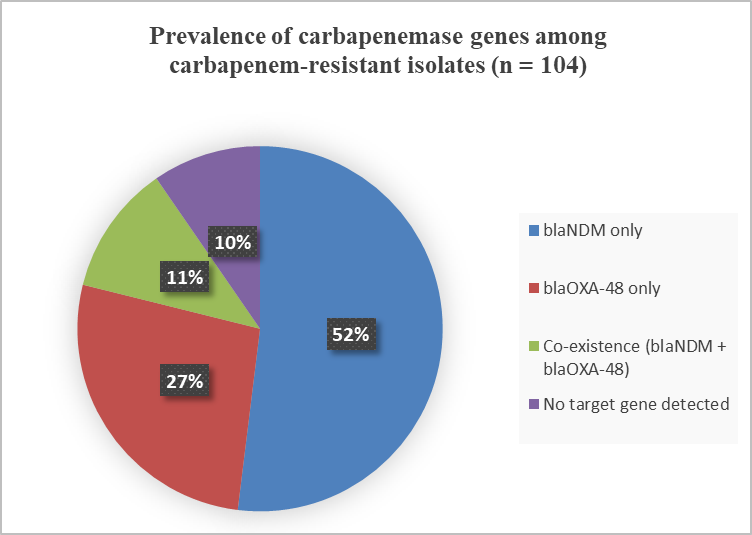
Figure 1: A pie chart showing the Prevalence of carbapenemase genes
among carbapenem-resistant isolates.
Regarding all Gram-negative isolates (n=308), the total prevalence of blaNDM was 21.4% (95% CI: 16.9-26.4), and that of blaOXA-48 was 13.0% (95% CI: 9.4-17.4). (Table 4)
Table 4: Overall prevalence in total isolates (n = 308)
|
Gene |
n (%) |
95% CI |
|
blaNDM |
66 (21.4%) |
16.9–26.4 |
|
blaOXA-48 |
40 (13.0%) |
9.4–17.4 |
The prevalence of carbapenemase genes in Gram-negative uropathogens indicated that Klebsiella pneumoniae had the highest proportion of blaNDM (33.3%) and blaOXA-48 (18.8%), and Escherichia coli had blaNDM (14.9%) and blaOXA-48 at 7.5%. In Pseudomonas aeruginosa, 21.1% of the isolates had blaNDM, and 10.5% had blaOXA-48, whereas Acinetobacter baumannii had 27.3% positivity in both genes. Collectively, other Gram-negative species had a rate of blaOXA-48 of 11.1% with no blaNDM detected. (Table 5)
Table 5. Distribution of carbapenemase genes by bacterial species
|
Species |
blaNDM n (%) |
blaOXA-48 n (%) |
|
Klebsiella pneumoniae (n=96) |
32 (33.3%) |
18 (18.8%) |
|
Escherichia coli (n=134) |
20 (14.9%) |
10 (7.5%) |
|
Pseudomonas aeruginosa (n=38) |
8 (21.1%) |
4 (10.5%) |
|
Acinetobacter baumannii (n=22) |
6 (27.3%) |
6 (27.3%) |
|
Others (n=18) |
0 |
2 (11.1%) |
The correlation between clinical factors and the presence of carbapenemase genes demonstrated that 64.1% of patients who had the gene-positive were males as opposed to 55.7% of patients with the gene-negative, with the difference not being significant (p = 0.18). The percentage of patients admitted to the ICU was significantly higher in the group of gene-positive patients (p < 0.001) and those who had received any antibiotics in the past 90 days (p < 0.001). Moreover, 74.4% of the patients with gene-positive patients and 47.0% with gene-negative patients were found to be under prolonged catheterization of over 7 days (p < 0.001). The prevalence of diabetes mellitus was 43.6% and 33.9% in gene-positive and gene-negative patients, respectively, although with no statistical significance (p = 0.11).
Table 6. Association of clinical factors with carbapenemase gene positivity (n = 308)
|
Variable |
Gene-positive (n=78) |
Gene-negative (n=230) |
p-value |
|
Male Gender |
50 (64.1%) |
128 (55.7%) |
0.18 |
|
ICU admission |
46 (59.0%) |
78 (33.9%) |
<0.001 |
|
Prior antibiotic exposure |
64 (82.1%) |
132 (57.4%) |
<0.001 |
|
Catheterization > 7 days |
58 (74.4%) |
108 (47.0%) |
<0.001 |
|
Diabetes mellitus |
34 (43.6%) |
78 (33.9%) |
0.11 |
The admission to the ICU was linked to an increased probability of positive gene results (p = 0.002). Carbapenemase gene carriage was more likely to be predicted by prior antibiotic exposure by 2.96 times (p = 0.001), and catheterization longer than 7 days was also significant (p = 0.006). However, diabetes mellitus was not an important independent predictor (p = 0.40). (Table 7)
Table 7. Binary logistic regression for predictors of carbapenemase gene carriage
|
Variable |
Adjusted OR (95% CI) |
p-value |
|
ICU admission |
2.48 (1.40–4.40) |
0.002 |
|
Prior antibiotic exposure |
2.96 (1.64–5.33) |
<0.001 |
|
Catheterization >7 days |
2.34 (1.28–4.26) |
0.006 |
|
Diabetes mellitus |
1.28 (0.71–2.29) |
0.40 |
DISCUSSION :
The present research included a total of 308 Gram-negative uropathogenic isolates in catheter-associated urinary tract infections, finding that about one third of the isolates resisted carbapenems by phenotypic screening, with blaNDM and blaOXA-48 genes present in 21.4% and 13.0% of total isolates, respectively. The results are consistent with regional reports, which show that blaNDM is the most widespread carbapenemase gene of Enterobacterales in Pakistan and the surrounding localities, although the proportions differ. Indicatively, a recent integrated clinical-environmental surveillance study in Karachi described blaOXA-48-like in 52.8% and blaNDM in 25% of carbapenem-resistant isolates in ICUs and high dependency units, demonstrating the local preeminence of both genes in high-risk settings and supporting the high levels of both genes in tertiary care settings in Pakistan.(16)
The high prevalence of blaNDM obtained in our study is also reflected by the profile reported in a 2025 molecular epidemiology of community and hospital-acquired urinary tract infections, where blaNDM was the dominant profile with 86.5% of CRE isolates and blaOXA-48 found in 11.5% .(17) This high predominance of blaNDM over blaOXA-48 is in line with several molecular surveillance studies in Asia, which have reported blaNDM to predominate among carbapenem-resistant organisms in the region.(18) Nevertheless, contrary to this, there was a higher percentage of blaOXA-48 (18%) compared to blaNDM-1 (44%) in clinical Klebsiella pneumoniae isolates, reported as Nigerian hospital data, indicating that the relative distribution of these genes may be geographically and locally antibiotic pressure dependent.(19)
The present study observation of high blaNDM rates in both K. pneumoniae and E. coli is consistent with one systematic review in Africa that found increasing pooled carbapenemase gene prevalence rates in clinical isolates, including blaOXA-48 variants, in K. pneumoniae.(20) Besides, comparable relations between ICU hospitalization, the history of antibiotic exposure, extended catheterization, and gene positivity highlight common risk factors with other research that identify antibiotic and invasive practices as the force behind the acquisition of carbapenemase producers. These clinical patterns mirror the international tendencies according to which exposure to healthcare and the utilization of devices largely promote the spread of resistance determinants.(18)
The development of blaNDM and blaOXA-48 in carbapenem-resistant Gram-negative isolates has also been previously reported in smaller studies within Pakistan, regionally. A study conducted in Rawalpindi indicated that blaNDM was the most widespread carbapenemase gene in carbapenem-resistant organisms identified in a large clinical population, with a minority of co-bearers bearing multiple carbapenemase genes.(21) Although we cannot make direct comparisons between CA UTIs and other clinical sources, this finding is supportive of our results, which give significant levels of blaNDM across uropathogenic organisms. It is interesting to note that some studies done in the past in Pakistan noted the broader distribution of genes and co-occurrence due to the dynamic nature of resistance gene epidemiology among various clinical and environmental reservoirs.(22)
Compared with other regions globally, comparative results indicate a variation in prevalent carbapenemase genes depending on setting and region. A multicenter survey study in Southwestern Nigeria identified both blaNDM and blaOXA-48 in K. pneumoniae isolates, but at varying distributions, as in our cohort of uropathogens.(19) Likewise, in Europe and the Middle East, there are studies with different patterns; blaOXA-48 genes were found more prevalent than blaNDM in K. pneumoniae isolates in Saudi hospitals, indicating regional variation in the prevalent resistance elements.(23) These variations emphasize the need to monitor the local conditions in surveillance because the spread of carbapenemase genes can vary with time and across healthcare settings.
The general incidence of carbapenem resistance and carbapenemase-producing genes in our CA UTI isolates is indicative of an alarming and increasing pattern of incidence in other regions of Asia and Africa, and it highlights the global public health danger of carbapenemase-producing organisms. All these trends highlight the necessity of customized approaches to antimicrobial stewardship and enhanced infection control measures to reduce the transmission of resistant genes in healthcare facilities. Ongoing molecular surveillance and region-specific information are important in informing empirical treatment, reducing the wrong use of antibiotics, and directing population health actions to limit the spread of carbapenemase-producing Gram-negative pathogens.
The presence of blaNDM and blaOXA-48 carbapenemase in Gram-negative uropathogens in catheter-associated urinary tract infection has made antimicrobial therapy especially challenging in tertiary care environments. Clinicians must note that traditional empirical treatments do not work in a considerable number of patients, particularly those who have been admitted to the ICU, exposed to antibiotics, or subjected to catheterization over an extended period. Timely, specific treatment can be provided early when these genes are detected rapidly; unwarranted antibiotic prescribing will be reduced, and further spread of carbapenem-resistant organisms prevented. These data highlight a critical role of enhancing hospital antimicrobial stewardship initiatives, introducing regular monitoring of multidrug-resistant pathogens, and streamlining infection control processes in order to reduce the transmission of carbapenemase-producing Gram-negative pathogens.
Limitations
This research has some limitations. First, it was carried out in one tertiary care center, and this could restrict the applicability of the results to other territories or healthcare environments. Second, molecular tests were restricted to blaNDM and blaOXA-48 genes; the rest of the carbapenemase genes, including blaKPC or blaVIM, were not tested, which may have underestimated the overall cost of carbapenem resistance. Third, clinical outcome data, such as response to therapy and long-term follow-up of the patient, were not described in detail, which makes it impossible to evaluate the direct clinical effects of these resistance genes. In spite of these shortcomings, the study offers valuable critical insights into epidemiology and risk factors of carbapenemase-producing Gram-negative uropathogens in the high-risk patient group.
CONCLUSION :
In this research, blaNDM and blaOXA-48 carbapenemase genes are prevalent among Gram-negative uropathogens in catheter-associated urinary tract infection, and ICU admission, prior antibiotic exposure, and extended catheterization are independent risk factors. BlaNDM predominance highlights the necessity of the urgency of molecular surveillance and focusing on the promotion of targeted infection control measures. The enhancement of antimicrobial stewardship programs and the deployment of quick diagnosis methods are necessary to inform effective treatment, limit the dissemination of multidrug-resistant organisms, and enhance patient outcomes. The results can serve as practical recommendations to clinicians and policymakers to fight the developing menace of carbapenem-resistant infections in Pakistan and other healthcare facilities in the world.
Conflict of Interest: None
Funding: None
Acknowledgment: None
BIBLIOGRAPHY:
1. Zeng Z, Zhan J, Zhang K, Chen H, Cheng S. Global, regional, and national burden of urinary tract infections from 1990 to 2019: an analysis of the global burden of disease study 2019. World Journal of Urology. 2022;40(3):755-63.
2. Magyar A, Tenke P, Köves B. Management of Catheter-Associated Urinary Tract Infections. Guide to Antibiotics in Urology: Springer; 2024. p. 125-40.
3. Taha AB. Bacterial etiology and antimicrobial resistance pattern of community-acquired urinary tract infection in older adults. Medicine in Microecology. 2024;22:100114.
4. Mancuso G, De Gaetano S, Midiri A, Zummo S, Biondo C. The challenge of overcoming antibiotic resistance in carbapenem-resistant gram-negative bacteria:“Attack on Titan”. Microorganisms. 2023;11(8):1912.
5. Umair M, Walsh TR, Mohsin M. A systematic review and meta-analysis of carbapenem resistance and its possible treatment options with focus on clinical Enterobacteriaceae: thirty years of development in Pakistan. Heliyon. 2024;10(7).
6. Verma A, Jain P, Tripathi P, Kalyan RK, Verma S, Venkatesh V. Outcomes in oxacillinases β-lactamases (OXA-48) and New Delhi metallo-β-lactamase (NDM-1)-producing, carbapenem-resistant Klebsiella pneumoniae isolates obtained from bloodstream infections. Cureus. 2022;14(7):e27197.
7. Ridley Z. The mobility and dissemination of blaOXA-48 and blaNDM carbapenemase genes within clinical Escherichia coli isolates. University of Nottingham.
8. Tilahun M, Kassa Y, Gedefie A, Ashagire M. Emerging carbapenem-resistant Enterobacteriaceae infection, its epidemiology and novel treatment options: a review. Infection and drug resistance. 2021:4363-74.
9. Hadjadj L, Syed MA, Abbasi SA, Rolain J-M, Jamil B. Diversity of carbapenem resistance mechanisms in clinical gram-negative bacteria in Pakistan. Microbial Drug Resistance. 2021;27(6):760-7.
10. Gondal AJ, Choudhry N, Bukhari H, Rizvi Z, Jahan S, Yasmin N. Estimation, evaluation and characterization of carbapenem resistance burden from a tertiary care hospital, Pakistan. Antibiotics. 2023;12(3):525.
11. Hussain Z, Naim A, Fatima A, Karim A, Jahanzeb M. Molecular and Phylogenetic Characterization of Carbapenemase-Producing Gram-Negative Bacteria from VAP Patients: With Structural Insights into OXA-48. 2025.
12. Limato R. A mixed-methods study of antibiotics use and prescribing dynamics in Indonesian hospitals: implications for antimicrobial stewardship: University of Oxford; 2023.
13. Nguyen NM. Investigating the dynamics of the not-so-silent antimicrobial resistance pandemic across One Health settings: University of Antwerp; 2025.
14. Sakagianni A, Koufopoulou C, Koufopoulos P, Feretzakis G, Kalles D, Paxinou E, et al. The synergy of machine learning and epidemiology in addressing carbapenem resistance: a comprehensive review. Antibiotics. 2024;13(10):996.
15. Pyakurel S, Ansari M, Kattel S, Rai G, Shrestha P, Rai KR, et al. Prevalence of carbapenemase-producing Klebsiella pneumoniae at a tertiary care hospital in Kathmandu, Nepal. Tropical medicine and health. 2021;49(1):78.
16. Hussain Z, Farooqui F, Ibrahim A, Baig S. Patients and Surfaces: Integrated Clinical–Environmental Surveillance of MDR Gram-Negative Bacteria in Critical-Care Units (Karachi, 2024–2025). Microorganisms. 2025;13(12):2762.
17. Razaq L, Uddin F, Alhilfi WA, Alorabi M, Sohail M. Molecular characterization of bla NDM and other carbapenemases genes among carbapenem-resistant Enterobacterales from community-and hospital-acquired urinary tract infections. BMC Infectious Diseases. 2025;25(1):1260.
18. Jayathilaka N, Shehana S, Nakkawita D, Senaratne T. Prevalence and molecular epidemiology of carbapenem resistance in Asia: a systematic review and meta-analysis. Systematic Reviews. 2025;14(1):123.
19. Onyeji CB, Enitan SS, Kemiki OA, Igwe AC, Adeniyi AA, Iduh MU, et al. Molecular detection of OXA-48 and NDM-1 carbapenemase genes among clinical isolates of Klebsiella pneumoniae recovered from patients attending a private tertiary hospital in Southwestern Nigeria. BMC Infectious Diseases. 2024;24(1):970.
20. Sisay A, Kumie G, Gashaw Y, Nigatie M, Gebray HM, Reta MA. Prevalence of genes encoding carbapenem-resistance in Klebsiella pneumoniae recovered from clinical samples in Africa: systematic review and meta-analysis. BMC Infectious Diseases. 2025;25(1):1-22.
21. Braun SD, Jamil B, Syed MA, Abbasi SA, Weiß D, Slickers P, et al. Prevalence of carbapenemase-producing organisms at the Kidney Center of Rawalpindi (Pakistan) and evaluation of an advanced molecular microarray-based carbapenemase assay. Future microbiology. 2018;13(11):1225-46.
22. Habib A, Lo S, Villageois-Tran K, Petitjean M, Malik SA, Armand-Lefevre L, et al. Dissemination of carbapenemase-producing Enterobacterales in the community of Rawalpindi, Pakistan. PLoS One. 2022;17(7):e0270707.
23. Alshahrani AM, Ibrahim ME, Aldossary AK, Alghamdi MA, Ahmed OB, Bin Abdulhak AA. Molecular Epidemiology of Carbapenem-resistant K. pneumoniae clinical isolates from the adult patients with comorbidities in a Tertiary Hospital, Southern Saudi Arabia. Antibiotics. 2022;11(12):1697.