Prevalence of non-alcoholic fatty liver disease in patients with heart failure with preserved ejection fraction
- Beenish Habibani , MBBS Resident Trainee Department of General MedicineLiaquat University of Medical & Health Sciences Hyde rabad
- Akbar Memon , FCPS Medicine Associate professor Department of Medicine Isra University Hospital Hyderabad
- Kamran Baig Memon , Senior Registrar Jahra Hospital, Kuwait
- Bushra Aqeel , MBBS, DipCard, MD (Cardiology) Assistant Professor Department of Cardiology Isra University Hospital, Hyderabad
- Anwar Hussain Abbasi , MBBS, FCPS (Medicine), FCPS (Gastroenterology) Associate professor Rawal Institute of Health Sciences, Islamabad
- Tanvir Ahmad Bhatti , Assistant Professor Department of General Surgery Rai Medical College Teaching Hospital Sargodha
- Shaheer Zafar , Postgraduate resident Department of Diagnostic Radiology Fauji Foundation Hospital, Rawalpindi
Article Information:
Abstract:
Objective: This study aims to determine the Prevalence of non-alcoholic fatty liver disease in patients with heart failure with preserved ejection fraction. Methodology: This was a cross-sectional study conducted in the Departments of General Medicine, Cardiology, and Gastroenterology & Hepatology from two tertiary care hospitals of Hyderabad. Heart failure with preserved ejection fraction (EF >50%) patients, age ≥30 and 80 years, and both males and females were included. The exclusion criteria for this study were HFrEF (EF <50%), chronic liver disease other than NAFLD, chronic lung or kidney disease, underlying cancer, use of chemotherapy/radiotherapy, patients on hormonal replacement therapy, and patients who do not consent to participate. Baseline and clinical data were collected and analysed using SPSS version 26.0.Results: A total of 1,338 patients were evaluated in the final analysis. The overall prevalence of NAFLD among HFpEF was 22.72% (n=303). There was no statistical difference in mean ages between the NAFLD and non-NAFLD groups. While NAFLD was more commonly observed in the age group of ≥40 years (64.14%, n=195). Patients with NAFLD mostly presented in NYHA class I – II (14.67%, n=167). HFpEF patients with NAFLD had thrombocytopenia (156.88±24.02), low albumin levels (2.01±0.8), higher FIB-4 score (2.96±0.22), and liver cirrhosis (10.52%, n=32) as compared to patients with non-NAFLD, p value <0.05.Conclusion: In this study, patients with NAFLD and HFpEF had significantly higher BMI, a greater prevalence of addiction, particularly to chewable tobacco, showed mild heart failure symptoms, and hepatic dysfunction. These findings suggest a strong link between metabolic risk, subclinical liver disease, and cardiac dysfunction in HFpEF patients.
Keywords:
Article :
INTRODUCTION:
Non-alcoholic fatty liver disease (NAFLD) occurs when there is excessive deposition of fat in the liver. Multiple factors contribute to the development of NFLD, particularly in patients with hyperlipidemia, metabolic syndrome, central obesity, hypothyroidism, diabetes mellitus, and women with polycystic ovarian syndrome (PCOS) (1).
Non-alcoholic fatty liver disease is getting global attention due to its increased burden, particularly in areas where obesity is common, such as the USA, Europe, the Middle East, and Asia. It was estimated that around 24% of the world population is suffering from NAFLD (2). In a previously published study, authors observed 12.5% increase in NAFLD cases from 1990 to 2019 (3). Surprisingly, Pakistan accounts for the lowest prevalence of NAFLD (14.8%) (4). The varied incidence of NAFLD in different studies is possibly due to dynamic changes in metabolic profile among them, as confirmed in the previously published study (5).
Heart failure with preserved ejection fraction (HFpEF) is a clinical syndrome seen in patients with normal ejection fraction (EF >50%) and caused by multiple factors such as myocardial ischemia, hypertension, diabetes mellitus, and age-related changes in the myocardium (6). Most of the risk factors coexist in patients suffering from heart failure with HFpEF and NAFLD. Association of HF with NALFD follows a step-wise pattern. The more risk factors, the higher the prevalence of NAFLD (7). The prevalence of NAFLD in patients with HFpEF may be observed in 50% of the patients (8). But, in a study conducted by Ajmal MR and colleagues, a higher prevalence (69.4%) of NAFLD in patients with HFpEF (9). Further evidence is seen by Yang Z and colleagues from China, in which the authors confirmed that NAFLD and HFpEF are both systemic diseases, and growing evidence shows that there is a close relationship between NAFLD and HFpEF (10). NAFLD may contribute to the development of HFpEF by enhancing systemic inflammation, releasing of other secretory factors, and having thicker epicardial adipose tissue (EAT) (11).
Co-existence of these two diseases may affect overall quality of life by worsening symptoms of heart failure, frequency hospitalization, and also may lead to death if not managed on time. The actual burden of NAFLD in HFpEF from Pakistan has not been evaluated by any local author, and the present gap is the leading factor in managing such patients. Considering the need for time and the present scientific gap, this study aims to determine the prevalence of non-alcoholic fatty liver disease in patients with heart failure with preserved ejection fraction presented at two tertiary care hospitals of Hyderabad, Pakistan.
PATIENTS & METHODS::
This was a cross-sectional study conducted in the Departments of General Medicine, Cardiology, and Gastroenterology & Hepatology from two tertiary care hospitals, Liaquat University of Medical & Health Sciences, Hyderabad, and Isra University Hospital, Hyderabad. We aim to include the maximum number of study participants before the selection of study participants. These two hospitals are the largest tertiary care hospitals in Hyderabad, where patients come not only from Hyderabad but also from all over the province, and cover millions of patients annually. This study was started after taking ethical approval from the hospital’s ethical review board (IRB: 20118/22), and every participant was consented after briefing them benefits of the study. The sample size was calculated based on literature using the highest NAFLD prevalence in patients with HFpEF (p=64.9%) (9) at the lowest precision, i.e., d=2% and 95% confidence level, using the following formula: n = z12-α2 p (1 - p)/d2. Here, p = proportion of NAFLD = 64.9%, z12-α2 = 1.96, and the calculated sample size was n = 1,338.
The inclusion criteria for this study were patients who presented or were admitted to the aforementioned departments with a diagnosis of heart failure with preserved ejection fraction (EF >50%) due to any underlying etiology, age more than 30 and 80 years, and both males and females. The exclusion criteria for this study were heart failure with reduced ejection fraction (EF <50%), chronic liver disease other than NAFLD, chronic lung or kidney disease, underlying cancer, use of chemotherapy/radiotherapy, patients on hormonal replacement therapy, and patients who did not consent to participate.
The diagnosis of NAFLD was made based on the medical document mentioning diagnosis, and or new cases were diagnosed using the clinical guidelines proposed by the European Association for the Study of the Liver (12). The diagnosis of heart failure with preserved ejection fraction was also made based on the previous medical record, and new cases were diagnosed using the recently published guidelines by the American College of Cardiology (13).
Data collection & analysis:
A structured questionnaire was used to collect the baseline and clinical data. Baseline data includes age, gender, body mass index (BMI), area of residence, addiction habits, and co-morbid conditions (hypertension, diabetes mellitus, coronary artery disease, and atrial fibrillation). Clinical data includes heart failure severity (NYHA class) and Hepatic evaluation (platelets, AST, ALT, INR, total bilirubin, albumin, FIB-4, NFS, and Cirrhosis by imaging).
Given the sample size, data were evaluated for normality and summarized with mean values or percentages as appropriate. The Kruskal–Wallis rank-sum test, Chi-square, Fisher’s exact, and t-tests were used to compare the differences in clinical variables between patients with and without NAFLD, and a p-value <0.05 was considered statistically significant.
RESULTS::
A total of 1,338 patients were evaluated in the final analysis. The overall prevalence of NAFLD among heart failure with preserved ejection fraction was 22.72% (n = 303). The overall mean age was 47.34±5.87 years, and there was no statistical difference in mean ages between the NAFLD and no NAFLD groups. While NAFLD was more commonly observed in the age group of ≥40 years (64.14%, n = 195). In our study, the distribution of male participants was more prevalent among both groups. Patients with NAFLD had higher BMI levels as compared to patients with no NAFLD, 29.30±4.19 kg/m2 VS. 26.57±7.05 kg/m2, respectively, p value <0.001. Our study also observed a higher percentage of NAFLD patients with some sort of addiction (43.75%, n = 133), and among them, the most common was the use of chewable tobacco (45.45%, n = 95), p-value <0.05. Table 1.
Table 1: Baseline and clinical characteristics of study subjects(N = 1,338)
|
Baseline |
Overall (1,338) |
NAFLD (n = 304) |
No NAFLD (n = 1034) |
p value |
|
Age - years |
||||
|
Mean±SD |
47.34±5.87 |
49.14±4.77 |
47.65±3.16 |
0.09 |
|
<40 |
496 (37.07%) |
109 (34.53%) |
387 (37.42%) |
|
|
≥40 |
842 (62.92%) |
195 (64.14%) |
647 (62.57%) |
0.22* |
|
Gender |
||||
|
Male |
799 (59.71% |
184 (60.52%) |
615 (59.47%) |
|
|
Female |
539 (51.92%) |
120 (39.47%) |
419 (40.52%) |
0.14* |
|
BMI - Kg/m2 |
||||
|
Mean±SD |
26.41±8.13 |
29.30±4.19 |
26.57±7.05 |
<0.001* |
|
Area of residence |
||||
|
Urban |
903 (67.48%) |
211 (69.40%) |
692 (66.92%) |
0.74 |
|
Rural |
435 (32.51%) |
93 (30.59%) |
342 (33.07%) |
|
|
Addiction habits, yes |
209 (15.62%) |
133 (43.75%) |
76 (7.35) |
<0.001* |
|
Type of addiction |
||||
|
Smoking |
69 (33.01%) |
38 (18.18%) |
31 (14.83%) |
0.06 |
|
Chewable tobacco† |
140 (66.98%) |
95 (45.45%) |
45 (21.53%) |
0.003* |
|
*p value <0.05 considered statistically significant |
||||
|
†Chewable tobbaco includes: Betel nuts, snuff, gutka |
||||
Graph 1 shows the association of heart failure severity with NAFLD. Patients with NAFLD mostly presented in NYHA class I – II (14.67%, n = 167). Heart failure patients with preserved ejection fraction had significant association with parameters of hepatic profile such as substantial proportion of patients with NAFLD had thrombocytopenia (156.88±24.02), low albumin levels (2.01±0.8), higher FIB-4 score (2.96±0.22), and more number of patients with liver cirrhosis (10.52%, n = 32) as compared to patients with no NAFLD, p value <0.05. Table 2.
Graph 1: Association of heart failure severity with NAFLD(N = 1,338)
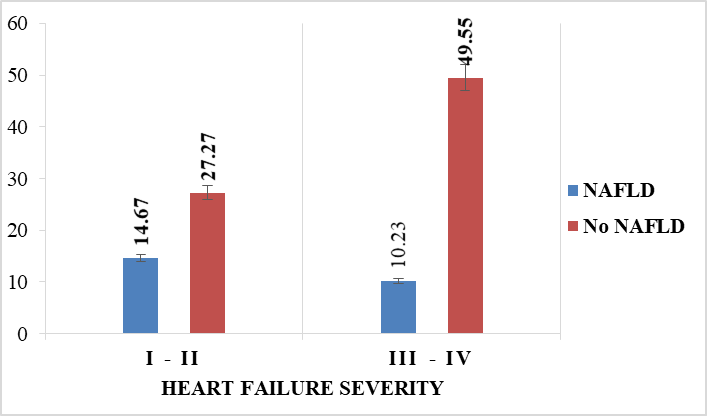
Table 2: Hepatic evaluation of Heart failure patients with NAFLD(N = 1,338)
|
Hepatic evaluation |
Overall |
NAFLD |
No NAFLD |
p value |
|
(n = 1,338) |
(n = 304) |
(n = 1034) |
||
|
Platelets |
198.33±28.91 |
156.88±24.02 |
185.33±19.20 |
<0.001* |
|
AST |
52.04±4.97 |
61.95±8.42 |
52.39±5.28 |
0.09 |
|
ALT |
68.13±9.25 |
70.01±8.22 |
67.18±8.77 |
0.25 |
|
Total bilirubin |
0.8.01±0.9 |
0.8.20±0.66 |
0.9.11±0.03 |
0.9 |
|
Albumin |
3.3±1.40 |
2.01±0.8 |
3.2±1.05 |
0.02* |
|
FIB-4 |
1.2±0.9 |
2.96±0.22 |
1.4±0.30 |
<0.001* |
|
Cirrhosis by imaging |
44 (3.28%) |
32 (10.52%) |
12 (1.16%) |
<0.001* |
|
*p value <0.05 considered statistically significant |
||||
DISCUSSION :
In the current analysis involving 1,338 patients, the prevalence of non-alcoholic fatty liver disease (NAFLD) among individuals diagnosed with heart failure with preserved ejection fraction (HFpEF) was 22.72% (n = 303). This notable proportion emphasizes a potential association between HFpEF and metabolic comorbidities such as NAFLD, reflecting the rising burden of metabolic syndrome in cardiovascular patients. In a previously published study, authors indicate even higher prevalence of NAFLD up to 50% in patients with HFpEF (14). NAFLD could be an independent risk factor contributing to myocardial stiffness in HFpEF. Furthermore, multiple studies show more than 40% prevalence of NAFLD in patients with HFpEF (15-17). Multiple reasons could contribute to an increased prevalence of NAFLD, but the most obvious is the presence of metabolic syndrome or diabetes mellitus that directly promotes the development of NAFLD. While some studies did not find any significant association between a higher prevalence of NAFLD in patients with HFpEF (18-20).
The overall mean age of participants was 47.34±5.87 years, indicating a middle-aged cohort. Importantly, there was no statistically significant difference in the mean age between the NAFLD and non-NAFLD groups, suggesting that age alone may not be the sole differentiating factor for the presence of NAFLD within this HFpEF population. However, a closer inspection of age stratification revealed that NAFLD was more prevalent among patients aged ≥40 years, comprising 64.14% (n = 195) of the NAFLD group. This finding aligns with existing literature where the prevalence of NAFLD tends to increase with age, particularly due to age-related metabolic changes and increased insulin resistance (21, 22). It supports the notion that while mean age might not differ significantly, age thresholds such as 40 years and above are clinically relevant in identifying at-risk populations.
In our study, most of the NAFLD patients presented with mild severity of the NYHA class (NYHA I – II). This can be confirmed by the previously published study in which the authors also observed mild heart failure symptoms in patients with NAFLD (17). Several interconnected factors are behind this phenomenon, such as in patients with HFpEF, systolic left ventricular function remains intact means the left ventricle becomes stiff but not dilated. Also, less physical activity among such patients masks their heart failure symptoms. And lastly, NAFLD patients’ bodies compensate for these changes for years, resulting in the delayed onset of overt heart failure symptoms (8, 10, 23, 24).
The current study highlights a significant association between hepatic dysfunction and HFpEF in patients with NAFLD, as evidenced by markedly lower platelet counts (156.88 ± 24.02), hypoalbuminemia (2.01 ± 0.8 g/dL), elevated FIB-4 scores (2.96 ± 0.22), and a higher prevalence of cirrhosis (10.52%) compared to non-NAFLD patients (p < 0.05). These findings are in line with previous studies such as those by Vilar-Gomez et al., which demonstrated that advanced fibrosis and portal hypertension in NAFLD manifest as thrombocytopenia and reduced synthetic liver function, including hypoalbuminemia (25). Elevated FIB-4 scores, as seen in the current study, are also consistent with So-Armah KA and colleagues’ findings associating this index with both liver fibrosis and diastolic dysfunction in the general population (26). Furthermore, the reported cirrhosis rate aligns with Alexander et al.'s large cohort analysis, where 7–12% of NAFLD patients progressed to cirrhosis, particularly in the presence of metabolic and cardiovascular comorbidities (27). This comparative evidence underscores the intertwined progression of hepatic and cardiac dysfunction in NAFLD-related HFpEF and supports the need for integrated cardiovascular-hepatologic assessment in such patients.
CONCLUSION :
In conclusion, this study underscores a significant association between non-alcoholic fatty liver disease (NAFLD) and hepatic dysfunction in patients with heart failure with preserved ejection fraction (HFpEF). The presence of NAFLD was linked with key indicators of impaired liver function. These findings highlight the need for routine hepatic evaluation in HFpEF patients, especially those with metabolic risk factors, to enable early detection and management of coexisting liver pathology. Integrating hepatologic assessments into the standard care of HFpEF may improve risk stratification and guide more comprehensive treatment approaches for this high-risk population.
Conflict of interest:
None
Funding:
None
Author’s contribution:
All authors contributed significantly to the development of this study. The study was conceptualized and designed by Dr. Beenish, Dr. Akbar, and Dr. Kamran, who also oversaw data collection and initial manuscript drafting. Dr. Bushra, Dr. Anwar, Dr. Tanvir, and Dr. Shaheer contributed to data analysis, interpretation of results, and literature review. All authors reviewed and approved the final manuscript and agree to be accountable for all aspects of the work.
BIBLIOGRAPHY:
1. Huh Y, Cho YJ, Nam GE. Recent Epidemiology and Risk Factors of Nonalcoholic Fatty Liver Disease. J Obes Metab Syndr. 2022;31(1):17-27.
2. Younossi Z, Anstee QM, Marietti M, Hardy T, Henry L, Eslam M, et al. Global burden of NAFLD and NASH: trends, predictions, risk factors and prevention. Nature Reviews Gastroenterology & Hepatology. 2018;15(1):11-20.
3. Younossi ZM, Golabi P, Paik JM, Henry A, Van Dongen C, Henry L. The global epidemiology of nonalcoholic fatty liver disease (NAFLD) and nonalcoholic steatohepatitis (NASH): a systematic review. Hepatology. 2023;77(4):1335-47.
4. Ghani RA, Saqlain M, Zafar MM, Jabeen S, Naqvi SM, Raja GK. Identification of Metabolic risk phenotypes predisposing to Non-Alcoholic Fatty Liver Disease in a Pakistani Cohort. Pak J Med Sci. 2017;33(1):121-6.
5. Lin Y, Feng X, Cao X, Miao R, Sun Y, Li R, et al. Age patterns of nonalcoholic fatty liver disease incidence: heterogeneous associations with metabolic changes. Diabetol Metab Syndr. 2022;14(1):181.
6. Hamo CE, DeJong C, Hartshorne-Evans N, Lund LH, Shah SJ, Solomon S, et al. Heart failure with preserved ejection fraction. Nat Rev Dis Primers. 2024;10(1):55.
7. Chiu LS, Pedley A, Massaro JM, Benjamin EJ, Mitchell GF, McManus DD, et al. The association of non-alcoholic fatty liver disease and cardiac structure and function-Framingham Heart Study. Liver Int. 2020;40(10):2445-54.
8. Miller A, McNamara J, Hummel SL, Konerman MC, Tincopa MA. Prevalence and staging of non-alcoholic fatty liver disease among patients with heart failure with preserved ejection fraction. Sci Rep. 2020;10(1):12440.
9. Ajmal MR, Yaccha M, Malik MA, Rabbani MU, Ahmad I, Isalm N, et al. Prevalence of nonalcoholic fatty liver disease (NAFLD) in patients of cardiovascular diseases and its association with hs-CRP and TNF-α. Indian Heart J. 2014;66(6):574-9.
10. Yang Z, Tian R, Zhang X-J, Cai J, She Z-G, Li H. Effects of treatment of non-alcoholic fatty liver disease on heart failure with preserved ejection fraction. Frontiers in Cardiovascular Medicine. 2023;Volume 9 - 2022.
11. Cai J, Zhang XJ, Li H. The Role of Innate Immune Cells in Nonalcoholic Steatohepatitis. Hepatology. 2019;70(3):1026-37.
12. EASL-EASD-EASO Clinical Practice Guidelines for the management of non-alcoholic fatty liver disease. J Hepatol. 2016;64(6):1388-402.
13. Heidenreich PA, Bozkurt B, Aguilar D, Allen LA, Byun JJ, Colvin MM, et al. 2022 AHA/ACC/HFSA Guideline for the Management of Heart Failure: A Report of the American College of Cardiology/American Heart Association Joint Committee on Clinical Practice Guidelines. Circulation. 2022;145(18):e895-e1032.
14. Itier R, Guillaume M, Ricci JE, Roubille F, Delarche N, Picard F, et al. Non-alcoholic fatty liver disease and heart failure with preserved ejection fraction: from pathophysiology to practical issues. ESC Heart Fail. 2021;8(2):789-98.
15. Salah HM, Pandey A, Soloveva A, Abdelmalek MF, Diehl AM, Moylan CA, et al. Relationship of Nonalcoholic Fatty Liver Disease and Heart Failure With Preserved Ejection Fraction. JACC: Basic to Translational Science. 2021;6(11):918-32.
16. Miller A, McNamara J, Hummel SL, Konerman MC, Tincopa MA. Prevalence and staging of non-alcoholic fatty liver disease among patients with heart failure with preserved ejection fraction. Sci Rep. 2020;10(1):12440.
17. Fudim M, Zhong L, Patel KV, Khera R, Abdelmalek MF, Diehl AM, et al. Nonalcoholic Fatty Liver Disease and Risk of Heart Failure Among Medicare Beneficiaries. J Am Heart Assoc. 2021;10(22):e021654.
18. Roderburg C, Krieg S, Krieg A, Vaghiri S, Mohr R, Konrad M, et al. Non-Alcoholic Fatty Liver Disease (NAFLD) and risk of new-onset heart failure: a retrospective analysis of 173,966 patients. Clinical Research in Cardiology. 2023;112(10):1446-53.
19. Li W, Wen W, Xie D, Qiu M, Cai X, Zheng S, et al. Association between non-alcoholic fatty liver disease and risk of incident heart failure: a meta-analysis of observational studies. Therapeutic Advances in Chronic Disease. 2022;13:20406223221119626.
20. Mantovani A, Byrne CD, Benfari G, Bonapace S, Simon TG, Targher G. Risk of Heart Failure in Patients With Nonalcoholic Fatty Liver Disease. JACC. 2022;79(2):180-91.
21. Lin Y, Feng X, Cao X, Miao R, Sun Y, Li R, et al. Age patterns of nonalcoholic fatty liver disease incidence: heterogeneous associations with metabolic changes. Diabetology & Metabolic Syndrome. 2022;14(1):181.
22. Mitrovic B, Gluvic Z, Obradovic MM, Radunovic M, Rizzo M, Banach M, et al. Non-alcoholic fatty liver disease, metabolic syndrome, and type 2 diabetes mellitus: where do we stand today? Archives of Medical Science. 2023;19(4):884-94.
23. Minhas AMK, Bhopalwala HM, Dewaswala N, Salah HM, Khan MS, Shahid I, et al. Association of Non-Alcoholic Fatty Liver Disease With in-Hospital Outcomes in Primary Heart Failure Hospitalizations With Reduced or Preserved Ejection Fraction. Current Problems in Cardiology. 2023;48(8):101199.
24. Inciardi RM, Mantovani A, Targher G. Non-Alcoholic Fatty Liver Disease as an Emerging Risk Factor for Heart Failure. Current Heart Failure Reports. 2023;20(4):308-19.
25. Vilar-Gomez E, Chalasani N. Non-invasive assessment of non-alcoholic fatty liver disease: Clinical prediction rules and blood-based biomarkers. J Hepatol. 2018;68(2):305-15.
26. So-Armah KA, Lim JK, Lo Re V, 3rd, Tate JP, Chang CH, Butt AA, et al. FIB-4 stage of liver fibrosis is associated with incident heart failure with preserved, but not reduced, ejection fraction among people with and without HIV or hepatitis C. Prog Cardiovasc Dis. 2020;63(2):184-91.
27. Alexander M, Loomis AK, van der Lei J, Duarte-Salles T, Prieto-Alhambra D, Ansell D, et al. Non-alcoholic fatty liver disease and risk of incident acute myocardial infarction and stroke: findings from matched cohort study of 18 million European adults. Bmj. 2019;367:l5367.