Robotic Assistance in Joint Replacement Surgery: Precision, Learning Curve and Early Functional Outcomes
- Zhang Bo , Faculty of Medicine, Dentistry, and Health Sciences, Prima Indonesia University
- Gusbakti Rusip , Faculty of Medicine, Dentistry, and Health Sciences, Prima Indonesia University
- Gilbert Lister , Faculty of Medicine, Dentistry, and Health Sciences, Prima Indonesia University
Article Information:
Abstract:
The article reviews the evidence on robotic assistance in joint replacement surgery, providing a critical synthesis of findings that emphasizes precision, learning curve and early functional results. The design used was a secondary paper design. Only review and meta-analysis papers were used to frame the literature review. Still, the findings were obtained based on 18 primary empirical studies of robotic total knee arthroplasty, noncompartmental knee arthroplasty and total hip arthroplasty. Thematic analysis revealed four related themes: enhanced reproducibility of implant positioning, a short but system-sensitive learning curve, inconsistent translation into early function, and a plausible safety mechanism when tissue is safeguarded. Robotic systems most consistently reduced radiological outliers and assisted with component placement. But other studies have provided inconclusive evidence for improved early functional outcomes, and some of the positive studies have single-surgeon cohorts with short follow-up or surrogate endpoints. These results imply that robotic assistance should be conceptualized as an enabling technology as opposed to being an autonomous assurance of patient benefit.
Keywords:
Article :
INTRODUCTION:
Digital planning, navigation and robotic execution continue to influence joint replacement surgery. In orthopaedics, robotic systems have been designed to minimize variability in bone preparation, restore targets of interest, limit iatrogenic tissue damage and make technically challenging procedures more repeatable. The main clinical issue is not whether implants can be correctly placed with a robot, but whether this approach is safer, leads to faster recovery, results in safer surgery, and yields long-term functional benefit. The literature review articles used as a context constantly demonstrate that robotic total knee arthroplasty (TKA), unicompartmental knee arthroplasty (UKA) and total hip arthroplasty (THA) could be used to achieve improved radiological accuracy, but could be more cautious with pain, patient-reported outcomes and survivorship (Agarwal et al., 2020; Bensa et al., 2025; Chin et al., 2021; Clement et al., 2020; Sun et al., 2021). Recent reviews of the learning curve also show that adoption barriers are more concentrated in operational time and workflow than in constraints on reproducing planned alignment once the system is operational (Pujol et al., 2025).
LITERATURE REVIEW
Secondary literature thus contextualizes robotic assistance as a control intervention having ambiguous clinical implementation. Clement et al. (2020) found encouraging signals of accuracy and survivorship with imageless robotic knee arthroplasty, but noted limited long-term evidence. Similar results were obtained in other studies by Agarwal et al. (2020) and Chin et al. (2021), who found improvements in alignment and reductions in outliers, but also warned that clinical scores were heterogeneous and frequently underpowered. In pooled analyses, Bensa et al. (2025) found that robotic THA outperformed cup placement and reduced complications compared to manual THA. However, clinical scores did not substantially exceed those of manual THA. In the case of UKA, Sun et al. (2021) found lower complication and revision signals in robotic cases, but the results were based on observational evidence. The review papers were excluded from the analysis of findings. They worked solely to identify the research gap: robotic precision is continually demonstrated, but the magnitude, mechanism and reliability of early functional benefit remain uncertain. Critical reading of the review literature also reveals the fact that there is a contested meaning of precision. Other reviews define precision more narrowly as fewer degrees of variation on a target, whereas others relate it to a longer chain of balanced gaps, repositioned limbs and minimised complications. This difference is significant because a robot can reproduce a plan with all the key elements, even though that very plan can be questioned. Mechanical alignment, kinematic alignment and functional alignment may all be performed using robotic tools, but they are based on varying assumptions about normality and acceptable variation. The secondary papers, hence, justify the need to synthesize studies that investigate not only the existence or absence of accuracy but also the strength of study methodologies to link accuracy to recovery.
METHODOLOGY:
A secondary research design was used. The peer-reviewed English-language literature published mainly between 2014 and 2025 was targeted. Primary empirical design, joint replacement surgery, use of robotic assistance, reporting at least one outcome related to precision, learning curve, workflow, safety, pain or early function were inclusion criteria. Narrative reviews, meta-analyses, editorials and non-arthroplasty studies were excluded. The final findings corpus included 18 primary studies: eight TKA studies, six THA studies and four UKA studies. The data were extracted by design, type of operation, robotic platform (where mentioned), outcome domain and methodological limitation. Familiarisation was followed by thematic analysis, open coding, grouping into themes and an interpretive comparison. In Figure 1, the evidence separation to be employed to ensure that review papers are not counted as evidence of findings is explained. The use of thematic analysis was suitable, as the studies were too heterogeneous to be summarized with a single statistical summary. They comprised randomized trials, matched cohorts, retrospective comparisons, cadaveric experiments and early feasibility designs. All studies were read based on both the direction of the outcome and methodological credibility. The assignment of codes did not occur just because a study recorded a positive result. As an example, a cohort with lower pain was coded as early function, but also evidence of limitations on the presence of a cohort with lower pain. This enabled the synthesis to compare methods and results, as well as the surgeon's experience and institutional workflow, which is necessary in a field where the platforms linked to industry, the surgeon's experience, and the workflow in his or her institution can also shape the outcome
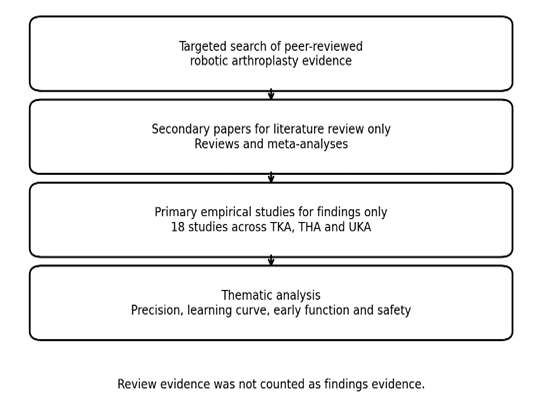
Figure 1 Secondary review workflow and separation of literature review and evidence-based findings streams
Findings: Thematic Analysis of Primary Studies
The main studies were consolidated into four themes. Figure 2 indicates that precision and alignment were the themes, followed by evidence limits and learning curve. This distribution is important because it demonstrates that the best evidence concerns technical performance, whereas patient-centred recovery has yet to be fully proven. A recurring pattern of opposition is also demonstrated in the table, with references to technical and clinical endpoints. Those studies which had the most coherent positive results tended to measure cup angle, resection accuracy, limb alignment or radiographic outliers. Research that quantified patient-reported outcomes, such as pain or functional scores, was rather mixed. This contrast led to the interpretation of all four themes.
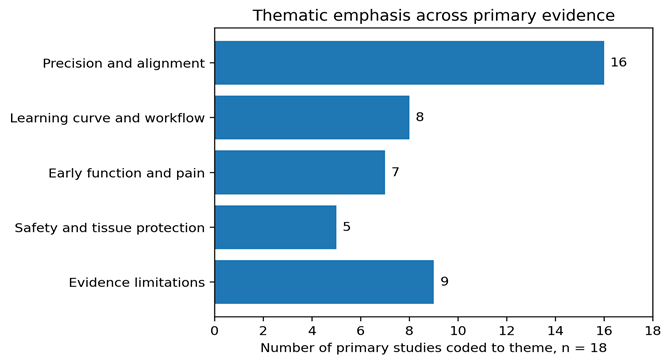
Figure2 Thematic coding frequency across 18 primary studies
Table 1 Primary studies were coded in the finding’s synthesis.
|
Study |
Design |
Main Finding |
Method Critique |
|
Kayani Et Al., 2018a |
Prospective TKA Cohort |
Lower Pain, Faster Straight-Leg Raise, And Shorter Discharge After Robotic-Arm TKA. |
Sequential Single-Surgeon Design Limits Causal Certainty. |
|
Kayani Et Al., 2018b |
Prospective TKA Cohort |
Less Macroscopic Bone And Soft Tissue Trauma With Robotic-Arm TKA. |
The Tissue Injury Scale Is Mechanistic, Not A Long-Term Outcome. |
|
Kayani et al., 2019 |
Learning-curve tka cohort |
Workflow curve of about seven cases; no accuracy learning penalty. |
High-volume expert settings may not generalise. |
|
Grau et al., 2019 |
Workflow tka cohort |
Operative time improved with workflow optimisation. |
Ethe efficiencyendpoint mis ore prominent than the patient function. |
|
Bhimani et al., 2020 |
Retrospective tka cohort |
Reduced early pain and opioid use after robotic tka. |
Short follow-up and non-randomised design. |
|
Hasegawa et al., 2024 |
Retrospective tka comparison |
Navio and rosa are both accurate, with small system-specific differences. |
No manual control group. |
|
Rajasekaran et al., 2024 |
Comparative tka cohort |
Fewer radiological outliers with imageless robotic tka; similar early function. |
Minimum six-month follow-up. |
|
Le guen et al., 2025 |
Retrospective tka learning curve |
Short learning curve for robotic tka efficiency. |
Retrospective and system-specific. |
|
Domb et al., 2014 |
Matched tha study |
Robotic assistance improved the accuracy of acetabular cup placement. |
A matched design cannot eliminate all selection bias. |
|
Domb et al., 2015 |
Large comparative tha analysis |
Robotic and navigation guidance improved the consistency of cup positioning. |
Technique groups were heterogeneous. |
|
Redmond et al., 2016 |
Tha accuracy cohort |
Robotic plans predicted cup position, leg length and offset with useful accuracy. |
Radiographic validation rather than a clinical outcome focus. |
|
Ando et al., 2021 |
Tha for dysplasia comparison |
Robotic-arm tha improved cup position versus ct navigation in difficult anatomy. |
Special population limits generalisability. |
|
Tian et al., 2024 |
Randomized multicentre tha trial |
Better cup safety-zone placement, but no superior harris hip score. |
Experienced centres may reduce clinical differences. |
|
Liu et al., 2025 |
First-in-human tha pilot |
Pinless fluoroscopic robotic tha achieved accurate cup placement and early safety. |
Very small sample of 19 patients. |
|
Blyth et al., 2017 |
Randomized uka analysis |
Robotic uka showed early pain advantages. |
Exploratory secondary analysis. |
|
Batailler et al., 2019 |
Uka case-control study |
Better implant position and lower alignment outliers; fewer revisions numerically. |
Observational and revision events were limited. |
|
Kazarian et al., 2021 |
Radiological uka comparison |
Robotic uka reduced radiological outliers versus manual uka. |
Radiology-centred endpoint. |
|
St mart et al., 2022 |
Prospective uka cohort |
Excellent short-term proms, 100 percent survivorship and 20-case learning curve. |
No control group and short follow-up. |
Theme 1: Precision and Alignment
The most uniform benefit was precision. In TKA, THA and UKA, robotic assistance tended to increase the reproduction of planned component locations or reduce alignment outliers. In TKA, robotic systems demonstrated the ability to make precise cuts in bones and to position and fix components. Still, the studies varied in comparison due to the robotic platform used and the comparison group. Hasegawa et al. (2024) is particularly handy in that it not only did not consider all robots the same but also compared NAVIO and ROSA. It was discovered not that one type of generic robotics is better than the others, but rather that system design influences the distribution of error. In THA, Domb et al. (2014), Domb et al. (2015), Redmond et al. (2016), Tian et al. (2024), Ando et al. (2021), and Liu et al. (2025) supported more reliable acetabular positioning, particularly when anatomy or access makes manual placement difficult. However, the method critique is noteworthy: radiographic accuracy is a surrogate; CT-based measurements are not interchangeable with radiograph-based measurements, and several studies involved expert surgeons or even early cohorts. In the UKA, Batailler et al. (2019), Kazarian et al. (2021), and St Mart et al. (2022) have associated robotic assistance with better component positioning. However, survivorship issues are more relevant with longer follow-up. Another aspect of the comparison is that the gains in precision were most convincing when objective imaging or blinded measurement was used in the study. Nevertheless, the evidence generated by truthful imaging may yield a limited evidential framework. Only when it decreases instability, impingement, wear, the risk of revision or recovery time can a two-degree difference in cup placement be technically impressive; in effect, it can be called clinically significant. The results then warrant a conservative hierarchy: high-precision evidence is robust, but unless the clinical interpretation of such high precision is provided, it remains conditional.
Theme 2: Learning Curve and Workflow
The learning curve was no longer dreaded but was less than expected. Kayani et al. (2019) identified seven cases of workflow integration in robotic-arm TKA. In contrast, Grau et al. (2019) demonstrated that operational efficiency improved as the team optimized preparation, positioning and registration. Short learning curves identified by Le Guen et al. (2025) and St Mart et al. (2022) are not, however, associated with any threshold. This difference demonstrates that the learning curve is not a constant figure. The robotic platform determines it; the entire theatre team and the complexity of the case, as well as the measured outcome, can be operative time, component accuracy or clinical score. What is vital is that, compared with theatre efficiency, accuracy seems less likely to be adopted early. This lends credence to the notion that robotic systems inhibit technical error but do not eliminate human-factors work. Evidence of the learning curve also implies that the adoption of robots in the early years has to be evaluated at the team level. The scrub staff, radiographers, engineers or company representatives, in addition to the surgeon, are involved in registration, draping, imaging, pin placement, calibration, troubleshooting and data interpretation. Research that uses a seven-case learning curve might not necessarily transfer to a smaller hospital with low case volume or limited technical support. On the other hand, centres with high volumes might shorten the learning curve and make robotic surgery less challenging for first-time adopters. This is why anything said to be on a learning curve ought to be presented with the platform's setting and staff familiarity in mind.
Theme 3: Early Functional Outcomes
There was promise, with inconsistent evidence of early functional benefit. Kayani et al. (2018) reported lower pain, greater straight-leg raise, and shorter hospital discharge time with robotic-arm TKA. Other symptoms that Bobhimani et al. (2020) discovered are decreased first pain and opioid consumption. Blyth et al. (2017) described the benefits of early pain in a randomized trial analysis in the UKA. Other studies, however, also demonstrated equivalent functional scores, even though radiological accuracy was superior in such cases. For example, A Tian et al. (2024) found better acetabular cup positioning in robotic THA, with no significant difference in postoperative Harris Hip Score. Similar short-term clinical benefit was also noted, but there was better radiological consistency with robotic TKA (Rajasekaran et al., 2024). This opposition invalidates any hominid claim that accuracy is, by default, functional. Figure 3 shows a more conservative route proposal, as indicated by the synthesis: robotic guidance improves technical reproducibility, which may help protect tissues and promote their early recovery in cases where rehabilitation, case selection and workflow are also favourable. This theme is the most cautious to address methodologically. Anaesthesia, multimodal analgesia, physiotherapy pathways and patient expectation affect the pain scores and discharge readiness. Ceiling effects may also manifest after a successful arthroplasty, making it harder to prove that it is more effective than a good manual procedure. That is why the sources of early functional benefits should not be categorically dismissed but instead understood as situation-specific rather than automatic. The best investigations will be required to relate accuracy, tissue restoration and recovery phases within the same study.
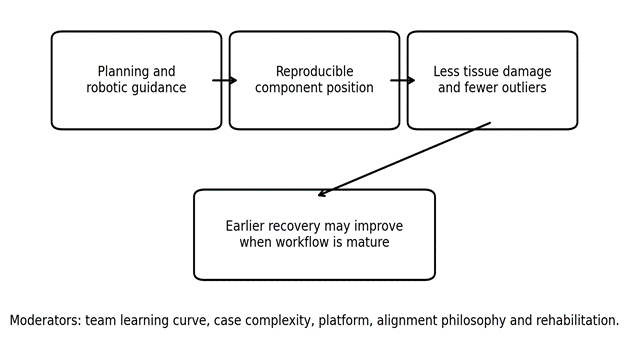
Figure 3 Conceptual pathway from robotic precision to possible early functional recovery.
Theme 4: Safety and Tissue Protection
There was a plausible safety benefit, though the evidence was indirect. In a blinded cadaveric comparison, Kayani et al. (2018) reported less macroscopic bone and soft tissue trauma with robotic-arm TKA, and Hampp et al. (2019) found less soft tissue damage. These studies provide evidence of a mechanism associated with lower pain and faster early mobilisation. Still, the evidence remains incomplete because the scales of cadaveric injury and inpatient recovery short-term markers do not prove a long-term impairment or long-term implant survival. This is a stronger inference: the robotic haptic boundaries could lead to avoidable trauma, not that all robots will recover more quickly
DISCUSSION :
based literature reviews, agrees that precision is the most tangible advantage of robotic arthroplasty. It, too, argues against a widespread promotional interpretation of that literature. Agarwal et al. (2020), Bensa et al. (2025), and reviews by Clement et al. (2020) and Agarwal et al. (2020) indicate it is technologically superior. However, it carries a stronger warning about clinical outcomes, as supported by the primary studies included in this article. The current data indicate that radiological precision is neither a process enhancement nor associated with satisfactory patient outcomes. The gap can be explained using a structure-process-outcome model developed by Donabedian. The robotic platform is a structural resource, precision bone preparation is a process outcome and pain, functioning and survivorship are patient outcomes. Process-level improvement may be diluted by patient variables, the philosophy of alignment, the quality of rehabilitation and the length of follow-up (Donabedian, 1988). It would also explain why the current study places greater emphasis on convergent evidence rather than isolated positive results. The technical finding is strong when several primary studies are conducted in TKA, THA and UKA, and the positioning is improved. Where functional outcomes vary across designs, the correct conclusion is not that robotics does not work, but that patient selection, quality, and the measurement of the pathway are mediating variables.
The results are also compatible with the learning-curve and diffusion-of-innovation theory. Rogers (2003) suggested that the adoption costs are based on the perceived advantage, complexity, compatibility and observability. Planning and accuracy have a visible relative advantage in Robotic arthroplasty, but appear complex by considerations of registration, pin placement, imaging requirements, theatre flow and cost. This is why studies have indicated that learning curves are short when using accuracy or operative time as the measure. The technology does not merely get implemented by the individual surgeon. An operating team and hospital system take it on.
A comparison of the current study with the past literature also reveals that pooled conclusions can conceal clinically important differences. The TKA involves studies at various alignment philosophies, such as mechanical, functional and patient-specific. THA studies include CT-based, fluoroscopic and pinless systems. Studies (UKA) tend to be very accurate as the process is extremely sensitive to the location of components, but are mostly observational. Thus, future studies must provide a comparison between platforms, not necessarily robot and manual surgery. It must also focus on blinded outcome assessment, longer follow-up, cost-effectiveness, and minimally clinically important changes, rather than merely statistically significant radiographic angles. To practice, the implication is that hospitals cannot use robotic systems just on the guarantee that it would result in higher patient-reported scores. Better reasons are quality standardisation in complicated or high-risk cases, data capture for audit and training, and the value of reproducing planning. In the case of research, the implication is that in future research studies, predefining what mechanism they are testing: accuracy, tissue protection, workflow efficiency, patient recovery or survivorship. In the absence of such transparency, there is a risk that research might generate technically excellent and clinically vague results.
CONCLUSION :
Robotics aids in joint replacement surgery, enhancing technical accuracy and can be embraced once an acceptable level of learning has been achieved. The best cases of preventing early tissue damage and full-fledged workflow have been reported, but these are not universal. The evidence suggests that robotic arthroplasty is being used as a device for the reproducible execution of a surgical plan, not as a substitute for sound indication, surgical judgement or rehabilitation. The most powerful conclusion is hence balanced: the robot's crest of excellent surgery makes repeated operations more precise, relying on how it makes choices, learns and extends into care.
REFERENCES:
1. Agarwal, N., To, K., McDonnell, S., & Khan, W. (2020). Clinical and radiological outcomes in robotic-assisted total knee arthroplasty: A systematic review and meta-analysis. The Journal of Arthroplasty, 35(11), 3393-3409.e2.
2. Ando, W., Takao, M., Hamada, H., Uemura, K., & Sugano, N. (2021). Comparison of the accuracy of the cup position and orientation in total hip arthroplasty for osteoarthritis secondary to developmental dysplasia of the hip between the Mako robotic arm-assisted system and computed tomography-based navigation. International Orthopaedics, 45(7), 1719-1725. https://doi.org/10.1007/s00264-021-05015-3
3. Batailler, C., White, N., Ranaldi, F. M., Neyret, P., Servien, E., & Lustig, S. (2019). Improved implant position and lower revision rate with robotic-assisted unicompartmental knee arthroplasty. Knee Surgery, Sports Traumatology, Arthroscopy, 27, 1232-1240. https://doi.org/10.1007/s00167-018-5081-5
4. Bensa, A., Pagliazzi, G., Miele, A., Schiavon, G., Cuzzolin, M., & Filardo, G. (2025). Robotic-assisted total hip arthroplasty provides greater implant placement accuracy and lower complication rates. However, it does not yield superior clinical results compared with the conventional manual approach: A systematic review and meta-analysis. The Journal of Arthroplasty. https://doi.org/10.1016/j.arth.2024.12.014
5. Bhimani, S. J., Bhimani, R., Smith, A., Eccles, C., Smith, L., & Malkani, A. (2020). Robotic-assisted total knee arthroplasty demonstrates decreased postoperative pain and opioid usage compared to conventional total knee arthroplasty. Bone & Joint Open, 1(2), 8-12. https://doi.org/10.1302/2633-1462.12.BJO-2019-0004.R1
6. Blyth, M. J. G., Anthony, I., Rowe, P., Banger, M. S., MacLean, A., & Jones, B. (2017). Robotic arm-assisted versus conventional unicompartmental knee arthroplasty: Exploratory secondary analysis of a randomised controlled trial. Bone & Joint Research, 6(11), 631-639. https://doi.org/10.1302/2046-3758.611.BJR-2017-0060.R1
7. Chin, B. Z., Tan, S. S. H., Chua, K. C. X., Budiono, G. R., Syn, N. L., & O'Neill, G. K. (2021). Robot-assisted versus conventional total and unicompartmental knee arthroplasty: A meta-analysis of radiological and functional outcomes. The Journal of Knee Surgery, 34(10), 1064-1075.
8. Clement, N. D., Al-Zibari, M., Afzal, I., Deehan, D. J., & Kader, D. (2020). A systematic review of imageless hand-held robotic-assisted knee arthroplasty: Learning curve, accuracy, functional outcome and survivorship. EFORT Open Reviews, 5(5), 319-326. https://doi.org/10.1302/2058-5241.5.190065
9. Domb, B. G., Bitar, Y. F., Sadik, A. Y., Stake, C. E., & Botser, I. B. (2014). Comparison of robotic-assisted and conventional acetabular cup placement in THA: A matched-pair controlled study. Clinical Orthopaedics and Related Research, 472(1), 329-336. https://doi.org/10.1007/s11999-013-3253-7
10. Domb, B. G., Redmond, J. M., Louis, S. S., Alden, K. J., Daley, R. J., LaReau, J. M., Petrakos, A. E., & Gui, C. (2015). Accuracy of component positioning in 1980 total hip arthroplasties: A comparative analysis by surgical technique and mode of guidance. The Journal of Arthroplasty, 30(12), 2208-2218. https://doi.org/10.1016/j.arth.2015.06.059
11. Donabedian, A. (1988). The quality of care: How can it be assessed? JAMA, 260(12), 1743-1748.
12. Grau, L., Lingamfelter, M., Ponzio, D., Post, Z., Ong, A., Le, D., & Orozco, F. (2019). Robotic arm assisted total knee arthroplasty workflow optimization, operative times and learning curve. Arthroplasty Today, 5(4), 465-470. https://doi.org/10.1016/j.artd.2019.04.007
13. Hampp, E. L., Sodhi, N., Scholl, L., Deren, M. E., Yenna, Z., Westrich, G., & Mont, M. A. (2019). Less iatrogenic soft-tissue damage utilizing robotic-assisted total knee arthroplasty when compared with a manual approach: A blinded assessment. Bone & Joint Research, 8(10), 495-501. https://doi.org/10.1302/2046-3758.810.BJR-2019-0129.R1
14. Hasegawa, M., Tone, S., Naito, Y., & Sudo, A. (2024). Comparison of accuracy and early outcomes in robotic total knee arthroplasty using NAVIO and ROSA. Scientific Reports, 14, 3192. https://doi.org/10.1038/s41598-024-53789-4
15. Kayani, B., Konan, S., Huq, S. S., Tahmassebi, J., & Haddad, F. S. (2019). Robotic-arm-assisted total knee arthroplasty has a learning curve of 7 cases for integration into the surgical workflow, but no learning-curve effect on implant positioning accuracy. Knee Surgery, Sports Traumatology, Arthroscopy, 27(4), 1132-1141. https://doi.org/10.1007/s00167-018-5138-5
16. Kayani, B., Konan, S., Pietrzak, J. R. T., & Haddad, F. S. (2018). Iatrogenic bone and soft tissue trauma in robotic-arm assisted total knee arthroplasty compared with conventional jig-based total knee arthroplasty: A prospective cohort study and validation of a new classification system. The Journal of Arthroplasty, 33(8), 2496-2501. https://doi.org/10.1016/j.arth.2018.03.042
17. Kayani, B., Konan, S., Tahmassebi, J., Pietrzak, J. R. T., & Haddad, F. S. (2018). Robotic-arm assisted total knee arthroplasty is associated with improved early functional recovery and reduced time to hospital discharge compared with conventional jig-based total knee arthroplasty: A prospective cohort study. The Bone & Joint Journal, 100-B(7), 930-937. https://doi.org/10.1302/0301-620X.100B7.BJJ-2017-1449.R1
18. Kazarian, G. S., Barrack, R. L., Barrack, T. N., Lawrie, C. M., & Nunley, R. M. (2021). Radiological outcomes following manual and robotic-assisted unicompartmental knee arthroplasty. Bone & Joint Open, 2(3), 171-177. https://doi.org/10.1302/2633-1462.23.BJO-2020-0205.R1
19. Le Guen, A., Mouton, A., Auberger, G., Le Strat, V., Marmor, S., & Aubert, T. (2025). Short learning curve associated with robotic total knee arthroplasty: A retrospective study. Journal of Experimental Orthopaedics. https://doi.org/10.1002/jeo2.70401
20. Liu, D., Kamath, A. F., Cholewa, J., Stoenica, L., Anderson, M. B., & Lennox, H. (2025). Cup accuracy and early-term clinical outcomes of a novel, pinless, robotic-assisted total hip arthroplasty system: A first-in-human pilot study. Arthroplasty, 7. https://doi.org/10.1186/s42836-025-00299-x
21. Pujol, O., Minguell, J., Pijoan, J., Aguilar, M., Reverte, M., Plomer, M., Garcia-Albo, E., & Joshi, N. (2025). Learning curve of robotic-assisted total knee arthroplasty: A literature review. Journal of Robotic Surgery, 19, 411.
22. Rajasekaran, S., Soundarrajan, D., Singh, R., Shiferaw, B. A., Rajasekaran, R. B., Dhanasekararaja, P., & Rajkumar, N. (2024). Comparison of imageless robotic assisted total knee arthroplasty and conventional total knee arthroplasty: Early clinical and radiological outcomes of 200 knees. Journal of Robotic Surgery, 18, 151. https://doi.org/10.1007/s11701-024-01905-x
23. Redmond, J. M., Gupta, A., Hammarstedt, J. E., Petrakos, A., Stake, C. E., & Domb, B. G. (2016). Accuracy of component placement in robotic-assisted total hip arthroplasty. Orthopedics, 39(3), e549-e552. https://doi.org/10.3928/01477447-20160404-06
24. Rogers, E. M. (2003). Diffusion of innovations (5th ed.). Free Press.
25. St Mart, J.-P., Goh, E. L., Goudie, E., Crawford, R., English, H., & Donnelly, W. (2022). Clinical and radiological outcomes of robotic-assisted unicompartmental knee arthroplasty: Early lessons from the first 100 consecutive knees in 85 patients. The Knee, 34, 195-205. https://doi.org/10.1016/j.knee.2021.11.016
26. Sun, Y., Liu, W., Hou, J., Hu, X., & Zhang, W. (2021). Does robotic-assisted unicompartmental knee arthroplasty have lower complication and revision rates than the conventional procedure? A systematic review and meta-analysis. BMJ Open, 11, e044778. https://doi.org/10.1136/bmjopen-2020-044778
27. Tian, R., Gao, X., Kong, N., Li, X., Li, Y., Wang, J., Cao, Y., Shi, Z., Wang, K., & Yang, P. (2024). A new seven-axis robotic-assisted total hip arthroplasty system improves component positioning: A prospective, randomized, multicenter study. Scientific Reports, 14, 12643. https://doi.org/10.1038/s41598-024-63624-