Clinical predictors of severe pneumonia in children under five years of age: an observational study from a tertiary care hospital of Nawabshah
- Azizullah Langah , Associate Prof, Department of Pediatrics, Peoples University of Medical Sciences, Nawabshah, District Shaheed Benazirabad
- Ameer Ali Jamali , Associate Prof, Department of Pediatrics, Peoples University of Medical Sciences, Nawabshah, District Shaheed Benazirabad.
- Naseer Ahmad Memon , Associate Prof, Department of Pediatrics, Peoples University of Medical Sciences, Nawabshah, District Shaheed Benazirabad.
- Ali Akbar Siyal , Professor, Department of Pediatrics, Peoples University of Medical Sciences, Nawabshah, District Shaheed Benazirabad.
- Arshad Ali Lakho , Senior Registrar, Department of Pediatrics, Peoples University of Medical Sciences, Nawabshah, District Shaheed Benazirabad.
- Mubasher Hussain , Senior Registrar, Department of Pediatrics, Peoples University of Medical Sciences, Nawabshah, District Shaheed Benazirabad.
Article Information:
Abstract:
Pneumonia remains a major cause of morbidity and mortality among children under five years of age, with the highest burden in low- and middle-income countries. In resource-limited settings, delayed recognition of severe disease contributes significantly to poor outcomes, highlighting the importance of simple, reliable clinical predictors for early triage. Objective: To identify clinical predictors associated with severe pneumonia among children under five years of age presenting to a tertiary care hospital in Nawabshah, Pakistan. Methodology: This hospital-based observational study was conducted in the Department of Pediatrics, Peoples University of Medical & Health Sciences for Women, Nawabshah, District Shaheed Benazirabad, over an eight-month period starting in February 2024. Children aged 2–59 months presenting with community-acquired pneumonia were enrolled consecutively. Demographic variables, clinical signs, nutritional status, and oxygen saturation at presentation were recorded. Data were analyzed using SPSS version 26. Frequencies and percentages were calculated, and multivariable logistic regression analysis was performed to identify independent predictors of severe pneumonia. Results: A total of 370 children were included, of whom 142 (38.4%) had severe pneumonia. Hypoxaemia was present in 68.3% of severe cases compared with 17.5% of non-severe cases. Lower chest wall indrawing (89.4% vs. 38.6%), inability to feed (47.2% vs. 13.6%), altered level of consciousness (26.8% vs. 3.9%), and undernutrition (63.4% vs. 34.2%) were significantly more frequent in severe disease. Hypoxaemia emerged as the strongest independent predictor. Conclusion: Simple bedside clinical signs, particularly hypoxaemia and chest wall indrawing, reliably identify children at high risk of severe pneumonia and may improve early clinical decision-making in resource-constrained settings
Keywords:
Article :
INTRODUCTION:
Despite advances in preventive and therapeutic strategies, pneumonia continues to be one of the most common causes of morbidity and mortality among children under five years of age worldwide (1). About 14-15% of all under-five deaths are due to pneumonia globally, associated with approximately 700,000-750,000 yearly mortalities, mainly among low- and middle-income countries. Almost 80% of deaths from pneumonia occur among children less than two years of age, which especially indicates a higher susceptibility within this age bracket. Correspondingly, South Asia accounts for approximately 30-35% of the global childhood pneumonia burden alone, reflecting persisting inequities in child health outcomes (2, 3).
Pakistan is one of the top five contributors to global mortality from childhood pneumonia. (4) According to national estimates, the percentage of deaths due to pneumonia among under-five children is around 18–20%. Hospital-based studies conducted in Pakistan reveal that 20–30% of all pediatric admissions are due to pneumonia, and 25–40% of the cases that are admitted fulfill criteria for severe or very severe disease (5). Despite the pneumococcal and Haemophilus influenzae type b vaccines being included in the Expanded Programme on Immunization, severe pneumonia is still prevalent due to delayed presentation to healthcare services, malnutrition (nearly 40–50% among hospitalized children), non-exclusive breastfeeding, and indoor air pollution (6).
The mortality rates for severe pneumonia are disproportionately high, with case fatality rates of 5-15% compared to less than 2% among the non-severe cases. Clinical predictors associated with poor outcomes in various international and regional reports include hypoxaemia, reported in 30-50% of hospitalized cases, and severe chest indrawing at admission, estimated at 45-60%, inability to feed, at 20-30%, altered consciousness, at 10-15%, and central cyanosis, at 5-10% (7-9). So far, the frequency and prognostic value of the abovementioned predictors have varied across settings due to variations in nutrition, comorbidities, health-seeking behavior, and supportive care.
In resource-constrained settings like interior Sindh, early recognition of children with the risk of developing severe pneumonia is of crucial importance for timely escalation of care and optimum utilization of available resources. The international prediction criteria might not completely hold good for local disease patterns. Thus, assessment of the frequency and predictive value of easily identifiable clinical markers in under-five children presenting with pneumonia to a tertiary care hospital in Nawabshah is very much scientifically justified. Context-specific evidence generated will enhance clinical decision-making, ensure better triaging accuracy, and thereby potentially avoid many preventable morbidities and mortalities in such a high-risk population.
METHODOLOGY :
This study spans eight months, beginning February 2024 and ending September 2024, from the Pediatric Department of Peo- ples University of Medical Sciences (PUMS), Nawabshah, Sindh, Pakistan. Children aged 2 months to 59 months presenting to the pediatric emergency department or admitted to the pediatric medical wards to have the diagnosis of commu- nity acquired pneumonia are the study population. WHO pneumon- ia/severe pneumonia criteria are the ones adopted for the study. WHO uses age-specific fast breathing, presence of lower chest wall idrawing, and general danger signs. This study aims to assess what are the clinical predictors of severe pneumonia during the time of presen- tation.
Inclusion criteria included all children aged 2 to 59 months who were presented with cough and /or difficulty in breathing and met the WHO clinical definition of pneumonia. It involved both male and female children. Patients with community-acquired infection were only included and children had to be assessed within the first 24 hours of hospital presentation in order to make accurate measurements of baseline clinical predictors. Parents or legal guardians signed an informed consent form before the enrollment.
The exclusion criterion was that the children should be less than 2 months or more than 59 months old, and any underlying condition that was known to independently impact on respiratory status or severity of disease. They were congenital heart disease, chronic lung disease, bronchial asthma, neuromuscular disease, known or suspected immunodeficiency (including malignancy or long-term corticosteroid therapy) and genetic syndromes. Children who had hospital-acquired pneumonia i.e. pneumonia onset after 48 hours of hospital stay because of another disease were excluded. The patients with incomplete clinical records or whose parents or guardians refused to give consent were also left out.
Enrolment was made in order of eligibility, so that selection bias was minimised. An elaborate clinical evaluation was conducted on trained pediatric residents under the guidance of consultant pediatricians at presentation, and before commencing definitive therapy where clinically feasible. The demographic data were noted such as age and sex. Clinical assessment, which was concerned with respiratory rate, lower chest wall indrawing, nasal flaring, grunting, head nodding, central cyanosis, oxygen saturation in room air, feeding capacity, and conscious state. The weight-for-age classification was used to determine the nutritional status. Patients were classified to either severe or non-severe pneumonia based on the first clinical findings.
Data Collection
The data were prospectively gathered on a predesigned pretested proforma that was structured. The recording of all clinical variables was done at the first evaluation to eliminate the bias of treatment. Calibrated pulse oximeters were used to determine oxygen saturation on room air. The patient outcomes that included need of supplemental oxygen, admission of the intensive care unit, and in-hospital mortality were recorded during their hospital stay. To reduce data integrity issues, the completed proformas were checked on a daily basis to be complete and consistent and the discrepancies were resolved by checking with the medical records.
Statistical Analysis
Statistical calculation was done by use of the Statistical Package of the Social Sciences (SPSS) version 26. Continuous variables were evaluated to be normal and were presented in the form of mean±standard deviation or median and interquartile range, as necessary. The frequencies and percentages were used to summarize the categorical variables. The chi-square test or Fisher exact test of categorical variables and the independent samples t-test or Mann-Whitney U test of continuous variables were used in making comparisons between children with severe and non-severe pneumonia. Univariate analysis variables whose p-value was less than 0.05 were incorporated in a multivariate logistic regression model to determine independent clinical predictors of severe pneumonia. Calculation of adjusted odds ratio accompanied with confidence interval (95 percent) was done and the p-value below 0.05 was regarded as significant
RESULTS:
A total of 370 children aged 2–59 months diagnosed with community-acquired pneumonia were enrolled during the study period. The mean age was 18.6 ± 11.4 months, with 226 (61.1%) children younger than 24 months. Males constituted 212 (57.3%) of the cohort, while 158 (42.7%) were females. Overall, 142 children (38.4%) fulfilled criteria for severe pneumonia, whereas 228 (61.6%) were classified as having non-severe pneumonia. Table 1 & Graph 1
Table 1. Demographic characteristics of children with pneumonia (n = 370)
|
Variables |
Frequency (%) |
|
Age <24 months |
226 (61.1) |
|
Age ≥24 months |
144 (38.9) |
|
Male |
212 (57.3) |
|
Female |
158 (42.7) |
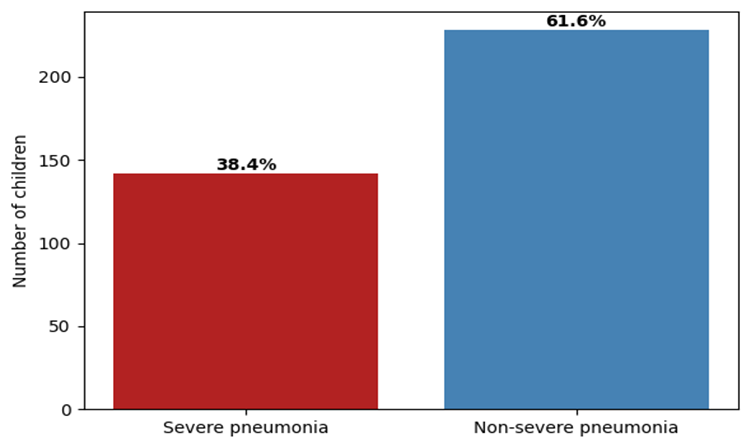
Figure 1. Distribution of pneumonia severity among enrolled children
Children with severe pneumonia had a markedly higher frequency of key clinical predictors compared with non-severe cases. Hypoxaemia (68.3% vs. 17.5%), lower chest wall indrawing (89.4% vs. 38.6%), and undernutrition (63.4% vs. 34.2%) were substantially more common among severe cases. Additionally, inability to feed (47.2% vs. 13.6%) and altered consciousness (26.8% vs. 3.9%) were predominantly observed in children with severe pneumonia. Table 2.
Table 2. Comparison of clinical features between severe and non-severe pneumonia
|
Clinical feature |
Severe pneumonia n=142 (%) |
Non-severe pneumonia n=228 (%) |
|
Hypoxaemia |
97 (68.3) |
40 (17.5) |
|
Chest wall indrawing |
127 (89.4) |
88 (38.6) |
|
Inability to feed |
67 (47.2) |
31 (13.6) |
|
Altered consciousness |
38 (26.8) |
9 (3.9) |
|
Undernutrition |
90 (63.4) |
78 (34.2) |
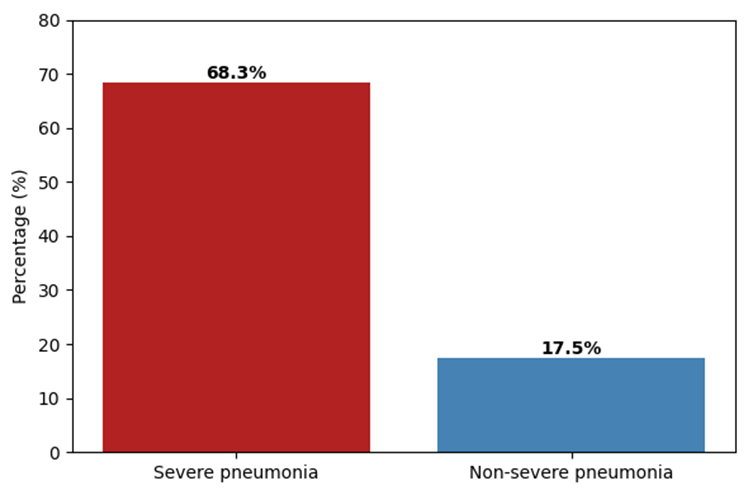
Figure 2 demonstrates a markedly higher prevalence of hypoxaemia among children with severe pneumonia, affecting 68.3% of cases, compared with 17.5% among children with non-severe pneumonia, indicating a strong association between hypoxaemia and disease severity.
Figure 2. Hypoxaemia among severe vs non-severe pneumonia
Hypoxaemia was the strongest independent predictor of severe pneumonia (AOR 5.92; 95% CI: 3.61–9.72). Other significant predictors included altered level of consciousness (AOR 4.87; 95% CI: 2.19–10.82), lower chest wall indrawing (AOR 4.18; 95% CI: 2.41–7.25), inability to feed (AOR 3.46; 95% CI: 2.01–5.96), and undernutrition (AOR 2.31; 95% CI: 1.41–3.79), confirming their independent association with severe pneumonia. Table 3.
Table 3. Multivariable logistic regression analysis showing independent predictors of severe pneumonia
|
Predictors |
Adjusted OR |
95% CI |
|
Hypoxaemia |
5.92 |
3.61–9.72 |
|
Chest wall indrawing |
4.18 |
2.41–7.25 |
|
Inability to feed |
3.46 |
2.01–5.96 |
|
Altered consciousness |
4.87 |
2.19–10.82 |
|
Undernutrition |
2.31 |
1.41–3.79 |
Figure 3 shows that hypoxaemia was the strongest independent predictor of severe pneumonia (AOR 5.92), followed by altered level of consciousness (AOR 4.87) and lower chest wall indrawing (AOR 4.18). Inability to feed (AOR 3.46) and undernutrition (AOR 2.31) were also independently associated with severe pneumonia, indicating a graded increase in risk with worsening clinical status.
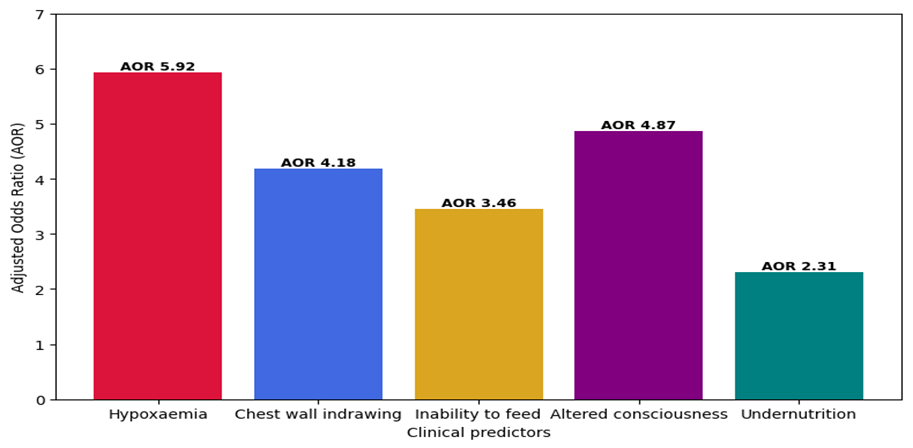
Figure 3. Independent predictors of severe pneumonia (adjusted odds ratios)
DISCUSSION :
The main aim of the research was to determine clinical predictors of severe pneumonia among children less than five years of age who reported to a tertiary care hospital in Nawabshah. In this group of 370 children over a third (n = 142, 38.4%) were found with severe pneumonia, indicating a high level of advanced disease on first presentation. The evaluations showed that the presence of certain, easily discernible clinical characteristics was much more common in children with severe pneumonia as well as related to the severity of the disease independently.
In line with the available literature, a significant percentage of the affected children was below the age of 24 months (n = 226, 61.1%). In Pakistani hospital based studies, similar age distributions have been described in which about 60-70% of the children who are admitted with pneumonia are under the age of two years (10, 11). Similar tendencies are observed in international data on South Asia and sub-Saharan Africa, which highlights the increased susceptibility of infants and young toddlers to severe lower respiratory tract infections; because their immune reactions are not yet fully developed and because they are more exposed to environmental risk factors (12).
The most important clinical predictor in the current study was hypoxaemia. In 97 (68.3%) of those with severe pneumonia and 40 (17.5%) of those with non-severe cases, it was observed and it was found to be the strongest independent predictor on multivariate analysis. In Pakistani studies, the hypoxemia in hospitalized pneumonia had been reported at about 30-50 percent, with higher rates in severe diseases and close rates of association with mortality. Hypoxaemia is also found in international literature as one of the factors that predetermine poor outcomes, which also proves the urgency of regular pulse oximetry in emergency care in pediatrics (13-15).
Eighty-nine of every hundred children with severe pneumonia had lower chest wall indrawing, versus 88 of every hundred with non-severe pneumonia. This distinguishing difference correlates with the national statistics where chest indrawing has been said to be present in 70-90% of severe cases of pneumonia (16). Similar results in low/middle-income nations suggest that chest indrawing is still considered one of the most delicate clinical manifestations of severe disease especially in resource-restrained environments (17).
Children with severe pneumonia were also found to have signs of systemic infections much more often. The feeding inabilities were observed in 67 (47.2%) severe cases and in 31 (13.6%) non-severe cases, whereas altered level of consciousness could be observed in 38 (26.8%) and 9 (3.9%), respectively. Pakistani and international studies have also reported similar frequencies with these features strongly related to respiratory failure, intensive care admission and mortality. Their prognostic value and use in normal severity assessment criteria is supported by international evidence (18, 19).
Malnutrition was detected in 168 (45.4%) children total and it was very high among children with severe pneumonia (n = 90, 63.4%) than the non-severe ones (n = 78, 34.2%). Malnutrition in pneumonia hospitalized Pakistani children is a consistent report of 40-60% malnutrition, and worse and severe among malnourished children. Under nutrition is a contributing factor to pneumonia associated morbidity and mortality in the world, particularly South Asia and Africa, increasing the severity of the disease and the delay of recovery (20, 21).
The overall in-hospital mortality in this study was 4.9% (n=18), with the death rate being significantly higher among the children affected by severe pneumonia (11.3%) than the children affected by the non-severe disease (0.9%). These are relatively comparable numbers to mortality rates observed in tertiary care centers in Pakistan and other low resources environments yet are still higher than the mortality rates in the high-income countries. This difference is probably an indication of late presentation, increased incidence of hypoxemia and malnutrition, and restricted access to end-of-life respiratory care (22-24)..
CONCLUSION :
A significant proportion of children under five presented with severe pneumonia, with hypoxaemia, chest wall indrawing, altered consciousness, inability to feed, and undernutrition identified as key independent predictors. Early recognition of these simple clinical signs can enable timely intervention and improve outcomes in resource-limited settings..
REFERENCES:
1. Marangu D, Zar HJ. Childhood pneumonia in low-and-middle-income countries: An update. Paediatr Respir Rev. 2019;32:3-9.
2. M S, Vaithilingan S. Childhood Pneumonia in Low- and Middle-Income Countries: A Systematic Review of Prevalence, Risk Factors, and Healthcare-Seeking Behaviors. Cureus. 2024;16(4):e57636.
3. Chen SJ, Walker PJ, Mulholland K, Graham HR. Childhood pneumonia in humanitarian emergencies in low- and middle-income countries: A systematic scoping review. J Glob Health. 2022;12:10001.
4. Hazir T. An interview with Tabish Hazir: Pneumonia: No. 1 killer of Pakistan's children. Bull World Health Organ. 2008;86(5):330-1.
5. Suhag ZH, Pal A, Naeem M, Ahmed I, Khuwaja NA, Khakwani S, et al. Outcome and management of children with chest indrawing pneumonia at primary health care settings in Pakistan: an observational cohort study. J Glob Health. 2025;15:04096.
6. Sharif H, Jan SS, Sharif S, Seemi T, Naeem H, Rehman J. Respiratory Diseases' Burden in children and adolescents of marginalized population: A retrospective study in slum area of Karachi, Pakistan. Front Epidemiol. 2022;2:1031666.
7. Al-Dalfi MHK, Al Ibraheem SAH, Al-Rubaye AKQ. The severity of pneumonia and its association with socio-demographic factors among children under five years old in Wasit governorate hospitals, Iraq. J Public Health Afr. 2023;14(8):2674.
8. Troeger C, Blacker B, Khalil IA, Rao PC, Cao J, Zimsen SRM, et al. Estimates of the global, regional, and national morbidity, mortality, and aetiologies of lower respiratory infections in 195 countries, 1990–2016: a systematic analysis for the Global Burden of Disease Study 2016. The Lancet Infectious Diseases. 2018;18(11):1191-210.
9. Ahmed S, Ariff S, Muhammed S, Rizvi A, Ahmed I, Soofi SB, et al. Community case management of fast-breathing pneumonia with 3 days oral amoxicillin vs 5 days cotrimoxazole in children 2-59 months of age in rural Pakistan: A cluster randomized trial. J Glob Health. 2022;12:04097.
10. Khan AJ, Hussain H, Omer SB, Chaudry S, Ali S, Khan A, et al. High incidence of childhood pneumonia at high altitudes in Pakistan: a longitudinal cohort study. Bull World Health Organ. 2009;87(3):193-9.
11. Mir F, Ariff S, Bhura M, Chanar S, Nathwani AA, Jawwad M, et al. Risk Factors for Acute Respiratory Infections in Children Between 0 and 23 Months of Age in a Peri-Urban District in Pakistan: A Matched Case-Control Study. Front Pediatr. 2021;9:704545.
12. Turner C, Turner P, Carrara V, Burgoine K, Tha Ler Htoo S, Watthanaworawit W, et al. High Rates of Pneumonia in Children under Two Years of Age in a South East Asian Refugee Population. PLoS One. 2013;8(1):e54026.
13. Rahman AE, Hossain AT, Nair H, Chisti MJ, Dockrell D, Arifeen SE, et al. Prevalence of hypoxaemia in children with pneumonia in low-income and middle-income countries: a systematic review and meta-analysis. Lancet Glob Health. 2022;10(3):e348-e59.
14. McCollum ED, Ahmed S, Roy AD, Islam AA, Schuh HB, King C, et al. Risk and accuracy of outpatient-identified hypoxaemia for death among suspected child pneumonia cases in rural Bangladesh: a multifacility prospective cohort study. The Lancet Respiratory Medicine. 2023;11(9):769-81.
15. Nemani T, Awasthi S. Malnutrition and anaemia associated with hypoxia among hospitaized children with community-acquired pneumonia in North India. Clinical Epidemiology and Global Health. 2016;4:S17-S21.
16. Hazir T, Qazi S, Nisar YB, Ansari S, Maqbool S, Randhawa S, et al. Assessment and management of children aged 1-59 months presenting with wheeze, fast breathing, and/or lower chest indrawing; results of a multicentre descriptive study in Pakistan. Arch Dis Child. 2004;89(11):1049-54.
17. Wilkes C, Graham H, Walker P, Duke T. Which children with chest-indrawing pneumonia can be safely treated at home, and under what conditions is it safe to do so? A systematic review of evidence from low- and middle-income countries. J Glob Health. 2022;12:10008.
18. Ma Y, Fan S, Xi J. Recent updates regarding the management and treatment of pneumonia in pediatric patients: a comprehensive review. Infection. 2025;53(6):2341-59.
19. Sharif H, Jan SS, Sharif S, Seemi T, Naeem H, Rehman J. Respiratory Diseases' Burden in children and adolescents of marginalized population: A retrospective study in slum area of Karachi, Pakistan. Frontiers in Epidemiology. 2023;Volume 2 - 2022.
20. Ginsburg AS, Izadnegahdar R, Berkley JA, Walson JL, Rollins N, Klugman KP. Undernutrition and pneumonia mortality. Lancet Glob Health. 2015;3(12):e735-6.
21. Kirolos A, Blacow RM, Parajuli A, Welton NJ, Khanna A, Allen SJ, et al. The impact of childhood malnutrition on mortality from pneumonia: a systematic review and network meta-analysis. BMJ Global Health. 2021;6(11):e007411.
22. Ngari MM, Fegan G, Mwangome MK, Ngama MJ, Mturi N, Scott JAG, et al. Mortality after Inpatient Treatment for Severe Pneumonia in Children: a Cohort Study. Paediatr Perinat Epidemiol. 2017;31(3):233-42.
23. Hooli S, King C, McCollum ED, Colbourn T, Lufesi N, Mwansambo C, et al. In-hospital mortality risk stratification in children aged under 5 years with pneumonia with or without pulse oximetry: A secondary analysis of the Pneumonia REsearch Partnership to Assess WHO REcommendations (PREPARE) dataset. International Journal of Infectious Diseases. 2023;129:240-50.
24. Hooli S, King C, McCollum E, Colbourn T, Lufesi N, Mwansambo C, et al. In-Hospital Mortality Risk Stratification in Children Under 5 Years Old with Pneumonia with or without Pulse Oximetry: A Secondary Analysis of the Pneumonia REsearch Partnership to Assess WHO REcommendations (PREPARE) Dataset. International Journal of Infectious Diseases. 2023.