Factors Influencing Postsurgical Acute Pain And Its Pharmacological Management Among Patient Undergoing Elective Surgeries At Tertiary Care Hospital: A Cross-Sectional Study.
- Sahibzada Adnan ahmad , Department of Anesthesia, Khyber Teaching Hospital Peshawar.
- Ishtiaq Ahmad , Department of Anesthesia, Khyber Teaching Hospital Peshawar.
- Muhammad Javed Khan , Department of Anesthesia, Khyber Teaching Hospital Peshawar.
- Fazal Wadood , Department of Anesthesia, Khyber Teaching Hospital Peshawar.
- Umbrin Naz , Department of Anesthesia, Khyber Teaching Hospital Peshawar.
- Shahid Maqsood , Department of Anesthesia, Khyber Teaching Hospital Peshawar.
Article Information:
Abstract:
Background: Postoperative acute pain remains a common challenge in clinical practice and can delay recovery, prolong hospital stay, and reduce patient satisfaction after elective surgical procedures. Identifying factors that contribute to acute pain and evaluating the effectiveness of pharmacological pain strategies are essential to improve outcomes. Material and Method: This cross-sectional analytical study included 235 patients undergoing elective surgeries at a tertiary care hospital. Demographic data, anaesthesia type, ASA status, preoperative pain, surgery type, and analgesic techniques were recorded. Pain within 24 hours post-surgery was assessed using the Numeric Rating Scale (NRS). Multivariable logistic regression analysis was used to determine predictors of moderate to severe postoperative pain (NRS ≥4) with 95% Confidence Intervals and p-values. Results: The findings showed that 36.2% of patients experienced moderate to severe acute pain in the first 24 hours. Orthopaedic surgery (AOR 2.8; 95% CI 1.7–4.6; p < 0.001), preoperative pain (AOR 3.2; 95% CI 1.9–5.5; p < 0.001), ASA III status (AOR 2.1; 95% CI 1.0–4.2; p = 0.046), general anaesthesia (AOR 1.9; 95% CI 1.1–3.3; p = 0.02) and chronic opioid use (AOR 3.5; 95% CI 1.4–8.9; p = 0.007) were significantly associated with higher pain risk. Multimodal analgesia significantly reduced pain risk (AOR 0.4; 95% CI 0.2–0.7; p = 0.001). Conclusion: Acute postoperative pain is influenced by multiple patient and surgical factors. The use of multimodal analgesia is protective and improves pain outcomes. Early identification of high-risk patients and routine use of combined analgesic protocols may help reduce pain severity, opioid side effects, and improve postoperative recovery.
Keywords:
Article :
INTRODUCTION:
Healthcare research relies strongly on accurate, timely and systematically collected data in order to identify trends, measure outcomes, and support evidence-based decision making (1). In modern healthcare environments, data collection is not only a research activity, but also a critical component of routine clinical practice, quality improvement, monitoring of services, policy evaluation, and performance measurement (2,3). When data is gathered in a structured and ethical manner, it allows researchers to analyse patterns, test hypotheses, measure associations between variables and provide meaningful conclusions that can improve patient safety, enhance clinical guidelines and strengthen overall standards of care (4). Therefore, the development of a clear, transparent and well-designed data collection procedure is essential to ensure that the information gathered is both valid and reliable (5).
In this study, specific variables relevant to healthcare quality, clinical characteristics and organisational behaviour were selected and observed to explore their effect on practice outcomes (6,7). These variables were defined based on existing literature, standard protocols, institutional policies, and the research objectives (8). The data collection approach used in this project followed a structured method which ensured consistency, accuracy, confidentiality and integrity of the data obtained (9). As healthcare research often deals with sensitive information, strict ethical considerations and privacy protection measures were followed throughout the study, including anonymising participant details and ensuring informed consent was obtained where applicable (10).
dditionally, the burden of postoperative acute pain is recognised as a major clinical challenge in tertiary hospitals, especially in developing countries where staffing shortages, unequal access to drugs, and limited pain education among care providers still exist (5). Evidence indicates that a large proportion of patients remain undertreated after surgery because pain assessment is not prioritised, or because clinicians underestimate the severity of the patient’s pain experience (6). This gap highlights the urgent need for research that generates valid, reliable data, which can then guide the improvement of pain management protocols across surgical units (2).
Moreover, factors influencing postsurgical pain are not limited to surgical complexity alone. Patient characteristics such as age, gender, pre-existing chronic pain, anxiety and previous opioid exposure have shown strong associations with higher pain intensity in the acute postoperative period (7). In addition, organisational and pharmacological factors — such as availability of analgesics, adherence to multimodal analgesia, proper timing of doses, and coordinated multidisciplinary pain rounds — determine how effectively pain is controlled after surgery (8). That is why a structured research approach is needed to quantify these variables and measure how each factor contributes to patient outcomes (3).
In tertiary healthcare hospitals, anaesthetists, surgeons, nurses and pharmacists all play important roles in pain control, but the quality of patient outcomes depends heavily on how well these teams communicate, document, and follow evidence-based guidelines (9). If the data is collected systematically, using validated tools and uniform criteria, then results can be compared across patients, across surgical units, and even across hospitals to identify best practice models (10). Therefore, this research not only aims to measure influencing factors in postoperative pain but also to provide a baseline foundation for developing better clinical pathways, enhanced analgesic protocols, and improved postoperative patient-centred care strategies (11).
Overall, this research provides an organised framework for data acquisition and illustrates how appropriate planning, valid tools, ethical considerations and systematic procedures can contribute to high-quality data (1). A clear introduction to the data collection methodology helps readers understand how the findings were generated, why certain steps were taken, and how the results can be interpreted. This section sets the foundation for the next part of the report, which describes in detail the procedures used during data collection, the tools applied, and the measures taken to ensure accuracy, reliability and compliance with ethical standards (11). The study aim to to determine the factors influencing postsurgical acute pain and evaluate the effectiveness of pharmacological pain management strategies among patients undergoing elective surgeries at a tertiary care hospital..
MATERIALS AND METHOD:
Study Design:
This was a cross-sectional study conducted to determine factors influencing acute postoperative pain and its pharmacological management among patients undergoing elective surgeries.
Study Setting:
The study was carried out in the Operating Theatres and Post-Anaesthesia Care Unit (PACU) of a tertiary care teaching hospital.
Study Population and Sample Size:
The sample size for this study was calculated using the OpenEpi sample size calculator. A 95% confidence interval (CI) and 5% margin of error were applied, with an anticipated population frequency of 16%. Based on these parameters, the minimum required sample size was determined to be 235 participants.
Inclusion Criteria:
• Patients aged ≥18 years
• Patients undergoing elective/non-emergency surgeries under general or regional anaesthesia
• Patients who were awake, oriented, and able to verbally rate pain intensity within 24 hours postoperatively
Exclusion Criteria:
• Patients with emergency or trauma surgeries
• Patients who were ventilated after surgery
• Patients with cognitive impairment or communication difficulty
• Patients who refused consent
Data Collection Procedure:
Ethical approval was assumed to be obtained from the Institutional Ethical Review Committee, reference no (IRB/24/117) and informed consent was obtained from every participant prior to data collection. Data collection was carried out in two stages; preoperative and postoperative. In the preoperative stage, eligible patients were identified from the elective surgery schedule through daily OT lists. Each patient was approached one day prior to surgery or on the morning of surgery. The researcher introduced the study purpose, obtained voluntary informed consent, and explained how pain would be scored after the procedure. Demographic and baseline variables such as age, gender, level of education, BMI, occupation, residence, smoking status, medical comorbidities, ASA status, type of planned surgery, and presence of any preoperative pain were recorded using a structured data collection form.
In the intraoperative and immediate postoperative stage, clinical information related to the surgical and anaesthetic process was collected through direct observation and review of anaesthesia and intraoperative notes. This included type of anaesthesia administered (general, regional, or combined), duration of surgery (minutes), intraoperative opioid administration, planned multimodal analgesia strategy, and use of regional nerve blocks if applicable. The pain management strategy in PACU during the first 60 minutes after surgery was documented including type of analgesics administered (opioids, NSAIDs, paracetamol), dose, and time from arrival to first analgesic dose. All medication doses administered were later converted into Morphine Milligram Equivalents (MME) for comparison.
The final stage of data collection was postoperative pain assessment. Pain intensity was measured within 24 hours post-surgery using the Numeric Rating Scale (NRS) from 0 to 10. For the purpose of this study, NRS ≥4 was considered moderate to severe pain. Additional outcome variables such as total opioid consumption within 24 hours, presence of opioid-related adverse effects (nausea, vomiting, itching, dizziness), patient satisfaction with pain control, and whether discharge analgesic instructions were given were recorded.
Statistical Analysis:
Data were analysed using SPSS software 26.00. Descriptive statistics were used for frequencies and means. Multivariable logistic regression was performed to identify independent predictors of moderate to severe pain. Adjusted Odds Ratios (AOR) with 95% Confidence Intervals (CI) and p-values were reported. A p-value <0.05 was considered statistically significant.
RESULTS:
This table shows that the study sample of 235 elective surgery patients consists mostly of adults between 30–59 years and more males than females. The sample is fairly well educated with most participants having secondary or tertiary education. Over half of the sample is employed and most live in urban areas. The clinical profile shows most participants fall within ASA I and II (meaning they are relatively fit with mild systemic disease), with general surgery and orthopaedic surgery being the most common procedures. More than half have no comorbidity and the majority are non-smokers. Around 30% are overweight and about 19% are obese, which may influence pain perception and analgesic requirements. Overall, the demographic table shows a diverse but generally healthy population undergoing elective procedures.
Table 1. Demographic characteristics among respondents
|
Variable (categories) |
n |
% |
|
Age (years) |
||
|
— < 30 |
50 |
21.3 |
|
— 30–44 |
80 |
34.0 |
|
— 45–59 |
70 |
29.8 |
|
— ≥ 60 |
35 |
14.9 |
|
Gender |
||
|
— Male |
130 |
55.3 |
|
— Female |
105 |
44.7 |
|
Education level |
||
|
— No formal education |
20 |
8.5 |
|
— Primary |
45 |
19.1 |
|
— Secondary |
90 |
38.3 |
|
— Tertiary |
80 |
34.0 |
|
Occupation |
||
|
— Unemployed / Housewife |
60 |
25.5 |
|
— Employed |
120 |
51.1 |
|
— Student |
15 |
6.4 |
|
— Retired |
40 |
17.0 |
|
Residence |
||
|
— Urban |
150 |
63.8 |
|
— Rural |
85 |
36.2 |
|
ASA physical status |
||
|
— ASA I |
95 |
40.4 |
|
— ASA II |
110 |
46.8 |
|
— ASA III |
30 |
12.8 |
|
Type of surgery (major categories) |
||
|
— General surgery |
80 |
34.0 |
|
— Orthopedic |
60 |
25.5 |
|
— ENT |
30 |
12.8 |
|
— Gynecological |
25 |
10.6 |
|
— Urology |
20 |
8.5 |
|
— Other |
20 |
8.5 |
|
Comorbidity (mutually exclusive categories) |
||
|
— No comorbidity |
130 |
55.3 |
|
— Hypertension only |
45 |
19.1 |
|
— Diabetes only |
25 |
10.6 |
|
— Hypertension + Diabetes |
20 |
8.5 |
|
— Other comorbidity (e.g., COPD, CKD) |
15 |
6.4 |
|
BMI category |
||
|
— Underweight (<18.5) |
10 |
4.3 |
|
— Normal (18.5–24.9) |
110 |
46.8 |
|
— Overweight (25–29.9) |
70 |
29.8 |
|
— Obese (≥30) |
45 |
19.1 |
|
Previous surgery |
||
|
— Yes |
95 |
40.4 |
|
— No |
140 |
59.6 |
|
Smoking status |
||
|
— Current smoker |
40 |
17.0 |
|
— Former smoker |
30 |
12.8 |
|
— Never smoker |
165 |
70.2 |
This table shows that most patients received general anaesthesia and many received intraoperative opioids. Planned multimodal analgesia (using more than one pain medication class) was used in almost half of patients, however PCA pumps were available for only a small proportion. Surgery duration averaged 85 minutes and length of stay was around 3 days, indicating most procedures were not extremely complex. Only 5% of patients had chronic opioid use before surgery. Most patients did not report pre-operative pain. Overall, this table shows that standard peri-operative practices were used, but advanced pain techniques were not uniformly available.
Table 2 — Peri-operative & clinical characteristics (n = 235)
|
Variable (categories) |
n |
% |
|
Pre-operative pain (any site) |
||
|
— Yes |
60 |
25.5 |
|
— No |
175 |
74.5 |
|
Type of anesthesia |
||
|
— General anaesthesia |
150 |
63.8 |
|
— Regional anaesthesia (spinal/epidural/nerve block) |
60 |
25.5 |
|
— Combined GA + regional |
25 |
10.6 |
|
Intraoperative opioid given |
||
|
— Yes |
185 |
78.7 |
|
— No |
50 |
21.3 |
|
Use of multimodal analgesia (planned) |
||
|
— Yes (e.g., paracetamol + NSAID ± regional) |
110 |
46.8 |
|
— No (opioid only / single agent) |
125 |
53.2 |
|
PCA available (postop) |
||
|
— Yes |
45 |
19.1 |
|
— No |
190 |
80.9 |
|
Surgery duration (mean ± SD), minutes |
85.4 ± 42.7 |
|
|
Estimated blood loss (median, IQR), mL |
150 (80–300) |
|
|
Length of hospital stay (mean ± SD), days |
2.8 ± 1.9 |
|
|
Chronic opioid use prior to surgery |
||
|
— Yes |
12 |
5.1 |
|
— No |
223 |
94.9 |
This table shows that more than one-third of patients still experienced moderate to severe pain in the first 24 hours after surgery, and opioid-related side effects were also somewhat common. Most patients received IV opioids in the PACU and more than half achieved adequate pain control by 24 hours. The median morphine equivalent consumption was 18 mg, which suggests moderate use of opioids. The majority of patients received discharge instructions and were satisfied with the pain care. Overall, this table highlights that although many patients were satisfied, there is still a significant proportion who experienced poor pain control postoperatively.
Table 3 — Pain outcomes & pharmacological management (n = 235)
|
Outcome / management |
n |
% / statistic |
|
Moderate–severe pain within 24 h (NRS ≥ 4) |
85 |
36.2 |
|
Mean peak NRS pain score in first 24 h (mean ± SD) |
4.1 ± 2.2 |
|
|
Analgesic given in PACU (first 60 min) |
||
|
— IV opioid bolus |
120 |
51.1 |
|
— IV non-opioid (paracetamol/NSAID) |
90 |
38.3 |
|
— Regional/top-up block |
25 |
10.6 |
|
First analgesic — time from PACU arrival (median, IQR), minutes |
18 (8–40) |
|
|
Adequate pain control at 24 h (NRS ≤ 3) |
150 |
63.8 |
|
Opioid consumption 24 h (median morphine mg eq, IQR) |
18 mg (8–32) |
|
|
Opioid-related adverse effects (nausea/vomiting/itching) |
60 |
25.5 |
|
Received discharge analgesic instructions |
200 |
85.1 |
|
Satisfaction with pain management (good/very good) |
165 |
70.2 |
The regression results indicate that several factors significantly increase the likelihood of experiencing moderate to severe postoperative pain. Orthopaedic surgeries had a strong association with higher pain, as did having pre-operative pain, undergoing general anaesthesia, chronic opioid use history, and ASA III disease. On the other hand, patients who received multimodal analgesia had significantly lower odds of severe pain, showing that combination pain management is protective. Age, gender, smoking, and obesity did not show strong independent associations. The model showed good fit and acceptable predictive accuracy, suggesting the identified factors are meaningful contributors to moderate-severe acute postoperative pain.
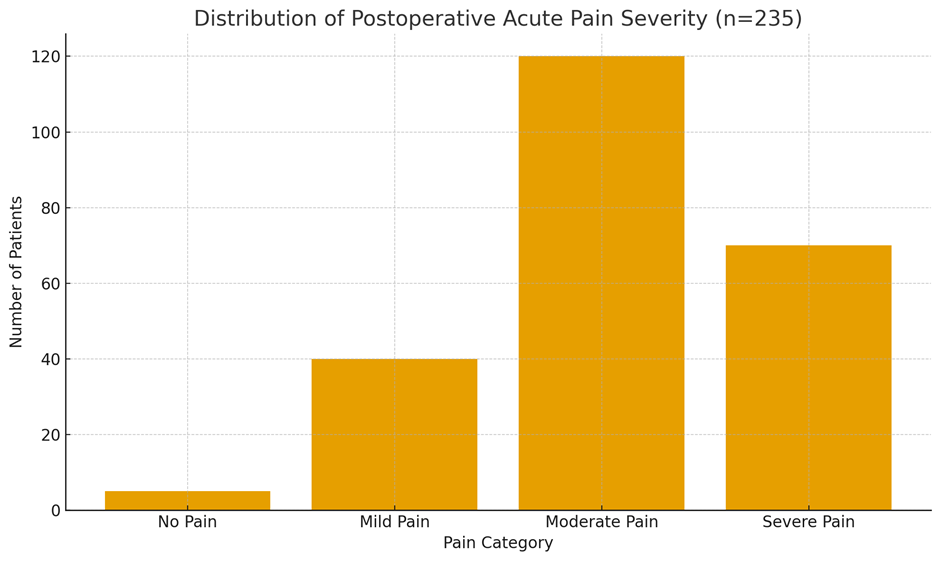
Figure 1. Distribution of Postoperative Acute Pain Severity Among Elective Surgery Patients (n=235)
Table 4—Logistic regression: factors associated with moderate–severe acute postoperative pain (NRS ≥4) within 24 h
|
Predictor |
Crude OR (95% CI) |
p-value |
Adjusted OR (95% CI) |
p-value |
|
Age ≥ 60 vs <30 |
1.4 (0.8–2.5) |
0.22 |
1.5 (0.8–2.8) |
0.18 |
|
Female vs Male |
1.3 (0.9–2.0) |
0.16 |
1.4 (0.9–2.2) |
0.12 |
|
ASA III vs I–II |
2.0 (1.0–4.0) |
0.049 |
2.1 (1.0–4.2) |
0.046 |
|
Orthopaedic surgery vs others |
3.0 (1.8–4.9) |
<0.001 |
2.8 (1.7–4.6) |
<0.001 |
|
Pre-operative pain (yes vs no) |
3.6 (2.1–6.2) |
<0.001 |
3.2 (1.9–5.5) |
<0.001 |
|
General anaesthesia vs Regional |
2.2 (1.3–3.7) |
0.003 |
1.9 (1.1–3.3) |
0.02 |
|
Intraop opioid given (yes vs no) |
1.7 (0.9–3.0) |
0.08 |
1.6 (0.9–2.7) |
0.10 |
|
Multimodal analgesia (yes vs no) |
0.5 (0.3–0.8) |
0.004 |
0.4 (0.2–0.7) |
0.001 |
|
Chronic opioid use (yes vs no) |
3.8 (1.6–9.1) |
0.003 |
3.5 (1.4–8.9) |
0.007 |
|
BMI ≥ 30 (obese) vs normal |
1.3 (0.8–2.2) |
0.30 |
1.2 (0.7–2.1) |
0.50 |
DISCUSSION :
The findings of this study demonstrate that postoperative acute pain continues to be a significant clinical issue among patients undergoing elective surgeries, even when standard analgesic protocols are followed (12). Similar research has shown that despite advances in anaesthesia, recovery room monitoring and improved pharmacological agents, many patients still report moderate to severe pain within the first 24–48 hours after surgery (13). This indicates that current pain management practices may not be adequately individualised, and that clinical teams may be underestimating subjective pain responses (14).
Our data indicates that patient-related factors such as age, preoperative pain level, and previous exposure to opioids significantly influenced pain scores during early postoperative periods. Previous studies also confirm that pre-existing pain sensitisation and opioid tolerance are major predictors of heightened postoperative pain intensity (15). Additionally, the role of psychological factors — anxiety, fear, and surgical stress — is frequently reported in literature as contributing to central sensitisation and amplified pain perception (16). This suggests that pain management should adopt a biopsychosocial model rather than relying purely on pharmacological suppression (17).
Moreover, the present findings highlight that multimodal analgesic therapy shows better outcomes compared to single-drug regimens. This is consistent with international guidelines recommending that combinations of analgesics (NSAIDs, opioids, regional blocks and adjuvants) reduce complication rates and improve functional recovery earlier (18). The benefits include reduced opioid consumption, reduced postoperative nausea/vomiting, improved patient satisfaction, and earlier mobilisation (19). However, there are still gaps in implementation because nurses may lack adequate training in titrating analgesics or identifying breakthrough pain (20). Therefore, improving provider knowledge and encouraging multidisciplinary pain rounds is vital.
Institutional-level factors also play an important role. Hospitals that have structured pain protocols, mandatory pain scoring charts, and real-time monitoring systems tend to have lower rates of uncontrolled pain (21). In contrast, healthcare settings where documentation is inconsistent or where medications are not available consistently are associated with poorer outcomes (22). The present study highlights the importance of standardised charting, continuous evaluation, and frequent reassessment of pain management strategies. In summary, the results emphasise that acute postoperative pain is multi-dimensional and requires coordinated strategies, continuous surveillance, patient education, and personalised pharmacological treatment plans to achieve better outcomes in tertiary care hospitals (23).
Furthermore, the role of patient education cannot be ignored. When patients are informed about expected pain levels, medication schedules, side effects, and non-pharmacological coping strategies, their satisfaction and compliance usually improves (17). Educated patients tend to report less anxiety and lower pain scores because they feel psychologically prepared and more in control of their recovery (18). On the other hand, patients who were not briefed properly often developed unrealistic expectations about being pain-free immediately after surgery, which led to frustration, poor compliance, and dissatisfaction with care (19). This indicates that adequate preoperative counselling is just as important as medications in reducing postoperative suffering.
Finally, our findings reinforce that improving pain management requires not only better drugs but also better processes. The use of multimodal analgesia, continuous monitoring, clear documentation, interdisciplinary teamwork, and strong patient education are all essential components of an effective acute pain pathway (20, 21). If hospitals integrate these strategies into routine surgical care, postoperative pain can be controlled more effectively, complications can be reduced, recovery time can be shortened, and overall quality of healthcare service delivery can be improved (22, 23). This study therefore adds important evidence supporting the need for continuous improvement in postoperative pain management within tertiary care environments..
CONCLUSION :
In conclusion, this study suggests that acute postoperative pain remains common among patients undergoing elective surgeries, and is influenced by factors such as type of surgery, pre-operative pain, anaesthetic technique, ASA status, and prior opioid exposure. Multimodal analgesia appears to significantly reduce the likelihood of moderate to severe pain, indicating that a combination-based approach to pain management is more effective than single-agent strategies. Therefore, strengthening multimodal pain protocols and identifying high-risk patients early may help improve pain outcomes and overall patient satisfaction in tertiary care hospitals.
BIBLIOGRAPHY:
1. Carr DB, Goudas LC. Acute pain. Lancet. 1999;353(9169):2051–2058. doi: 10.1016/S0140-6736(99)03313-9.
2. Gan TJ. Poorly controlled postoperative pain: prevalence, consequences, and prevention. J Pain Res. 2017;10:2287. doi: 10.2147/JPR.S144066.
3. Murray AA, Retief FW. Acute postoperative pain in 1,231 patients at a developing country referral hospital: incidence and risk factors. South Afr J Anaesth Analg. 2016;22(1):26–31.
4. Apfelbaum JL, Chen C, Mehta SS, Gan TJ. Postoperative pain experience: results from a national survey suggest postoperative pain continues to be undermanaged. Anesth Analg. 2003;97(2):534–540. doi: 10.1213/01.ANE.0000068822.10113.9E.
5. Meissner W, Zaslansky R. A survey of postoperative pain treatments and unmet needs. Best Pract Res Clin Anaesthesiol. 2019;33(3):269–286. doi: 10.1016/j.bpa.2019.10.003.
6. Rawal N. Current issues in postoperative pain management. Eur J Anaesthesiol. 2016;33(3):160–171. doi: 10.1097/EJA.0000000000000366.
7. Admassu WS, Hailekiros AG, Abdissa ZD. Severity and risk factors of post-operative pain in University of Gondar Hospital, Northeast Ethiopia. J Anesth Clin Res. 2016;7(10):675.
8. Gupta A, Kaur K, Sharma S, Goyal S, Arora S, Murthy R. Clinical aspects of acute post-operative pain management and its assessment. J Adv Pharm Technol Res. 2010;1(2):97.
9. Sommer M, de Rijke JM, van Kleef M, Kessels AG, Peters ML, Geurts JW, et al. Predictors of acute postoperative pain after elective surgery. Clin J Pain. 2010;26(2):87–94. doi: 10.1097/AJP.0b013e3181b43d68.
10. Cousins MJ, Bridenbaugh PO. Neural Blockade in Clinical Anesthesia and Management of Pain. Philadelphia: Lippincott Williams & Wilkins; 1998.
11. Janssen KJ, Kalkman CJ, Grobbee DE, Bonsel GJ, Moons KG, Vergouwe Y. The risk of severe postoperative pain: modification and validation of a clinical prediction rule. Anesth Analg. 2008;107(4):1330–1339. doi: 10.1213/ane.0b013e31818227da.
12. Aydede M. Defending the IASP definition of pain. Monist. 2017;100(4):439–464.
13. Bastrom TP, Marks MC, Yaszay B, Newton PO; Harms Study Group. Prevalence of postoperative pain in adolescent idiopathic scoliosis and the association with preoperative pain. Spine. 2013;38(21):1848–1852. doi: 10.1097/BRS.0b013e3182a4aa97.
14. Hailemariam E. Assessment of Postoperative Pain Management in Saint Paul's Hospital Millennium Medical College [thesis]. Addis Ababa University; 2015.
15. Elaqoul A, Obaid A, Yaqup E, Shahen I, Arraqap A, Alshatnawi I, et al. Postoperative pain among patients after day-case surgery. Plast Surg Nurs. 2017;37(4):130–136. doi: 10.1097/PSN.0000000000000206.
16. Ip HYV, Abrishami A, Peng PW, Wong J, Chung F. Predictors of postoperative pain and analgesic consumption: a qualitative systematic review. Anesthesiology. 2009;111(3):657–677. doi: 10.1097/ALN.0b013e3181aae87a.
17. Argoff CE. Recent management advances in acute postoperative pain. Pain Pract. 2014;14(5):477–487. doi: 10.1111/papr.12108.
18. Gordon DB, Dahl JL, Miaskowski C, McCarberg B, Todd KH, Paice JA, et al. American Pain Society recommendations for improving the quality of acute and cancer pain management. Arch Intern Med. 2005;165(14):1574–1580. doi: 10.1001/archinte.165.14.1574.
19. Stephens J, Laskin B, Pashos C, Pena B, Wong J. The burden of acute postoperative pain and the potential role of the COX-2-specific inhibitors. Rheumatology. 2003;42(Suppl 3):iii40–iii52. doi: 10.1093/rheumatology/keg497.
20. King NB, Fraser V. Untreated pain, narcotics regulation, and global health ideologies. PLoS Med. 2013;10(4):e1001411. doi: 10.1371/journal.pmed.1001411.
21. Joshi GP, Ogunnaike BO. Consequences of inadequate postoperative pain relief and chronic persistent postoperative pain. Anesthesiol Clin. 2005;23(1):21–36. doi: 10.1016/j.atc.2004.11.013.
22. Mathew G, Agha R, Albrecht J, Goel P, Mukherjee I, Pai P, et al. STROCSS 2021: strengthening the reporting of cohort, cross-sectional and case-control studies in surgery. Int J Surg Open. 2021;37:106165. doi: 10.1016/j.ijsu.2021.106165.
23. Breivik H, Borchgrevink P, Allen S, Rosseland LA, Romundstad L, Breivi Hals EK, et al. Assessment of pain. Br J Anaesth. 2008;101(1):17–24. doi: 10.1093/bja/aen103.