FREQUENCY OF IRON DEFICIENCY ANEMIA IN CHILDREN UNDER FIVE YEARS AGE PRESENTING WITH PNEUMONIA
- Ayesha Sadiq , Postgraduate traineeDepartment of PaediatricsDow University of Health Sciences, Karachi
- Ayesha Saleem , Assistant professorDepartment of PaediatricsDow University of Health Sciences, Karachi
- Sumaiya , Postgraduate trainee Department of Paediatrics Dow University of Health Sciences, Karachi
- Anza Muhammad Mohsin , Postgraduate trainee Department of Paediatrics Dow University of Health Sciences, Karachi
- Rahima Tahir , Postgraduate traineeDepartment of PaediatricsDow University of Health Sciences, Karachi
- Kainat Shaikh , Postgraduate trainee Department of Paediatrics, Unit 3, CHK Dow University of Health Sciences, Karachi
Article Information:
Abstract:
To determine the frequency of iron-deficiency anemia (IDA) and its associated factors among children under five years of age presenting with pneumonia.Methodology: This cross-sectional study was conducted at the Department of Pediatric Medicine, Civil Hospital Karachi, over six months after ethical approval (CPSP/REU/PED-2022-183-7274). A total of 258 children aged 6 months to 5 years with clinically and radiologically confirmed pneumonia were enrolled using non-probability consecutive sampling. Demographic, clinical, socioeconomic, and feeding-related data were collected using a structured proforma. Venous blood samples were obtained to assess hemoglobin and iron profile for the diagnosis of IDA. Data were analyzed using SPSS version 25.0, and associations were assessed using appropriate statistical tests, with p < 0.05 considered significant.Results: Among 258 children, 52.7% were male, and the median age was 24 months (IQR: 15–35). Iron-deficiency anemia was present in 68% of cases. IDA was significantly associated with female gender (p = 0.008) and feeding practices (p = 0.012), while no significant association was observed with vaccination status (p = 0.180). Children with IDA had significantly lower median BMI, hemoglobin, and serum iron levels compared to those without IDA (all p < 0.001).Conclusion: Iron-deficiency anemia is highly prevalent among children with pneumonia and is strongly linked to nutritional and feeding-related factors. Early screening and targeted nutritional interventions are essential to improve outcomes in this vulnerable population.
Keywords:
Article :
INTRODUCTION:
Pneumonia is the leading cause of death for children under 5 years old worldwide, with approximately 156 million new cases annually, predominantly in developing countries. Specifically, 7-13% of cases are severe enough to require hospitalization, resulting in an estimated 1.1 million child deaths per year (1).
Anemia, particularly IDA, is a significant risk factor for pneumonia in children, with anemic children being about 4.99 times more likely to develop lower respiratory tract infections than non-anemic children (2). The risk appears highest in children under three years old, with iron-deficiency anemia being the predominant type. Potential mechanisms include impaired immune function and reduced oxygen delivery. Iron plays a critical role in immune defense, particularly through the preservation of phagocyte oxidase activity and the upregulation of inducible nitric oxide synthase (iNOS) expression. Consequently, iron deficiency is associated with a diminished immunological response to infection. However, excess iron can also be exploited by bacteria to enhance their growth. This complex interaction between iron status and immune function may explain the higher incidence of respiratory tract infections observed in children with iron-deficiency anemia (3, 4).
In Pakistan, National and large survey data show that 28–53% of Pakistani children under five are iron-deficient or anemic, with higher rates in rural and low-income populations. Another Pakistani hospital-based study assessing children with pneumonia reported that over one-third of children hospitalized with pneumonia were anemic, highlighting anemia as a frequent comorbidity in pediatric pneumonia (5, 6).
Although hospital-based studies from Pakistan have reported a higher frequency of anemia and iron-deficiency anemia among children with pneumonia, nationally representative data remain limited. Pakistan also faces marked regional and socioeconomic disparities, with many families, particularly in rural and low-income settings, experiencing nutritional deficiencies and delayed access to healthcare, placing young children at increased risk of anemia (7). This study, therefore, aimed to determine the frequency of iron-deficiency anemia among children under five years of age presenting with pneumonia, to generate locally relevant evidence from a tertiary care setting in Pakistan where the majority of patients belong to low-income backgrounds, and better understand disease patterns in this vulnerable population. Findings from the present study will contribute context-specific data, support early identification of at-risk children, and inform targeted nutritional and clinical interventions in similar high-risk settings.
METHOLOGY:
This cross-sectional observational study was conducted at the Department of Pediatric Medicine, including both outpatient (OPD) and inpatient services, at Civil Hospital Karachi, affiliated with Dow University of Health Sciences, Pakistan. The study was carried out over a period of six months following formal ethical approval. Ethical clearance was obtained from the College of Physicians and Surgeons, Pakistan, under reference number CPSP/REU/PED-2022-183-7274, in addition to approval from the Institutional Ethical Review Committee of the study center. The study was conducted in accordance with the ethical principles outlined in the Declaration of Helsinki. Written informed consent was obtained from the parents or legal guardians of all participants before enrollment, and confidentiality of patient data was strictly maintained throughout the study.
The required sample size of 258 children was calculated using OpenEpi, assuming a 95% confidence level, 5% margin of error, and an anticipated prevalence of iron-deficiency anemia (IDA) of 21.25% among children presenting with pneumonia, based on previously published literature. A non-probability consecutive sampling technique was employed to minimize selection bias by enrolling all eligible patients presenting during the study period until the desired sample size was achieved.
Children aged 6 months to 5 years presenting with clinical features suggestive of pneumonia were screened for eligibility. The diagnosis of pneumonia was established based on a combination of clinical criteria—such as fever, cough, tachypnea, chest indrawing, nasal flaring, and auscultatory findings (crepitations or bronchial breath sounds)—and radiological confirmation via chest X-ray. Both male and female children were included. Exclusion criteria were carefully applied to reduce confounding and included children with a history of iron supplementation within the previous three months, prior blood transfusion, known congenital or acquired heart disease, and chronic pulmonary conditions such as cystic fibrosis, bronchiectasis, or bronchopulmonary dysplasia, as determined through detailed history and review of medical records.
DATA COLLECTION:
Following enrollment, a comprehensive evaluation of each participant was conducted using a structured and pretested proforma to ensure uniformity in data collection. Demographic variables recorded included age (in months) and gender. Anthropometric measurements, particularly weight (measured using a calibrated pediatric weighing scale), were documented to assess nutritional status. Clinical variables included duration of presenting symptoms and severity indicators, where applicable. Socioeconomic characteristics were assessed through parental interviews and included place of residence (urban or rural), monthly household income categorized as <25,000 PKR, 25,000–50,000 PKR, and >50,000 PKR, and maternal education level (illiterate, primary, middle, matric and above). Infant and young child feeding practices were documented, specifically the use of formula milk or cow’s milk, and vaccination status was recorded according to the Expanded Programme on Immunization (EPI) schedule.
For laboratory assessment, approximately 5 mL of venous blood was collected under strict aseptic conditions by trained phlebotomists. Samples were transported promptly to the institutional pathology laboratory and processed according to standard operating procedures. Hemoglobin levels were measured using an automated hematology analyzer, while serum ferritin levels were determined using validated immunoassay techniques. Internal quality control measures were applied to ensure accuracy and reproducibility of results. Iron-deficiency anemia was diagnosed based on predefined operational criteria incorporating hemoglobin concentration and serum ferritin levels, taking into account age-specific reference ranges and the presence of acute infection where relevant.
Radiological evaluation was performed in all participants using chest X-ray to confirm pneumonia and to exclude other pulmonary pathologies. Interpretation of radiographs was carried out by experienced clinicians and/or radiologists to minimize diagnostic variability. All clinical examinations and investigations were conducted by trained healthcare professionals following standardized protocols to enhance data reliability and reduce inter-observer bias.
Data analysis
Data were coded, entered, and analyzed using IBM SPSS Statistics. Data cleaning procedures were undertaken before analysis to check for completeness, consistency, and outliers. The normality of continuous variables was assessed using the Shapiro–Wilk test. Normally distributed variables, such as age and weight, were presented as mean ± standard deviation, while non-normally distributed variables, such as duration of symptoms, were expressed as median with interquartile range. Categorical variables—including gender, vaccination status, maternal education, feeding practices, socioeconomic status, place of residence, and presence of iron-deficiency anemia—were summarized as frequencies and percentages.
For inferential analysis, post-stratification was performed to assess the association between iron-deficiency anemia and potential explanatory variables, including demographic, clinical, nutritional, and socioeconomic factors. The Chi-square test or Fisher’s exact test was applied for categorical variables, as appropriate, based on expected cell counts. Continuous variables were categorized where necessary to facilitate comparison. Variables demonstrating a p-value ≤ 0.20 in univariate analysis were entered into a multivariable binary logistic regression model to identify independent predictors of iron-deficiency anemia while controlling for potential confounders. The strength of association was reported as adjusted odds ratios (AORs) with corresponding 95% confidence intervals (CIs). Model fitness and multicollinearity diagnostics were assessed to ensure the robustness of the regression model. A two-tailed p-value of < 0.05 was considered statistically significant
RESULTS :
A total of 258 children were included, with a slight male predominance (52.7%). The median age was 24 months (IQR: 15–35), with the highest proportion in the 13–24 months age group (30.2%). The majority of participants were from urban areas (98.8%). Most children belonged to middle-income households (62.0%), followed by low-income families (28.7%). Ethnically, Sindhi children constituted the largest group (42.6%), followed by Punjabi (15.5%), Patron (14.7%), Urdu-speaking (14.0%), and Baloch (13.2%). (Table 1).
Table 1: Baseline and demographic characteristics of children(n = 258)
|
Variables |
Frequency (n) |
Percentage (%) |
|
Gender |
||
|
Male |
136 |
52.7 |
|
Female |
122 |
47.3 |
|
Age (months) |
||
|
Median (IQR) |
24 (15–35) |
— |
|
Range (Min–Max) |
5–59 |
— |
|
≤12 |
54 |
20.9 |
|
13–24 |
78 |
30.2 |
|
25–36 |
68 |
26.4 |
|
37–48 |
32 |
12.4 |
|
49–60 |
26 |
10.1 |
|
Residence |
||
|
Urban |
255 |
98.8 |
|
Rural |
3 |
1.2 |
|
Monthly Family Income (PKR) |
||
|
<25,000 |
74 |
28.7 |
|
25,000–50,000 |
160 |
62.0 |
|
>50,000 |
24 |
9.3 |
|
Ethnicity |
||
|
Sindhi |
110 |
42.6 |
|
Punjabi |
40 |
15.5 |
|
Pakhtoon |
38 |
14.7 |
|
Urdu Speaking |
36 |
14.0 |
|
Baloch |
34 |
13.2 |
Iron-deficiency anemia (IDA) was present in 68% of children with pneumonia, while 32% did not have IDA, indicating a high burden of anemia in the study population. Among children with IDA, a higher proportion were females (53%) compared to males (47%). In contrast, among children without IDA, males predominated (65%) while females accounted for 35%. This difference in gender distribution between IDA and non-IDA groups was statistically significant (p = 0.008). Figure 1 & 2
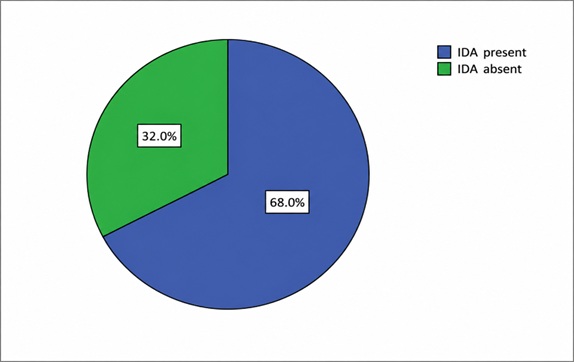
Figure 1: Distribution of IDA among children with pneumonia
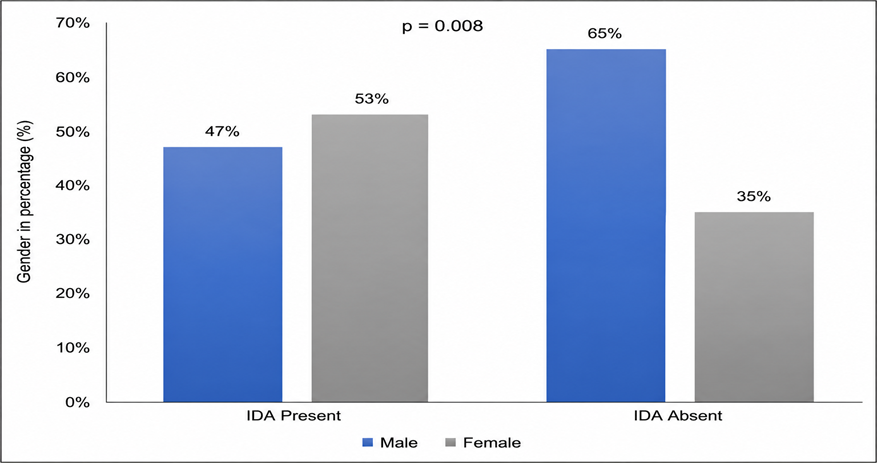
Figure 2: Gender distribution with respect to IDA among children with pneumonia
Iron-deficiency anemia was significantly associated with female gender (p = 0.008) and feeding practices (p = 0.012), whereas vaccination status was not significantly associated (p = 0.180). Children with IDA demonstrated significantly lower median BMI, hemoglobin, and serum iron levels compared to those without IDA (all p < 0.001). Table 2
Table 2: Association of Clinical and Demographic Variables with Iron Deficiency Anemia (IDA)
|
Variables |
IDA (n = 175) |
Non-IDA (n = 83) |
p-value |
|
Gender |
0.008* |
||
|
Male |
82 (46.9) |
54 (65.1) |
|
|
Female |
93 (53.1) |
29 (34.9) |
|
|
Vaccination Status |
0.180 |
||
|
Vaccinated |
118 (67.4) |
64 (77.1) |
|
|
Unvaccinated |
57 (32.6) |
19 (22.9) |
|
|
Feeding Practices |
0.012* |
||
|
Formula milk |
30 (17.1) |
4 (4.8) |
|
|
Cow milk |
48 (27.4) |
12 (14.5) |
|
|
Mix |
78 (44.6) |
36 (43.4) |
|
|
None |
19 (10.9) |
31 (37.3) |
|
|
BMI (kg/m²) |
14.5 (13–15) |
16 (15–17) |
<0.001* |
|
Hemoglobin (g/dL) |
8.2 (7–9) |
11.5 (10–12) |
<0.001* |
|
Serum Iron (µg/L) |
38 (22–48) |
65 (50–80) |
<0.001* |
*P value < 0.05 is considered statistically significant
DISCUSSION:
The present study demonstrated a high prevalence of iron-deficiency anemia (IDA) (68%) among children under five years presenting with pneumonia, indicating a substantial burden in this vulnerable population. This prevalence is higher than several local Pakistani studies, where IDA among children with respiratory infections has been reported between 21–45% (8-10). However, our findings are comparable to regional South Asian data, where prevalence rates of 50–70% have been documented among hospitalized children with pneumonia. Internationally, studies from Sub-Saharan Africa report IDA prevalence ranging from 55% to 75%, reflecting similar socioeconomic and nutritional challenges (11, 12). The comparatively higher prevalence observed in our cohort may be attributed to delayed healthcare-seeking behavior, poor nutritional status, and a higher burden of recurrent infections in this setting.
Gender-based analysis revealed a significantly higher proportion of females among IDA cases (53% vs. 47%, p = 0.008). This finding is consistent with studies from Pakistan and neighboring countries, where female predominance ranges from 52–60% among anemic children (9, 13). These disparities are often explained by sociocultural factors, including preferential feeding of male children, limited access to healthcare for females, and differences in caregiving practices. In contrast, studies from high-income countries typically report no significant gender differences (approximately 48–52%), suggesting that biological susceptibility is less influential than environmental and cultural determinants in LMICs (14).
Feeding practices were significantly associated with IDA in our study (p = 0.012). A substantial proportion of children were receiving mixed feeding (44%), cow’s milk (23%), or formula milk (13%), with higher frequencies of IDA observed in these groups. Similar findings have been reported in local literature, where inappropriate feeding practices are present in 40–65% of anemic children. Early introduction of cow’s milk, which is low in bioavailable iron and may interfere with iron absorption, has been strongly linked with IDA (15). International evidence further supports this association, demonstrating that children exposed to inappropriate feeding practices have a two- to three-fold increased risk of developing iron deficiency (16). Inadequate complementary feeding, particularly in terms of timing, diversity, and iron-rich food intake, remains a critical contributor, with global estimates indicating suboptimal practices in 30–60% of children in LMICs.
Vaccination status was not significantly associated with IDA (p = 0.180), which is consistent with findings from both local and international studies. Although vaccination coverage among children with anemia is generally reported between 60–80%, its direct impact on iron status is minimal, (17, 18). However, vaccination may have an indirect role in reducing infection-related inflammation and improving overall nutritional outcomes, though this relationship remains inconsistent across studies.
Nutritional and laboratory parameters demonstrated strong associations with IDA. Children with IDA had significantly lower median BMI, hemoglobin, and serum iron levels (all p < 0.001), reinforcing the close relationship between malnutrition and iron deficiency. Local studies have reported undernutrition in 45–70% of anemic children, while international data suggest that underweight or wasted children have a two- to four-fold increased risk of IDA (19). The median hemoglobin level observed in our study (8.5 g/dL) is consistent with findings from similar populations, where levels typically range between 7–9 g/dL. These findings highlight the bidirectional relationship between infection and malnutrition, where recurrent infections exacerbate nutritional deficiencies, and poor nutritional status increases susceptibility to infections such as pneumonia.
The predominantly urban distribution of participants (98.8%) and the higher representation of middle-income households (62%) reflect changing epidemiological patterns. Traditionally, anemia has been associated with rural populations; however, recent studies from urban Pakistan report IDA prevalence of 50–65% in low-income urban communities (19). Factors such as overcrowding, poor dietary diversity, food insecurity, and limited awareness contribute to this urban burden. Similar trends have been observed in urban slum populations internationally, indicating that urban residence does not necessarily confer protection against nutritional deficiencies.
Limitations and Recommendations
This study has several limitations. First, its cross-sectional design limits the ability to establish causal relationships between iron-deficiency anemia and associated factors. Second, the study was conducted at a single tertiary-care center, which may limit the generalizability of findings to the broader population. Third, certain potential confounders—such as dietary iron intake, parasitic infections, and inflammatory markers—were not assessed, which may influence iron status. Additionally, the predominantly urban sample may not fully represent rural populations.
Despite these limitations, the study provides important insights into the burden and determinants of IDA among children with pneumonia. Future multicenter, longitudinal studies are recommended to better establish causality and explore temporal relationships. Public health strategies should focus on early screening for anemia in children presenting with infections, promotion of appropriate infant and young child feeding practices, and parental education regarding nutrition. Integration of nutritional interventions into pediatric care, along with strengthening primary healthcare services, may help reduce the dual burden of anemia and infectious diseases in resource-limited settings.
CONCLUSION :
Iron-deficiency anemia is highly prevalent among children under five presenting with pneumonia and is significantly associated with female gender, suboptimal feeding practices, and poor nutritional status. Early identification and targeted nutritional interventions are essential to improve clinical outcomes in this high-risk population, particularly in resource-limited settings.
Conflict of Interest: The authors declare no conflict of interest.
Funding: This research received no specific grant from any funding agency in the public, commercial, or not-for-profit sectors.
REFERENCES:
1. Rudan I, Boschi-Pinto C, Biloglav Z, Mulholland K, Campbell H. Epidemiology and etiology of childhood pneumonia. Bull World Health Organ. 2008;86(5):408-16.
2. Km R, Gupta V, Ahmad S, Ranhotra S, Issrani R, Prabhu N. Assessment of Anemia as a Risk Factor for Acute Lower Respiratory Tract Infections in Children: A Case-Control Study2015.
3. Aksu T, Ünal Ş. Iron Deficiency Anemia in Infancy, Childhood, and Adolescence. Turk Arch Pediatr. 2023;58(4):358-62.
4. Donker AE, van der Staaij H, Swinkels DW. The critical roles of iron during the journey from fetus to adolescent: Developmental aspects of iron homeostasis. Blood Reviews. 2021;50:100866.
5. Habib MA, Black K, Soofi SB, Hussain I, Bhatti Z, Bhutta ZA, et al. Prevalence and Predictors of Iron Deficiency Anemia in Children under Five Years of Age in Pakistan, A Secondary Analysis of National Nutrition Survey Data 2011-2012. PLoS One. 2016;11(5):e0155051.
6. Habib A, Kureishy S, Soofi S, Hussain I, Rizvi A, Ahmed I, et al. Prevalence and Risk Factors for Iron Deficiency Anemia among Children under Five and Women of Reproductive Age in Pakistan: Findings from the National Nutrition Survey 2018. Nutrients. 2023;15(15):3361.
7. Minhas A, Habiba U, Malik S, Yousaf W. Prevalence and Risk Factors of Iron-Deficiency Anemia in Children Under 5 Years in Urban vs. Rural Settings. Pakistan Journal of Medical & Health Sciences. 2023;17:177-80.
8. Baloch Z, Haroon A. Prevalence of iron deficiency anemia in children with acute lower respiratory tract infection. Rawal Medical Journal. 2026;51(1):104-.
9. Habib A, Kureishy S, Soofi S, Hussain I, Rizvi A, Ahmed I, et al. Prevalence and Risk Factors for Iron Deficiency Anemia among Children under Five and Women of Reproductive Age in Pakistan: Findings from the National Nutrition Survey 2018. Nutrients. 2023;15(15).
10. Ashraf W, Ahmad M-u-D, Rabbani M, Mushtaq MH, Rehman A. Prevalence, risk factors, and effects of anemia on child growth and health in Lahore, Pakistan. Qatar Journal of Public Health. 2025;2025(2).
11. Akand N, Sarkar P, Alam J, Mollah A, Kamruzzaman, Sarabontahura, et al. Anemia: A Risk Factor for Acute Lower Respiratory Tract Infection in Children under 5 years of age. IOSR Journal of Dental and Medical Sciences. 2020;19:53-9.
12. Dagnaw M, Belay DG, Degu T, Angaw DA, Tsheten T. Prevalence of Anemia Among Adolescent Girls in Sub-Saharan Africa: Systematic Review and Meta-Analysis. Public Health Rev. 2025;46:1608303.
13. Qadir MA, Rashid N, Mengal MA, Hasni MS, Kakar SUD, Khan GM, et al. Iron-Deficiency Anemia in Women of Reproductive Age in Urban Areas of Quetta District, Pakistan. Biomed Res Int. 2022;2022:6677249.
14. Corica B, Tartaglia F, D'Amico T, Romiti GF, Cangemi R. Sex and gender differences in community-acquired pneumonia. Intern Emerg Med. 2022;17(6):1575-88.
15. Masuke R, Msuya SE, Mahande JM, Diarz EJ, Stray-Pedersen B, Jahanpour O, et al. Effect of inappropriate complementary feeding practices on the nutritional status of children aged 6-24 months in urban Moshi, Northern Tanzania: Cohort study. PLoS One. 2021;16(5):e0250562.
16. Parkin PC, DeGroot J, Maguire JL, Birken CS, Zlotkin S. Severe iron-deficiency anaemia and feeding practices in young children. Public Health Nutr. 2016;19(4):716-22.
17. Stoffel NU, Uyoga MA, Mutuku FM, Frost JN, Mwasi E, Paganini D, et al. Iron Deficiency Anemia at Time of Vaccination Predicts Decreased Vaccine Response and Iron Supplementation at Time of Vaccination Increases Humoral Vaccine Response: A Birth Cohort Study and a Randomized Trial Follow-Up Study in Kenyan Infants. Front Immunol. 2020;11:1313.
18. Ahmad S, Zahid SB, Jan AZ. The impact of parental education and socioeconomic status on routine childhood vaccination: An obsevational study. Journal of Postgraduate Medical Institute. 2013;27:280-4.
19. Ahmad MS, Farooq H, Maham SN, Qayyum Z, Waheed A, Nasir W. Frequency of Anemia and Iron Deficiency among Children Starting First Year of School Life and Their Association with Weight and Height. Anemia. 2018;2018(1):8906258.