Prevalence and Determinants of Anxiety and Depression among Post-Abortion Women
- Fatima , Assistant Professor, Department of Obstetrics and Gynecology, Bacha Khan Medical College, Mardan Medical Complex, Mardan, Pakistan
- Naila , Assistant Professor, Department of Obstetrics and Gynecology, Bacha Khan Medical College, Mardan Medical Complex, Mardan, Pakistan
- Muhammad Muslim Khan , Associate Professor Psychiatry, Mardan Medical Complex, Bacha Khan Medical College, Mardan, Pakistan
- Muhammad Kashif , Associate Professor of Psychiatry, Rawalpindi Medical University, Rawalpindi, Pakistan
- Muhammad Azeem Rao , Associate Professor of Psychiatry, Benazir Bhuttu Hospital, Rawalpindi Medical College, Rawalpindi, Pakistan
- Pirzada Muneeb , Clinical Psychologist, Department of Psychiatry, Mardan Medical Complex, Mardan, Pakistan
Article Information:
Abstract:
Abortion is a common component of reproductive health care worldwide, yet its psychological sequelae continue to be debated across clinical, social, and cultural contexts. Anxiety and depressive symptoms are among the most frequently reported mental health concerns following abortion, but reported prevalence varies widely due to differences in study design, timing of assessment, measurement tools, and population characteristics [1–4]. In many low- and middle-income settings, stigma, limited access to safe services, and inadequate psychosocial support may further shape post-abortion mental health outcomes. Materials and Methods: A hospital-based cross-sectional study was conducted among women presenting for follow-up 2–6 weeks after abortion at Mardan Medical Complex Mardan from January 2025 to June 2025. Psychological status was assessed using the validated Hospital Anxiety and Depression Scale (HADS) [5]. Detailed information was collected using a structured questionnaire. This included age, marital status, level of education, socioeconomic status, pregnancy and abortion history, type of abortion, whether it was safe or not, any complications, past mental health problems, and the level of social support each woman received. First, simple (bivariate) analysis was done to see how each factor was related to anxiety and depression. After that, multivariate logistic regression was used to find the main factors that independently affect these conditions. The strength of these relationships was shown using adjusted odds ratios (AORs) along with 95% confidence intervals (CIs). Results: Among 300 participants (mean age 27.4 ± 5.8 years), the prevalence of clinically significant anxiety was 38% and depression 29%, with 20% exhibiting comorbid symptoms. Higher odds of both anxiety and depression were observed among women who were younger, unmarried, of lower socioeconomic status, and those reporting limited social support. Clinical factors including prior psychiatric history and complicated or unsafe abortion—were also significantly associated with adverse psychological outcomes (p < 0.05). In multivariate models, lack of social support (AOR≈2.8), prior psychiatric illness (AOR≈3.5), and abortion-related complications (AOR≈2.2) remained independent predictors. Conclusion: Many women face anxiety and depression soon after abortion. These problems do not happen because of abortion alone, but because of a combination of factors such as low social support, previous mental health issues, and medical complications. To help improve women’s health, it is important to include regular mental health checks as part of post-abortion care. Women who are at higher risk should be identified early and given proper counseling. Providing easy access to support services can reduce untreated mental health problems and help women recover better both emotionally and physically.
Keywords:
Article :
INTRODUCTION :
Abortion, whether it happens naturally (spontaneous) or is done on purpose (induced), is a common event in women’s lives around the world. It is estimated that about 73 million induced abortions take place every year [1]. This shows that abortion is not a rare situation but an important part of reproductive health care. Over the years, medical and surgical methods have improved a lot, making abortion much safer than before, especially in countries where healthcare services are available and legal. However, while physical safety has improved, the emotional and mental effects of abortion are still not fully understood and continue to be an important area of research [2,3,4,5].
After an abortion, women can have different emotional reactions. Some women may feel relief, while others may feel sadness, stress, or worry. Among all these reactions, anxiety and depression are the most commonly studied mental health conditions. Some women may experience mild symptoms for a short time, but others may develop more serious problems that need medical attention [6,7,8]. The difference in these outcomes is because women come from different social, cultural, and personal backgrounds. The time when mental health is checked and the tools used to measure it can also change the results. Many recent studies suggest that mental health problems after abortion are not the same for every woman and are often influenced more by life conditions and past experiences than by the abortion itself [9,10,11].
Social and demographic factors play a very important role in shaping mental health after abortion. Age, marital status, level of education, and financial condition can all affect how a woman feels. Younger women may have less emotional support and life experience, which can increase stress. Unmarried women may face more social pressure or stigma. Women with low income may already be under financial stress, which can worsen their emotional state [12,13,14]. In addition, when women do not get enough support from their family or partner, they may feel lonely during this difficult time. Fear of being judged by society and the stigma around abortion can make these feelings even worse and increase anxiety and depression [15,16,17]. Some studies also show that women may feel confused or have mixed emotions after abortion. Problems in relationships can also affect their mental health and make it harder for them to cope [18,19].
Clinical and medical factors are also very important. Women who already have a history of mental health problems are more likely to experience anxiety and depression after abortion [20,21]. This means that their previous condition makes them more vulnerable. The type of abortion experience also matters. For example, whether the abortion was planned or unplanned, safe or unsafe, and whether there were any complications can all influence mental health. Women who go through unsafe procedures or face complications may feel more fear, pain, and emotional distress [22,23]. In addition, some large studies have shown that mental health outcomes are also linked with how women use healthcare services after abortion and their overall life situation [24,25].
There is still ongoing debate among researchers about whether abortion directly causes long-term mental health problems. Some earlier studies suggested that abortion could lead to depression or anxiety. However, more recent and better-quality research shows that when other important factors are considered, abortion itself does not directly cause long-term mental illness [2,3,8]. Instead, factors such as previous mental health status, unplanned pregnancy, and social environment play a bigger role in determining outcomes.
In many developing countries, including low- and middle-income regions, there is still limited research on this topic. Differences in healthcare access, cultural beliefs, and stigma can strongly affect women’s experiences after abortion. Because of these differences, it is important to study this issue in local settings to understand the real situation.
Therefore, this study aims to determine how common anxiety and depression are among women after abortion and to identify the main social, medical, and psychological factors that influence these conditions. Understanding these factors can help improve post-abortion care by including proper mental health support and counseling services for women.
MATERIALS AND METHODS:
This hospital-based cross-sectional analytical study was conducted over a period of six months at Mardan Medical Complex Mardan between January 2025 and June 2025 providing comprehensive obstetric and gynecological services, including post-abortion care. The study population comprised women aged 18–45 years who presented for follow-up within 2–6 weeks after experiencing either spontaneous or induced abortion. Participants were enrolled consecutively after obtaining informed written consent to minimize selection bias. Women with previously diagnosed psychiatric disorders currently receiving treatment, those with severe medical illness impairing communication, and those unwilling to participate were excluded from the study.
The sample size for this study was calculated using a standard formula. We assumed that about 30% of women may have anxiety or depression based on earlier studies [6,9]. A 95% confidence level and a 5% margin of error were used. The required sample size was 323, but due to time and resource limits, 300 women were included, which was still enough for analysis.
Data were collected using a structured and pre-tested questionnaire. Interviews were done face-to-face in a private setting so that participants could speak freely and feel comfortable. The questionnaire included information about age, marital status, education, job status, and financial condition. It also included medical and pregnancy history, such as type of abortion, gestational age, number of previous pregnancies, any complications, and past mental health problems. In addition, women were asked about the level of support they received from family or others.
Mental health was measured using the Hospital Anxiety and Depression Scale (HADS) [5], which is a trusted and commonly used tool. It has 14 questions, with 7 for anxiety and 7 for depression. Each question is scored from 0 to 3, so the total score for each section can go up to 21. Scores between 8 and 10 show mild problems, while scores of 11 or higher indicate clear anxiety or depression. In this study, the main outcomes were the presence of anxiety and depression. Other factors, such as age, marital status, education, income level, medical history, and social support, were also studied to see how they affect mental health. All data were entered and analyzed using SPSS version 25. Basic statistics were used to describe the data, where categorical variables were shown as numbers and percentages, and continuous variables were shown as mean with standard deviation. Bivariate analysis using the Chi-square test was performed to assess associations between independent variables and psychological outcomes. Variables with a p-value of less than 0.05 were included in multivariate logistic regression analysis to identify independent predictors. Adjusted odds ratios (AORs) with 95% confidence intervals (CIs) were calculated, and statistical significance was set at p < 0.05.
Ethical approval for the study was obtained from the institutional review board prior to data collection. Written informed consent was obtained from all participants, and strict confidentiality and anonymity were maintained throughout the study.
RESULTS:
A total of 300 women took part in this study. The average age was about 27 years, which means most women were in their middle reproductive age. As shown in Table 1, most women were 25 years or older (66%). The majority were married (72%) and more than half were not working (55%). Many women also belonged to low or middle-income groups. This shows that a large number of participants were facing financial or social challenges in their daily lives.
Table 1: Sociodemographic Characteristics of Participants
|
When we looked at mental health, we found that many women were experiencing emotional problems. According to Table 2, about 38% of women had anxiety and 29% had depression. Around 20% had both anxiety and depression at the same time. This means that a large number of women were going through stress after abortion. In Figure 1, this is clearly shown in the form of a bar chart, where anxiety is higher than depression, and both conditions are quite common.
Table 2: Prevalence of Anxiety and Depression
|
In Table 3, we can see how social factors are related to mental health. Younger women (less than 25 years) had higher anxiety and depression compared to older women. Unmarried women also showed more emotional stress than married women. This may be because they have less support from family or partners. Women with low income also had more anxiety and depression, which may be due to financial pressure and life stress. These results show that age, marital status, and financial condition play an important role in mental health.
Table 3: Association of Sociodemographic Factors with Anxiety and Depression
|
Variable |
Anxiety (%) |
Depression (%) |
p-value |
|
Age <25 years |
48% |
36% |
<0.05 |
|
Age ≥25 years |
32% |
24% |
|
|
Unmarried |
52% |
45% |
<0.01 |
|
Married |
33% |
25% |
|
|
Low SES |
50% |
40% |
<0.01 |
|
Middle SES |
30% |
22% |
Table 4 explains the clinical factors. Women who already had mental health problems in the past showed much higher levels of anxiety (68%) and depression (62%). This means they are more likely to face problems again. Also, women who had complications during abortion had higher anxiety and depression than those who did not have complications. This shows that physical health problems can also increase emotional stress.
Table 4: Clinical Determinants of Anxiety and Depression
|
Factor |
Anxiety (%) |
Depression (%) |
p-value |
|
Prior psychiatric history |
68% |
62% |
<0.001 |
|
No history |
30% |
22% |
|
|
Complicated abortion |
55% |
48% |
<0.01 |
|
Uncomplicated abortion |
32% |
24% |
In Table 5, we looked at the most important factors after adjusting for all other variables. Lack of social support was one of the strongest reasons for anxiety and depression. Women who did not get support from family or others were about 3 times more likely to have these problems. Previous mental illness was also a very strong factor. Complications during abortion also increased the risk.
Table 5: Multivariate Logistic Regression Analysis
|
Variable |
AOR |
95% CI |
p-value |
|
Lack of social support |
2.8 |
1.7–4.5 |
<0.01 |
|
Prior psychiatric illness |
3.5 |
2.1–5.8 |
<0.001 |
|
Complicated abortion |
2.2 |
1.3–3.6 |
<0.01 |
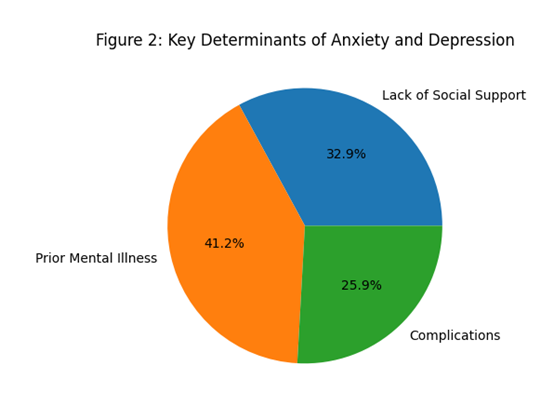
Finally, Figure 2 shows the main causes of mental health problems in a simple way. It highlights that lack of support, past mental illness, and complications are the most important factors affecting women’s mental health after abortion.
Overall, the results show that both social conditions and medical factors play a big role in causing anxiety and depression after abortion.
Figure 1: Prevalence of Anxiety and Depression (Bar chart)
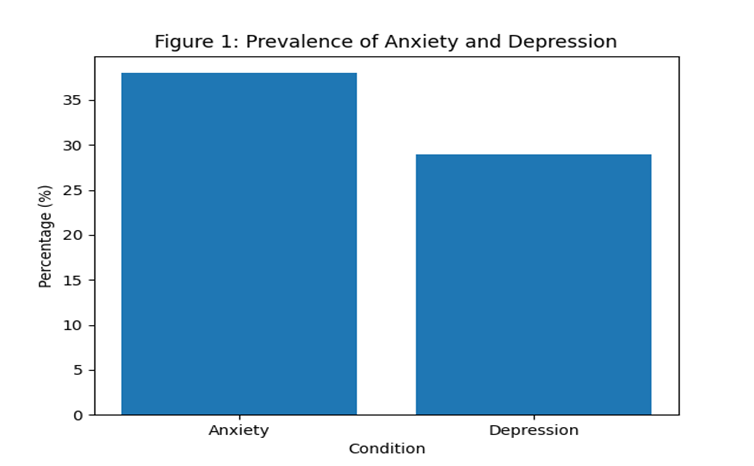
Figure 2: Distribution of Key Determinants (Pie chart)
DISCUSSION :
This study shows that many women experience anxiety and depression soon after abortion. A large number of participants had anxiety (38%) and depression (29%), which means mental health problems are quite common in this period. These results are similar to findings from other studies done in similar settings [6,9,13]. This highlights that mental health care should be an important part of post-abortion services, not just physical care.
One of the main findings of this study is that lack of social support is strongly linked with mental health problems. Women who did not get enough emotional support from their family, friends, or partners were more likely to feel anxious or depressed. Support from loved ones can help reduce stress and make women feel safer and more comfortable during this difficult time. However, in many societies, abortion is still considered a sensitive or taboo topic. Because of this, women may feel judged, ashamed, or alone, which can increase their emotional stress and worsen their mental health [10,14].
Another important finding is related to women who already had mental health problems in the past. These women were more likely to experience anxiety and depression after abortion. This shows that they are already more at risk, and the abortion may increase their existing stress instead of being the only cause of their condition. In other words, previous mental health issues play a big role in how women feel after abortion [8,15].
Complications during abortion were also linked with higher levels of anxiety and depression. Women who faced complications reported more distress, which may be due to physical pain, fear, or worry about their health. This shows the importance of safe abortion procedures and proper medical care to reduce both physical and emotional problems [11,16].
Overall, the findings of this study show that abortion alone is not the main cause of long-term mental health problems. A woman’s mental health after abortion depends on many other factors, such as her previous mental health condition, the support she receives from family or society, and whether she faced any medical complications. These factors together have a stronger effect on her emotional well-being. Other large studies have also reported similar findings, showing that when these important factors are taken into account, abortion by itself does not increase the risk of long-term mental illness [2,3,8].
This study also has some limitations that should be considered. Since it is a cross-sectional study, it only looks at participants at one point in time, so it cannot prove cause-and-effect relationships. In addition, the information was collected through self-report, which means some participants may not have shared their experiences fully or accurately. Despite these limitations, the study used a reliable and widely accepted tool (HADS) to assess mental health, and it included multiple important factors. This helps improve the overall reliability and usefulness of the findings.
CONCLUSION :
The results of this study show that anxiety and depression are quite common among women after abortion. These problems are more likely to occur in women who do not have enough social support, those who had mental health issues in the past, and those who faced complications during the abortion. This means that mental health care should be an important part of routine post-abortion services, not just physical treatment. Checking women for anxiety and depression after abortion and giving them proper counseling can help improve their mental and emotional health. Early support can make a big difference and help women cope better during this time.
It is also important to work on factors that can be improved. Providing safe abortion services, offering timely medical care, and giving strong support from family and society can help reduce mental health problems in these women. In addition, more long-term studies are needed to understand how these problems change over time and to find the best ways to support women after abortion.
BIBLIOGRAPHY:
1. World Health Organization. Abortion care guideline. Geneva: WHO; 2022.
2. Major B, Appelbaum M, Beckman L, Dutton MA, Russo NF, West C. Abortion and mental health: evaluating the evidence. American Psychologist. 2009;64(9):863–890.
3. Charles VE, Polis CB, Sridhara SK, Blum RW. Abortion and long-term mental health outcomes: a systematic review. Contraception. 2008;78(6):436–450.
4. Steinberg JR, McCulloch CE, Adler NE. Abortion and mental health: findings from the National Comorbidity Survey-Replication. Journal of Psychiatric Research. 2014;48(1):1–7.
5. Zigmond AS, Snaith RP. The Hospital Anxiety and Depression Scale. Acta Psychiatrica Scandinavica. 1983;67(6):361–370.
6. Fergusson DM, Horwood LJ, Ridder EM. Abortion in young women and subsequent mental health. Journal of Child Psychology and Psychiatry. 2006;47(1):16–24.
7. Coleman PK. Abortion and mental health: quantitative synthesis and analysis of research. British Journal of Psychiatry. 2011;199(3):180–186.
8. Munk-Olsen T, Laursen TM, Pedersen CB, Lidegaard Ø, Mortensen PB. Induced first-trimester abortion and risk of mental disorder. New England Journal of Medicine. 2011;364:332–339.
9. Broen AN, Moum T, Bödtker AS, Ekeberg Ø. The course of mental health after miscarriage and induced abortion: a longitudinal study. BMC Medicine. 2005;3:18.
10. Biggs MA, Upadhyay UD, McCulloch CE, Foster DG. Women’s mental health and well-being 5 years after receiving or being denied an abortion. JAMA Psychiatry. 2017;74(2):169–178.
11. Reardon DC, Cougle JR. Depression and unintended pregnancy in the National Longitudinal Survey of Youth: a cohort study. Medical Science Monitor. 2002;8(5):CR105–CR112.
12. Taft AJ, Watson LF. Depression and termination of pregnancy: does it increase risk? Australian and New Zealand Journal of Psychiatry. 2008;42(1):16–24.
13. Pedersen W. Abortion and depression: a population-based longitudinal study of young women. Scandinavian Journal of Public Health. 2008;36(4):424–428.
14. Lee E, Clements S, Ingham R, Stone N. A matter of choice? Explaining national variation in abortion attitudes. Sociology of Health & Illness. 2004;26(7):848–863.
15. Gilchrist AC, Hannaford PC, Frank P, Kay CR. Termination of pregnancy and psychiatric morbidity. British Journal of Psychiatry. 1995;167:243–248.
16. Thorp JM, Hartmann KE, Shadigan E. Long-term physical and psychological health consequences of induced abortion. Obstetrical & Gynecological Survey. 2003;58(1):67–79.
17. American Psychological Association Task Force on Mental Health and Abortion. Report of the APA Task Force on Mental Health and Abortion. Washington DC: APA; 2008.
18. Bellieni CV, Buonocore G. Abortion and subsequent mental health: review of the literature. Psychiatry and Clinical Neurosciences. 2013;67(5):301–310.
19. Coleman PK, Reardon DC, Rue VM, Cougle JR. State-funded abortions versus deliveries: a comparison of outpatient mental health claims over 4 years. American Journal of Orthopsychiatry. 2002;72(1):141–152.
20. Sullins DP. Abortion, substance abuse and mental health in early adulthood: thirteen-year longitudinal evidence from the United States. SpringerPlus. 2016;5:1443.
21. Fergusson DM, Boden JM, Horwood LJ. Abortion among young women and subsequent life outcomes. British Journal of Psychiatry. 2008;193:444–451.
22. Russo NF, Denious JE. Violence in the lives of women having abortions: implications for practice and public policy. Psychology of Women Quarterly. 2001;25:84–91.
23. Steinberg JR, Rubin LR. Psychological aspects of abortion. Social Science & Medicine. 2014;102:53–62.
24. Kero A, Lalos A. Ambivalence—a logical response to legal abortion: a prospective study among women and men. Acta Obstetricia et Gynecologica Scandinavica. 2000;79:158–164.
25. Andersson IM, Christensson K, Gemzell-Danielsson K. Women’s experiences and psychological health after second trimester abortion: a qualitative study. Human Reproduction. 2014;29(6):1231–1236.