Evaluation of First-Attempt Success, Insertion Time, and Ease of Insertion of I-gel Versus LMA Supreme in Elderly Surgical Patients
- Muhammad Saad , Senior Registrar, Department of Anaesthesiology, Surgical ICU & Pain Management, Dow University of Health Sciences, Pakistan
- Shaista Ismail , Senior Registrar, Department of Anaesthesiology, Surgical ICU & Pain Management, Dow University of Health Sciences, Pakistan
- Maryam Muhammad Bashir , Consultant Anaesthetist, SMBB Institute of Trauma Karachi, Pakistan
- Sardar Ali , Consultant Anaesthetist, SMBB Institute of Trauma Karachi, Pakistan
- Haseebullah Yousuf , Anaesthetic Registrar, Jinnah Postgraduate Medical Centre, Pakistan
- Adnan Nabi , Anaesthetic Registrar, Jinnah Postgraduate Medical Centre, Pakistan
Article Information:
Abstract:
To compare the efficacy of i-gel versus LMA Supreme with respect to insertion time and ease of insertion in geriatric patients undergoing elective surgeries under general anesthesia. This randomized controlled trial was carried out at the Department of Anesthesiology and Surgical Intensive Care, Jinnah Postgraduate Medical Centre, Karachi, Pakistan, from January 2023 to June 2023.Methods: All patients meeting the inclusion criteria were enrolled in this study. Following an explanation of the process, hazards, and its advantages, informed consent was obtained. Patients were randomized using a lottery method to either one of the supraglottic airway devices (SAD), the LMA Supreme group or the i-gel group. The SAD (i-gel or LMA Supreme) that was assigned at random was inserted. Sevoflurane or Isoflurane at a volume of 1-2 vol% was used to maintain anesthesia, and neuromuscular blockage was done by atracurium 0.5mg/kg. Following the procedure, all anesthetics were withdrawn, and neostigmine 40 µg/kg was used to reverse neuromuscular blockade, as determined by neuromuscular monitoring. SPSS version 26 was used to analyze all of the acquired data.Results: The total number of patients in the sample size calculation was 102, with 51 patients in each group. There was no difference in the groups' demographic information or patient characteristics. The i-gel group experienced significantly shorter insertion time (21.4 ± 6.8 vs.29.3 ± 9.9, respectively, P<0.001) than the LMA Supreme group. The first-attempt success rate (efficacy) did not differ between the two groups. However, the i-gel group outperformed the LMA Supreme group in terms of overall success rate (100% vs. 80%, P<0.001) and ease of device insertion (grade 1/grade 2/grade 3 [number/%], [40 (78.9%), 8 (15.8%), 03 (5.3%) vs. 19 (36.8%), 21 (42.1%), 11 (21.1%)], respectively, P < 0.001).Conclusion: Although no statistically significant difference was noted between i-gel and LMA Supreme, in terms of their efficacy or the first attempt success in insertion, the i-gel demonstrated advantages by having faster insertion time, higher overall success in insertion, and better ease of use in the geriatric population. These findings suggest potential clinical benefits of the i-gel warranting further validation through larger, prospective trials.
Keywords:
Article :
INTRODUCTION :
The Supraglottic Airway Devices (SADs) are commonly used for general anesthesia as an alternative to endotracheal intubation [1]. Easy insertion, stable hemodynamics, favorable respiratory mechanics, and reduced airway morbidity are some benefits of SADs [2]. During intubation and extubation, elderly individuals are more susceptible to perioperative pulmonary problems [3]. SADs are a reasonably simple airway management technique that have been used in difficult intubations and resuscitation, as well as in elective general anesthesia
with fewer airway-related complications [4].
The first successful SAD, Laryngeal Mask Airway (LMA), pioneered in 1988 in the United States, is a single-use SAD [8-9]. In order to get over the drawbacks of traditional LMA, different SADs like Proseal LMA, intubating LMA, and i-gel have been invented as a result of continuous advancements in device design [5]. The i-gel airway is a second-generation SAD with a non-inflatable cuff designed to fit over the pharynx, larynx, and peri-laryngeal structures [6, 7]. With an integrated gastric channel and an elliptical airway tube for effortless placement and kink prevention, Ragazzi et al. found better first-time success rate with LMA Supreme compared with the i-gel (30/39 – 76.92% vs 22/41 – 53.66%; p=0.029). The mean insertion time required for correct insertion was similar for both devices (28 seconds; p=0.90) [9]. In a study conducted at Shaikh Zayed Hospital, Lahore, the authors found number of insertion attempts was significantly lower with i-gel compared to the LMA Supreme (10% vs 23%; p=0.01), and the mean insertion time was also significantly lower with i-gel (9.6±0.7 seconds vs 10.7±1.6 seconds; p=0.02). No statistical difference was found in the heart rate and mean arterial pressure [10].
Few similar studies have been conducted in the past, but their results regarding the first-time success rates and the mean insertion time of the i-gel versus the LMA Supreme have been controversial. There is also limited data on the use of commonly available SADs among elderly patients in public-sector hospitals of Pakistan. The results of this study would hopefully allow the provision of general anesthesia using SADs so that the adverse respiratory and hemodynamic effects associated with endotracheal intubation can be avoided in the geriatric population. The primary objective of this study was to compare the first-attempt insertion success rate of the i-gel and LMA Supreme in geriatric surgical patients. Secondary objectives included comparison of insertion time, ease of insertion grade, and overall insertion success rate. These outcomes were selected to evaluate device performance, safety, and suitability in elderly patients, who represent a high-risk airway population.
METHODS:
This randomized control trial was carried out over a period of six months from January 2023 to June 2023 in the Department of Anesthesiology and Surgical Intensive Care, Jinnah Postgraduate Medical Centre, Karachi, Pakistan. Overall, 102 individuals meeting the eligibility criteria were incorporated in this research via a non-probability consecutive sampling technique. Patients of both genders were included in the study. Patients aged between 65 and 85 years were included. Patients with American Society of Anesthesiologists (ASA) classification I and II who underwent elective surgery lasting less than 3 hours under general anesthesia were included. Non-consenting individuals were excluded. Patients with known pulmonary disease, a body mass index (BMI) of 30.0 or higher, those undergoing surgery in a non-supine position, patients undergoing oral or nasal surgeries, and those with preoperative sore throat were excluded. Patients with a previous history of difficult airway and those with a recognized aspiration risk, either known or anticipated, were also excluded. The sample size was calculated using the Open Epi sample size calculator by taking efficacy G-A 76.92%7 and G-B 53.66%7, power (1-ß)=80%. The total calculated sample size was 102 patients, i.e., 51 patients in each group with a 95% confidence level.
Using a lottery, patients were divided into two categories randomly: the LMA Supreme group and the i-gel group. Every patient fasted for a minimum of eight hours before the procedure, and none of the patients received any premedication before the procedure. In the operating room, monitoring was done with non-invasive blood pressure (NIBP), peripheral capillary oxygen saturation (SpO2), electrocardiography (ECG), and Capnography in supine position. Pre-oxygenation was done using 100% oxygen at a fresh gas flow rate of 8 L/min for a minimum of 3 minutes. Once 100% SpO2 was reached, an anesthetic induction agent was administered by injection. Anesthesia was induced with a bolus of 2mg/kg propofol and 0.1 mg/kg nalbuphine. The randomly assigned SAD was then inserted by an experienced anesthesiologist having a minimum of two years’ experience. According to guidelines provided by manufacturers, size of devices were chosen based on the patient’s weight. Mechanical ventilation was started as soon as the device was inserted, with volume-controlled ventilation tidal volume of 7 ml/kg and respiratory rate of 14 breaths per minute. Isoflurane or Sevoflurane was used to maintain anesthesia at a concentration of 1-2vol%, and Neuromuscular blockade was achieved using atracurium 0.5 mg/kg following induction. The neuromuscular blockade was reversed with neostigmine 40 µg/kg based on neuromuscular monitoring after all anesthetics were withdrawn. The device was withdrawn once the patient was able to comply with verbal instructions.
The primary outcome of this study was to determine the rate of successful insertion of the SAD (i-gel or LMA supreme) on the first attempt in geriatric patients without the need for repositioning or reinsertion. For secondary outcomes, we evaluated insertion time, overall success rate, and ease of insertion. The insertion time was determined by measuring the time from picking up the device to the appearance of the first square waveform on capnography. The overall success rate was defined as the combined success of both first and second insertion attempts. If more than two insertion attempts were required, the anesthesiologist proceeded with an alternative airway intervention.
These cases were recorded as insertion failures for the assigned SAD and included in the final analysis under an intention-to-treat approach. Therefore, the 10 failed insertions in the LMA Supreme group were not excluded; rather, they were counted as failed outcomes and subsequently managed with endotracheal intubation. Each patient was graded on the basis of ease of insertion. Grades 1 and 2 corresponded to successful insertion of SAD on the first attempt, without resistance, and with some resistance, respectively. Grade 3 corresponds to success after more than one attempt [6]. Data was analyzed by utilizing SPSS version 26. Mean and standard deviation (SD) were calculated for quantitative variables such as age, BMI, duration of surgery, and insertion time. Frequency and percentage were calculated for qualitative variables: gender, ASA status, type of surgery, ease, and efficacy of insertion. Comparison of efficacy in both groups was done by applying the Chi-square test, keeping p-value < 0.05 as significant.
RESULTS:
The patient characteristics and demographics did not differ among the groups (Table 1). The insertion time was significantly shorter in the i-gel group than in the LMA Supreme group (21.4 ± 6.8 vs. 29.3 ± 9.9, P<0.001), respectively.
However, overall success rate of i-gel vs LMA (100% vs 80%) and ease of device insertion were significantly higher in i-gel group than in LMA Supreme group (grade 1/grade 2/grade 3 [number/%], [40 (78.9%), 8 (15.8%), 03 (5.3%) vs. 19 (36.8%), 21 (42.1%), 11 (21.1%)], respectively, P = <0.001), as shown (Table 2). Out of 51 patients in the LMA supreme group, 10 patients (approximately 20%) experienced failed insertion of SAD and were subsequently intubated using an endotracheal tube (ETT).
TABLE 1: Demographics and Clinical Data of The Patients
|
Characteristics |
I-gel (n=51) |
LMA Supreme (n=51) |
P-value |
|
Age (years) |
73.82 ± 6.71 |
73.25 ± 6.89 |
0.67 |
|
BMI (kg/m²) |
23.24 ± 3.41 |
23.99 ± 3.43 |
0.278 |
|
Gender |
|||
|
Male |
19 (37.3%) |
25 (49%) |
0.230 |
|
Female |
32 (62.7%) |
26 (51%) |
|
|
ASA Status |
|||
|
ASA-I |
23 (45.1%) |
21 (41.2%) |
0.689 |
|
ASA-II |
28 (54.9%) |
30 (58.8%) |
|
|
Type of Surgery |
|||
|
General |
17 (33.3%) |
20 (39.2%) |
0.586 |
|
Gynecological |
22 (43.1%) |
23 (45.1%) |
|
|
Orthopedic |
12 (23.5%) |
08 (15.7%) |
|
Table 2: Efficacy Comparison (I-gel vs LMA Supreme)
|
Characteristics |
I-gel (n=51) |
LMA Supreme (n=51) |
P-value |
|
Insertion time (seconds) |
21.4 ± 6.8 |
29.3 ± 9.9 |
<0.001 |
|
Surgery time (minutes) |
83.45 ± 20.68 |
80.12 ± 18.70 |
0.206 |
|
Ease of insertion |
|||
|
Grade 1 |
40 (78.9%) |
19 (36.8%) |
<0.001 |
|
Grade 2 |
8 (15.8%) |
21 (42.1%) |
|
|
Grade 3 |
3 (5.3%) |
11 (21.1%) |
|
|
First attempt cases (Efficacy) |
|||
|
Yes |
47 (93%) |
41 (80%) |
0.084 |
|
No |
4 (7%) |
10 (20%) |
|
|
Overall insertion success |
|||
|
Yes |
51 (100%) |
51 (100%) |
— |
|
No |
0 (0%) |
0 (0%) |
|
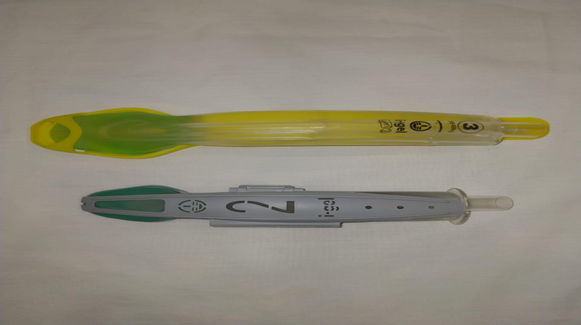
Fig. 1. The i-gel supraglottic airway device with a non-inflatable cuff composed of thermoplastic elastomer designed to conform to the airway.
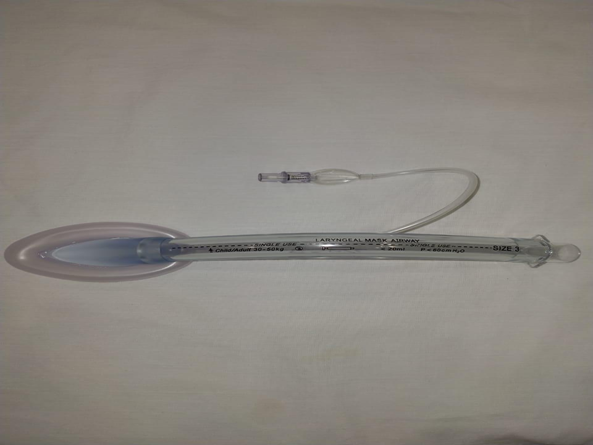
Fig. 2: The LMA Supreme featuring an inflatable cuff and integrated gastric drain tube.
DISCUSSION :
The primary conclusion of this study is that, although the success of the first attempt was similar between the two groups, inserting an i-gel into geriatric patients was quicker and simpler than inserting an LMA Supreme. These results also suggest that the i-gel, rather than the LMA Supreme, may be more suitable for emergency airway management in the geriatric population. In contrast to LMA Supreme, i-gel can also be utilized as a passage for intubation following adequate positioning, which is another benefit in a challenging airway condition [11]. The rate of successful insertion of the SAD device in the first attempt was chosen as the primary outcome variable in this comparison research in geriatrics. Reduced functional residual capacity (FRC) and delayed ventilatory response to oxygen desaturation or CO2 retention make geriatric individuals particularly vulnerable to respiratory and neurological illness and mortality [12]. Due to challenging airway control, the risk of these problems grows as apnea time increases
[13].
Similar devices have been used in many subjects with a variety of reported results. The insertion times for i-gel and LMA Supreme were similar [14, 15, 16] or longer [17] in previous investigations in pediatric [14] or primarily adult patients [15-17]. In prior RCTs that applied difficult airway scenarios without a neuromuscular blocking agent before insertion [16], LMA Supreme showed faster insertion than i-gel in patients with an average patient age of 47 years, and the mean time of i-gel insertion (42 s) was twice our placing time (21 s).
It was hypothesized that the i-gel's big design contributed to its lengthier insertion time. In contrast, in our investigation, i-gel required less time for insertion than the LMA Supreme. I-gel may have required less insertion time in the current trial because it does not require cuff inflation. It could not, however, adequately account for variation in mean time (approximately 8 s), given that time needed for cuff inflation is only 2-3 s. The i-gel utilizes a soft, gel-like, non-inflatable cuff composed of thermoplastic elastomer, designed to anatomically conform to the perilaryngeal structures. In contrast, the LMA Supreme features an inflatable cuff and a semi-rigid pre-curved airway tube. Unlike the i-gel, which has a gastric ventilation channel, the LMA Supreme includes a dedicated gastric drain tube. These structural differences may contribute to the observed variation in ease of insertion and overall success rate in this study. In opposition to findings of current research, previously published research that examined the clinical success of i-gel and LMA Supreme in the geriatric population found that insertion time was parallel among the two devices (i-gel 34.7 + 64.4 vs. LMA Supreme 48.8 + 45.6 s; P = 0.2) [17]. The fact that the previous study allowed for three attempts at insertion and counted time between each attempt and any bag-mask ventilation as insertion time may be what caused the variation in time between the two studies [17].
In this trial, i-gel and LMA Supreme had similar first-attempt success rates. In contrast, LMA Supreme had a greater success rate of initial insertion than i-gel in a trial evaluating the success rates of two SADs in females aged>18years (77% vs. 54%, respectively). The authors stated bulky design of the i-gel could be the cause of the LMA Supremes’ greater insertion success rate. To ensure patients’ safety, our study was carried out by a skilled anesthesiologist context of a normal airway. Therefore, our study's success rate of insertion for both devices was greater than that compared to previous trials conducted with novices. The two SADs have quite varied levels of insertion ease. When each SAD was inserted, the 'easy' rates for i-gel and LMA Supreme were 78.9% and 36.8%, respectively. Unlike in our investigation, the two trials on adult patients found similar ease of insertion [16, 18], while another study found that the LMA Supreme was simpler and easier to insert than i-gel [13]. These three earlier investigations, however, assessed ease of insertion using different standards, and those standards were arbitrary and lacked any clear criterion. On the other hand, by using the quantity of efforts and evaluating resistance, our study established a comparatively objective benchmark. The cause of why inserting i-gel in our study was simpler than doing so with the LMA Supreme was that i-gel practically has a straight and pliable tube, insertion into the pharynx can be done without manipulation.
On the other hand, LMA Supreme feels resistant and more challenging to enter because the tube section is pre-curved and more rigid than i-gel.
Since inclusion and exclusion criteria were strict, our study's strength was its use of non- probability consecutive sampling, which was most suitable for our design and sample selection. The source of bias was also reduced by the adoption of objective definitions for predictor and outcome variables. It is important to note that, although the small sample size is a key limitation for external validation of the findings of our study, the institution where our research was done draws patients from all over the country, serving a diverse patient population with a wide range of demographic and socioeconomic backgrounds. However, as the data was collected from a single center, the number of variables could have an effect on the findings, restricting the generalizability of the results.
CONCLUSION :
In conclusion, although there was no discernible difference between i-gel and LMA Supreme’s first-attempt success in insertion, the i-gel proved to have significant advantages in terms of faster insertion time, higher overall success in insertion, and greater ease of insertion in the geriatric population. In contrast to the LMA Supreme, i-gel can be applied swiftly and easily to elderly individuals. These findings suggest potential clinical benefits of i-gel over LMA Supreme. However, to validate these findings and determine if the observed differences reach statistical significance, particularly in first-attempt or efficacious insertion rate, well-controlled prospective trials with a larger sample size are required.
ACKNOWLEDGEMENTS
The authors declare no conflicts of interest and no source of funding.
BIBLIOGRAPHY:
1. Hwang J, Hong B, Kim YH, Lee WH, JO Y, Youn S, et al. Comparison of laryngeal mask airway supreme TM as non-inflatable cuff device and self-pressurized air-QTM in children: Randomized controlled non-inferiority study. Med. 2019;98(10):1-6.
2. Kleine-Brueggeney M, Gottfried A, Nabecker S, Greif R, Book M, Theiler L. Pediatric supraglottic airway devices in clinical practice: A prospective observational study. BMC Anesthesiol. 2017;17(1):119-27.
3. Park SY, Rim JC, Kim H, Lee JH, Chung CJ. Comparison of i-gel® and LMA Supreme® during laparoscopic cholecystectomy. Korean J Anesthesiol. 2015;68(5):455-61.
4. Sharma B, Sehgal R, Sahai C, Sood J. PLMA vs. l-gel: a comparative evaluation of respiratory mechanics in laparoscopic cholecystectomy. J Anaesthesiol Clin Pharmacol 2010;26:451-7.
5. Chen X, Jiao J, Cong X, Liu L, Wu X. A comparison of the performance of the l-gel vs. The LMA-S during anesthesia: a meta-analysis of randomized controlled trials. PLoS One 2013;8(8):1-9.
6. Kim EM, Kim MS, Koo BN, Lee JR, Lee YS, Lee JH. Clinical efficacy of the classic laryngeal mask airway in elderly patients: a comparison with young adult patients. Korean J Anesthesiol. 2015;68:568-74.
7. Polat R, Aydin BG, Ergil J, Sayin M, Kokulu T, Ozturk I. Comparison of the i-gel™ and the Laryngeal Mask Airway Classic™ in terms of clinical performance. Braz J Anesthesiol.2015;65(5):343-8.
8. Brain Al. The laryngeal mask a new concept in airway management. Br J Anaesth.1983;55:801-5.
9. Esch BF, Stegeman I, Smit AL. Comparison of laryngeal mask airway vs tracheal intubation: a systematic review on airway complications. J Clini Anesth. 2017;36:142-50.
10. Curpod S, Basavalingaiah S. Comparision of clinical performance of i-gel with laryngeal mask airway pro-seal in elective surgery in adults. Sri Lankan J Anaesthesiol. 2017;25(1):25-30.
11. Almeida G, Costa AC, Machado HS. Supraglottic airway devices: a review in a new era of airway management. J Anesth Clin Res. 2016;7:1000647.
12. Liu LL, Wiener-Kronish JP. Perioperative anesthesia issues in the elderly. Crit Care Clin.
13. 2003;19:641–56.
14. Sprung J, Gajic O, Warner DO. Review article: age related alterations in respiratory function - anesthetic considerations. Can J Anaesth. 2006;53:1244–57.
15. Jagannathan N, Sommers K, Sohn LE, Sawardekar A, Shah RD, Mukherji II, et al. A randomized equivalence trial comparing the i-gel and laryngeal mask airway Supreme in children. Paediatr Anaesth. 2013;23:127–33.
16. Teoh WH, Lee KM, Suhitharan T, Yahaya Z, Teo MM, Sia AT. Comparison of the LMA Supreme vs the i-gel in paralysed patients undergoing gynaecological laparoscopic surgery with controlled ventilation. Anaesthesia. 2010;65:1173–9
17. Theiler LG, Kleine-Brueggeney M, Kaiser D, Urwyler N, Luyet C, Vogt A, et al. Crossover comparison of the laryngeal mask supreme and the i-gel in simulated difficult airway scenario in anesthetized patients. Anesthesiology. 2009;111:55–62.
18. Chew EE, Hashim NH, Wang CY. Randomised comparison of the LMA Supreme with the I- Gel in spontaneously breathing anaesthetised adult patients. Anaesth Intensive Care. 2010;38:1018–22.
19. Kim MH, Lee JH, Choi YS, Park S, Shin S. Comparison of the laryngeal mask airway supreme and the i-gel in paralysed elderly patients: a randomised controlled trial. Eur J Anaesthesiol. 2018;35:598–604.
20. Ragazzi R, Finessi L, Farinelli I, Alvisi R, Volta CA. LMA SupremeTM vs i-gelTM--a comparison of insertion success in novices. Anaesthesia. 2012;67:384–8.
21. Wang F, Zhang R. Application of the LMA-SupremeTM and i-gelTM laryngeal masks during pelvic operations in adults. Asian J Surg. 2016;39:1