The Changes in Bone Mineral Density in Patients Presented With Obstructive Sleep Apnea Syndrome with Obesity in a Large Tertiary Care Hospital
- Umair Sharif Mughal , MBBS , FCPS 1 , IMM, TMO, Department of Pulmonology, Ayub Teaching Hospital, Abbottabad, Pakistan
- Marya Sharif Mughal , MBBS, PGR Pulmonology, Ayub Teaching Hospital, Abbottabad, Pakistan
- Iqra Shabbir , MBBS, Internee, Department Internal Medicine, Ayub Teaching Hospital, Abbottabad, Pakistan
- Khoula Sharif Mughal , Masters in Pharmacy Research Associate, Department of Pharmacy, COMSATS University Islamabad, Abbottabad Campus, Pakistan
- Masab Hanif , Resident Pulmonology, Department of Pulmonology, Ayub Teaching Hospital, Abbottabad, Pakistan
- Ahtezaz Hussain , MBBS, Postgraduate Resident, Department of Pulmonology, Ayub Teaching Hospital, Abbottabad, Pakistan
Article Information:
Abstract:
Obstructive sleep apnea (OSA) is a sleep problem where breathing stops again and again during sleep. This can lower oxygen in the body and cause stress and inflammation. These changes may weaken bones over time. Objective: To find how common low bone mineral density (BMD) is in obese patients with OSA and to see if more severe OSA is linked with weaker bones. Methods: This study was done in Pulmonology Unit at Ayub Teaching Hospital Abbottabad from July 2025 to September 2025. We included 71 obese patients who had OSA. The severity of OSA was checked using a sleep scale and sleep tests. Bone strength was measured by a DEXA scan. The data were analyzed using SPSS. Results: Many patients had low bone mineral density. Osteopenia was the most common finding, followed by osteoporosis. Patients with more severe OSA had weaker bones. The link between OSA severity and low BMD was statistically significant. Conclusion: Obese patients with OSA are more likely to have weak bones. Early testing can help find the problem and prevent fractures.
Keywords:
Article :
INTRODUCTION :
Obstructive sleep apnea (OSA) is a common sleep disorder that affects many people around the world. In this condition, a person’s breathing stops and starts again and again during sleep. This happens because the upper airway becomes narrow or blocked [1]. These repeated pauses in breathing can last for a few seconds to even longer. As a result, the body does not get enough oxygen, and sleep becomes disturbed. OSA is not just a simple sleep problem. It can have serious effects on overall health. Many studies have shown that OSA is linked with heart disease, high blood pressure, stroke, and problems with memory and thinking [2,3]. Because of these wide effects, OSA is now considered a systemic disease that can affect many organs in the body. OSA is more common in people who are overweight or obese. Excess body fat, especially around the neck, can put pressure on the airway and make it easier to collapse during sleep [4]. Studies have shown that a large number of adults may have undiagnosed OSA, especially those who are obese [5]. This makes it an important public health problem.
One of the key features of OSA is repeated low oxygen levels, also called intermittent hypoxia. This condition puts stress on the body and leads to the production of harmful substances called free radicals. It also causes inflammation. In patients with OSA, inflammatory markers such as interleukin-6 (IL-6), tumor necrosis factor-alpha (TNF-α), and C-reactive protein (CRP) are often raised [6,7]. These inflammatory changes can damage tissues and disturb normal body functions. Bone health is one of the systems that may be affected by OSA. Bone mineral density (BMD) is a measure of how strong and healthy the bones are. When BMD decreases, bones become weak and fragile. This condition is called osteopenia or osteoporosis, and it makes bones weak and easy to break [8]. New studies show that low oxygen levels in OSA can harm the bones. When oxygen is low again and again, it can increase the work of cells that break bone. At the same time, it slows down the cells that build new bone [9,10]. This imbalance leads to more bone loss over time. In addition to hypoxia, inflammation also plays an important role. The increased levels of inflammatory markers in OSA can further increase bone breakdown. These markers affect important pathways in bone regulation, such as the RANK/RANKL/OPG system, which controls bone remodeling [10,11].
Obesity adds another layer of risk. It is strongly linked with OSA and also affects bone health in many ways. Obesity can change hormone levels in the body, including those related to bone growth. It can also increase inflammation and lead to vitamin D deficiency and insulin resistance [11,12]. All of these things can make bones weaker. Sleep is also very important for strong bones. During normal sleep, the body makes hormones like melatonin and growth hormone, which help bones grow and stay healthy. In OSA, sleep is broken again and again during the night. Because of this, the body may not make enough of these hormones, and bones may become weaker over time [13,14]. Another important point is that patients with OSA may have a higher risk of falls. Poor sleep, daytime sleepiness, and reduced alertness can increase the chance of accidents. When combined with weak bones, this increases the risk of fractures. Several studies have looked at the link between sleep disorders and bone health. A large population-based study showed that people with sleep disorders had a higher risk of developing osteoporosis compared to those without sleep problems [15]. However, not all studies show the same results, and the relationship is still not fully clear.
In many developing countries, including Pakistan, there is limited data on this topic. Local factors such as diet, lifestyle, sunlight exposure, and access to healthcare may affect both OSA and bone health. Therefore, it is important to study this relationship in the local population. This study was planned to assess bone mineral density in obese patients with obstructive sleep apnea and to explore the association between the severity of OSA and bone health.
MATERIALS AND METHODS:
This study was a cross-sectional study. It was carried out in the Pulmonology Unit of Ayub Teaching Hospital Abbottabad from July 2025 to September 2025. The study was completed over a period of three months after approval from the institutional review board.
A total of 71 patients were included in the study. The sample size was calculated using a WHO sample size calculator. A non-probability consecutive sampling method was used. This means that all patients who met the criteria and came to the hospital during the study period were included one after another.
Both male and female patients aged between 20 and 85 years were included. Only those patients were selected who were obese, with a body mass index (BMI) of 30 kg/m² or more. All patients had a diagnosis of obstructive sleep apnea (OSA), either already known or newly diagnosed during the study period.
Patients were excluded if they had conditions that could affect breathing or bone health in other ways. These included pregnancy, neuromuscular diseases, airway obstruction due to other causes, and patients who were not willing or able to cooperate.
After taking informed consent, each patient was assessed in detail. A complete history was taken, including symptoms of sleep apnea, daytime sleepiness, bone pain, and any history of fractures. A physical examination was also done.
The severity of OSA was assessed using the Epworth Sleepiness Scale and sleep studies when needed. Based on the scores, patients were grouped into mild, moderate, and severe OSA.
Blood tests were performed to check serum calcium and alkaline phosphatase levels. These tests helped to give an idea about bone health. If needed, vitamin D levels were also considered.
Bone mineral density (BMD) was measured using a DEXA scan. The results were reported as T-scores. Based on these scores, patients were classified as normal, osteopenia, or osteoporosis.
All the collected data were recorded on a structured form. The data included age, gender, BMI, severity of OSA, laboratory values, and BMD results.
Data analysis was done using SPSS version 21. Quantitative data like age and laboratory values were presented as mean and standard deviation. Categorical data like gender and BMD categories were shown as frequencies and percentages. The association between OSA severity and BMD was tested using the chi-square test. A p-value of less than 0.05 was considered statistically significant.
RESULTS:
A total of 71 patients were included in this study. Both males and females were present, with a slightly higher number of males. Most patients were in the age group of 41–60 years. The basic details of the patients are shown in Table 1.
Table 1 shows that 56% of the patients were male and 44% were female. The largest group was middle-aged adults (41–60 years), followed by younger adults (20–40 years) and older patients (>60 years).
Bone mineral density (BMD) was measured for all patients using a DEXA scan. The results are presented in Table 2. Only 28% of patients had normal bone density. A large number of patients had low BMD. Osteopenia was the most common finding (45%), while 27% of patients had osteoporosis.
This shows that more than two-thirds of the patients had weak bones to some extent. This is an important finding because it suggests that bone health is affected in many obese patients with OSA.
The relationship between OSA severity and BMD is shown in Table 3. Patients were divided into mild, moderate, and severe OSA groups. In the mild group, most patients had normal or slightly reduced BMD. In the moderate group, more patients had osteopenia and osteoporosis. In the severe group, the number of patients with osteoporosis was higher.
The chi-square test showed that this relationship was statistically significant (p < 0.05). This means that as the severity of OSA increases, bone mineral density decreases.
To make the results easier to understand, graphical presentations are also included. Figure 1 shows a bar chart of BMD categories. It clearly shows that osteopenia is the most common condition among patients. Figure 2 shows a pie chart of OSA severity. It helps to see how patients are distributed among mild, moderate, and severe groups. Figure 3 shows a comparison between OSA severity and BMD. It shows that patients with severe OSA have more bone loss compared to those with mild disease.
Overall, the results of this study show a clear pattern. Many obese patients with OSA have low bone mineral density, and the problem becomes worse as OSA becomes more severe.
Table 1: Demographic Characteristics (n = 71)
|
Variable |
Frequency (n) |
Percentage (%) |
|
Gender |
||
|
Male |
40 |
56% |
|
Female |
31 |
44% |
|
Age Group |
||
|
20–40 years |
22 |
31% |
|
41–60 years |
33 |
46% |
|
>60 years |
16 |
23% |
Table 2: Bone Mineral Density Status
|
BMD Category |
Frequency |
Percentage |
|
Normal |
20 |
28% |
|
Osteopenia |
32 |
45% |
|
Osteoporosis |
19 |
27% |
Table 3: Association of OSA Severity with BMD
|
OSA Severity |
Normal |
Osteopenia |
Osteoporosis |
|
Mild |
10 |
8 |
3 |
|
Moderate |
7 |
14 |
8 |
|
Severe |
3 |
10 |
8 |
(p < 0.05 significant)
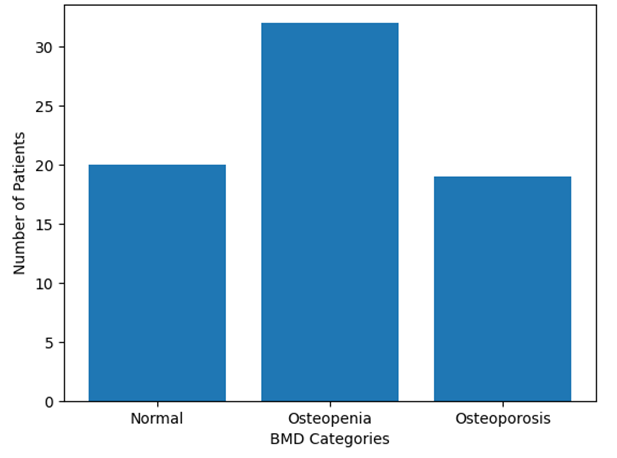
Figure 1: Bar chart showing distribution of BMD categories among patients.
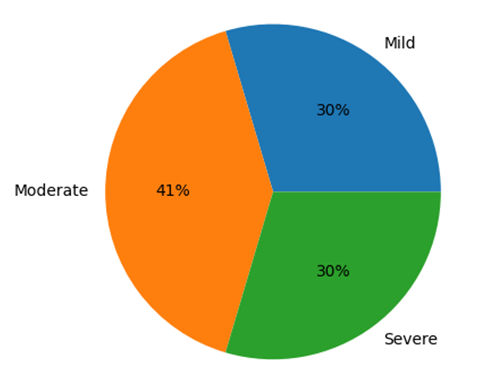
Figure 2: Pie chart showing proportion of OSA severity.
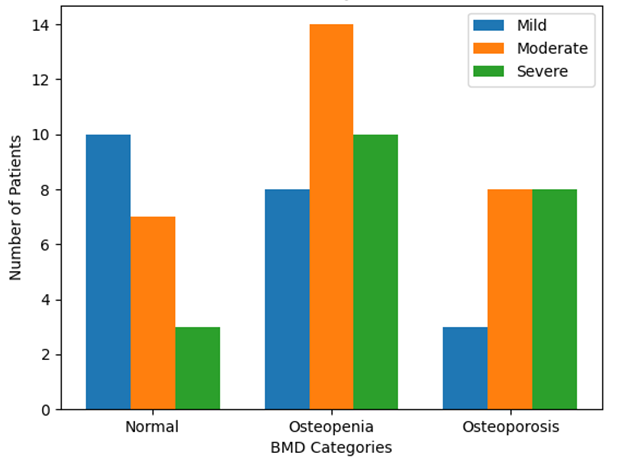
Figure 3: Comparison graph of OSA severity vs BMD.
DISCUSSION :
This study looked at bone mineral density (BMD) in obese patients with obstructive sleep apnea (OSA). The main finding is clear: many patients had low BMD, and bone weakness was more common in those with more severe OSA.
Our results are in line with earlier studies that show a link between sleep problems and weak bones [9,10,15]. In our study, more than two-thirds of patients had osteopenia or osteoporosis. This suggests that bone health is an important concern in patients with OSA.
One reason for this link may be low oxygen levels during sleep. In OSA, the body faces repeated episodes of low oxygen, called intermittent hypoxia. This can increase the activity of cells that break down
bone (osteoclasts) and reduce the activity of cells that
build bone (osteoblasts) [9,10]. Over time, this can
lead to bone loss.
Inflammation may also play an important role. Patients with OSA often have higher levels of inflammatory markers such as IL-6 and TNF-α [6,7]. These markers can disturb normal bone balance and increase bone breakdown. They act through pathways that control bone remodeling, which may explain the lower BMD seen in our patients.
Obesity is another key factor. All patients in our study were obese, and obesity itself can affect bone health. It can change hormone levels, increase inflammation, and lead to low vitamin D levels [11,12]. These changes may further weaken bones. So, in patients who have both obesity and OSA, the risk may be even higher.
Sleep disturbance is also important. Normal sleep helps control hormones like melatonin and growth hormone, which support bone formation. In OSA, sleep is broken many times during the night. This may reduce the release of these hormones and affect bone strength over time [13,14].
We also found that patients with severe OSA had more osteoporosis compared to those with mild disease. This shows a dose–response pattern, where worsening OSA is linked with greater bone loss. The association was statistically significant, which supports a real relationship between these two conditions.
Our findings are similar to a large population-based
study that reported a higher risk of osteoporosis in patients with sleep disorders [15]. However, some studies have shown mixed results, which means more research is still needed.
This study has some limitations. The sample size was small, and it was done in a single center. Also, factors like diet, physical activity, and vitamin D levels were not fully explored. These factors may also affect bone health.
Despite these limitations, this study provides useful local data. It highlights the need to pay attention to bone health in obese patients with OSA. Early screening and proper management may help reduce the risk of fractures and improve quality of life.
CONCLUSION :
This study shows that many obese patients with obstructive sleep apnea (OSA) have low bone mineral density. A large number of patients had osteopenia or osteoporosis. The results also show that bone weakness becomes more common as OSA becomes more severe.
These findings suggest that OSA may play a role in reducing bone strength, especially in obese patients. Because weak bones can lead to fractures and long-term health problems, it is important to detect this issue early.
Doctors should consider checking bone mineral density in patients with OSA, particularly those who are obese or have severe disease. Simple tests like DEXA scan can help in early diagnosis.
Early treatment of OSA, along with proper nutrition and bone care, may help reduce the risk of bone loss and fractures. Further studies are needed to better understand this relationship and to guide future treatment.
BIBLIOGRAPHY:
1. Fietze I, Laharnar N, Obst A, et al. Prevalence and association analysis of obstructive sleep apnoea with gender and age differences. J Sleep Res. 2019;28(5):e12770.
2. Gottlieb DJ, Punjabi NM. Diagnosis and management of obstructive sleep apnea: a review. JAMA. 2020;323(14):1389–1400.
3. Young T, Peppard PE, Gottlieb DJ. Epidemiology of obstructive sleep apnea: a population health perspective. Am J Respir Crit Care Med. 2002;165(9):1217–1239.
4. Hruby A, Manson JE, Qi L, et al. Determinants and consequences of obesity. Am J Public Health. 2016;106(9):1656–1662.
5. Peppard PE, Young T, Barnet JH, et al. Increased prevalence of sleep-disordered breathing in adults. Am J Epidemiol. 2013;177(9):1006–1014.
6. Ryan S, Taylor CT, McNicholas WT. Systemic inflammation: a key factor in OSA. Thorax. 2009;64(7):631–636.
7. Nadeem R, Molnar J, Madbouly EM, et al. Serum inflammatory markers in obstructive sleep apnea: a meta-analysis. J Clin Sleep Med. 2013;9(10):1003–1012.
8. Kanis JA. Diagnosis of osteoporosis and assessment of fracture risk. Lancet. 2002;359(9321):1929–1936.
9. Chen YL, Weng SF, Shen YC, et al. Obstructive sleep apnea and risk of osteoporosis: a population-based study. Osteoporos Int. 2014;25(3):835–841.
10. Ding X, Gong Y, Liu C, et al. Effects of intermittent hypoxia on bone metabolism. Bone. 2019;120:1–8.
11. Rosen CJ. Clinical practice: Vitamin D insufficiency. N Engl J Med. 2005;352:2082–2088.
12. Holick MF. Vitamin D deficiency. N Engl J Med. 2007;357:266–281.
13. Cipolla-Neto J, Amaral FG. Melatonin as a regulator of bone metabolism. J Pineal Res. 2018;64(2):e12449.
14. Punjabi NM. The epidemiology of adult obstructive sleep apnea. Proc Am Thorac Soc. 2008;5(2):136–143.
15. Yen CM, Kuo CL, Lin MC, et al. Sleep disorders increase the risk of osteoporosis: a nationwide population-based cohort study. Sleep Med. 2014;15(11):1339–1344.