Functional outcome and complication of long and short Proximal Femoral Nail in Inter-Trochanteric (OTA 31A-A3) Fracture of femur.
- Muhammad Saad Bashir , MBBS (FCPS) Orthopedic Surgery ResidentWard 14, Jinnah Postgraduate Medical Center (JPMC), Karachi
- Saeed Ahmed , FCPS Professor and Chairperson, Orthopedic SurgeryWard 14, Jinnah Postgraduate Medical Center (JPMC), Karachi
- Nauman Hussain , FCPS Associate Professor, Department of Orthopaedics JSMU / JPMC, Karachi
- Sajjad Ali Bughio , MBBS, FCPSAssistant Professor, Department of OrthopaedicsJSMU / JPMC, Karachi
- Javed Hussain , MBBS, FCPSAssistant Professor, Department of OrthopaedicsJSMU / JPMC, Karachi
- Muhammad Fahad Javed , MBBS, FCPSSenior Registrar, Department of OrthopaedicsJinnah Postgraduate Medical Center (JPMC), Karachi
Article Information:
Abstract:
Intertrochanteric femur fractures (and particularly unstable ones (OTA 31A-A3) are the most common ones that are often observed in the geriatric patients, and are linked with high degrees of morbidity.Objective: To determine the functional results and complication of long versus short proximal femoral nails in patients with intertrochanteric (OTA 31A-A3) femoral fractures.Methods: This is a cohort study that will be done as a prospective study, with the department of orthopaedic surgery, Jinnah Postgraduate Medical Centre, Karachi, over a period of six months. Consecutive sampling was used to enrol two groups of 126 patients aged 60-95 years with radiographically confirmed OTA 31A-A3 intertrochanteric fractures, and divided them into the long PFN (n=63) and short PFN (n=63) groups. The SPSS version 26 was used to perform the statistical analysis with p < 0.05 considered to be significant.Results: Differences between the two groups in terms of baseline characteristics (p > 0.05) were none. The short PFN group demonstrated significantly shorter operative time (60.2 ± 10.5 vs 78.5 ± 12.3 minutes; p < 0.001) and lower intraoperative blood loss (150.7 ± 28.9 vs 210.4 ± 35.6 ml; p < 0.001). Significant differences were also absent in the intraoperative complication (p = 0.47). Even though the short PFN group exhibited a greater trend on mechanical complications (implant failure and secondary fractures), it was not statistically significant.Conclusion: Long and short proximal femoral nails are equivalent in terms of functional results of unstable intertrochanteric fractures.
Keywords:
Article :
INTRODUCTION:
The percentage of hip fractures is high, particularly in the elderly, and is associated with high morbidity and mortality. These fractures are usually associated with osteoporosis and low-energy trauma and their optimal management continues to be a controversial topic [1]. The intramedullary fixation with surgical fixation methods has been an option of choice based on the biomechanical benefits it offers to enable early mobilization and less complications as compared to extramedullary implants [2].
Proximal femoral nails (PFNs) are the most common type of intramedullary fixation that comes in either short or long. The short-long nail debate has been widely researched and both styles have their own theoretical benefits and drawbacks [3]. Short nails are connected with less duration of operation, less blood loss, and technical simplicity and are especially appropriate with aged patients with comorbidities [4]. Nonetheless, there is an apprehension about the danger of peri-implant fracture and restricted distal fixation using short nails [5].
Long PFNs on the other hand offer a greater coverage of the femoral canal, and can potentially lower the incidence of secondary fractures of the femoral shaft particularly in unstable fracture patterns [6]. Notwithstanding these benefits, long nails are commonly linked to the lengthening of the operating time, increased blood loss during a surgery, and increased technical requirements [7]. A state of equilibrium between these factors has resulted in a significant degree of variance in clinical practice.
Newer researches and meta-analyses have tried comparing the long and short PFNs in terms of functional outcomes and complication rates in intertrochanteric fractures [8]. Although similar functional results have been noted in both types of implants by some of the authors, others have indicated that long nails could provide better stability with unstable fracture configurations [9]. However, the data is not conclusive especially in certain subpopulations like OTA 31A-A3 fractures which are highly unstable and comminuted [10].
Based on these, this paper aims to evaluate and compare the functional outcomes and complication rates of short and long proximal femoral nails in the management of intertrochanteric fractures, and particularly the unstable patterns (OTA 31A-A3), to enhance clinical decision-making.
CASE PRESENTATION:
This prospective cohort research was carried out at the Department of Orthopaedic Surgery at Jinnah Postgraduate Medical Centre, Karachi, during a six-month duration after getting ethical approval. A non-probability consecutive sampling method was used to enrol 126 patients.
The standard formula used to determine the sample size was based on a standard deviation (σ) of 10, a minimum clinically important difference (δ) of 5 in the Harris Hip Score (HHS), Z a /2 = 1.96 to represent 95% confidence interval, and a Z β = 0.84 to represent 80% power. This provided a needed sample size of 63 participants per group.
They included patients aged 60-95 years old, either gender, with OTA 31A-A3 intertrochanteric fractures that were confirmed radiographically and considered to be suitable to be fixed using a long or short proximal femur nail (PFN). Patients who had an American Society of Anaesthesiologist’s (ASA) score of I-III only could qualify to be subjected to surgery. The patients were excluded when they had pathological fracture, polytrauma, had undergone surgery on the same hip, had a cognitive issue preventing compliance with follow-up, and those with severe comorbidities that contraindicated surgery.
The Orthopaedic Trauma Association (OTA) system was used to classify fractures using standardized pelvic and femoral radiographs preoperatively. All cases were confirmed as OTA 31A-A3 fractures by two independent orthopedic surgeons to achieve as little inter-observer variability as possible; in case of disagreement a senior consultant made the final decision.
With informed consent, baseline data (age, gender, comorbid conditions) was collected. Radiographic assessment was used to record the details of the fracture pattern. The patients were then operated upon with either long or short PFN, depending on the clinical judgment of the surgeon.
The type of implant used, length of surgery, and any intraoperative complications were captured intraoperative data. Six and 12 months follow-up of the patients were made postoperatively. The Harris Hip Score (HHS) was used to determine the functional outcomes of trained clinical staff who were unaware of the nature of PFN applied. The HHS was categorized as excellent (90–100), good (80–89), fair (70–79), and poor (<70).
Both clinical and radiographic monitoring were performed during follow-up visits to monitor complications. These were failures of implants (either by breaking or screw back-out), secondary fracture, infection, and malalignment. The detection of implant-related complications was made with the help of radiographic imaging, whereas the diagnosis of infections was made on the basis of clinical signs, and laboratory parameters, such as the white blood cell count, C-reactive protein, and erythrocyte sedimentation rate. Malalignment was determined by estimating the angle between the neck and the shaft, and the presence of varus or valgus deformity on postoperative radiographs. Any and every complication was noted according to time of appearance and as either early (within 3 months) or late (after 3 months).
Statistical Package of Social Sciences (SPSS) 26 was used to analyze the data. Descriptive statistics were used to compute the baseline variables including means and standard deviations of continuous variables, frequencies and percentages of categorical variables. Independent t-test was used to test the means of HHS of the two groups when the data is normally distributed and the Mann-Whitney U test was used when the data is not normally distributed. The comparison of categorical outcomes (complication rates) was conducted with the help of the chi-square test or Fisher exact test. The p-value of less than 0.05 was considered to be statistically significant. Multivariate analysis was also done to control the confounding factors such as age, gender and comorbidities.
RESULTS:
Baseline demographic and clinical characteristics are presented in Table 1
Table 1: Baseline Demographic and Clinical Characteristics
|
Variable |
Long PFN (n=63) |
Short PFN (n=63) |
p-value |
|
Age (years, mean ± SD) |
72.4 ± 8.1 |
71.8 ± 7.6 |
0.68 |
|
Gender (Male/Female) |
28 / 35 |
30 / 33 |
0.71 |
|
ASA Score (I/II/III) |
10 / 34 / 19 |
12 / 32 / 19 |
0.89 |
|
Comorbidities (%) |
41 (65.1%) |
39 (61.9%) |
0.71 |
Intraoperative parameters showed in Table 2.
Table 2: Intraoperative Parameters
|
Variable |
Long PFN (n=63) |
Short PFN (n=63) |
p-value |
|
Operative Time (minutes) |
78.5 ± 12.3 |
60.2 ± 10.5 |
<0.001 |
|
Blood Loss (ml) |
210.4 ± 35.6 |
150.7 ± 28.9 |
<0.001 |
|
Intraoperative Complications (%) |
5 (7.9%) |
3 (4.8%) |
0.47 |
Table 3 shows Functional outcomes assessed using the Harris Hip Score (HHS) at 12 months showed no statistically significant difference between the two groups, although slightly better scores were observed in the long PFN group.
Table 3: Functional Outcome (Harris Hip Score at 12 Months)
|
Outcome Category |
Long PFN (n=63) |
Short PFN (n=63) |
p-value |
|
Excellent |
28 (44.4%) |
24 (38.1%) |
|
|
Good |
20 (31.7%) |
22 (34.9%) |
|
|
Fair |
10 (15.9%) |
11 (17.5%) |
|
|
Poor |
5 (7.9%) |
6 (9.5%) |
0.83 |
|
Mean HHS ± SD |
85.6 ± 9.2 |
83.9 ± 10.1 |
0.29 |
Figure-I is a line graph of the means of Harris Hip Score (HHS) between the short PFN and long PFN groups at 3, 6 and 12 months after operating. The two groups showed a consistent functional improvement with time.
Figure-II depicts a bar chart of the frequency of postoperative complications in long PFN and short PFN groups. The short PFN group had relatively higher rate of implant failure and secondary femoral fracture, but similar rate of infection in both groups.
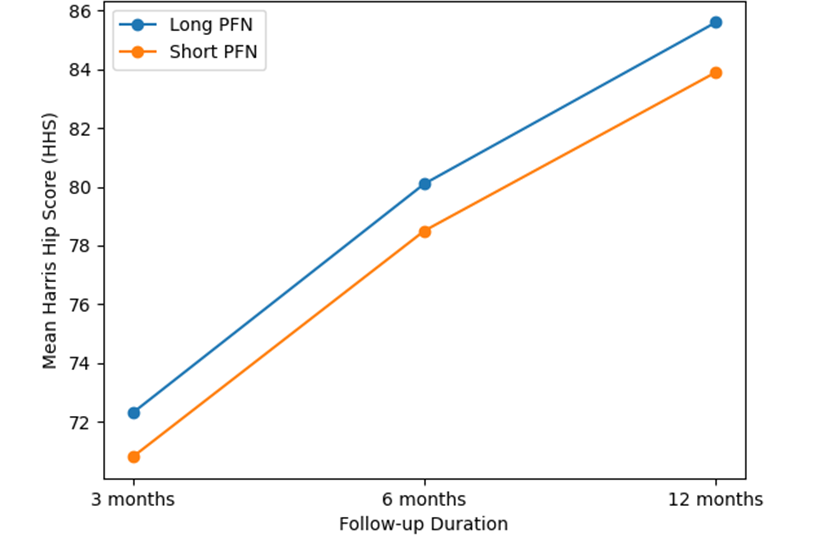
Figure 1: Comparison of mean HHS over time.
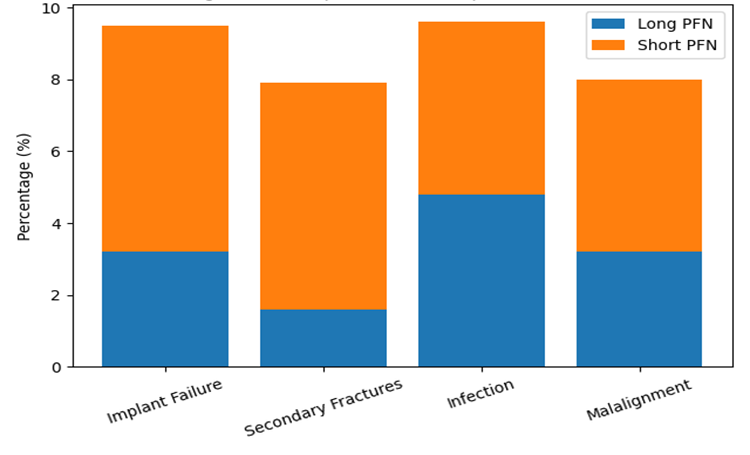
Figure 2: Comparison of Complication Rates Between Groups
DISCUSSION :
The current trial involved the comparison of clinical and functional results of long and short proximal femur nails (PFN) in treating intertrochanteric (OTA 31A3) femoral fractures. Both groups were similar in their baseline characteristics, which guarantees the internal validity and reduces the confounding bias, which is also in line with the comparative studies previously reported [11].
We found that the short PFN group experienced a significant decrease in operative time and intraoperative blood loss as compared to the long PFN group. This is due to the less demanding technically
process and the less requirement of distal locking in short nails. Huang et al. have reported similar observations and have noted that shorter nails decrease the duration of the surgery and perioperative morbidity [12]. Similarly, short PFNA-II systems were also found to have reduced blood loss and shorter operative time in geriatric patients [13].
Although these are the benefits of intraoperative short PFNs, the inquiry has been raised over the mechanical stability of short PFNs, specifically in unsteady fractures. Nasir et al. found a high rate of peri-implant fractures with short nails which may be explained by the concentration of stress at the nail tip [14]. Equally, Li et al. highlighted that long PFNs offer excellent biomechanical stability in unstable and reverse oblique fracture patterns, with lowering the chances of secondary fractures of the femoral shaft [15]. This is especially applicable to OTA 31A3 fractures in which the fracture configuration is inclined towards instability.
There were no statistically significant differences in functional outcomes in our study, measured by the Harris Hip Score (HHS) at 12 months, although the long PFN group had slightly higher mean scores. Such results are consistent with the results of Hu and Chang, who found similar functional performance of long and short nails in spite of mechanical variations [16]. Likewise, Yalini et al. did not find any significant clinical outcome difference between different PFN systems, indicating that both implants are effective when used properly [17].
Patterns of postoperative complication in our study showed that there was a tendency towards increased mechanical complication in the short PFN group (implant failure and secondary femoral fractures) though these were not significant. Similar complication profiles were also reported by Aygun et al. in both PFN systems, no significant differences were found in major complication profiles, which supports the overall safety of both techniques [18].
Nonetheless, Zhao et al. highlighted that augmentation strategies could be useful in unstable fractures in order to minimize the rate of complications particularly with shorter implants [19].
The fact that there are no substantial variations in long-term functional results despite the difference in intraoperative parameters and trends of complications indicates that both long and short PFNs are feasible when it comes to treating intertrochanteric fractures. This conclusion is further supported by a recent systematic review and meta-analysis by Rasul et al., who found that intramedullary fixation structures, such as PFNs, are equivalent in terms of functional results and acceptable complication rates when compared among the various types of implants [20].
In general, long or short PFN should be determined on a case-by-case basis depending on the fracture pattern and patient comorbidity and the experience of the surgeon. Although short PFNs have some benefits in terms of operative efficiency, long PFNs can also be more beneficial in unstable fracture configurations that might benefit by eliminating some mechanical complications.
Strength And Limitations
There are methodological strengths of this study. First, it used an equal comparative design and equal sample sizes in the two groups, which boosted statistical reliability. Second, the baseline demographic and clinical variables were similar, thus reducing selection bias and confounding factors. Third, there was the evaluation of both the intraoperative and functional outcome, which gives a full analysis of the effectiveness of long and short PFN. Also, a validated functional outcome measure (Harris Hip Score) at a 12-month follow-up is a strong indicator of clinical relevance of the findings. Although these strengths are present, there are some limitations that are to be identified. The study was carried out in one centre, which might be a disadvantage of the study in terms of generalization of results. The sample size is sufficient, but still might not be large enough to pick up minor variations in complication rates, especially for less common events like implant failure or secondary fractures. The follow-up period was capped at 12 months which might not be sufficient to detect long-term complications such as late peri-implant fractures. Moreover, factors related to surgeon (e.g. experience and technical variability) were not controlled, and it may have some impact on operative time and complication rates.
Recommendations
The results of this study suggest that the choice of implant between long and short proximal femoral nails must be customized based on the fracture morphology, patient factors, and surgical factors. Long PFN is more appropriate in the case of unstable intertrochanteric fractures (OTA 31A3) because of its better biomechanical stability and possibly reduced mechanical complications, whereas short PFN could be more effective in the case of elderly or high-risk patients because of the benefits of shorter operating time and less blood loss during surgery. Regardless of the type of implant, surgeons need to ensure that they follow the correct surgical procedures and are adequately trained to reduce complications. Also, augmentation strategies can be taken into account in unstable fractures, especially at short PFN is used, to increase the fixation stability. Future studies need to concentrate on large-scale, multicentre randomised controlled trials with long-term follow-up to improve on long-term outcomes and complication profile.
CONCLUSION :
Both long and short proximal femoral nails are both effective in treating intertrochanteric fractures of the femur, with similar outcomes in terms of functional outcomes at one year. Compared to long PFN, short PFN has the benefits of less operative time and intraoperative blood loss, hence it is appropriate in high-risk patients. Nevertheless, long PFN can offer improved mechanical stability in unstable fracture patterns, and there is a tendency toward a reduction of mechanical complications. As such, the choice of implants must be based on the specific characteristics of the patient, and the shape of the fracture to maximize the clinical outcomes.
BIBLIOGRAPHY:
1. Shen L, Zhang Y, Shen Y, Cui Z. Comparison of short and long intramedullary nails in intertrochanteric fractures: a meta-analysis. J Orthop Surg Res. 2021;16:679. doi:10.1186/s13018-021-02783-5
2. Zhang S, Wang Q, Zhang C. Intramedullary nail length and complications in intertrochanteric fractures: a systematic review. Injury. 2021;52(10):2863-2870. doi:10.1016/j.injury.2021.06.021
3. Boone C, Carlberg KN, Koueiter DM, et al. Short versus long intramedullary nails for treatment of hip fractures. J Orthop Trauma. 2021;35(6):e215-e221. doi:10.1097/BOT.0000000000001995
4. Li AB, Zhang WJ, Wang J, Guo WJ, Wang XH, Zhao YM. Short versus long proximal femoral nail antirotation in elderly patients with intertrochanteric fractures. Orthop Surg. 2021;13(1):54-61. doi:10.1111/os.12864
5. Chen WH, Guo WX, Gao SH, et al. Comparison of short versus long proximal femoral nail antirotation in unstable intertrochanteric fractures. Medicine (Baltimore). 2021;100(9):e24840. doi:10.1097/MD.0000000000024840
6. Park JH, Kim TY, Chang JS. Influence of nail length on postoperative complications in intertrochanteric fractures. Clin Orthop Surg. 2021;13(2):212-219. doi:10.4055/cios20276
7. Konda SR, Pean CA, Gales J, et al. Nail length and clinical outcomes in hip fracture fixation. J Am Acad Orthop Surg. 2021;29(6):e295-e303. doi:10.5435/JAAOS-D-20-00563
8. Yu W, Zhang X, Zhu X, Hu J, Liu Y. Comparative outcomes of long versus short proximal femoral nail in unstable intertrochanteric fractures. BMC Musculoskelet Disord. 2022;23:512. doi:10.1186/s12891-022-05432-1
9. Okcu G, Ozkayin N, Aktuglu K. Comparison of long and short proximal femoral nails in unstable intertrochanteric fractures. Acta Orthop Traumatol Turc. 2022;56(2):110-116. doi:10.5152/j.aott.2022.21081
10. Raval P, Shah R, Patel A. Functional outcomes of short versus long proximal femoral nail in intertrochanteric fractures. Int Orthop. 2022;46(4):871-878. doi:10.1007/s00264-021-05278-2
11. Singh NK, Sharma V, Trikha V. Short versus long proximal femoral nail: functional and radiological outcomes. J Clin Orthop Trauma. 2022;25:101744. doi:10.1016/j.jcot.2021.101744
12. Huang X, Leung F, Xiang Z. Intramedullary nail length and peri-implant fracture risk after intertrochanteric fracture fixation. Bone Joint J. 2022;104-B(3):378-384. doi:10.1302/0301-620X.104B3.BJJ-2021-0992.R1
13. Wang Q, Li J, Zhang H. Short versus long PFNA-II outcomes in geriatric intertrochanteric fractures. BMC Geriatr. 2022;22:631. doi:10.1186/s12877-022-03289-3
14. Nasim O, Kohli S, Eskander B, Girgis S, Kent M. Periprosthetic fractures in long versus short proximal femoral nailing for intertrochanteric fractures: a 10-year cohort study. Cureus. 2022;14(12):e32892. doi:10.7759/cureus.32892
15. Li Y, Zhao W, Wang D. Outcomes of proximal femoral nail length in AO/OTA 31A3 intertrochanteric fractures. Injury. 2023;54(2):489-495. doi:10.1016/j.injury.2022.10.041
16. Hu SJ, Chang SM. Role of long intramedullary nails in reverse oblique and transverse intertrochanteric fractures (OTA 31A3). Orthop Traumatol Surg Res. 2023;109(1):103392. doi:10.1016/j.otsr.2022.103392
17. Yalın M, Golgelioglu F, Key S. Intertrochanteric femoral fractures: comparison of proximal femoral nail systems. Medicina (Kaunas). 2023;59(3):559. doi:10.3390/medicina59030559
18. Aygün Ü, Şenocak E, Aksay MF, et al. An overview of patients with intertrochanteric femoral fractures treated with proximal femoral nail fixation. BMC Musculoskelet Disord. 2024;25:1051. doi:10.1186/s12891-024-08197-0
19. Zhao Y, Wang H, Liu Y, Shan L, Zhou J. Augmentation of intramedullary nail in unstable intertrochanteric fractures with plate or cable. Front Surg. 2024;11:1293049. doi:10.3389/fsurg.2024.1293049
20. Rasul S, Shetty S, Mortada M, et al. Comparative effectiveness of proximal femoral nail and dynamic hip screw fixation in intertrochanteric femur fractures: a systematic review and meta-analysis. Cureus. 2025;17(10):e94767. doi:10.7759/cureus.94767