Evaluation of Corticophobia in Asthmatic Patients
- Sajid Razaullah , Trainee in Pulmonology, Jinnah Postgraduate Medical Centre (JPMC), Karachi, Pakistan.
- Kamran Khan Sumalani , Associate Professor & Head of Department, Jinnah Postgraduate Medical Centre (JPMC), Karachi, Pakistan.
- Saifullah , Assistant Professor, Jinnah Postgraduate Medical Centre (JPMC) / Jinnah Sindh Medical University (JSMU), Karachi, Pakistan.
- Zahoor Hussain , Senior Registrar, Jinnah Postgraduate Medical Centre (JPMC), Karachi, Pakistan.
- Nimra Javed , Trainee in Pulmonology, Jinnah Postgraduate Medical Centre (JPMC), Karachi, Pakistan.
- Sajjad Ali , Trainee in Pulmonology, Jinnah Postgraduate Medical Centre (JPMC), Karachi, Pakistan.
Article Information:
Abstract:
To determine the prevalence and severity of corticophobia in patients with asthma and to determine its relation with medication adherence and asthma control level. Study Design and Setting: It was a cross-sectional observational study performed for six months from February, 2025 – July, 2025 after ethical approval at the Department of Chest Medicine, Jinnah Postgraduate Medical Centre (JPMC), Karachi. Methodology: After taking ethical approval [NO.F.2-81/2025-GENL/191/JPMC]. Non-probability convenience sampling was used to enrol adult (≥18 year) patients with asthma who were either on or prescribed inhaled corticosteroids. Sample size (n=96) was calculated using OpenEpi assuming 50% prevalence of corticophobia with 95% confidence interval and10% margin of error. Structured face-to-face interviews using validated questionnaires on corticophobia, adherence to medication and Asthma Control Test were used to collect data. SPSS v25 was used for data analysis. Chi-square test was used where p ≤ 0.05 was set significant. Results: A total of 96 patients were included with a mean age of 41.8 ± 13.6 years and female predominance (58.3%). Corticophobia was present in 56.3% of patients, while 43.7% had no corticophobia. Poor medication adherence was observed in 60.4%, while 64.6% had uncontrolled asthma. Corticophobia was significantly associated with poor medication adherence (77.8% vs 38.1%, p < 0.001) and uncontrolled asthma (81.5% vs 42.9%, p < 0.001). Conclusion: Corticophobia is common in adult asthma patients and strongly related to low medication adherence and poor controlled asthma. Alleviating these aggravating factors requires patient-oriented education and counselling approaches.
Keywords:
Article :
INTRODUCTION :
The irrational fear or over-concern about the use of corticosteroids, especially inhaled corticosteroids (ICS), has become a major impediment to the best management of asthma. Although ICS has been the foundation of evidence-based asthma treatment, their safety profile has been a common cause of poor compliance, inappropriate dosing, or even total abandonment of treatment. 1 This is also known as corticophobia, and it is more and more acknowledged in both the adult and pediatric groups, and is a fundamental issue in attaining long-term asthma control.
The issue of safety of inhaled corticosteroids, together with the enduring legends about their adverse effects on the patient in the long term, still influence the behaviour of the patients and the results of their treatment. 2 The common myths about systemic toxicity, dependency, and side effects that are irreversible are some of the reasons people hesitate to start and/or continue with ICS treatment. Non-scientific sources, social stories, and insufficient counselling tend to support these beliefs and, as a result, continue to foster fear-driven decision-making among patients and caregivers. According to recent reports, corticophobia is not just a psychological issue but rather a clinical issue that directly influences adherence patterns and treatment outcomes in asthma management. 3
Notably, the corticophobia is not purely motivated by generalized anxiety about medications but lies deeply in the lapses in patient education and the poor communication between health care professionals and patients. Lack of time to do counselling and structured educational interventions in most clinical settings leaves patients to rely on anecdotal experience or misinformation. In turn, the patients can overrate the risks and under establish the proven benefits of ICS in preventing exacerbation and enhancing the quality of life. 4
This problem is especially acute with pediatric asthma, where the parental anxieties play a critical role in deciding treatment. Parents often reduce doses of prescribed ICS therapy or end it in a deliberate manner due to fear of suppression of growth, hormonal imbalance, and long-term system effects. 5 These practices undermine disease control and predispose to acute exacerbations and hospitalizations. Modern research shows that these issues are still common and have a negative impact on clinical outcomes even with improvements in asthma education and dissemination of guidelines.
The quantitative evaluation of corticophobia by validated measures has proved the existence of quantifiable levels of fear in the patients and the levels exhibit a significant inverse relationship with medication adherence. Patients with a higher corticophobia score are more prone to showing irregular inhaler use, wrong technique, and dose escalation resistance in case of clinical indication. This emphasizes that corticophobia is a determinant of behaviour that can be systematically assessed during regular asthma treatment. 6
In pediatric populations, the attitudes and beliefs of the parents have a particularly influential role. The perceptions of the severity of disease, the need of medication and the possible harm formed by caregivers play a significant role in adherence behaviours. Such attitudes are further determined by other psychosocial forces such as cultural beliefs, previous healthcare experiences, socioeconomic status and media or community networks that may expose them to misinformation. 7 Consequently, corticophobia tends to go beyond personal experience and turn into a socially supported phenomenon. Recent multidimensional studies have broadened the concept of corticophobia by considering its cognitive, emotional and experiential aspects. Interestingly, patients who had already undergone corticosteroid therapy still have fears and it is an indication that experience does not always alleviate anxiety. 8 Rather, fear may be strengthened by the bad experiences or perceived side effects or the lack of explanation of the rationale of the treatment. Moreover, the COVID-19 pandemic made these issues more significant, as the lack of understanding about immunosuppression and the risk of infection contributed to a higher reluctance to use corticosteroids, even in highly-indicated clinical settings.
Other allergic and chronic inflammatory diseases have also reported corticophobia regularly and this highlights its wider applicability to other diseases other than asthma. It underscores a necessity of specific educational interventions to correct the misconceptions and advance the guideline-based therapy. Qualitative research based on patient-cantered studies indicates that most people view corticosteroids as last-resort or inherently harmful drugs even though there is substantial evidence that the drugs are safe when used properly. 9
Also, some of the barriers to ICS use as reported by the patients are fears of having adverse effects, lack of understanding of asthma as a chronic disease, not being able to have it as an intermittent disease, and fear of drug dependency. All these add to the poor adherence in the long term which is one of the most important determinants of insufficient asthma control across the globe. Failure to comply does not only augment morbidity, but also subject healthcare systems to huge burden of avoidable exacerbations and hospitalizations. 8-9
In short, corticophobia is a multidimensional barrier that involves psychological, educational, and sociocultural aspects. It has significant and well-reported effects on treatment adherence and asthma disease outcomes. To solve this problem, there is a need to have a multifaceted approach to the problem that incorporates organized patient education, doctor-patient interactions, and the incorporation of evidence-based reassurance into everyday clinical practice. With the identification and mitigation of corticophobia, which can be done systematically, healthcare providers can substantially enhance adherence, optimize therapeutic outcomes, and improve the overall quality of life in patients with asthma. ¹⁰
Corticophobia in general is a multifactorial behavioural and perceptual barrier that has a considerable impact on adherence to asthma treatment. To solve this problem, it is necessary to implement structured patient education, enhance physician-patient communication, and evidence-based reassurance plans as part of standard asthma management.
METHODOLOGY:
It was a cross-sectional observational study carried out at the Department of Chest Medicine, Jinnah Postgraduate Medical Centre (JPMC), Karachi, a six-month duration from 1st February, 2025 – 30th July, 2025 in which ethical approval with approval no: [NO.F.2-81/2025-GENL/191/JPMC] was received. A non-probability convenient sampling technique was used to enrol adult patients diagnosed with asthma who visited the outpatient department. OpenEpi software was used to calculate the minimum sample size, assuming a prevalence of corticophobia of 50% with a 95% confidence interval and 10% margin of error. 11 The minimum sample size that was calculated was 96 participants, which was regarded as sufficient to make sure that we have sufficient statistical power to conduct the analysis.
The study was started with ethical approval of the institutional ethical review committee. All participants were provided with informed consent written, and all the data gathered during the research was kept confidential. The study was done on patients older than 18 years old and with a known diagnosis of asthma based on GINA guidelines and using or prescribed inhaled corticosteroids. Other patients with long-term respiratory disorders like chronic obstructive pulmonary disease or bronchiectasis, patients who had severe comorbidities and were not able to complete the questionnaire were excluded. 12
The principal investigator used a structured and validated questionnaire and completed face-to-face interviews in a private clinical environment to collect data. The questionnaire contained demographic factors age, gender, and education as well as clinical data like duration of asthma and its severity and present treatment regime. The standardized validated scale was used to assess corticophobia and a validated adherence tool was used to assess medication adherence. The Asthma Control Test (ACT) was used to measure asthma control, a very popular and valid instrument in asthma and control studies. All the interviews were standardized to minimize the interviewer bias and the answers were verified immediately on completeness and accuracy.
All data gathered were coded, anonymized and inputted into the Statistical Package of Social Sciences (SPSS) version 25 to be analyzed. Quantitative variables (age) were presented as mean, standard deviation, and categorical variables (gender, presence of corticophobia) were presented as frequencies and percentages. Normality of data was evaluated with Shapiro-wilk test. The Chi-square test was used to evaluate the association between corticophobia and asthma control and medication adherence and a p-value of ≤0.05 was regarded as statistically significant.
RESULTS:
A total of 96 adult patients with bronchial asthma were included in the study. The mean age was 41.8 ± 13.6 years, with a female predominance (58.3%). The demographic and clinical characteristics of the participants are presented in Table 1.
As shown in Table 2, corticophobia was present in 56.3% of patients, while 43.7% had no corticophobia. Poor medication adherence was observed in 60.4% of participants, and uncontrolled asthma was seen in 64.6%.
The association between corticophobia and clinical outcomes is presented in Table 3. A statistically significant relationship was found between corticophobia and medication adherence as well as asthma control (p < 0.001). Patients with corticophobia had significantly higher rates of poor adherence and uncontrolled asthma compared to those without corticophobia.
The relationship between corticophobia and asthma control is further illustrated in Figure 1, which shows a higher proportion of uncontrolled asthma among patients with corticophobia. The overall prevalence of corticophobia among study participants is shown in Figure 2.
Table 1: Demographic and Clinical Characteristics (n = 96)
|
Variable |
n (%) |
|
Age (years) |
|
|
18–30 |
22 (22.9%) |
|
31–45 |
34 (35.4%) |
|
46–60 |
28 (29.2%) |
|
>60 |
12 (12.5%) |
|
Gender |
|
|
Male |
40 (41.7%) |
|
Female |
56 (58.3%) |
|
Education Status |
|
|
Illiterate |
18 (18.8%) |
|
Primary |
26 (27.1%) |
|
Secondary |
32 (33.3%) |
|
Graduate |
20 (20.8%) |
|
Duration of Asthma |
|
|
<5 years |
38 (39.6%) |
|
≥5 years |
58 (60.4%) |
Table 2: Clinical Outcomes (n = 96)
|
Variable |
n (%) |
|
Corticophobia |
|
|
Present |
54 (56.3%) |
|
Absent |
42 (43.7%) |
|
Medication Adherence |
|
|
Good |
38 (39.6%) |
|
Poor |
58 (60.4%) |
|
Asthma Control (ACT Score) |
|
|
Controlled |
34 (35.4%) |
|
Uncontrolled |
62 (64.6%) |
Table 3: Association of Corticophobia with Clinical Outcomes
|
A. Corticophobia vs Medication Adherence |
||
|
Corticophobia |
Medication Adherence n (%) |
p-value |
|
Present |
Good: 12 (22.2%) / Poor: 42 (77.8%) |
|
|
Absent |
Good: 26 (61.9%) / Poor: 16 (38.1%) |
<0.001 |
|
B. Corticophobia vs Asthma Control |
||
|
Corticophobia |
Asthma Control n (%) |
p-value |
|
Present |
Controlled: 10 (18.5%) / Uncontrolled: 44 (81.5%) |
|
|
Absent |
Controlled: 24 (57.1%) / Uncontrolled: 18 (42.9%) |
<0.001 |
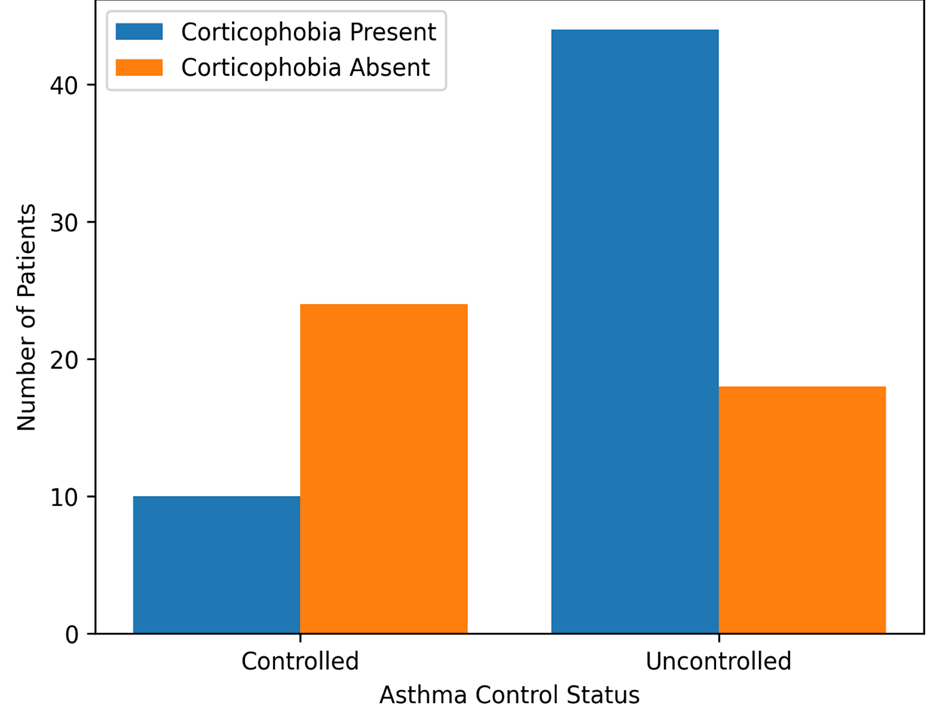
Figure 1: Association between Corticophobia and Asthma Control.
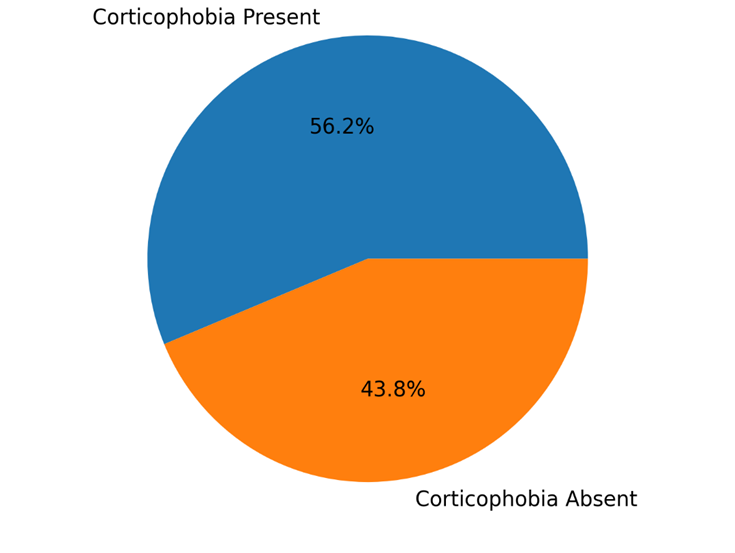
Figure 2: Prevalence of Corticophobia among Asthma Patients.
DISCUSSION :
The current paper shows that corticophobia is common in adult patients with asthma and has a strong correlation with poor drug adherence and poor asthma control. Over half of the participants had corticophobia, and there were large proportions with poor adherence and uncontrolled disease. These results support the acknowledgment of corticophobia as a significant behavioural obstacle in the treatment of asthma and not an incidental issue.
The prevalence of corticophobia (56.3%) is in line with previous research in varied population. The results of Plaza et al. 11 confirmed that negative perceptions of inhaler drugs and wrongful inhaling habits are strongly correlated with patient beliefs, which ultimately affect the adherence rate, which indicates that cognitive perceptions affect the effectiveness of therapeutic interventions. Alhassan et al. 12 also noted that the incorrect beliefs about asthma medications considerably influence adherence, and this situation ultimately results in a deliberate non-ad adherence, highlighting the impact of cognitive perceptions on therapeutic outcomes.
In spite of the fact that it is commonly researched among children, the power of beliefs on corticosteroids spreads to the adult population. According to Klok et al. 13, the perceptions of corticosteroids are negatively closely linked with decreased adherence among children, and such psychological tendencies might be maintained in adulthood. This is also evident in the current study, with attitudes based on fear seeming to prevail over clinical guidance, leading to the utilization of medications in the most suboptimal way possible.
There is some interventional evidence that indicates that adherence is enhanced with specific strategies. A Cochrane review by Normansell et al. 14 demonstrated that educational and behavioural interventions can be very useful in improving adherence to inhaled corticosteroids. The high rate of non-adherence (60.4%) demonstrated in the current study implies that the interventions are not fully implemented especially in limited resource settings.
Qualitative studies give additional information on patient behaviour. Amin et al. 15 have stated that a significant number of patients view asthma as an episodic condition, not a chronic one, which is likely to contribute to the high level of uncontrolled asthma (64.6%) in this study since patients are likely to stop taking controller medications once the symptoms have disappeared.
The close relationship between corticophobia and lack of adherence (p < 0.001) here is corroborated by the literature. In the study by George and Bender, the concept of adherence in asthma was characterized as multifactorial, with fear of side effects being one of the most significant contributors to intentional non-adherence. 16 In the current study, corticophobia patients were at risk of showing poor adherence more than three times, which shows the extent to which the behaviour is influenced.
In addition, corticophobia was also closely related to the uncontrolled asthma and 81.5% of patients with corticophobia had poor disease control. This observation identifies the clinical implications of non-adherence as a result of fear. Similar findings were made by Alhaddad et al. 17 who found that poor asthma control is associated with insufficient knowledge and increased fear of corticosteroids and that patient education is important.
Recent data also confirms the autonomous position of the medication beliefs in defining clinical outcomes. The fact that Sousa-Pinto et al. 18 discovered that negative attitudes towards asthma drugs are still a major contributor to inadequate asthma control despite controlling for clinical conditions supports the existing evidence, which indicates that psychological factors can have a direct effect on the outcomes of a disease.
Corticosteroid variability is another indicator of patient-related factors. Sadatsafavi et al. 19 found a disparity in the use of corticosteroids among populations, which, in part, could be explained by fear and misconceptions. This variability should be a contributor to the differences in asthma outcomes, especially in low-resource settings.
These observations are supported by qualitative evidence. According to Zhang et al. 20, corticophobia is one of the most significant obstacles to adherence among patients and healthcare providers that was noted by patients and healthcare professionals alike. Patients tend to view corticosteroids primarily as substances with a high likelihood of adverse effects, whereas healthcare providers may struggle to effectively tackle them during a regular appointment. This communication divide is observed in the current study, in which high rates of corticophobia are still maintained even in the presence of effective therapies.
These findings have significant clinical implications. Corticophobia assessment with validated instruments should be included in asthma management. 13 The fear-related barriers can be identified early and targeted interventions can be undertaken to rectify the misconceptions and enhance adherence. Furthermore, the systematic patient education programs about the safety, efficacy, and need of inhaled corticosteroids need to be incorporated into the routine practice. It is also important to enhance physician-patient communication to develop trust and deal with concerns. 18
Such culturally sensitive strategies are especially relevant to low- and middle-income environments, where misconceptions can be so entrenched. To address corticophobia and maximize treatment outcomes, specific counselling approaches that take into account the educational level of the patients and their sociocultural background are necessary.
Finally, corticophobia is very common in adult asthma patients and is closely correlated with poor medication compliance and uncontrolled asthma. This is a preventable barrier that should be addressed by patient education, enhanced communication, and patient-centred care approaches to maximize asthma management outcomes.
Improving patient education on the rationale behind prescribing inhaled corticosteroids would be a valuable step to dispel fears regarding corticophobia and improve compliance. Evidence supports regular counselling, reinforcement of inhaler technique and routine incorporation of adherence monitoring in asthma care. Broader community awareness campaigns may help dispel misconceptions, too. Reassessing the burden/impact of averted CRC and adenoma multi-coloured statistics may help; more multicentre longitudinal studies are needed for validation, along with long-term outcome assessment.
Limitations of the Study:
This study utilized an adequate sample size to allow for the meaningful exploration between corticophobia, medication adherence, and asthma control. Simultaneous assessment of both behavioural and clinical outcomes adds to the clinical relevance of the findings. However, the cross-sectional design precludes causal inference. Single-centre study limits generalizability of findings. Moreover, reliance on self-reported adherence could introduce recall and reporting bias; some potential confounders remained not entirely adjusted.
CONCLUSION :
This paper shows that corticophobia is very common in adult asthmatics and it has a strong relation with poor adherence to medications and uncontrolled asthma. Corticosteroid-related fears contributed significantly to non-adherence to inhaled corticosteroid therapy and poor disease control in patients with corticosteroid-related fears, but not in patients without such fears. These results directly respond to the research aims because they indicate that corticophobia not only occurs in a high percentage of patients but also can be negatively influenced on adherence behaviour and asthma outcomes. These findings identify corticophobia as a major changeable behavioural obstacle in asthma treatment and that patient perceptions and beliefs also affect clinical outcomes not only based on pharmacological efficacy. To maximize adherence and attain improved levels of asthma control, it is necessary to address these misconceptions by means of structured education, enhancement of physician–patient communication and specific counselling. To sum up, corticophobia prevention must be viewed as a part and parcel of the whole asthma management process that will enhance treatment adherence and the overall disease outcomes.
REFERENCES:
1. Gidaris DK, Stabouli S, Bush A. Beware the inhaled steroids or corticophobia? Swiss Med Wkly. 2021;151:w20450. doi:10.4414/smw.2021.20450.
2. Hui RWH. Inhaled corticosteroid-phobia and childhood asthma: Current understanding and management implications. Paediatr Respir Rev. 2020;33:62–66. doi:10.1016/j.prrv.2019.03.009.
3. Yakar HI, Kanbay A. Evaluation of corticophobia in asthmatic patients. Niger J Clin Pract. 2020;23(8):1033–1038. doi:10.4103/njcp.njcp_341_19.
4. Petric Duvnjak J, Lozo Vukovac E, Ušić A. Perception of illness and fear of inhaled corticosteroid use among parents of children with asthma. Children (Basel). 2023;10(10):1597. doi:10.3390/children10101597.
5. Barakat M, Abdulrazzaq SB, Alzaghari LF, et al. Assessment of knowledge, perception, experience, and corticophobia toward corticosteroids. Inquiry. 2025;62:469580251333968. doi:10.1177/00469580251333968.
6. Barakat M, Elnaem MH, et al. Corticosteroid use and fear in the era of COVID-19. Healthcare (Basel). 2023;11(2):255. doi:10.3390/healthcare11020255.
7. Alkaya H, Altaş U, Çevik S, et al. Parental corticophobia in pediatric allergic diseases. Medicina (Kaunas). 2025;61(11):1959. doi:10.3390/medicina61111959.
8. Winders T, Fletcher M, Oppenheimer J, et al. Patient perspectives on corticosteroid use in asthma. J Asthma. 2025;62(7):1101–1111. doi:10.1080/02770903.2025.2466183.
9. Foster JM, McDonald VM, et al. Patient-perceived barriers to inhaled corticosteroid use in asthma. Chest. 2022;161(3):747–757. doi:10.1016/j.chest.2021.10.009.
10. Kaplan A, Price D. Treatment adherence in asthma: barriers and solutions. Allergy Asthma Immunol Res. 2021;13(2):191–203. doi:10.4168/aair.2021.13.2.191.
11. Plaza V, Giner J, Rodrigo GJ, et al. Errors in inhaler use and patient beliefs in asthma. Respir Med. 2022;191:106709. doi:10.1016/j.rmed.2021.106709.
12. Alhassan S, Hattab Y, Bajwa O, et al. Asthma medication beliefs and adherence. J Asthma. 2022;59(4):657–664. doi:10.1080/02770903.2021.1884213.
13. Klok T, Kaptein AA, Duiverman EJ, Brand PLP. Parental beliefs and adherence in childhood asthma. J Asthma. 2021;58(1):44–52. doi:10.1080/02770903.2019.1668793.
14. Normansell R, Kew KM, Stovold E. Interventions to improve adherence to inhaled corticosteroids. Cochrane Database Syst Rev. 2021;4:CD012226. doi:10.1002/14651858.CD012226.pub2.
15. Amin S, Soliman M, McIvor A, Cave A, Cabrera C. Understanding patient perceptions and adherence barriers in asthma therapy: a qualitative synthesis. Patient Prefer Adherence. 2020;14:541–551. doi:10.2147/PPA.S234651.
16. George M, Bender B. Adherence challenges in asthma therapy. Curr Opin Pulm Med. 2023;29(1):45–50. doi:10.1097/MCP.0000000000000923.
17. Alhaddad H, Alshammari T, et al. Corticosteroid knowledge and fear among asthma patients. Healthcare (Basel). 2023;11(9):1234. doi:10.3390/healthcare11091234.
18. Sousa-Pinto B, Azevedo LF, et al. Medication beliefs and asthma control. Allergy. 2024;79(2):345–354. doi:10.1111/all.15678.
19. Sadatsafavi M, Khakban A, Tavakoli H, et al. Trends in corticosteroid use in asthma populations. Respir Res. 2021;22:103. doi:10.1186/s12931-021-01696-x.
20. Zhang X, Ding R, Zhang Z, Chen M, Yin Y, Quint JK. Medication adherence in people with asthma: a qualitative systematic review of patient and health professional perspectives. J Asthma Allergy. 2023;16:515–527. doi:10.2147/JAA.S407552.