Effectiveness of Platelet Rich Plasma in Treatment of Psoriasis: A Systematic Review and Meta-Analysis Studies
- Muhammad Alkadri Anugrah , Intern, Department Dermatology, Venereology and Aesthetics, General Hospital dr. Sitanala, Tangerang, Banten, Indonesia
- Fitri Ayu Lestari , Intern, Department Dermatology, Venereology and Aesthetics, General Hospital dr. Sitanala, Tangerang, Banten, Indonesia
- Natalia Wijaya , Intern, Department Dermatology and Venereology and Aesthetics, Bali Mandara General Hospital,Bali, Indonesia
- Lisda Yolanda , Intern, Department Dermatology and Venereology and Aesthetics, Gatot Soebroto Army Central Hospital,Jakarta, Indonesia
- Prima Kartika Esti , Dermatovenereologists, Department Dermatology, Venereology and Aesthetics, dr. Sitanala General Hospital, Tangerang, Banten, Indonesia
- Eka Komarasari , Dermatovenereologists, Department Dermatology, Venereology and Aesthetics, dr. Sitanala General Hospital, Tangerang, Banten, Indonesia
Article Information:
Abstract:
Platelet rich plasma (PRP) therapy has shown potential in managing plaque psoriasis, a chronic, immune-mediated condition characterized by recurrent scaly red plaques on the skin. Despite its significant effectiveness, PRP remains underutilized in routine clinical practice due to limited awareness and insufficient evidence. Traditional treatments, such as topical agents, phototherapy, and systemic agents, have shown limited efficacy due to side effects and frequent injections. PRP therapy, however, has shown promise in reducing plaque size through mechanisms such as inhibiting NF-kB activity and releasing growth factors from platelets. Method: This systematic review and meta-analysis, conducted in adherence to PRISMA guidelines and utilizing the PICO framework, aims to evaluate the effectiveness of platelet-rich plasma (PRP) therapy in the treatment of psoriasis. The inclusion criteria encompass a wide range of study designs, including randomized controlled trials (RCTs), observational studies, quasi-experimental designs, case-control studies, and cross-sectional studies that specifically investigate the impact of PRP treatment in individuals with psoriasis. Conversely, studies that lack direct relevance to the therapeutic effects of PRP in psoriasis patients are excluded to ensure the review focuses on high-quality, pertinent evidence. Result: Following three levels of screening, ten articles pertinent to the systematic review were selected for full-text analysis. The selected articles illustrate a recent publication trend, featuring works published in PubMed, Sage Journal, Lancet, and ScienceDirect from 2014 to 2024. Conclusion: Psoriasis treatment with PRP seems promising, outperforming methotrexate, corticosteroids, and biologics. A biologically matched method with minimal side effects may lower PASI scores. However, long-term efficacy, quality of life, and relapse rates are unknown. Additional study is needed to optimize application and evaluate cost-effectiveness.
Keywords:
Article :
INTRODUCTION :
Psoriasis is a chronic, immune-mediated, papulosquamous condition characterized by recurrent scaly red plaques on the skin. Globally, its incidence varies, with approximately 3% of the population in the United States affected by the condition. Psoriasis typically manifests in two peak age groups: 15–20 years and 55–60 years.1 Among its various forms, plaque-type psoriasis, also known as psoriasis vulgaris, is the most prevalent. This variant presents with well-defined, red, and itchy patches covered with silvery scales, often merging to cover large areas of the skin. Commonly affected sites include the trunk, limbs, and scalp.2 Beyond its physical manifestations, psoriasis profoundly impacts patients’ quality of life, contributing to significant psychological and emotional distress.
The underlying pathogenesis of psoriasis involves a complex interplay between innate and adaptive immune responses.3 In some patients, endogenous signals and cytokines activate the innate immune system, perpetuating an autoinflammatory response. In others, T-cell-driven autoimmune processes dominate. Consequently, psoriasis demonstrates characteristics of both autoimmune and autoinflammatory disorders, with overlapping mechanisms that exacerbate its progression.4 The disease pathogenesis is typically divided into initiation and maintenance phases. The initiation phase can be triggered by trauma, infections, or drugs, while the maintenance phase is driven by chronic immune activation. Dendritic cells play a pivotal role in the early stages, potentially recognizing antimicrobial peptides (AMPs) overexpressed in psoriatic skin. The adaptive immune response, particularly the Th17 pathway, drives the maintenance phase through cytokines such as interleukin (IL)-17, IL-21, and IL-22, which promote keratinocyte proliferation. The inflammatory TNF-α–IL-23–Th17 axis is a hallmark of plaque psoriasis, and therapies targeting these pathways, including TNF-α inhibitors and JAK/STAT inhibitors, have shown efficacy. However, their use is limited by significant side effects.3,4
Standard psoriasis treatments include topical agents, phototherapy, and systemic therapies. First-line treatments often involve topical corticosteroids and vitamin D analogs like calcipotriol. Second-line options include phototherapy and systemic agents such as methotrexate (MTX), which has been a mainstay of treatment since its FDA approval in 1972. Despite its effectiveness, up to 78% of patients on MTX report adverse effects, including gastrointestinal complaints and, in severe cases, life-threatening infections.5 The limitations of traditional therapies have spurred the development of biologics, and human monoclonal antibodies targeting pro-inflammatory cytokines. These have revolutionized psoriasis management, particularly for moderate-to-severe cases, with recent approvals such as risankizumab and tildrakizumab demonstrating significant efficacy.6,7 However, biologics are not without challenges; frequent injections, potential side effects such as infections, and patient dissatisfaction with current therapies underscore the need for alternative treatments.8
Among emerging therapeutic options, platelet-rich plasma (PRP) has gained attention for its potential role in managing plaque psoriasis. PRP, widely studied for orthopedic injuries and aesthetic dermatology, has shown promise in reducing the size of psoriatic plaques through mechanisms such as inhibiting NF-kB activity and releasing growth factors from platelets.9,10 Despite its potential, PRP remains underutilized in routine clinical practice for psoriasis due to limited awareness and insufficient evidence. This review aims to evaluate the effectiveness of PRP therapy in treating psoriasis, highlighting its safety profile and clinical efficacy while providing a comprehensive analysis of the current evidence base.
Methods:
This systematic review and meta-analysis was conducted in strict accordance with the PRISMA (Preferred Reporting Items for Systematic Reviews and Meta-Analyses) guidelines. The research question was defined a priori using the PICO framework (Population, Intervention, Comparator, and Outcomes) to ensure clarity and focus. The population of interest included individuals diagnosed with psoriasis. The intervention evaluated was platelet-rich plasma (PRP) therapy, compared to conventional treatments for psoriasis. The primary outcome assessed was the effectiveness of PRP therapy in managing psoriasis symptoms and improving clinical outcomes.
Eligibility Criteria
This systematic review and meta-analysis aims to evaluate the effectiveness of PRP therapy in the treatment of psoriasis. To ensure a comprehensive analysis, studies employing various designs will be considered, including randomized controlled trials (RCTs), observational studies, quasi-experimental designs, and case-control studies. Eligible studies must specifically examine the impact of PRP therapy on the treatment of psoriasis.
The inclusion criteria focus on adults aged 18 years and older diagnosed with psoriasis, with no restrictions on gender or geographical location. Studies will be excluded if they are not directly related to psoriasis, lack original data, or fail to address the therapeutic impact of PRP on psoriasis. Additionally, studies without a comparison group or those comparing different aspects of PRP therapy without addressing its effectiveness in psoriasis treatment will not be included.
The analysis requires comparison groups, with eligible studies including those that compare PRP therapy to other conventional or alternative treatments for psoriasis. Outcome measures of interest center on the clinical effectiveness of PRP therapy, such as symptom improvement and disease management. Studies that report unrelated outcomes or do not directly address PRP's impact on psoriasis will be excluded.
These inclusion and exclusion criteria are carefully designed to ensure the selection of high-quality studies that directly contribute to understanding the effectiveness of PRP therapy for psoriasis. By maintaining a rigorous selection process, this systematic review and meta-analysis will provide a thorough and evidence-based evaluation of the current literature.
Data Sources and Search Strategy
To investigate the effectiveness of PRP therapy for psoriasis, a robust and comprehensive search strategy was implemented. The authors conducted a systematic review of relevant bibliographic databases, including PubMed, The Lancet, Google Scholar, and ScienceDirect, ensuring a thorough exploration of the available literature.
Table 1. Search Strategy
|
Database |
Search Strategy |
Hits |
|
Pubmed |
("psoriasis" AND “platelet rich plasma” AND "effectiveness") |
3 |
|
Science Direct |
("psoriasis" AND “platelet rich plasma” AND "effectiveness") |
166 |
|
Sagepub |
("psoriasis" AND “platelet rich plasma” AND "effectiveness") |
28 |
Study Selection
The screening process for eligibility involved a thorough review of titles and abstracts by two independent investigators. Studies that met the predefined eligibility criteria were selected for further analysis, with full-text articles subsequently retrieved and meticulously reviewed. Any discrepancies in the selection process were addressed and resolved through consensus among all authors, ensuring a rigorous and unbiased study inclusion process.
|
Records identified from PubMed, SagePub, SpringerLink, and Google Scholar (n = 197) |
|
Records removed before screening: Duplicate records removed (n = 24) |
|
Records screened (n = 173) |
|
Records excluded (n = 149) |
|
Reports assessed for eligibility (n = 24) |
|
Full-text articles excluded according to JBI appraisal (n = 19) |
|
Studies included in quantitative synthesis (meta-analysis) (n = 5) |
|
Identification of studies via databases |
|
Identification |
|
Screening
|
|
Included |
|
Eligibility |
Figure 1. Search strategy and selection of studies for the meta-analysis.
Data Extraction
Data extraction was carried out independently and in duplicate by the authors using the full-text versions of eligible studies to ensure accuracy and reliability. Extracted data included the total number of events and controls related to the use of platelet-rich plasma (PRP) therapy for the treatment of psoriasis. Tabular data provided within the studies served as the primary source for extraction, enabling a structured and systematic collection of relevant information.
Risk of Bias
The quality of evidence was assessed using the GRADE (Grading of Recommendations, Assessment, Development, and Evaluations) system. The risk of bias was carefully evaluated, considering potential limitations in study design. Randomized controlled trials (RCTs) were classified as high-quality evidence, while observational studies were deemed low-quality evidence. Each study was rigorously examined for methodological limitations, and the risk of bias was systematically evaluated across studies for each outcome, ensuring a comprehensive and transparent assessment of the evidence.
Heterogeneity
Heterogeneity was assessed by examining the consistency of point estimates, the degree of overlap in confidence intervals, and statistical measures such as the I² statistic. To further investigate potential sources of heterogeneity, subgroup analyses were conducted, providing deeper insights into variations across studies.
Evaluating the Quality of Evidence
The GRADE approach was utilized to enhance the quality of evidence by considering key factors, including the magnitude of pooled effects, observed dose-response relationships, and the potential influence of confounding variables.
Table 2. Critical appraisal of Study
|
Parameters |
(Chakravdhanula et al11., 2016) |
(Atwa et al12., 2018) |
(Rahman et al13., 2018) |
(Kaur & Jakhar14., 2019) |
(Kauhl et al15., 2021) |
(Anwar et al16., 2022) |
(Nandad et al17., 2022) |
(Pixley et al18., 2022) |
(Bunjaj et al19., 2023) |
(Vladulescu et al20., 2024) |
|
1. Bias related to temporal precedence |
|
|
|
|
|
|
|
|
|
|
|
Is it clear in the study what is the “cause” and what is the “effect” (ie, there is no confusion about which variable comes first)? |
Yes |
Yes |
Yes |
Yes |
Yes |
Yes |
Yes |
Yes |
Yes |
Yes |
|
2. Bias related to selection and allocation |
|
|
|
|
|
|
|
|
|
|
|
Was there a control group? |
No |
Yes |
No |
No |
No |
No |
Yes |
No |
No |
No |
|
3. Bias related to confounding factors |
|
|
|
|
|
|
|
|
|
|
|
Were participants included in any comparisons similar? |
|
|
|
|
|
|
|
|
|
|
|
Yes |
Yes |
Yes |
Yes |
Yes |
Yes |
Yes |
No |
Yes |
No |
|
|
4. Bias related to administration of intervention/exposure |
|
|
|
|
|
|
|
|
|
|
|
Were the participants included in any comparisons receiving similar treatment/care, other than the exposure or intervention of interest?
|
Yes |
Yes |
Yes |
No |
Yes |
Yes |
Yes |
No |
No |
No |
|
5. Bias related to assessment, detection, and measurement of the outcome |
|
|
|
|
|
|
|
|
|
|
|
Were there multiple measurements of the outcome, both pre and post the intervention/exposure? |
No |
Yes |
No |
No |
No |
No |
Yes |
No |
No |
No |
|
Were the outcomes of participants included in any comparisons measured in the same way? |
Yes |
Yes |
Yes |
No |
Yes |
Yes |
Yes |
No |
Yes |
No |
|
Were outcomes measured in a reliable way? |
Yes |
Yes |
Yes |
Yes |
Yes |
Yes |
Yes |
Yes |
Yes |
No |
|
6. Bias related to participant retention |
|
|
|
|
|
|
|
|
|
|
|
Was follow-up complete and, if not, were differences between groups in terms of their follow-up adequately described and analyzed? |
Yes |
Yes |
Yes |
No |
Yes |
No |
Yes |
No |
No |
No |
|
7. Statistical conclusion validity |
|
|
|
|
|
|
|
|
|
|
|
Was appropriate statistical analysis used? |
Yes |
Yes |
Yes |
Yes |
Yes |
Yes |
Yes |
Yes |
Yes |
No |
RESULTS:
Following a three-tier screening process, 10 articles directly relevant to this systematic review were selected for full-text assessment and analysis. The selected articles, along with their respective publication years, are detailed in Figure 1. As depicted in the figure, these articles represent a selection of recent studies published between 2014 and 2024. The sources include prominent databases and journals, such as PubMed, Sage Journals, The Lancet, and ScienceDirect, ensuring a comprehensive representation of the current literature on the topic.
|
Author |
Origin |
Method |
Sample Size |
Result |
|
Chakravdanula, et al.11 (2016) |
India |
A pilot study conducted at a hospital involved 21 patients with plaque psoriasis. The group included patients aged 18-60 with stable psoriasis for 6 months. PRP was prepared from peripheral blood and administered to patients in combination or monotherapy. The study evaluated PSA, PASI score, and adverse events. |
21 participants |
PRP treatment significantly improved patients with hard-to-treat psoriasis, regardless of age, gender, PASI score, disease duration, or prior systemic treatment. Patients treated with PRP and MTX showed significant improvement in erythema, induration, and desquamation. |
|
Atwa, et al.12 (2018) |
Egypt |
The RCT involved 24 psoriasis patients at Suez Canal University Hospitals, who received weekly injections of PrP and saline as a placebo. Skin biopsies were taken before and after treatment, assessing IL17 expression. |
24 participants |
The treatment with PrP significantly decreased clinical response parameters such as size, erythema, thickness, and scaling, while plaques injected with saline showed only a significant decrease in scaling. Additionally, 6 out of 9 plaques positive for IL17 turned negative after PrP treatment, indicating a positive clinical response. |
|
Rahman, et al.13 (2018) |
Egypt |
The prospective study evaluated the efficacy of platelet rich plasma (PRP) in managing chronic patients with recalcitrant plaque psoriasis, involving 30 cases from outpatient clinics at Benha University Hospitalis, approved by the Dermatology, Venereology, and Andrology Department. |
30 participants |
The study revealed that the PASI score significantly decreased in group I after 8 and 16 weeks of treatment compared to the baseline (p =0.001). However, no significant difference was observed in group II at either week 8 or 16 compared to the baseline (p =0.894). Informed consent was obtained from all patients. |
|
Kauhl, et al.15 (2021) |
Germany |
The cohort study (over 53 months), 30 patients with psoriasis were treated with PRP. PRP was prepared and injected subdermally, with follow-ups at three, six, nine, and 12 weeks. Psoriasis Area and Severity Index (PASI) and Eczema Area and Severity Index (EASI) were calculated, with statistical evaluation at p≤0.05. |
30 participants |
A study of 30 patients with plaque psoriasis found that the elbow area was the most common treatment area, with an average lesion size decreasing from 8.2 cm2 to 0.3 cm2. 80% of patients achieved complete remission, while 50% achieved complete remission. No adverse events were reported. |
|
Anwar, et al.16 (2022) |
Pakistan |
PRP and MTX were administered to 73 patients in a descriptive case series at FJMU/SGRH Lahore. The patients were treated under the supervision of a consultant dermatologist for 16 weeks, with results calculated by the end of the 16th week. Both treatments were administered intra-lesional to avoid toxicity. |
73 participants |
The study found that the efficacy of intradermal injection of platelet rich plasma in combination with methotrexate in patients with chronic plaque psoriasis is highly effective, with 82.19% of cases meeting the operational definition, and 17.81% not meeting the criteria, resulting in substantial improvement in PASI score. |
|
Nanda, et al.17 (2022) |
Indonesia |
The research design involved a randomized clinical trial with a parallel design, involving 20 psoriasis Vulgaris patients. The intervention group received two PRP injections and topical combination therapy, while the control group received only topical combination therapy. |
20 participants |
PRP treatment significantly reduces the severity of psoriasis Vulgaris and improves the quality of life for patients, as evidenced by a decrease in PASI and DLQI scores compared to the control group. |
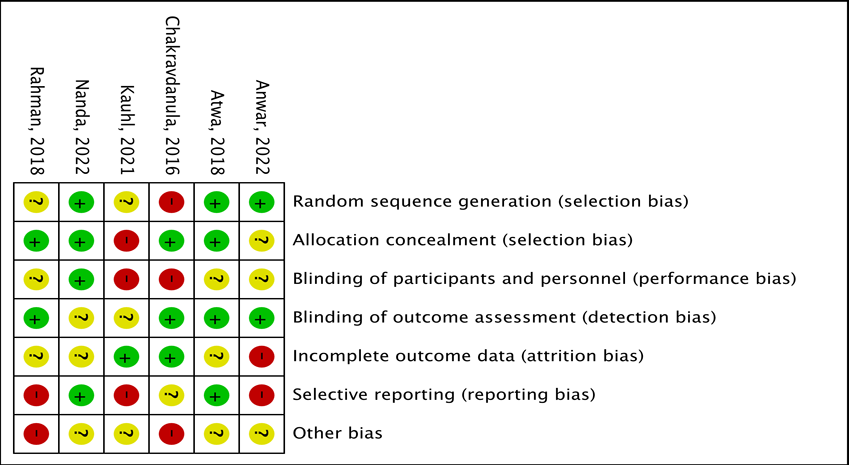
Figure 2. Risk of bias summary: review authors' judgements about each risk of bias item for each included study.
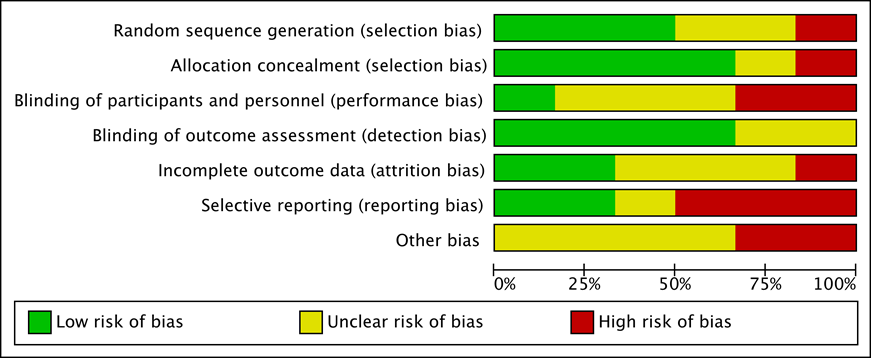
Figure 3. Risk of bias graph: review authors' judgements about each risk of bias item presented as percentages across all included studies.
The primary objective of this analysis is to evaluate the efficacy of platelet-rich plasma (PRP) therapy in patients with psoriasis. Forest plots, displayed in Figure 4, illustrate the odds ratio (OR) for PRP treatment efficacy compared to a control group. The plot includes the log odds ratio and 95% confidence intervals (CI). Among the 173 patients who received PRP therapy, a significant proportion demonstrated improved outcomes compared to the control group. In contrast, 163 patients in the control group showed less favorable efficacy than those receiving PRP treatment. The calculated OR for improving efficacy with PRP therapy compared to the control group was 11.03, with a 95% CI ranging from 6.46 to 18.84. The p-value for this comparison was <0.00001, indicating a statistically significant difference in treatment outcomes between the PRP and control groups.
A heterogeneity analysis using the I² statistic revealed a value of 27%, suggesting that only a small portion of the variability in effect sizes across studies could be attributed to heterogeneity rather than sampling error. This relatively low level of heterogeneity, coupled with overlapping confidence intervals among individual studies, highlights the consistency of the results. These findings reinforce the reliability of the evidence supporting the superior efficacy of PRP therapy in treating psoriasis when compared to conventional treatment approaches.
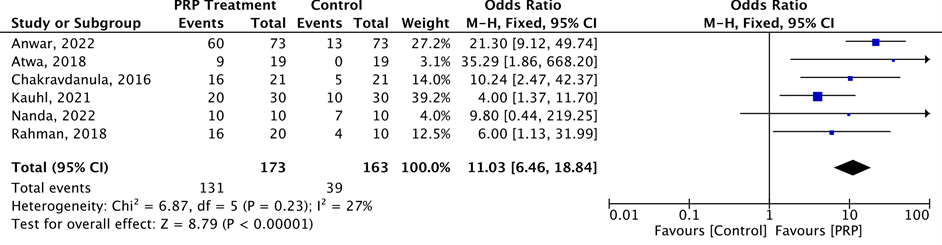
Figure 4. Forest Plot of Related Findings
DISCUSSION :
Platelet-rich plasma (PRP) therapy has gained recognition as an effective and generally safe treatment option for plaque psoriasis. Unlike conventional treatments such as methotrexate (MTX), corticosteroids, or biologics, PRP offers several advantages, including minimal adverse effects. As PRP utilizes autologous blood components, it reduces the risk of complications or severe side effects often seen with other therapies.15 However, it remains unclear whether PRP can lower the relapse rates commonly associated with these traditional treatments. This uncertainty highlights the need for further longitudinal studies to explore the durability of PRP's therapeutic effects in psoriasis management.21
Clinical evidence presented in this study underscores the potential of PRP to significantly reduce Psoriasis Area and Severity Index (PASI) scores, demonstrating its efficacy compared to existing treatment modalities. Nevertheless, whether PRP can profoundly improve the quality of life for psoriasis patients remains under-researched.11-13,15-17 By offering a treatment that minimizes dependency on medications known for severe side effects, PRP provides an innovative and biologically aligned approach. This positions PRP as a promising alternative to conventional therapies, with the potential to revolutionize psoriasis care.
However, more research is necessary to understand its impact on psychosocial factors and long-term quality of life.
While existing clinical studies have shown promising results regarding PRP therapy's effectiveness, their relatively small sample sizes have limited the generalizability of findings. Small-scale studies, though informative, fail to capture the broader implications of the therapy across diverse populations. 11-13,15-17 The consensus among researchers is that larger, multi-center trials are essential to establish robust evidence for PRP's efficacy. Such studies should also focus on evaluating the variability in response rates among patients with differing demographic and clinical characteristics. Addressing these gaps will enhance our understanding of PRP as a viable treatment for plaque psoriasis.14
Future research should emphasize the standardization of PRP protocols to improve consistency in outcomes. PRP must be tested as a standalone treatment in trials that directly compare its effectiveness to current standard treatments, such as MTX, corticosteroids, and biologics.17 Additionally, studies should explore different preparation techniques, concentrations, and application protocols to optimize the therapeutic potential of PRP. These efforts are critical to determining the most effective and practical ways to incorporate PRP into routine clinical practice for managing plaque psoriasis.22-24
Despite its promise, challenges related to the accessibility and formulation of PRP remain. The preparation of PRP requires specialized equipment and expertise, which can be a barrier in under-resourced or remote healthcare settings. While commercial kits are available, the development of simplified PRP preparation techniques suitable for smaller clinics could bridge this gap. Collaborations between researchers and healthcare providers are essential to create cost-effective, user-friendly PRP systems. Additionally, investment in training programs for healthcare workers, particularly in rural areas, could expand the availability of this innovative treatment.25 Addressing these logistical and resource-related challenges will be key to making PRP therapy widely accessible and practical for patients with psoriasis.
Lastly, the economic implications of PRP therapy deserve further exploration. Traditional psoriasis treatments, including biologics and systemic therapies, impose substantial financial burdens on patients due to their high costs and long-term nature. PRP therapy, with its potential for durable results and reduced reliance on other medications, could offer significant cost savings. By decreasing the frequency of follow-up visits and maintenance treatments, PRP might alleviate both financial and logistical burdens for patients.26 However, robust studies assessing the cost-effectiveness of PRP in psoriasis treatment are needed to substantiate these claims and inform healthcare policy.
CONCLUSION :
Platelet-rich plasma (PRP) therapy has emerged as a promising and generally safe treatment for plaque psoriasis, offering distinct advantages over conventional options like methotrexate (MTX), corticosteroids, and biologics. Utilizing autologous blood components, PRP minimizes the risk of severe side effects and provides a biologically aligned approach to treatment. Clinical evidence indicates its potential to significantly reduce Psoriasis Area and Severity Index (PASI) scores, although its long-term effectiveness, impact on quality of life, and ability to reduce relapse rates remain underexplored. The need for larger, multi-center trials and standardized protocols is critical to solidify its role in psoriasis care. Additionally, addressing challenges related to PRP accessibility and preparation, particularly in under-resourced areas, is essential for broader adoption. PRP also holds the potential to reduce the financial burden of psoriasis treatment by offering a cost-effective, durable alternative. However, further research is necessary to optimize its application, assess cost-effectiveness, and confirm its viability as a transformative option in psoriasis management.
BIBLIOGRAPHY:
1. Burshtein, J., Strunk, A., & Garg, A. (2021). Incidence of psoriasis among adults in the United States: A sex- and age-adjusted population analysis. Journal of the American Academy of Dermatology, 84(4), 1023–1029. https://doi.org/10.1016/j.jaad.2020.11.039
2. Fatema, F., Ghoshal, L., Saha, A., Agarwal, S., & Bandyopadhyay, D. (2021). Early-Onset Versus Late-Onset Psoriasis: A Comparative Study of Clinical Variables, Comorbidities, and Association with HLA CW6 in a Tertiary Care Center. Indian journal of dermatology, 66(6), 705. https://doi.org/10.4103/ijd.ijd_45_21
3. Rendon, A., & Schäkel, K. (2019). Psoriasis Pathogenesis and Treatment. International Journal of Molecular Sciences, 20(6), 1475. https://doi.org/10.3390/ijms20061475
4. Harden, J. L., Krueger, J. G., & Bowcock, A. M. (2015). The immunogenetics of Psoriasis: A comprehensive review. Journal of Autoimmunity, 64, 66–73. https://doi.org/10.1016/j.jaut.2015.07.008
5. Czarnecka-Operacz, M., & Sadowska-Przytocka, A. (2014). The possibilities and principles of methotrexate treatment of psoriasis – the updated knowledge. Advances in Dermatology and Allergology, 6, 392–400. https://doi.org/10.5114/pdia.2014.47121
6. Kalra, B., Batta, A., & Khirasaria, R. (2020). Trends in FDA drug approvals over last 2 decades: An observational study. Journal of Family Medicine and Primary Care, 9(1), 105. https://doi.org/10.4103/jfmpc.jfmpc_578_19
7. Ruggiero, A., Picone, V., Martora, F., Fabbrocini, G., & Megna, M. (2022). Guselkumab, Risankizumab, and Tildrakizumab in the Management of Psoriasis: A Review of the Real-World Evidence. Clinical Cosmetic and Investigational Dermatology, Volume 15, 1649–1658. https://doi.org/10.2147/ccid.s364640
8. Florek, A. G., Wang, C. J., & Armstrong, A. W. (2018). Treatment preferences and treatment satisfaction among psoriasis patients: a systematic review. Archives of dermatological research, 310(4), 271–319. https://doi.org/10.1007/s00403-018-1808-x
9. Davey, M. S., Hurley, E. T., Withers, D., Moran, R., & Moran, C. J. (2020). Anterior Cruciate Ligament Reconstruction with Platelet-Rich Plasma: A Systematic Review of Randomized Control Trials. Arthroscopy : the journal of arthroscopic & related surgery : official publication of the Arthroscopy Association of North America and the International Arthroscopy Association, 36(4), 1204–1210. https://doi.org/10.1016/j.arthro.2019.11.004
10. Miron, R. J., Moraschini, V., Fujioka-Kobayashi, M., Zhang, Y., Kawase, T., Cosgarea, R., Jepsen, S., Bishara, M., Canullo, L., Shirakata, Y., Gruber, R., Ferenc, D., Calasans-Maia, M. D., Wang, H., & Sculean, A. (2021). Use of platelet-rich fibrin for the treatment of periodontal intrabony defects: a systematic review and meta-analysis. Clinical Oral Investigations, 25(5), 2461–2478. https://doi.org/10.1007/s00784-021-03825-8
11. Chakravdhanula, U., Anbarasu, K., Verma, V. K., & Beevi, S. S. (2016). Clinical efficacy of platelet rich plasma in combination with methotrexate in chronic plaque psoriatic patients. Dermatologic Therapy, 29(6), 446–450. https://doi.org/10.1111/dth.12388
12. Atwa, E. S. M. M. M. A., MD, & Ismail, S. F. M. M. N. A., MD. (2018). Interleukin 17 Expression in Psoriatic Skin Lesions before and after Treatment with Platelet Rich Plasma (PrP). The Medical Journal of Cairo University/the Medical Journal of Cairo University, 86(6), 1447–1456. https://doi.org/10.21608/mjcu.2018.56346
13. Rahman, S. A., Salem, R., & Ahmed, A. (2018). Evaluation of Platelet Rich Plasma in the Management of Psoriasis. Benha Journal of Applied Sciences, 3(1), 21–25. https://doi.org/10.21608/bjas.2018.179330
14. Kaur, I., & Jakhar, D. (2019). Intramatricial platelet‐rich plasma therapy: A novel treatment modality in refractory nail disorders. Dermatologic Therapy, 32(2), e12831. https://doi.org/10.1111/dth.12831
15. Kauhl, W., Pototschnig, H., & Paasch, U. (2021). Can Platelet-Rich Plasma Reduce the Burden of Inflammatory Skin Diseases Such as Psoriasis and Atopic Dermatitis? Cureus. https://doi.org/10.7759/cureus.18472
16. Anwar, M., Siddiqui, S., Shahzad, A., Rasheed, T., & Anwar, M. (2022). Efficacy of intralesional injection of platlet rich plasma in combination with methoterexate in chronic plaque psoriasis. Journal of Pakistan Association of Dermatologists, 32(02), 233–238.
17. Nanda, E., Yunita, C., Bulqiah, M., Tasrif, A. Y., & Maghfirah, K. (2022). The Effect of The Administration of The Platelet-Rich Plasma on The Severity of Psoriasis Vulgaris. Journal of Medical Science, 03(02), 88–96. https://doi.org/10.55572/jms.v3i2.79
18. Pixley, J. N., Cook, M. K., Singh, R., Larrondo, J., & McMichael, A. J. (2022). A comprehensive review of platelet-rich plasma for the treatment of dermatologic disorders. Journal of Dermatological Treatment, 34(1). https://doi.org/10.1080/09546634.2022.2142035
19. Bunjaj, A., Brandao, L., Siracuse, K., & Soti, V. (2023). Platelet-Rich Plasma for the Treatment of Plaque Psoriasis: A Systematic Review. Cureus, 15(12), e50356. https://doi.org/10.7759/cureus.50356
20. Vladulescu, D., Scurtu, L. G., Simionescu, A. A., Scurtu, F., Popescu, M. I., & Simionescu, O. (2023). Platelet-Rich Plasma (PRP) in Dermatology: Cellular and Molecular Mechanisms of Action. Biomedicines, 12(1), 7. https://doi.org/10.3390/biomedicines12010007
21. Tian, D., & Lai, Y. (2022). The Relapse of Psoriasis: Mechanisms and Mysteries. JID innovations : skin science from molecules to population health, 2(3), 100116. https://doi.org/10.1016/j.xjidi.2022.100116
22. Sbidian, E., Chaimani, A., Garcia-Doval, I., Do, G., Hua, C., Mazaud, C., Droitcourt, C., Hughes, C., Ingram, J. R., Naldi, L., Chosidow, O., & Le Cleach, L. (2017). Systemic pharmacological treatments for chronic plaque psoriasis: a network meta-analysis. The Cochrane database of systematic reviews, 12(12), CD011535. https://doi.org/10.1002/14651858.CD011535.pub2
23. Sbidian, E., Chaimani, A., Afach, S., Doney, L., Dressler, C., Hua, C., Mazaud, C., Phan, C., Hughes, C., Riddle, D., Naldi, L., Garcia-Doval, I., & Le Cleach, L. (2020). Systemic pharmacological treatments for chronic plaque psoriasis: a network meta-analysis. The Cochrane database of systematic reviews, 1(1), CD011535. https://doi.org/10.1002/14651858.CD011535.pub3
24. Augustin, M., Schuster, C., Mert, C., & Nast, A. (2022). The Value of Indirect Comparisons of Systemic Biologics for Psoriasis: Interpretation of Efficacy Findings. Dermatology and therapy, 12(8), 1711–1727. https://doi.org/10.1007/s13555-022-00765-3
25. Vaidya, T., Zubritsky, L., Alikhan, A., & Housholder, A. (2018). Socioeconomic and geographic barriers to dermatology care in urban and rural US populations. Journal of the American Academy of Dermatology, 78(2), 406–408. https://doi.org/10.1016/j.jaad.2017.07.050
26. Feldman, S. R., Tian, H., Gilloteau, I., Mollon, P., & Shu, M. (2017). Economic burden of comorbidities in psoriasis patients in the United States: results from a retrospective U.S. database. BMC health services research, 17(1), 337. https://doi.org/10.1186/s12913-017-2278-0