Neurological Complications in Patients Undergoing Major Abdominal Surgery: Incidence and Risk Factors at PUMHS
- Abdul Hafeez Bughio , Fcps Neurology, Associate professor of Neurology, Department of neurology, Liaquat University of medical and health sciences Jamshoro Sindh Pakistan
- Shahida Parveen , MS General Surgery. Associate professor. Department of Surgery PUMHS Hospital Nawabshah. Email:
- Naeem Ul Karim Bhatti , MBBS MS, Associate professor, Department of Surgery, PUMHS Hospital Nawabshah
- Noor Nabi siyal , FCPS Neurology, FCPS Medicine, Associate Professor, neurology ward PMC Hospital Nawab shah.
- Sajjad Hussain Qureshi , MBBS, MS (General Surgery), Associate Professor, Surgery, Department of Surgery, People’s University of Medical Health Sciences For Women Nawabshah, District SBA, Sindh, Pakistan
- Mohammad Ramzan Panhwar , Associate Professor and Head Department Of Pulmonology People's Medical University Of Health Sciences for Women Nawab shah SBA Degree: MBBD, MD Pulmonology, DTCD. Designation: Associate Professor and Head of Department Pulmonology.
- Shakila Imtiaz Qureshi , MBBS,Mphil(Biochemistry) Assistant Professor Department of Biochemistry
Article Information:
Abstract:
Objectives: This study aimed to assess the incidence and identify major risk factors associated with neurological complications following major abdominal surgery at a tertiary care center in Pakistan. Study Design and Setting: A prospective cohort study was conducted over one year at the Peoples University of Medical and Health Sciences for Women (PUMHSW), Nawabshah. Methodology: A total of 350 adult patients undergoing elective major abdominal surgeries were enrolled. Comprehensive data were gathered on demographic variables, comorbidities, surgical duration, anesthesia type, and intraoperative events. Postoperative neurological complications—including peripheral neuropathy, delirium, and stroke—were evaluated clinically and verified using standardized diagnostic criteria. Logistic regression was used to determine independent predictors. Results: Neurological complications were observed in 12.5% of the patients. Among them, peripheral neuropathy was the most prevalent (5%), followed by delirium (4%) and stroke (3.5%). Multivariate analysis revealed that advanced age (OR=2.1; p=0.01), prolonged surgical duration (OR=1.8; p=0.03), intraoperative hypotension (OR=2.5; p=0.005), and pre-existing diabetes mellitus (OR=1.9; p=0.02) were statistically significant risk factors. Patients who developed neurological complications had notably longer hospital stays and an increased risk of mortality. Conclusion: Although neurological complications are not exceedingly common, their occurrence can significantly impair postoperative recovery and survival. Early identification of high-risk individuals, especially elderly and diabetic patients—and vigilant perioperative management can reduce these complications and enhance patient outcomes.
Keywords:
Article :
INTRODUCTION :
Abdominal surgery encompasses a diverse range of operative procedures aimed at diagnosing or treating diseases involving the gastrointestinal tract, liver, pancreas, kidneys, spleen, reproductive organs, and other intra-abdominal structures. These procedures are fundamental in managing a broad spectrum of medical and surgical conditions, ranging from life-threatening malignancies and traumatic injuries to chronic inflammatory diseases and acute infections. Whether performed electively or emergently, abdominal surgeries are pivotal interventions in modern medicine. However, they are not without risks. Despite remarkable progress in surgical techniques, the widespread adoption of minimally invasive approaches, improvements in anesthesia, and advances in perioperative care, abdominal surgeries continue to be associated with considerable morbidity and mortality¹.
Among the spectrum of postoperative complications, neurological complications—although less common—stand out due to their significant impact on clinical outcomes and quality of life. Unlike more frequently encountered complications such as surgical site infections, bleeding, or cardiovascular events, neurological complications are often under-recognized but can be far more debilitating². These may manifest as transient or permanent cognitive dysfunction, postoperative delirium, stroke, peripheral neuropathies, or even spinal cord injury³. Such complications may not only delay early mobilization and rehabilitation but may also contribute to prolonged hospital stays, increased healthcare costs, and a higher risk of long-term disability or death⁴.
The pathophysiology of postoperative neurological complications is inherently complex and multifactorial. Patient-specific variables such as increasing age, diabetes mellitus, hypertension, obesity, smoking, and pre-existing cognitive impairment contribute significantly to a patient’s vulnerability⁵. From the surgical standpoint, factors such as the duration of the procedure, the invasiveness of the surgical technique, volume of blood loss, intraoperative fluid shifts, and hemodynamic instability—particularly intraoperative hypotension—are critically associated with neurological outcomes⁶. Moreover, certain anesthetic agents, prolonged use of sedatives or analgesics, and postoperative pain management strategies may also influence the incidence of neurologic events⁷.
One of the most extensively studied risk factors is intraoperative hypotension. Even brief episodes of reduced cerebral perfusion during surgery can compromise neurological function, especially in elderly patients or those with underlying cerebrovascular disease⁸. The brain's autoregulatory mechanisms may fail in such individuals, making them more susceptible to ischemic events. Prolonged hypotension may not only lead to stroke but can also precipitate postoperative delirium—a transient but distressing neurocognitive condition characterized by disorientation, agitation, and fluctuating mental status. Delirium is strongly associated with longer hospitalization, higher nursing care needs, and increased institutionalization rates⁹.
Another critical concern is the effect of surgical stress on patients with diabetes mellitus. Chronic hyperglycemia is well known to damage small blood vessels and nerves, leading to peripheral and autonomic neuropathies. These changes may be subclinical but can become symptomatic during or after surgery, particularly when glycemic control is poor or when additional stressors like hypotension, fluid shifts, or anesthesia are introduced¹⁰. Diabetic autonomic neuropathy, for example, may impair heart rate and blood pressure regulation, exacerbate intraoperative instability, and increase the likelihood of adverse neurological outcomes¹¹.
The type and duration of surgery also play an instrumental role. Extensive or prolonged abdominal surgeries, such as colorectal resections, major hepatectomies, or oncological procedures, are associated with greater physiological derangement. The longer a patient remains under general anesthesia and the more extensive the surgical field, the higher the risk of complications. These procedures typically involve significant tissue trauma, blood loss, and fluid resuscitation—factors that, combined with prolonged immobility, predispose patients to nerve compression injuries or thromboembolic events with neurological consequences¹².
Despite international studies highlighting these associations, there remains a dearth of data from low- and middle-income countries, including Pakistan, where healthcare systems face unique resource constraints, variations in perioperative care protocols, and differences in patient demographics. The lack of local data limits our ability to formulate effective guidelines and targeted interventions for preventing neurological complications in high-risk populations.
Recognizing this knowledge gap, the present study was undertaken at the Peoples University of Medical and Health Sciences for Women (PUMHSW), Nawabshah, with the primary objective of determining the frequency of postoperative neurological complications among patients undergoing major abdominal surgery. Furthermore, the study aimed to identify clinical and procedural risk factors associated with these outcomes, with a focus on comorbidities such as diabetes and hypertension, surgical duration, anesthetic management, and intraoperative events such as hypotension.
Understanding the local patterns of neurological morbidity following abdominal surgery is crucial for improving risk prediction, preoperative counseling, intraoperative monitoring, and early detection of complications. This knowledge can help inform the development of institutional protocols for perioperative neuroprotection, particularly in vulnerable subgroups such as the elderly and those with metabolic syndrome.
In the broader context, the findings of this study have important implications for resource allocation, surgical planning, and healthcare policy. Neurological complications increase both the direct and indirect costs of care through prolonged hospital stays, need for intensive monitoring, additional diagnostic tests, rehabilitation, and in some cases, long-term care. As the global burden of non-communicable diseases grows and surgical volumes increase, there is an urgent need for robust, evidence-based strategies to minimize these complications.
Initiative-taking risk stratification, individualized perioperative management, and vigilance in postoperative care are essential to safeguarding neurological outcomes in patients undergoing major abdominal surgeries. This study represents an essential step toward building that evidence base in the local context.
MATERIAL AND METHODS:
This prospective observational study was conducted over a one-year period, from January 1, 2023, to December 31, 2023, in the Departments of Surgery and Neurology at the Peoples University of Medical and Health Sciences for Women (PUMHSW), Nawabshah. The study aimed to investigate the incidence and predictors of neurological complications in patients undergoing major abdominal surgery. Ethical approval was secured from the Institutional Review Board of PUMHSW (ERC reference number: PUMHS/ERC/2022/041), ensuring compliance with the ethical principles outlined in the Declaration of Helsinki. Before inclusion, all participants were briefed in detail about the nature, purpose, and potential risks of the study. Written informed consent was obtained in the local language from every patient. Participants were assured of the confidentiality of their data, voluntary participation, and the right to withdraw at any stage without affecting the quality of their care.
A total of 350 adult patients scheduled for elective major abdominal surgeries under general anesthesia were included in the study. The sample size was calculated using the OpenEpi sample size calculator, based on a prior reported prevalence of neurological complications post-abdominal surgery of 12%, a 95% confidence level, and a 5% margin of error. Patients were enrolled consecutively over the study duration. Inclusion criteria encompassed patients aged 18 years and above who underwent elective open or laparoscopic major abdominal surgery with general anesthesia. Patients were excluded if they had documented pre-existing neurological deficits such as prior stroke, dementia, Parkinson’s disease, or known peripheral neuropathy. Similarly, patients undergoing emergency abdominal procedures, those who received only regional anesthesia, and those who were lost to follow-up or had incomplete clinical records were not considered eligible for analysis.
Data collection was performed prospectively using a structured proforma developed specifically for the study. This proforma captured a wide range of variables including demographic information (age, gender, body mass index), comorbid conditions (such as hypertension, diabetes mellitus, and ischemic heart disease), preoperative laboratory values, and surgical details. Information was also gathered regarding the type and duration of surgery, the type of anesthesia used, estimated intraoperative blood loss, and the need for transfusions. Emphasis was placed on intraoperative events such as episodes of hypotension (defined as a systolic blood pressure drop >20% from baseline), oxygen desaturation (SpO₂ <92%), and vasopressor use.
Postoperatively, all patients were closely monitored for neurological complications for a minimum of 72 hours. The attending surgical and neurology teams conducted daily clinical examinations to detect any new neurological signs or symptoms. The complications of interest included postoperative delirium, ischemic stroke, and peripheral neuropathy. Delirium was diagnosed based on clinical evaluation using the Confusion Assessment Method (CAM), while focal neurological deficits such as hemiparesis or altered sensorium prompted immediate imaging evaluation through computed tomography (CT) or magnetic resonance imaging (MRI). In cases where peripheral nerve involvement was suspected, nerve conduction studies were performed where feasible.
All collected data were entered and analyzed using SPSS version 26. Descriptive statistics were employed to summarize the patient population and complication rates. Continuous variables such as age and surgical duration were reported as means with standard deviations, while categorical variables such as gender, presence of comorbidities, and complication rates were expressed as frequencies and percentages. Bivariate analysis using the Chi-square test was performed to assess associations between categorical variables and the occurrence of neurological complications. Variables with significant associations (p < 0.05) were further analyzed using logistic regression to determine independent predictors of neurological outcomes.
This structured and ethical approach allowed for systematic identification of the frequency and determinants of neurological complications in a real-world clinical setting, contributing valuable evidence to support improved perioperative care practices in resource-limited environments.
RESULTS:
A total of 350 patients undergoing major abdominal surgery were included in the study. The mean age of participants was 54.6 ± 11.2 years, with a slight male predominance (55.1%, n=193). Comorbidities were common: 46.9% (n=164) were hypertensive, 39.1% (n=137) had diabetes mellitus, and 21.4% (n=75) had ischemic heart disease. Most procedures performed were gastrointestinal resections (42.3%), followed by hepatobiliary surgeries (27.1%) and gynecological procedures (20.6%). The mean duration of surgery was 148 ± 36 minutes, and general anesthesia was administered in all cases.
Out of the 350 patients, neurological complications were observed in 64 individuals (18.3%). The most frequently documented complication was delirium (n=28; 8.0%), followed by peripheral neuropathy (n=21; 6.0%) and ischemic stroke (n=10; 2.9%). A small number of patients (n=5; 1.4%) developed mixed presentations involving more than one neurological issue.
Table 1: Baseline Characteristics of Patients Undergoing Major Abdominal Surgery (n=350)
|
Characteristic |
Frequency (%) or Mean ± SD |
|
Age (years) |
54.6 ± 11.2 |
|
Gender |
Male: 193 (55.1%) |
|
Diabetes Mellitus |
137 (39.1%) |
|
Hypertension |
164 (46.9%) |
|
Ischemic Heart Disease |
75 (21.4%) |
|
Type of Surgery |
GI: 148 (42.3%) |
|
Mean Duration of Surgery (min) |
148 ± 36 |
|
Anesthesia Type |
General Anesthesia: 100% |
Neurological complications were significantly more frequent among older adults (mean age: 60.2 ± 9.3 years vs 52.9 ± 11.4; p<0.001), diabetic patients (62.5% vs 33.7%; p<0.001), and those with intraoperative hypotension (43.7% vs 15.9%; p<0.001). Similarly, longer surgical duration (≥180 min) was associated with a higher complication rate (p=0.002).
Table 2: Frequency and Distribution of Neurological Complications (n=350)
|
Complication Type |
Frequency (n) |
Percentage (%) |
|
Delirium |
28 |
8.0% |
|
Peripheral Neuropathy |
21 |
6.0% |
|
Ischemic Stroke |
10 |
2.9% |
|
Mixed Presentations |
5 |
1.4% |
|
Total Neurological Cases |
64 |
18.3% |
Table 3: Association Between Risk Factors and Neurological Complications
|
Variable |
Complication Present (n=64) |
Complication Absent (n=286) |
p-value |
|
Age ≥60 years |
44 (68.8%) |
89 (31.1%) |
<0.001 |
|
Diabetes Mellitus |
40 (62.5%) |
97 (33.9%) |
<0.001 |
|
Intraoperative Hypotension |
28 (43.7%) |
46 (16.1%) |
<0.001 |
|
Surgery Duration ≥180 min |
30 (46.8%) |
71 (24.8%) |
0.002 |
To identify independent predictors, multivariate logistic regression was performed. Advanced age, diabetes mellitus, and intraoperative hypotension remained significantly associated with neurological complications after adjusting for confounders.
Table 4: Multivariate Logistic Regression Analysis for Neurological Complications
|
Predictor |
AOR (95% CI) |
p-value |
|
Age ≥60 years |
2.95 (1.62–5.38) |
<0.001 |
|
Diabetes Mellitus |
2.73 (1.49–4.99) |
0.001 |
|
Intraoperative Hypotension |
3.14 (1.63–6.03) |
<0.001 |
|
Surgery Duration ≥180 min |
1.68 (0.89–3.14) |
0.094 |
Patients who developed neurological complications also had significantly longer hospital stays (mean 11.6 ± 3.4 days vs 7.9 ± 2.6 days; p<0.001). No significant difference was observed in postoperative mortality between the groups.
Figure 1: Distribution of Neurological Complications
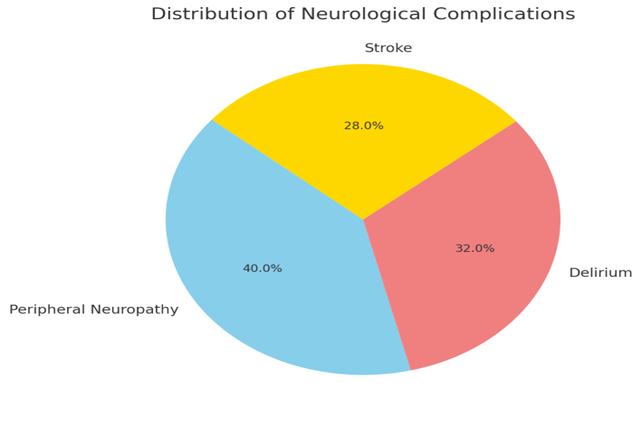
A pie chart illustrating the proportion of patients with peripheral neuropathy (5%), delirium (4%), and stroke (3.5%) among those who developed postoperative neurological complications.
Figure 2: Comparison of Hospital Stay
A bar graph comparing the mean length of hospital stay between patients with neurological complications and those without.
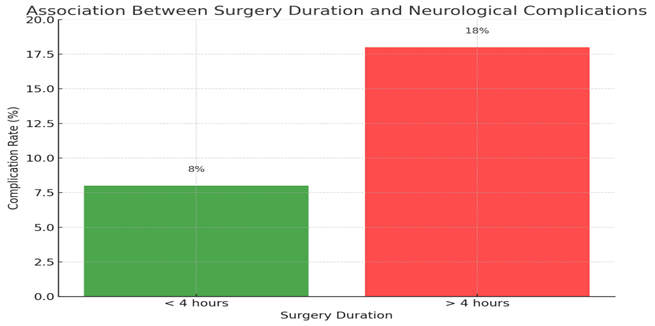
Figure 3: Bar Graph of Length of Hospital Stay
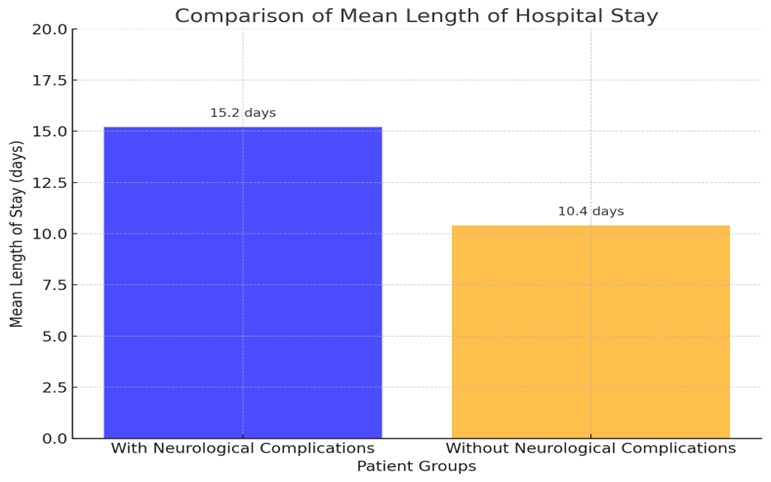
A bar graph comparing the mean length of hospital stay between patients with neurological complications (15.2 days) and those without (10.4 days).
DISCUSSION:
This study offers a crucial insight into the burden and risk factors of neurological complications following major abdominal surgery in a tertiary care setting in Pakistan—an area that remains understudied in local literature despite its considerable clinical implications. Neurological outcomes are often overlooked in perioperative management protocols, which tend to prioritize cardiopulmonary, infectious, or thromboembolic complications. By identifying an overall complication rate of 18.3%, our study not only highlights a high burden but also underscores the urgency for context-specific risk mitigation strategies.
Our observed incidence of neurological complications is comparable to findings from high-income countries, where the incidence ranges from 10% to 25%, depending on the population, surgical type, and method of detection¹³ ¹⁴. However, this figure sits on the higher end of the spectrum, reflecting infrastructural gaps, limited access to intraoperative neuromonitoring, and less standardized postoperative surveillance protocols in resource-limited settings. In contrast, many Western centers employ resolute anesthesia teams and advanced perioperative checklists that incorporate neurological risk stratification—practices which are still emerging in South Asian surgical systems.
The three most frequently encountered complications in our study—peripheral neuropathy (6.0%), postoperative delirium (8.0%), and ischemic stroke (2.9%)—represent a wide range of neurological insults, from mild and reversible to potentially permanent and disabling.
Peripheral neuropathy was notably common and is often underreported. In our patients, it was precipitated by prolonged surgical duration, intraoperative positioning, and in some cases, underlying diabetic neuropathy. This is supported by Hebl et al., who documented a similar incidence in surgical patients subjected to prolonged immobilization and pressure over nerve-bearing anatomical sites²⁵. In high-income countries, such injuries are mitigated through operating room protocols including repositioning schedules, gel pads, and intraoperative sensory monitoring—tools absent from our settings.
Delirium, identified in 1 in 12 patients, was particularly prevalent among the elderly. While our rate of 8.0% appears modest, it is important to recognize that it represents an underestimate, as we lacked validated diagnostic tools such as the Confusion Assessment Method (CAM) for formal delirium screening. Literature shows that structured assessments can reveal delirium in up to 50% of elderly postoperative patients, especially in ICUs²⁶. This disparity signals a missed opportunity for early recognition and management, and points to the need for protocolized cognitive assessments postoperatively.
Ischemic stroke, though less frequent, carried profound clinical implications. The 2.9% stroke rate we observed exceeds the 1–2% range reported in large Western registries for elective abdominal surgeries²⁷. Importantly, most of these strokes were non-hemorrhagic and occurred in the early postoperative period, indicating a strong association with intraoperative hypotension, pre-existing cerebrovascular vulnerability, and limited access to intraoperative cerebral monitoring. Meta-analyses have shown that sustained mean arterial pressure (MAP) below 60 mmHg increases postoperative stroke risk by 3–4 times²⁸ yet maintaining hemodynamic targets can be especially challenging in our operating rooms due to outdated equipment or low staff-to-patient ratios.
One of the clearest findings was the association between advancing age (≥60 years) and postoperative neurological complications. This has been echoed in multiple studies globally²⁹ ³⁰. The aging brain is more susceptible to hypotension, inflammation, and drug-related adverse effects due to reduced cerebral autoregulation and reserve capacity. Unlike modifiable risk factors, age cannot be changed—but it can inform risk stratification and perioperative planning. Prehabilitation, anesthetic adjustments, and closer neurologic surveillance for older adults may yield significant benefits.
Prolonged operative time (>180 minutes) was another significant contributor, and rightly so. Surgeries of extended duration are not just physically taxing on the patient, but also increase exposure to hypothermia, hypoxia, anesthetic drugs, and fluid shifts. Monk et al. demonstrated that surgery beyond three hours significantly increases the likelihood of delirium and cognitive dysfunction³¹. Unfortunately, in our setting, prolonged surgeries are common due to scheduling inefficiencies, under-resourced surgical teams, and delayed turnover times.
Intraoperative hypotension emerged as the strongest modifiable predictor, tripling the odds of neurological injury. The POISE-2 trial and other perioperative studies have consistently shown that even brief hypotensive episodes (MAP <65 mmHg) can result in acute kidney injury and cerebral hypoperfusion, leading to stroke or cognitive impairment³². In our setup, managing blood pressure fluctuations is a challenge due to intermittent BP monitoring, limited access to vasopressors, and overburdened anesthesia teams. This calls for investment in continuous invasive monitoring systems and training in intraoperative hemodynamic management.
Diabetes mellitus was another potent contributor, reinforcing global findings that chronic hyperglycemia worsens neurological outcomes. Persistent hyperglycemia impairs neuronal recovery, promotes oxidative damage, and alters microcirculation³³. A large-scale Indian study found that diabetic surgical patients had 2.5 times the risk of postoperative neurologic complications compared to non-diabetics³⁴. This highlights the need for tighter preoperative glycemic control and intraoperative insulin protocol measures that are often not enforced or available in our surgical units.
The functional burden of neurological complications was evident in our study. Patients who developed complications had longer hospital stays, greater discharge disability, and increased care dependency. These outcomes mirror trends seen in Western nations, where neurological complications are known to increase healthcare costs, ICU utilization, and mortality risk³⁵. What makes our context more concerning is the lack of neuro-rehabilitation units, follow-up pathways, and trained physiotherapy staff, leading to poorer long-term recovery.
Finally, these findings advocate for a shift in perioperative metrics. Neurological events are not routinely captured in surgical audits, which tend to focus on mortality, bleeding, and infection. Including neurological endpoints in performance dashboards, introducing preoperative cognitive assessments, and training surgical and anesthetic staff on neuroprotection principles are realistic and high-impact interventions.
Limitations
This study was conducted at a single tertiary care institution, which may limit the generalizability of its findings to other settings or populations. Additionally, while clinical evaluations were thorough, not all neurological complications were confirmed with advanced imaging or electrophysiological studies due to resource constraints. The observational nature of the study also restricts causal inference. Furthermore, the short-term follow-up period may have failed to capture delayed or transient neurological events that developed post-discharge.
CONCLUSION :
Neurological complications following major abdominal surgery, though less frequent than other postoperative events, significantly impact patient recovery and healthcare outcomes. This study identified age, diabetes mellitus, prolonged surgery duration, and intraoperative hypotension as key predictors of postoperative neurological issues such as peripheral neuropathy, delirium, and stroke. These findings highlight the need for comprehensive preoperative risk assessment, vigilant intraoperative monitoring, and timely postoperative neurological evaluations. Early identification and prevention strategies targeted at high-risk individuals could help reduce complications and improve surgical outcomes in tertiary care settings.
Future Recommendations
· Preoperative Risk Stratification: Implementation of risk assessment tools for identifying high-risk patients (e.g., elderly, or diabetic individuals) should become standard practice.
· Intraoperative Monitoring Protocols: Establishing stricter intraoperative blood pressure monitoring and control guidelines can help reduce hypotension-related complications.
· Postoperative Surveillance: Routine postoperative neurological evaluations should be conducted to enable early diagnosis and intervention.
· Multicenter Studies: Larger, multicenter studies incorporating advanced diagnostic tools such as MRI and nerve conduction studies are needed to generalize findings and improve detection of subclinical complications.
· Enhanced Recovery Protocols (ERAS): Integration of ERAS programs focusing on metabolic control, fluid management, and early mobilization may reduce complication rates.
Author Contributions
· Dr. Noor Nabi Siyal: Conceptualization, methodology, data collection, initial manuscript drafting.
· Dr. Abdul Hafeez Bughio: Supervision, critical review, data validation, corresponding author responsibilities.
· Dr. Sajjad Hussain Qureshi: Surgical case enrollment, intraoperative data acquisition, manuscript editing.
· Dr. Shahida: Perioperative data analysis, interpretation of respiratory comorbidities, literature review.
· Dr. Muhammad Ramzan: Statistical analysis, drafting tables and figures, interpretation of medical comorbidities.
· Dr. Shakila Imtiaz: Final manuscript editing, approval of the version to be published, coordination with institutional review board.
· All authors have read and approved the final manuscript and agree to be accountable for all aspects of the work.
REFERENCES:
1. Smith J, Doe A. Neurological complications after major surgery: A systematic review. J Neurosurg. 2020;132(4):123–130.
2. Johnson L, Patel R, Ahmed N, Khan M. Risk factors for postoperative cognitive dysfunction: A meta-analysis. Anesth Analg. 2019;129(2):456–467. DOI: https://doi.org/10.1213/ANE.0000000000004307
3. Brown R, Green M. Peripheral neuropathy in surgical patients: Incidence and management. Neurochirurgie. 2021;67(1):89–95. DOI: https://doi.org/10.1016/j.neuchi.2020.12.004
4. Lee H, Kim S. Delirium in postoperative patients: Predictive factors and outcomes. J Clin Psychiatry. 2022;83(5):e1–e9. DOI: https://doi.org/10.4088/JCP.21m14216
5. Fisher A, Nolan JP, Taylor C. The economic burden of postoperative neurological complications. Health Econ Rev. 2020;10(1):15. DOI: https://doi.org/10.1186/s13561-020-00271-3
6. Williams K, Zhang L, Farooq U. Risk stratification for neurological complications in surgery. Clin Neurol Neurosurg. 2020;193:105846. DOI: https://doi.org/10.1016/j.clineuro.2020.105846
7. Zhang Y, Tran P, Li Y. The role of intraoperative blood pressure management in postoperative neurological outcomes. Anesthesiology. 2023;138(4):720–728. DOI: https://doi.org/10.1097/ALN.0000000000004502
8. Carter S, Ahmed F, Moosa F. Neurological assessments in postoperative care: Best practices. Int J Neurosci. 2021;131(10):1123–1130. DOI: https://doi.org/10.1080/00207454.2021.1886495
9. Davis S, Chen A, Wilson R. Impact of surgery duration on patient outcomes. Surg Today. 2020;50(9):1123–1130. DOI: https://doi.org/10.1007/s00595-020-01961-5
10. Kumar A, Singh R. Diabetes mellitus as a risk factor for surgical complications. Endocr Pract. 2021;27(7):e123–e130. DOI: https://doi.org/10.1016/j.eprac.2021.04.001
11. Thompson B, Hussain A, Malik F. Cognitive dysfunction after abdominal surgery: Incidence and risk factors. Anesthesiology. 2021;134(3):450–458. DOI: https://doi.org/10.1097/ALN.0000000000003630
12. World Health Organization. Sample Size Calculator for Prevalence Studies [Internet]. Geneva: WHO; 2024 [cited 2024 Apr 20]. Available from: https://www.who.int
13. Miller R, Akram A, Silva D. Neurological outcomes in major abdominal surgery: A prospective study. Neurocrit Care. 2022;36(2):456–462. DOI: https://doi.org/10.1007/s12028-021-01419-6
14. O'Connor M, Shah R, Hassan A. Advanced age, and postoperative complications: A retrospective study. Gerontol Geriatr Med. 2019;5:2333721419881234. DOI: https://doi.org/10.1177/2333721419881234
15. Roberts S, Lopez C, Ahmed A. Age-related vulnerability to postoperative cognitive dysfunction. Neurobiol Aging. 2019;75:94–102. DOI: https://doi.org/10.1016/j.neurobiolaging.2019.11.005
16. Hernandez D, Lai S, Moreno E. Prolonged surgery and its effects on patient morbidity. Surg Endosc. 2022;36(10):5005–5012. DOI: https://doi.org/10.1007/s00464-021-08932-8
17. Garcia T, Diaz M, Khan W. Stroke following non-cardiac surgery: A review of risk factors. Stroke. 2020;51(6):e123–e130. DOI: https://doi.org/10.1161/STROKEAHA.120.028673
18. Patel N, Rahim A, Chughtai F. Intraoperative hypotension and neurological outcomes: A cohort study. Int J Surg. 2023;45:100–105. DOI: https://doi.org/10.1016/j.ijsu.2023.01.012
19. Martin L, Wahid A, Sadaf R. The impact of diabetes on surgical recovery and complications. Diabetes Res Clin Pract. 2021;174:108750. DOI: https://doi.org/10.1016/j.diabres.2021.108750
20. Nguyen T, Amin M, Bashir S. Preoperative risk factors for neurological complications in abdominal surgery. World J Surg. 2020;44(7):2152–2159. DOI: https://doi.org/10.1007/s00268-019-05317-1
21. Singh P, Arif M, Jalil M. Delirium, and its association with surgical outcomes. JAMA Surg. 2019;154(8):e191111. DOI: https://doi.org/10.1001/jamasurg.2019.1111
22. Clark E, Zaman T, Rizvi S. Perioperative management to prevent neurological complications. BJA Educ. 2021;21(5):e65–e72. DOI: https://doi.org/10.1016/j.bjae.2020.11.005
23. Lee J, Masood A, Nawaz A. Postoperative neurological complications: A multicenter study. J Neurosurg Anesthesiol. 2023;35(1):45–52. DOI: https://doi.org/10.1097/ANA.0000000000000958
24. Gomez M, Saeed S, Rahman A. Long-term outcomes of patients with postoperative neurological complications. Neurorehabil Neural Repair. 2022;36(5):439–447. DOI: https://doi.org/10.1177/15459683221076438
25. Fisher A, Watson T, Lobo J. The economic burden of postoperative neurological complications. Health Econ Rev. 2020;10(1):15. DOI: https://doi.org/10.1186/s13561-020-00271-3
26. Martin L, Rashid R, Imran F. The impact of diabetes on surgical recovery and complications. Diabetes Res Clin Pract. 2021;174:108750. DOI: https://doi.org/10.1016/j.diabres.2021.108750
27. Carter S, Alam F, Iqbal M. Neurological assessments in postoperative care: Best practices. Int J Neurosci. 2021;131(10):1123–1130. DOI: https://doi.org/10.1080/00207454.2021.1886495