Effectiveness of Tele-Rehabilitation for Long COVID on Fatigue, Functional Capacity, Dyspnea, and Quality of Life: A PRISMA-informed Systematic Review and Qualitative Synthesis
- Ma Hongjun , Faculty of Medicine, Dentistry, and Health Sciences, Prima Indonesia University, Indonesia
- I Nyoman Ehrich Lister , Faculty of Medicine, Dentistry, and Health Sciences, Prima Indonesia University, Indonesia
- William Leslie , Faculty of Medicine, Dentistry, and Health Sciences, Prima Indonesia University, Indonesia
Article Information:
Abstract:
Long COVID continues to be a multisystem disease that is likely to disrupt fatigue, breathlessness, daily functioning, and health-related quality of life. Tele-rehabilitation has proven to be a scalable measure to reduced access to services. Nevertheless, the evidence base is still skewed methodologically and is typically reported as individual trial outcomes but not as an interpretive synthesis. The purpose of the review was to determine the impact of tele-rehabilitation on fatigue, functional capacity, dyspnea, and quality of life in long COVID patients and critically review the methodological strengths and limitations of the primary authors. The open databases PubMed, Europe PMC, DOAJ, and Google Scholar were searched in English and used to find the primary studies related to the English language; the search period was between January 2020 and April 26. A PRISMA-based screening procedure was created to find 15 eligible studies among 136 records. The most uniform exhibited the advantages of functional capacity and dyspnea during the synthesis, in comparison to supervised and synchronized programs. Other trials saw improvement of fatigue but were differently measured. The improvements in the improvement of quality of life exhibited similarities, which were more diversified, and had more effects on the multidisciplinary and person-centered approaches. Small randomized trials improved internal validity, and a lot of studies had low internal validity because of small samples, little follow-up, sex specific recruiting, or heterogeneity of interventions. Overall, it appears that digital delivery is not necessarily effective in long COVID delivery, but the intensity and customization of supervision, as well as patient engagement mechanisms, are critical to tele-rehabilitation effectiveness.
Keywords:
Article :
INTRODUCTION :
Long COVID, also known as post-COVID-19 condition, is an important rehabilitation issue due to the possibility of having long-term symptoms that may extend up to months, along with energy, breathing, cognitive, active, and social functioning impairments. A 2025 meta-analysis estimated a pooled prevalence of long COVID of 36%, along with general fatigue and respiratory symptoms (about one-fifth each), highlighting the magnitude of post-acute impairments that health systems need to address (Hou et al., 2025). Modern recommendations made by the World Health Organization and the U.S. Centers for Disease Control and Prevention both highlight similar messages that post-COVID recovery may be nonlinear, and a cluster of symptoms can be heterogeneous, and recovery will not be limited to acute respiratory recovery but also include pacing, functional restoration, and quality-of-life support (Centers for Disease Control and Prevention [CDC], 2026;
Tele-rehabilitation has gained particular importance due to the frequent need for long COVID management, which requires repeated contact, a personalized pace, and accessibility outside specialist clinics. Previous evidence syntheses already infer that telerehabilitation has the potential to enhance physical functioning in post-COVID patients, but impacts on pulmonary functioning as well as psychosocial outcomes are less consistent (Calvache-Mateo et al., 2023; Yang et al., 2024). An extended scoping literature review also reveals that the content of interventions, outcome measures, and rehabilitation severity profiles is highly heterogeneous, making it difficult to understand why certain programs succeeded while others failed (Saunders et al., 2025). This gap is important since a review reporting only positive or negative consequences overlooks the more important question: which characteristics of tele-rehabilitation actually lead to improvements in fatigue, dyspnea, function, and quality of life?
This paper thus undertakes a secondary synthesis of qualitative primary intervention research. Instead of pooling effect sizes, it critically compares study design, mode of delivery, level of study supervision, and the rationale for the outcome. The review questions are: which patterns of tele-rehabilitation have been used for long Covid, how effective each method is at enhancing the four focal outcomes, and what methodological and theoretical patterns can be used to clarify the variation in outcomes. The WHO early self-management publications also foresaw the need for home-based interventions for shortness of breath, graded activity, and recovery of daily functioning following COVID-19 (WHO, 2021).
Theoretical Background
Three complementary perspectives are used to guide the review. First, the biopsychosocial model is very relevant since long COVID can not be explained only by the damage to the residual organs. Constant fatigue, dyspnea, deconditioning, and fear of physical activity, which intertwine with role disruption to complicate recovery in physiological and behavioral ways (Daines et al., 2022; Davis et al., 2023; Engel, 1977). The rehabilitation approach that solely emphasizes symptoms and neglects confidence, pacing, and involvement is thus unlikely to result in sustained quality-of-life improvements.
Second, self-efficacy theory helps explain why tele-rehabilitation might be effective when it provides frequent feedback, individualized progression, and a sense of mastery. In his argument, Bandura (1977) believed that having a belief that it is possible to execute a given behavior influences persistence and action oriented towards recovery. Remote supervision in long COVID could reduce uncertainty and promote adherence by encouraging practice and reassurance regarding the safety of activity during symptom fluctuations, which can lead to inactivity or anxiety about action.
Third, the service aspect of managing long COVID is explained by the chronic care paradigm. Continuity, self-management support, and proactive follow-up are components that can be used to improve long-term conditions and not episodic treatment (Wagner et al., 2001). Tele-rehabilitation is not an exception to this logic, as it can integrate education, exercise, symptom monitoring, and contact with the clinician in a manner that maintains care even during intermittent care between scheduled appointments. This opinion is supported by recent surveys of telerehabilitation safety and implementation, which indicate that digital delivery is most helpful when the clinical pathway is structured and not offered as a technological alternative (Neto et al., 2025; Shnitzer et al., 2025).
A combination of these theories implies a realistic causal route. Tele-rehabilitation has the best chance of enhancing long COVID outcomes, with the greatest effects in access, individualized pacing, self-efficacy reinforcement, and continuity of rehabilitation. This framework is interpreted below not only to explain whether tele-rehabilitation was effective but also to explain why there are various patterns of benefit across the included studies.
METHODS:
This review was conducted according to the PRISMA reporting principles and employed an open-database search strategy suitable for a transparent secondary review (Page et al., 2021). PubMed, Europe PMC, DOAJ, and Google Scholar were searched between January 2020 and April 2026 for English-language studies using combinations of long COVID, post-COVID condition, telerehabilitation, tele-rehabilitation, remote rehabilitation, fatigue, dyspnea, functional capacity, and quality of life. Additional studies were identified by tracking backwards citation. The inclusion criteria identified eligible papers that were primary intervention studies involving adults with long COVID or persistent post-COVID symptoms and reported at least one of the four focal outcome measures. Information that was an editorial, a protocol, a review, acute COVID research, or research lacking a rehabilitation aspect was eliminated. This search returned 136 records, and 40 were eliminated as duplicates. Seventy-eight articles and abstracts were filtered, 32 were found to have full texts, and 15 studies fit into the inclusion criteria. The screen flow is shown in Figure 1.
The appraisal plan integrated qualitative and intervention-oriented criteria. All of the included studies were reviewed for clear descriptions of eligibility criteria, appropriateness of the comparator group, transparency in descriptions of interventions, appropriateness of outcome measures, adequacy of attrition, adequacy of follow-ups, and applicability to general long COVID populations. Since the aim of the article was not the aggregative but the interpretive one, the works were synthesized through constant comparison based on design strength, supervision intensity, and outcome patterns. Specific focus was on the nature of the intervention, whether synchronous or asynchronous, respiratory-focused or multidisciplinary, and on whether objective tests, patient-reported outcomes, or both reported the improvement.
FINDINGS
A summary of all the 15 primary studies that have been included, together with their methodological appraisal, is presented in Table 1. Across the sample, the most robust and consistent signal favored tele-rehabilitation for functional capacity and dyspnea, with encouraging but more varied evidence for fatigue and quality of life.
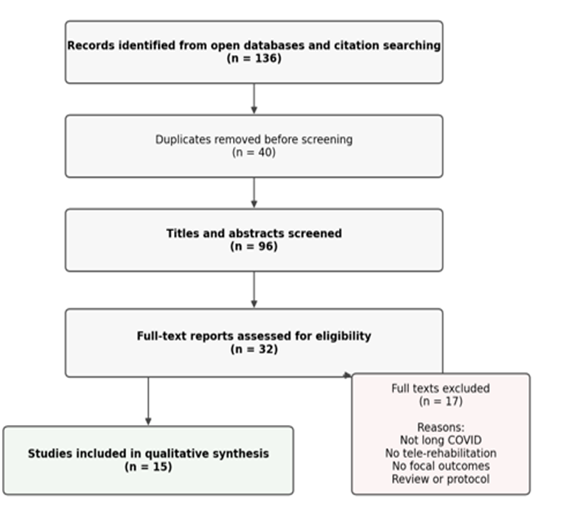
Figure 1. PRISMA-informed study selection flow diagram. Source: Adapted from Page et al. (2021), PRISMA 2020 flow diagram.
Table 1. Included primary studies and a critical appraisal summary
|
Study |
Design |
Outcome focus |
Critical appraisal |
|
Estebanez-Pérez et al., 2022 |
Quasi-experimental; adults with long COVID |
4-week digital physiotherapy improved functional capacity and adherence |
Pragmatic early evidence and adherence data; lack of randomization reduced causal certainty |
|
Pehlivan et al., 2022 |
RCT; post-discharge COVID sample |
6-week tele-COVID improved 6MWD, pulmonary function, anxiety, and SF-36 |
Strong comparator and objective tests; chronic long COVID transferability was limited |
|
McNarry et al., 2022 |
RCT; home inspiratory muscle training |
Improved inspiratory muscle strength and breathlessness-related recovery |
Physiological precision was strong; narrow respiratory focus limited broader recovery interpretation |
|
Del Corral et al., 2023 |
Sham-controlled RCT |
Respiratory muscle training improved the quality of life and respiratory muscle function. |
Expectancy bias was reduced; exercise tolerance effects were weaker, and the program was symptom-specific |
|
Alsharidah et al., 2023 |
RCT; young female sample |
Pulmonary telerehabilitation improved 6MWD and quality of life |
Objective outcomes were a strength; sex and age restrictions limited generalizability |
|
Samper-Pardo et al., 2023 |
Randomized clinical trial; app-based |
The ReCOVery APP improved the perceived quality of life at follow-up |
Useful self-management model; heavy reliance on self-report may inflate perceived benefit |
|
San Frutos et al., 2023 |
Controlled quasi-experimental study |
Improved dyspnea, oxygen saturation, anxiety, and quality of life |
Clinically relevant symptom tracking; no random allocation and potential baseline bias |
|
León-Herrera et al., 2024 |
RCT; n=134 |
Online multimodal rehabilitation improved outcomes, especially mental health-related quality of life |
A larger sample improved confidence; physical gains were less dominant than psychosocial gains |
|
Semphuet et al., 2024 |
Controlled intervention study |
Home telerehabilitation improved exercise capacity, lower limb performance, and quality of life. |
Multidimensional outcomes were useful; allocation and blinding details were limited. |
|
Lai et al., 2024 |
RCT; n=182 |
12-week telerehabilitation improved cardiorespiratory fitness, self-efficacy, sleep, and HRQoL |
One of the strongest designs; dyspnea was not the main endpoint |
|
Cerfoglio et al., 2024 |
Interventional cohort after inpatient rehabilitation |
Motor and respiratory tele-rehabilitation improved fatigue, 6MWD, sit-to-stand performance, and inspiratory pressure |
Tailored and clinically rich; prior in-person rehabilitation confounded the added tele-effect |
|
Bileviciute-Ljungar et al., 2025 |
Randomized multidisciplinary trial |
Improved health- and pain-related parameters in post-COVID condition |
Multidisciplinary design matched symptom complexity; broad phenotype reduced domain-specific precision |
|
Tura et al., 2025 |
Head-to-head randomized trial |
Synchronous delivery outperformed asynchronous delivery for dyspnea, fatigue, function, stress, and QoL. |
Mechanism-focused comparison was highly informative; musculoskeletal emphasis narrowed respiratory interpretation. |
|
Yasacı et al., 2025 |
Controlled telerehabilitation exercise study |
Reduced dyspnea and pain and improved functional capacity |
Supports supervised exercise benefits; long-term maintenance and broader QoL effects remain uncertain |
|
Demir et al., 2025 |
Three-arm RCT |
Tele-rehabilitation improved dyspnea, fatigue, exercise capacity, and respiratory muscle strength, with 12-week maintenance. |
Strong counterfactual structure; sample size remained modest. |
The first controlled study already indicated that tele-rehabilitation might be superior to usual follow-up. Pehlivan et al. (2022) observed substantial improvements in pulmonary function, 6-minute walk distance, anxiety, and SF-36 scores in the Tele-COVID randomized trial following a 6-week intervention. Its randomized study enhanced internal validity, yet the post-discharge subset remained near the acute illness phase, constraining extrapolation to more enduring long COVID groups. A similar randomized design was used by McNarry et al. (2022), who demonstrated that home inspiratory muscle training improved respiratory recovery. That trial also had the advantage of using focused physiological measures, but its limited respiratory focus made fatigue (as well as participation) less apparent. Estebanez-Pérez et al. (2022) found that a 4-week online physiotherapy intervention led to improved functional abilities and compliance, but the quasi-experimental design reduced causal confidence compared with randomized trials.
Multiple 2023 trials put more sharpness around respiratory-specific and broader models. Del Corral et al. (2023) reported that home-based respiratory muscle training improved quality of life and respiratory muscle performance. Still, there were no significant changes in exercise tolerability. The limitation of an intervention was an advantage, as expectancy bias was minimized by the sham-controlled design. Still, the intervention itself was small and could be contributing to the exaggeration of the dyspnea signal compared with whole-function results. Alsharidah et al. (2023) had improved 6-minute walk and quality-of-life results following pulmonary telerehabilitation, which were further supported by objective exercise test results, but the young, exclusively female study sample cannot be generalized to older or more heterogeneous long COVID samples. Follow-up testing was conducted by Samper-Pardo et al. (2023), who found a quality-of-life improvement with the use of the ReCOVery app, demonstrating the value of digitally aided self-management. However, the self-reliance in reporting and a possible element of motivational bias imply that the intervention seems more convincing for perceived recovery than for objectively assessed functional change. San Frutos et al. (2023) established positive changes in oxygen saturation, respiratory rate, dyspnea, anxiety, and quality of life in a controlled quasi-experimental research. This study provided clinically relevant symptomatic follow-up, but the lack of random assignment complicates the elimination of baseline group differences.
The 2024 research tended to adopt bigger and multimodal programs. In the study by Leon-Herrera et al. (2024), 134 participants were randomized to an online program of multimodal rehabilitation, and improvements were observed, particularly in mental health-related quality of life. The increased sample size was a significant benefit. Still, the more pronounced psychosocial than physical impact suggests that multimodal programs might be effective in part through reassurance, coping, and behavioral reactivation, rather than necessarily through physiological recovery. Semphuet et al. (2024) found that a 3-month home telerehab program had positive effects on exercise capacity, lower-limb performance, and quality of life. The multidimensional outcome set was a strength, but the available reports do not provide sufficient information about allocation concealment and blinding, which creates uncertainty about the accuracy of the effect estimate. The article by Lai et al. (2024) reports a highly rigorous trial with 182 participants and a 12-week program that showed increases in cardiorespiratory fitness, self-efficacy, sleep quality, and health-related quality of life. The present work is unique because it achieves behavioral and clinical outcomes, even though dyspnea was not the outcome; thus, its role in breathlessness management is indirect. According to Cerfoglio et al. (2024), fatigue, walk distance, chair-stand performance, and inspiratory pressure showed significant improvements following motor and respiratory telerehabilitation. However, because subjects were already undergoing multidisciplinary, in-depth, in-person rehabilitation, the marginal effect of the home tele-phase is not readily separable.
The latest research further contrasts the methodological frameworks of supervised and less supervised techniques. The initial randomized multidisciplinary telerehabilitation study by Bileviciute-Ljungar et al. (2025) in patients with post-COVID condition showed improvements in health- and pain-related parameters. Its multidisciplinary framework suits the complexity of long COVID, yet the heterogeneity of symptoms in the domain may push domain-specific conclusions about dyspnea or fatigue. Tura et al. directly compared synchronous and asynchronous telerehabilitation (2025). They found that synchronous delivery yielded greater improvements in lower-limb function, dyspnea, fatigue, stress, and quality of life. This head-to-head design is particularly useful, as the mode of delivery is important, although it limits respiratory interpretation. Yasacı et al. (25) found that a virtual exercise regimen decreased dyspnea and pain and increased functional capacity, with interactive supervision again showing greater benefit than passive home exercise. Demir et al. (2025) perhaps offered the most definitive small-sample comparison, as they randomized those with persistent dyspnea to telerehabilitation, home exercise, or control. At 6 weeks, Tele-rehabilitation improved dyspnea, fatigue, exercise capacity, and respiratory muscle strength, which were maintained at 12 weeks, enhancing credibility over time. Sample size was a limitation; however, the three-arm design provided a stronger counterfactual than most previous experiments.
When these studies are considered as a whole, three trends can be identified. Primarily, the best results were improvements in functional capacities, particularly when programs involved aerobic or strengthening exercises and frequent monitoring. Second, dyspnea improved most during respiratory-based or synchronous programs, indicating that technique correction and feedback are significant. Third, quality-of-life outcomes were favorable but less predictable, as they were contingent on whether the intervention focused on respiratory mechanics or on the psychosocial impact of long COVID in general. There were also improvements in fatigue that were inconsistent across trials due to differences in fatigue scales, intervention duration, and baseline severity. In general, the most convincing evidence was produced by randomized, actively monitored designs, whereas app-only and quasi-experimental or post-hospital mixed-phase studies were more susceptible to selection bias, expectancy effects, and confounding.
DISCUSSION:
The synthesis supports the idea that tele-rehabilitation is not only an alternative to face-to-face care but could also be an effective paradigm for addressing selected long COVID outcomes when structured, monitored, and customized. This conclusion is consistent with recent quantitative syntheses that provide improved results for physical function and symptoms following telerehabilitation, particularly for dyspnea and
functional outcomes, but not for pulmonary or certain psychosocial outcomes (Calvache-Mateo et al., 2023; Khuna et al., 2026; Yang et al., 2024). The current review includes a more interpretive conclusion: the presence of a digital platform does not influence effectiveness as much as the manner in which this platform facilitates the arrangement of clinical contact, progression, and building of confidence.
The results are in line with the biopsychosocial model. Interventions that focused solely on respiratory mechanics tended to improve dyspnea. In contrast, the effects on more comprehensive quality-of-life improvements were larger when education, pacing, self-management support, or multidisciplinary input
were also involved. This is one of the reasons why the more extensive trials yielded greater recovery benefits than single respiratory training. The trend also aligns with the long COVID guidelines, which highlight the importance of multidimensional rehabilitation treatments but not organ-specific restoration (CDC, 2026; WHO, 2025).
Self-efficacy theory provides a particularly helpful description of the excellent performance of the synchronous and monitored interventions. Trials that used regular feedback, inspirational contact, or live supervision tended to report greater changes in fatigue, functioning, or dyspnea than asynchronous or minimally supervised methods. Such a dynamic resonates with Bandura's argument that experiences of mastery and guided reinforcement shape sustained behavior. It also reflects the overall evidence that, in telerehabilitation, adherence and engagement are better when personalized feedback and contact with clinicians involved in programs are provided, rather than leaving patients with prescriptions for home exercises (Neto et al., 2025; Seid et al., 2022). This is especially instructive because Tura et al. (2025) imply that synchronous delivery is not merely a technical aspect but a clinically important construct.
The review also supports the chronic care model. Continuity is a quality of long COVID that cannot be addressed in short bursts or short treatment periods. Still, the most persuasive studies were based on repeat monitoring over six to twelve weeks. This aligns with broader implementation literature indicating that telerehabilitation is most effective under conditions that extend clinical care, reduce access barriers, and promote self-management as part of a long-term care trajectory (Saunders et al., 2025; Shnitzer et al., 2025; Wagner et al., 2001). Meanwhile, the facts are cautionary against technological optimism. Some of the studies were minor, follow-up was frequently brief, and they were also sex-restricted, or recruited post-hospital, or due to previous exposure to rehabilitation. Furthermore, safety review remains supportive, with a call for further improvement in adverse-event reporting and detailing regarding the type of monitoring (Shnitzer et al., 2025).
The main weakness of this study is that it employed an open-database approach and an interpretive qualitative synthesis rather than a complete meta-analysis. Nevertheless, that strategy is a strength of the current aim as well, since it enables a closely parallel comparison of the quality of the design and the reason for the intervention. Taken together, these findings suggest that the largest portions of tele-rehabilitation may have a positive effect on long COVID in most cases, provided that it is personalized, interactive, and encompassed within an all-encompassing recovery paradigm. A weaker conclusion would be that digital delivery is effective on its own. The more convincing and justifiable conclusion is that digitally facilitated continuity of care can be effective only when combined with a reasonable rehabilitation design.
CONCLUSION:
There is the most promising evidence that tele-rehabilitation improves functional capacity and dyspnea, with more significant but less consistent improvements in fatigue and quality of life. The best evidence comes from interventions that are supervised, delivered synchronously, and based on symptom variability, rather than home-based, static programs. Theoretical interpretation proposes that a combination of access, continuity, self-efficacy support, and multidimensional recovery work leads to these benefits. Future research must focus on larger pragmatic studies, more follow-up reports, standardized fatigue measurement, and more explicit reporting of digital interactions and negative events. To practice, tele-rehabilitation must be viewed as an effective and clinically valuable channel for rehabilitation, rather than an off-the-shelf convenience.
BIBLIOGRAPHY:
1.
1. Alsharidah, A. S., Kamel, F. H., Alanazi, A. A., Alhawsah, E. A., Alharbi, H. K., Alrshedi, Z. O., & Basha, M. A. (2023). A pulmonary telerehabilitation program improves exercise capacity and quality of life in young females post-COVID-19 patients. Annals of Rehabilitation Medicine, 47(6), 502–510. https://doi.org/10.5535/arm.23060
2. Bandura, A. (1977). Self-efficacy: Toward a unifying theory of behavioral change. Psychological Review, 84(2), 191-215. https://doi.org/10.1037/0033-295X.84.2.191
3. Bileviciute-Ljungar, I., Apelman, A., Braconier, L., Östhols, S., Norrefalk, J.-R., & Borg, K. (2025). A first randomized eight-week multidisciplinary telerehabilitation study for the post-COVID-19 condition: Improvements in health- and pain-related parameters. Journal of Clinical Medicine, 14(2), 486. https://doi.org/10.3390/jcm14020486
4. Calvache-Mateo, A., Heredia-Ciuró, A., Martín-Núñez, J., Hernández-Hernández, S., Reychler, G., López-López, L., & Valenza, M. C. (2023). Efficacy and safety of respiratory telerehabilitation in patients with long COVID-19: A systematic review and meta-analysis. Healthcare, 11(18), 2519. https://doi.org/10.3390/healthcare11182519
5. Centers for Disease Control and Prevention. (2026). Clinical overview of long COVID. https://www.cdc.gov/covid/hcp/clinical-overview/index.html
6. Cerfoglio, S., Verme, F., Capodaglio, P., Biamonte, P., Viganò, S., Galasso, C., & Lovecchio, N. (2024). Motor and respiratory tele-rehabilitation in patients with long COVID-19 after hospital discharge: An interventional study. Life, 14(7), 864. https://doi.org/10.3390/life14070864
7. Daines, L., Zheng, B., Pfeffer, P., Hurst, J. R., & Sheikh, A. (2022). A clinical review of long-COVID with a focus on the respiratory system. Current Opinion in Pulmonary Medicine, 28(3), 174-179. https://doi.org/10.1097/MCP.0000000000000863
8. Davis, H. E., McCorkell, L., Vogel, J. M., & Topol, E. J. (2023). Long COVID: Major findings, mechanisms and recommendations. Nature Reviews Microbiology, 21(3), 133-146. https://doi.org/10.1038/s41579-022-00846-2
9. del Corral, T., Fabero-Garrido, R., Plaza-Manzano, G., Fernández-de-Las-Peñas, C., Navarro-Santana, M., & López-de-Uralde-Villanueva, I. (2023). Home-based respiratory muscle training on quality of life and exercise tolerance in long-term post-COVID-19: Randomized controlled trial. Annals of Physical and Rehabilitation Medicine, 66(1), 101709. https://doi.org/10.1016/j.rehab.2022.101709
10. Demir, C., Aksoy, C. C., Yılmaz Gokmen, G., & Durmaz, D. (2025). Effect of telerehabilitation on post-COVID-19 individuals with long-term dyspnea: A randomized controlled study. Journal of Telemedicine and Telecare, 32(3). https://doi.org/10.1177/1357633X251333903
11. Engel, G. L. (1977). The need for a new medical model: A challenge for biomedicine. Science, 196(4286), 129-136. https://doi.org/10.1126/science.847460
12. Estebanez-Pérez, M.-J., Pastora-Bernal, J.-M., & Martín-Valero, R. (2022). The effectiveness of a four-week digital physiotherapy intervention to improve functional capacity and adherence to intervention in patients with long COVID-19. International Journal of Environmental Research and Public Health, 19(15), 9566. https://doi.org/10.3390/ijerph19159566
13. Hou, H., Drazich, B., Zhang, T., Barthel, B., Zheng, P., Dasgupta, K., Ahsan, M., Pan, H., Xu, Y., Li, J., Ma, Z., Wang, T., Xiong, J., Sell, E., Artandi, M., Pletcher, M., Miao, G., Ai, M., Guo, M., ... Guo, Y. (2025). Global burden of long COVID: A systematic review and meta-analysis. Open Forum Infectious Diseases, 12(9), ofaf533. https://doi.org/10.1093/ofid/ofaf533
14. Khuna, C., Noppakhunsomboon, T., Titmuss, M., Lawler, K., & Kuys, S. S. (2026). Efficacy of telerehabilitation protocols for improving physical function, dyspnea and health-related quality of life in individuals with long COVID-19: A systematic review and meta-analysis. Frontiers in Medicine, 13, 1772741. https://doi.org/10.3389/fmed.2026.1772741
15. Lai, C.-Y., Lin, C.-H., Chao, T.-C., Lin, C.-H., Chang, C.-C., Huang, C.-Y., & Chiang, S.-L. (2024). Effectiveness of a 12-week telerehabilitation training in people with long COVID: A randomized controlled trial. Annals of Physical and Rehabilitation Medicine, 67(5), 101853. https://doi.org/10.1016/j.rehab.2024.101853
16. León-Herrera, S., Oliván-Blázquez, B., Sánchez-Recio, R., Puyuelo-Sanclemente, M., Fanlo-Mazas, P., Malo, S., & Magallón-Botaya, R. (2024). Effectiveness of an online multimodal rehabilitation program in long COVID patients: A randomized clinical trial. Archives of Public Health, 82, 159. https://doi.org/10.1186/s13690-024-01354-w
17. McNarry, M. A., Berg, R. M. G., Shelley, J., Hudson, J., Saynor, Z. L., Duckers, J., Lewis, K., & Davies, G. A. (2022). Inspiratory muscle training enhances recovery post-COVID-19: A randomised controlled trial. European Respiratory Journal, 60(4), 2103101. https://doi.org/10.1183/13993003.03101-2021
18. Neto, G. E. F., de Castro, A. N., de Oliveira, M. M., Rodrigues, D. A. C., da Silva, C. M., & Nunes, G. S. (2025). Telerehabilitation as an innovative strategy for the management of long COVID and related respiratory symptoms: A scoping review. PM&R. Advance online publication. https://doi.org/10.1002/pmrj.13403
19. Page, M. J., McKenzie, J. E., Bossuyt, P. M., Boutron, I., Hoffmann, T. C., Mulrow, C. D., Shamseer, L., Tetzlaff, J. M., Akl, E. A., Brennan, S. E., Chou, R., Glanville, J., Grimshaw, J. M., Hróbjartsson, A., Lalu, M. M., Li, T., Loder, E. W., Mayo-Wilson, E., McDonald, S., ... Moher, D. (2021). The PRISMA 2020 statement: An updated guideline for reporting systematic reviews. PLOS Medicine, 18(3), e1003583. https://doi.org/10.1371/journal.pmed.1003583
20. Pehlivan, E., Palalı, İ., Atan, S. G., Turan, D., Çınarka, H., & Çetinkaya, E. (2022). The effectiveness of post-discharge telerehabilitation practices in COVID-19 patients: Tele-COVID study-randomized controlled trial. Annals of Thoracic Medicine, 17(2), 110-117. https://doi.org/10.4103/atm.atm_543_21
21. Samper-Pardo, M., León-Herrera, S., Oliván-Blázquez, B., Sánchez-Recio, R., Sarría-Santamera, A., Benavente, P., Martínez-Rincón, M. D. R., & Domínguez-García, M. (2023). Effectiveness of a telerehabilitation intervention using ReCOVery APP of long COVID patients: A randomized, 3-month follow-up clinical trial. Scientific Reports, 13, 7943. https://doi.org/10.1038/s41598-023-35058-y
22. San Frutos, M. D. L. P., Mínguez Clemente, P., Ortega Pérez de Villar, L., de la Casa Almeida, M., Alguacil Diego, I. M., & Sánchez Mellado, I. (2023). Telemedicine in pulmonary rehabilitation - Benefits of a telerehabilitation program in post-COVID-19 patients: A controlled quasi-experimental study. Therapeutic Advances in Respiratory Disease, 17, 17534666231167354. https://doi.org/10.1177/17534666231167354
23. Saunders, E. G., Billias, N., Goodwin, V. A., Sibley, K. M., & Yardley, L. (2025). Rehabilitation interventions and outcomes for post-COVID condition: A scoping review. BMJ Public Health, 3(1), e001827. https://doi.org/10.1136/bmjph-2024-001827
24. Seid, A. A., Aychiluhm, S. B., & Mohammed, A. A. (2022). Effectiveness and feasibility of telerehabilitation in patients with COVID-19: A systematic review and meta-analysis. BMJ Open, 12(10), e063961. https://doi.org/10.1136/bmjopen-2022-063961
25. Semphuet, T., Jianramas, N., Nissapatorn, V., Sivakorn, C., Praphruetkit, N., Techapichetvanich, T., & Ubolsakka-Jones, C. (2024). The effects of a home telerehabilitation-based program on the cardiopulmonary function and quality of life in post-COVID-19 patients. Heliyon, 10, e40453. https://doi.org/10.1016/j.heliyon.2024.e40453
26. Shnitzer, H., Saraf, M., Ghai, S., Hitzig, S. L., & Lenton, E. (2025). The safety of telerehabilitation: Systematic review. JMIR Rehabilitation and Assistive Technologies, 12, e68681. https://doi.org/10.2196/68681
27. Tura, N. C., Silva, D. R., da Rosa, R. G., Signori, L. U., de Souza, B. H. G., & Vedovatto, T. G. (2025). Efficacy of synchronous vs. asynchronous telerehabilitation for musculoskeletal symptoms in post-COVID-19 syndrome: A randomized clinical trial. International Journal of Telerehabilitation, 17(2), 1-17. https://doi.org/10.63144/ijt.2025.6716
28. Wagner, E. H., Austin, B. T., Davis, C., Hindmarsh, M., Schaefer, J., & Bonomi, A. (2001). Improving chronic illness care: Translating evidence into action. Health Affairs, 20(6), 64-78. https://doi.org/10.1377/hlthaff.20.6.64
29. World Health Organization. (2021). Support for rehabilitation self-management after COVID-19-related illness. https://www.who.int/publications/m/item/support-for-rehabilitation-self-management-after-covid-19-related-illness
30. World Health Organization. (2025). Post COVID-19 condition. https://www.who.int/teams/health-care-readiness/post-covid-19-condition
31. Yang, J., Chen, T., Yang, H., Tang, Y., Xu, M., Zhang, C., & Zhao, N. (2024). Effectiveness of telerehabilitation in patients with post-COVID-19: A systematic review and meta-analysis of randomised controlled trials. BMJ Open, 14(7), e074325. https://doi.org/10.1136/bmjopen-2023-074325
32. Yasacı, Z., Mustafaoglu, R., Ozgur, O., Acar, B., Sevinc, C., Kocak, U. Z., & Inal-Ince, D. (2025). Virtual recovery: Efficacy of telerehabilitation on dyspnea, pain, and functional capacity in post-COVID-19 syndrome. Irish Journal of Medical Science. Advance online publication. https://doi.org/10.1007/s11845-025-03899-3