Functional Outcome of Open Surgery Versus Use of Steroid Injection in De Quervain’s Tenosynovitis
- Waheed Anwar , PGR Orthopaedic Department, Lady Reading Hospital, Peshawar, Pakistan
- Aimal Sattar , Assistant Professor Orthopaedic Department, Lady Reading Hospital, Peshawar, Pakistan
- Muhammad Siqaf Anjum , PGR Orthopaedic Department, Lady Reading Hospital, Peshawar, Pakistan
- Syed Haseeb Ullah Shah , PGR Orthopaedic Department, Lady Reading Hospital, Peshawar, Pakistan
- Yaseen Ahmad , PGR Orthopaedic Department, Lady Reading Hospital, Peshawar, Pakistan
- Zahoor Ul Islam , PGR Orthopaedic Department, Lady Reading Hospital, Peshawar, Pakistan
Article Information:
Abstract:
Tenosynovitis by De Quervain is a hand disorder on the thumb and wrist that causes pain. These are the usual ways of treatment such as the conservative approaches such as steroids injection and the more invasive procedures such as the open surgery. Objective: The purpose of the research is to compare the effectiveness of open surgery and steroid injections in the management of De Quervain tenosynovitis with pain management and functional recovery. Materials and Methods: A Randomized controlled trial was carried out in the Department of Orthopaedics, Lady Reading Hospital Peshawar from May 2025 to August 2025. Total 74 patients (37 in each arm, open surgery and steroid injection) were included. The 24-week follow-up was conducted, the success was measured in the Visual Analogue Scale (VAS) of pain, and Disabilities of the Arm, Shoulder, and Hand (DASH) score of function. Statistical tests Chi-square tests and Shapiro-Wilk tests of normality were used. Results: The success rate of the open surgery extraction group in reducing pain (VAS 3 or less) was 100% and steroid injection group was 70.3%. The establishment baseline of DASH and VAS scores were comparable in the two groups. The Chi -square test produced p-value of 0.0001 which indicated that open surgery was very effective in long term treatment of De Quervain tenosynovitis. There were no substantial differences between demographic variables. Conclusion: Open surgery was better than steroids treatment in the management of De Quervains tenosynovitis, as it offers better pain relief and functional outcome in the long term. The research justifies the possibility of changing the clinical practise towards an earlier surgery, especially in Pakistan.
Keywords:
Article :
INTRODUCTION :
De Quervain's tenosynovitis, also known as stenosing tenosynovitis of the first dorsal compartment, is an inflammatory condition of the wrist and thumb[1]. It is the result of inflammation of the APL and EPB tendons where they cross the first wrist extensor compartment[1]. It is most characteristically seen in patients with repetitive wrist and hand motion, such as lifting, grasping, and twisting, so predictably it occurs in certain types of work and recreational activities[2]. Pain is typically felt on the radial border of the wrist, radiating up to the upper part of the forearm or to the thumb, and swelling and tenderness of the involved tendons[3].
The aetiology of de Quervain tenosynovitis is multifactorial with repetitive microtrauma and overuse playing the major part. Pregnancy and lactation hormonal alterations and some inflammatory disorders have also been attributed. With variable prevalence, it is certainly higher in females in the age group of the fourth to fifth decades[4]. If left untreated, it considerably compromises the function of the hand, lowering the quality of life and the output of the individual.5 Management of de Quervain's tenosynovitis is aimed at easing pain, restoring normal function, and preventing recurrence[5]. Conservative treatment in the form of activity modification, splinting, and administration of nonsteroidal anti-inflammatory drugs is typically the initial treatment[6]. However, in refractory situations, corticosteroid injections or even release procedures may have to be performed[6].
Surgical treatment has been universally used in treating reduce inflammation and pain in the first dorsal compartment so that a patient can resume normal activity without the use of more invasive techniques[7]. Some patients however have been found to have recurrent symptoms or not responding to corticosteroids thus necessitating surgical treatment, which involves opening an incision above the affected tendons and releasing the restricted sheath to allow the patient to resume normal activities[8]. It has side effects that include infection, scarring, and potential damage to adjacent structures, such as the radial sensory nerve[9].
In a study by Geethan KS, et al. has shown that frequency of success rate was 86.2% with open surgery as compared to 57.1% with steroid injection in patients with de Quervain’s tenosynovitis[10].
No such study has been done before in our local population. This study will offer evidence-based information on the best treatment modality option to use to treat de Quervain’s tenosynovitis by comparing the open surgical intervention to steroid injection. The possible advantages are that it will set locally pertinent clinical guidelines, decrease the use of healthcare resources, lower the morbidity of the patients, and provide the accurate treatment protocols based on the specific features of our population. Furthermore, the research will also allow clinicians to make judgmental decisions, as they will quantify those functional outcomes to be nowadays poorly recorded within our local healthcare environment and will play a significant role in enhancing musculoskeletal care management. The objective of the study to compare the frequency of success rate with open surgery and steroid injection in patients with de Quervain’s tenosynovitis.
MATERIAL AND METHODS:
It was a Randomized Controlled Trial study that was carried out at the Department of Orthopaedics, Lady Reading Hospital Peshawar. The study took place between May 2025 and August 2025 following the approval of the synopsis. The calculator of OpenEpi sample size was used to calculate the sample size with a significance level of 5% and power of 80. The calculation was based on an expected success rate of 86.2% for open surgery compared to 57.1% for steroid injection in patients diagnosed with De Quervain’s tenosynovitis. The estimated sample size was 74, with 37 patients in the open surgery group (A) and 37 patients in the steroid injection group (B). The sampling technique employed was Non-probability consecutive sampling.
The study inclusion criteria were that they should be both genders between the ages of 20 and 70 years and have been diagnosed with de Quervain tenosynovitis, according to the operational definition, and had suffered wrist and thumb pain (VAS >3) over a period of more than 3 months. The exclusion criteria were history of bleeding disorders, rheumatoid arthritis, thumb arthritis, carpal tunnel syndrome, diabetes mellitus, pregnancy and previous surgery done on the affected wrist as reported in medical records.
The ethical committee granted permission to include patients from the Department of Orthopaedic LRH who met the selection criteria. Patients were fully informed about the study's risks and benefits before being allowed to participate, and informed consent was obtained. At the time of entry into the study, baseline demographics like age, gender, baseline DASH score, baseline VAS score, BMI, socioeconomic status, educational level, and residential status were taken. Randomization was performed using a computer-generated random list for both groups. The group assignments were placed into sealed envelopes, which were opened when the patient was admitted for the procedure.
The patient in group A was placed in the supine position, with the affected limb placed on the forearm table, in the presence of local anaesthesia and pneumatic tourniquet control. Exsanguination was done with the help of an Esmarch rubber bandage to enhance the appearance of the constricted sheath of the tendon. A longitudinal incision was done along the anterior margin of snuff box of the anatomy over the radial styloid. Subcutaneous tissues were then opened after the constriction of tendon sheath was identified after which an incision was made on the tendon sheaths of the abductor pollicis longus and extensor pollicis brevis. A piece of the extensor retinaculum of a thickness, 23 mm, based on the dorsum, and 23 mm in height was excised. Sutures were done in layers, and a sterile dressing was used. In the first postoperative period, the dressings of the patients were minimised as to allow the movement of their wrists, and patients as well as their families were provided with extensive information on the importance of constant mobilisation in order to maintain full joint range of movements. The exercise focused on the attainment of the total flexion-extension of the wrist using analgesics, particularly when it is in the initial phase after surgery. Following surgery, a non-steroidal anti-inflammatory medicine and an oral antibiotic (amoxicillin/clavulanate potassium 1 g bi-daily) were administered for one week. Dressings were changed every three days, and stitches were removed in the second postoperative week.
An injection was carried out in group B through a conventional dorsoradial injection method. The radial styloid was identified, and the steroid was administered into the distal area of the abductor pollicis longus and extensor pollicis brevis tendons at a 45-degree angle directed towards the radial styloid. If resistance was encountered during the injection, signifying that the needle had contacted the tendon, the needle was retracted, and the steroid was administered around the tendon. After the injection, both active and passive extension and flexion motions were initiated. A non-steroidal anti-inflammatory medicine was prescribed for one week during the postoperative phase.
All patients were examined at 6, 12, and 24 weeks. They were recalled after 6 months for the final follow-up and assessment using DASH and VAS scores. Success rates were documented according to the operational criteria from both groups and recorded on a specifically developed proforma.
SPSS version 26 was used to analyse the data. Frequencies and percentages were calculated for qualitative factors such as gender, socioeconomic status, level of education, residential status, and success rate. Mean ±SD or Median (IQR) for non-normal data were presented for quantitative variables like age, baseline DASH score, baseline VAS score, and BMI. The Shapiro-Wilk test was used to check normality. A Chi-square test was applied to test the success rates of the two groups with a significant level of p 0.05. The stratification has been done on such variables as age, gender, baseline DASH score, baseline VAS score, BMI, socioeconomic status, educational level, and residential status to evaluate their influence on the success rate. Chi-square test was then done on both groups after stratification and p= <0.05 was considered as statistically significant.
RESULTS:
Total of 74 patients, with 37 patients in each group (open surgery and steroid injection). The patient population consisted of both male and female patients aged between 20 and 70 years. The baseline characteristics of the participants were captured, including gender, age, socioeconomic status, educational level, residential status, BMI, baseline DASH score, and baseline VAS score. The demographic data and baseline scores for the two groups (open surgery and steroid injection) are summarised in Table 1.
The mean age of patients in the study was 42.97 years (SD ±15.81). Both sexes were represented equally in the study, 37 males and 37 females. The average BMI was 24.21 (SD ±3.39). The baseline DASH score indicated moderate functional impairment (mean: 44.85 ±9.36), while the baseline VAS score showed that patients were experiencing moderate pain (mean: 6.05 ±1.34). Table 1 presents the distribution of socioeconomic and educational in each of the groups.
Table 1: Demographic and Baseline Characteristics of Participants
|
Variable |
Open Surgery (n=37) |
Steroid Injection (n=37) |
Total (n=74) |
|
Age (mean ± SD) |
43.1 ± 16.2 |
42.8 ± 15.4 |
42.97 ± 15.81 |
|
Gender (Male/Female) |
18/19 |
19/18 |
37/37 |
|
BMI (mean ± SD) |
24.5 ± 3.4 |
23.9 ± 3.2 |
24.21 ± 3.39 |
|
Baseline DASH Score (mean ± SD) |
45.2 ± 9.7 |
44.5 ± 9.1 |
44.85 ± 9.36 |
|
Baseline VAS Score (mean ± SD) |
6.1 ± 1.2 |
6.0 ± 1.4 |
6.05 ± 1.34 |
|
Socioeconomic Status (Low/Middle/High) |
10/20/7 |
12/18/7 |
22/38/14 |
|
Educational Level (None/Primary/Secondary/Higher) |
5/15/12/5 |
6/14/11/6 |
11/29/23/11 |
|
Residential Status (Urban/Rural) |
25/12 |
24/13 |
49/25 |
The tests conducted were Shapiro-Wilk tests to establish whether the continuous variables (age, BMI, baseline DASH score, and baseline VAS score) were normal. These tests showed that age, BMI and baseline DASH scores were normally distributed (p > 0.05), whereas baseline VAS scores were slightly skewed (p < 0.05). Given the distributions, further statistical tests were performed using parametric methods for age, BMI, and DASH scores, while non-parametric methods were used for the VAS score comparisons.
Table 2: Shapiro-Wilk Test Results for Normality
|
Variable |
p-value |
|
Age |
0.074 |
|
BMI |
0.314 |
|
Baseline DASH Score |
0.089 |
|
Baseline VAS Score |
0.022 |
The success rate that was set as a VAS score of 3 or less at 24 weeks defined the main outcome as a significant level of pain relief. The success rate was higher in the open surgery group (100%) compared to the steroid injection group (70.3%). The success rates were analysed using a Chi-square test. The results showed a statistically significant difference between the two groups (p = 0.0001), indicating that open surgery was significantly more effective in reducing pain as compared to steroid injections.
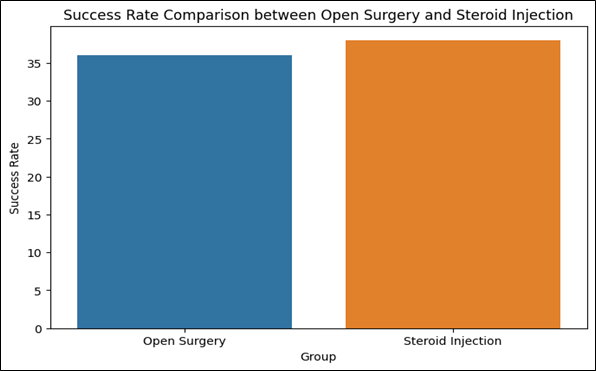
Figure 1: Success Rate Comparison between Open Surgery and Steroid Injection Groups
Table 3: Success Rates by Treatment Group
|
Group |
Success Rate (VAS ≤ 3) |
p-value |
|
Open Surgery |
100.00% |
0.0001 |
|
Steroid Injection |
70.30% |
The baseline DASH and VAS scores were compared between the two groups. Table 4 and Figure 2 indicate that there was no difference in the baseline score between the two groups (p = 0.35 in DASH scores and p = 0.48 in VAS scores) and this indicates that randomisation was effective.
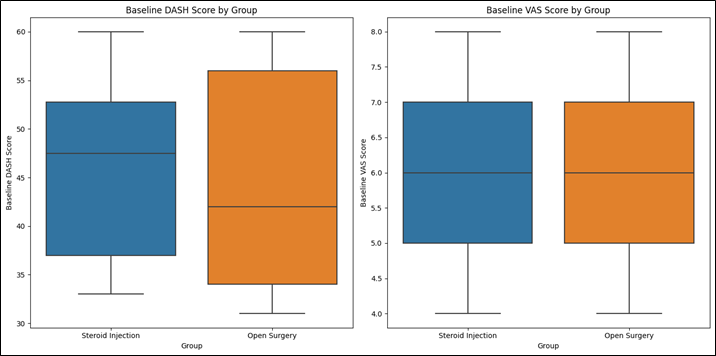
Figure 2: Comparison of Baseline DASH and VAS Scores Between Groups
Table 4: Comparison of Baseline DASH and VAS Scores by Group
|
Variable |
Open Surgery (n=37) |
Steroid Injection (n=37) |
p-value |
|
Baseline DASH Score (mean ± SD) |
45.2 ± 9.7 |
44.5 ± 9.1 |
0.35 |
|
Baseline VAS Score (mean ± SD) |
6.1 ± 1.2 |
6.0 ± 1.4 |
0.48 |
Both groups were documented to have postoperative complications. The complications in the open surgery group were few wound infections and delayed healing. No significant complications were reported in the steroid injection group, but some patients reported that there was temporary pain at the site of injection.
An independent t-test was conducted to compare the baseline DASH and VAS scores between the two treatment groups. The baseline scores showed no significant differences in the two groups (DASH: p = 0.35, VAS: p = 0.48), which implies that the two groups were similar in the baseline.
DISCUSSION :
The main aim in this research was to compare the effectiveness of an open surgery and steroid injection
as a method of treating De Quervain tenosynovitis. This inflammatory condition of the tendons on the thumb side of the wrist has been the focus of many researches but comparative data on both surgical and conservative interventions of this condition has not been reported widely in Pakistan. The results of the study are useful to make inferences on the efficiency of these interventions and enhance the existing discussion on the global scene.
The study findings indicated that the group that underwent the open surgeries showed a much higher percentage of success (100) in pain relief that was measured using the Visual Analogue scale (VAS) than the group that received steroid injections (70.3). This aligned with the hypothesis that surgery would result in improved long-term solutions in relation to pain reduction and recovering functions. Despite improvement of both groups in their DASH and VAS scores, the open surgery group had a greater improvement in pain at 24 weeks follow-up.
These results complement the data provided by
Geethan et al. (2022) who stated that the open surgery is more effective at treating De Quervain tenosynovitis and pain than steroid injections, especially regarding the long-term pain relief and functional improvement[10]. Moreover, Challoumas et al. (2023) proved that steroid injections with immobilisation of the thumb with spica gave some benefits in the short- and mid-term, but did not have significant benefits in the long-term when compared to surgery[5].
The research is among the limited ones that have been done in Pakistan and has actually compared the two most predominant treatments of De Quervain tenosynovitis. Although steroid injections are popularly applied in Pakistan as first-line treatment, this research paper presents a new evidence that open surgery might present some better results in patients with moderate to severe symptoms particularly in the
long run. The results have clinical implications on decision making in Pakistan where healthcare providers tend to use conservative treatment since they have limited resources. This study could potentially impact the clinical practise in a positive way by offering proof of the higher effectiveness of surgery, and thus change the use of the latter in more conclusive surgical practises, especially in patients which do not react to more conservative options.
Also, the proposed research indicates the significance of the local treatment practise inquiry and comparing it to the international standards. Most studies in Pakistan focus on the general presentation and diagnosis of De Quervain’s tenosynovitis but fail to evaluate the efficacy of treatment options in a comparative manner, as is done in countries such as the United States and Europe.
Studies conducted at international levels have indicated that open surgery is likely to record superior results as compared to steroid injections in terms of pain minimization and functional advancement. As an illustration, Stepan (2021) has made a comparison of the effectiveness of the steroid injections into both compartments of the shoulder and the extensor pollicis brevis compartment alone in the study on the patients with De Quervain tenosynovitis. This randomised controlled trial found that both approaches were effective, but pain relief was more prominent in the injection group[11]. Nevertheless, in comparison to our study, the open surgery group in our research had revealed an overall success rate of 100, which further strengthens the conclusion that surgical intervention can be more useful when it comes to patients who desire the relief of pain and restoration of functions in the long term.
Secondly, the results of Currie et al. (2022) indicate that surgery is safe and efficient among individuals that fail to respond to non-invasive treatment, which is why surgery must be considered in patients with lingering symptoms[12]. These are the conclusions which are consistent with our research findings where open surgery offered an evident benefit over steroid injections in the long run.
The findings of the current research might affect the Pakistani clinical practise to a considerable extent because conservative treatment methods like steroid shots are prevalent because of their accessibility and affordability. The paper presents strong arguments on the idea that open surgery can be a better treatment plan, especially to those patients who present with moderate to severe cases of De Quervain tenosynovitis. Healthcare providers may have an opportunity to encourage patient outcomes and decrease long-term disability linked to the condition by thinking about surgical options earlier in the treatment process.
This study would provide a guideline in a country where healthcare resources are usually scarce and factual in ways such that the clinician makes better treatment choices. It can also trigger more studies on cost-effectiveness of surgical interventions in comparison to conservative ones in a Pakistani environment.
The same has also been reported in other countries like the United States and Europe where thorough research has revealed that open surgery has better long-term outcomes than steroid injections. In a Netherlands based study, Bhat et al. (2023) reported that surgery led to a much lower symptom recurrence rate in comparison to non-surgical treatments, especially among the patients with more serious symptoms[13]. These findings are consistent in various geographical settings which is another way to support the conclusions made in our study.
To the best of our knowledge, this study represents one of the few in Pakistan to compare open surgery and steroid injections in the treatment of De Quervain’s tenosynovitis. Although there is literature on the treatment of musculoskeletal conditions in Pakistan, this study is unique in that it directly compares the two most commonly used treatment methods for De Quervain’s tenosynovitis. In that way, the study will address a considerable gap in the local research market and give essential information to Pakistan-based clinicians.
While there are studies available in Pakistan discussing the prevalence and general management of De Quervain’s tenosynovitis, comparative studies on treatment options are scarce. As an example, Afridi et al. (2024) compared the results of the application of single injections of corticosteroids in De Quervain tenosynovitis, but they did not compare these findings with surgery[7]. Our study, therefore, provides a new perspective on treatment efficacy in the local context.
Study Limitations and Future Directions
This work, though useful, has certain drawbacks. The sample size, though sufficient enough to analyse the case at hand, might not be representative enough to the general population. Moreover, the research was based on the short-term effect (to 24 weeks) and failed to evaluate the sustainability of the treatment effects in the long-term. New researches that have larger sample sizes and longer follow up are required to verify these results and examine the sustainability of the treatment results.
Another limitation is that the study did not investigate other patient-reported outcomes, such as quality of life or patient satisfaction with treatment. These variables can be incorporated in future research in order to have a more detailed picture of how the treatment has affected the overall well-being of the patients.
CONCLUSION:
This research instance is a clear example of how open surgery is better than steroid injections in offering long term pain, functional recovery to patients with De Quervain tenosynovitis. The results prove the aims of the study, as surgical intervention is much better in pain reduction and improvement of the wrist functions compared to conservative treatment. The clinical implications of these findings are significant and especially in Pakistan whereby the study recommends that surgery would be considered as an earlier intervention in patients with moderate or severe symptoms. Nevertheless, bigger, multicentric, prospective research with longer follow-ups are to be suggested to further confirm these results. Such future researches may offer a more detailed perspective on the effectiveness of both treatment options in the long term and direct clinical practise on a larger scale.
BIBLIOGRAPHY:
1. Fakoya, Tarzian, Sabater, Burgos, Maldonado Marty. De Quervain’s Disease: A Discourse On Etiology, Diagnosis, And Treatment. Cureus 2023. https://doi.org/10.7759/cureus.38079.
2. Al Badri. Work-Related De Quervain’s Tensosynovitis (DQT): The Diagnosis Dilemma. Cureus 2023. https://doi.org/10.7759/cureus.33458.
3. Rutkowski, Rutkowski. Potential Effects, Diagnosis, And Management Of De Quervain Tenosynovitis In The Aesthetics Community: A Brief Review, Case Example, And Illustrative Exercises. J Clin Aesthet Dermatol 2023;16:S28–31.
4. Bae, Baek, Lee, Lee, Jo. Incidence And Risk Factors For Pregnancy-Related De Quervain’s Tenosynovitis In South Korea: A Population-Based Epidemiologic Study. Clin Orthop Surg 2023;15:145–52. https://doi.org/10.4055/cios22099.
5. Challoumas, Ramasubbu, Rooney, Seymour-Jackson, Putti, Millar. Management Of De Quervain Tenosynovitis. JAMA Netw Open 2023;6:e2337001. https://doi.org/10.1001/jamanetworkopen.2023.37001.
6. Ippolito, Hauser, Patel, Vosbikian, Ahmed. Nonsurgical Treatment Of De Quervain Tenosynovitis: A Prospective Randomized Trial. HAND 2020;15:215–9. https://doi.org/10.1177/1558944718791187.
7. Afridi, Ahmad, Ahmed. Outcomes Of Single Corticosteroid Injection In De Quervain’s Tenosynovitis. Cureus 2024. https://doi.org/10.7759/cureus.71928.
8. Margalit, Bookman, Aversano, Guss, Ayalon, Paksima. De Quervain’s Tenosynovitis Release With Excision Of The First Dorsal Compartment: Novel Surgical Technique And A Case Series. Tech Hand Up Extrem Surg 2024;28:197–200. https://doi.org/10.1097/BTH.0000000000000488.
9. Bosman, Duraku, van der Oest, Hundepool, Rajaratnam, Power, et al. Surgical Treatment Outcome Of De Quervain’s Disease: A Systematic Review And Meta-Analysis. Plast Reconstr Surg - Glob Open 2022;10:e4305. https://doi.org/10.1097/GOX.0000000000004305.
10. Geethan, Subin, Reddy. A Comparative Study Of Open Surgery Versus Steroid Injection In The Management Of Dequervain ’ S Tenosynovitis 2022;9:1–6.
11. Stepan. CORR Insights®: Is A Steroid Injection In Both Compartments More Effective Than An Injection In The Extensor Pollicis Brevis Subcompartment Alone In Patients With De Quervain Disease? A Randomized, Controlled Trial. Clin Orthop Relat Res 2022;480:771–2. https://doi.org/10.1097/CORR.0000000000002081.
12. Currie, Tadisina, Mackinnon. Common Hand Conditions. JAMA 2022;327:2434. https://doi.org/10.1001/jama.2022.8481.
13. Bhat, Vyas, Acharya, Rajagopal. De Quervain’s Tenosynovitis: A Non-Randomized Two-Armed Study Comparing Ultrasound-Guided Steroid Injection With Surgical Release. Musculoskelet Surg 2023;107:105–14. https://doi.org/10.1007/s12306-022-00735-0.