A REVIEW ON MORINGA OLIEFERA: A POTENTIAL EXCIPIENT
- Laxmi Sidram Kanna , Department of pharmaceutical chemistry, Gandhi Natha Rangji College of D Pharmacy, Solapur 413002
- Ashwini Uddhav Lamkane , Department of pharmaceutical chemistry, Gandhi Natha Rangji College of D Pharmacy, Solapur 413002
- Anand Hariprasad Dharmadhikari , Department of pharmaceutical chemistry, Gandhi Natha Rangji College of D Pharmacy, Solapur 413002
- Bhakti Sidharamehwar Kole , Department of pharmaceutical chemistry, Gandhi Natha Rangji College of D Pharmacy, Solapur 413002
- Rutika Sandeep Kasture , Department of pharmaceutical chemistry, Gandhi Natha Rangji College of D Pharmacy, Solapur 413002
- Laxmi Sunil Katare , Department of pharmaceutical chemistry, Gandhi Natha Rangji College of D Pharmacy, Solapur 413002
- Priyanka Shankarling Dasmane , Department of pharmaceutical chemistry, Gandhi Natha Rangji College of D Pharmacy, Solapur 413002
Article Information:
Abstract:
dosage form formulations. Unwanted effects arising from synthetic excipients can be mitigated by employing excipients derived from natural sources, as these possess properties such as non-toxicity and biodegradability. This review highlights the use of Moringa oleifera as a natural excipient and explores the various parameters associated with its suitability for this purpose, primarily focusing on the characteristics of its gum, beyond its wide range of therapeutic uses, including pharmacological applications such as antimicrobial, anti-inflammatory, anti-ulcer, and immunomodulatory effects, Moringa oleifera can also be effectively utilized as an excipient. Due to its characteristic properties, including physiochemical properties, good binding, disintegrating, swelling, gelling, thickening, and stabilizing capacities, along with its phytochemistry, Moringa oleifera gum has the potential to serve as an effective natural excipient. This potential extends to applications in novel drug delivery systems such as nanoparticles, microspheres, hydrogels, and cross-polymerized systems.
Keywords:
Article :
INTRODUCTION :
Natural resource excipients, when compared to synthetic materials, tend to have a lower risk of adverse events and side effects. For instance, synthetic substances such as cross-povidone, polymethyl methacrylate (PMMA), and povidone are associated with potential drawbacks that are less commonly observed with natural alternatives1. Recent trends towards the use of the vegetable and nontoxic products demand the replacement of synthetic excipients with natural ones. Vegetable gums provide appropriate solution to the current problem 2. Natural excipients, derived from plants, animals, and minerals, improve drug formulations. Examples include starch, cellulose, and gums3
Moringa oleifera, a nutrient-rich tree, shows promise as a natural excipient due to its high protein content, antioxidant & antimicrobial properties, biocompatibility and generally safe and non-toxic nature. Potential applications include tablet and capsule formulations, and sustained-release drug delivery. Moringa oleifera, a fast-growing tree native to India, belongs to the Moringaceae family and is known by various names like Drumstick and Horseradish tree3. It’s a versatile plant with drought resistance, thriving in diverse climates and soil type 4.All parts of the Moringa tree possess nutritional and medicinal value, traditionally used to treat various health conditions5.
Notably, Moringa oleifera gum exhibits promising pharmaceutical applications. It acts as a natural, biodegradable, and biocompatible excipient 1. Research suggests its potential as a mucoadhesive polymer, disintegrant, and binder in drug formulations, with higher concentrations leading to faster disintegration and controlled drug release6.
DISCOVERY AND HISTORY
Moringa has a rich history of use dating back to 150 B.C., when it was included in the diets of ancient kings and queens to promote mental clarity and radiant skin. Today, various parts of the Moringa tree including its leaves, pods, seeds, gum, bark, and flowers are utilized in over 80 countries for their diverse applications and health benefits7. Moringa oleifera has a long history of use, dating back to ancient civilizations such as the Romans, Greeks, and Egyptians. Today, it is extensively cultivated and has adapted to various tropical regions around the world. This perennial softwood tree, despite producing low-quality timber, has been highly valued for centuries due to its diverse applications in traditional medicine and industrial practices8. Moringa oleifera is believed to have originated in the northwest region of India, particularly in Agra and Oudh, near the southern foothills of the Himalayan Mountains. Over time, its cultivation has expanded across the Middle East and throughout the tropical belt. It was introduced to Eastern Africa from India in the early 20th century, where it continues to thrive 9.
TAXONOMICAL CLASSIFICATION:
The plant M. oleifera belongs to the Kingdom: Plantae; Sub kingdom: Tracheobionta; Super division: Spermatophyta; Division: Magnoliophyta; Class: Magnoliopsida; Sub class: Dilleniidae; Order: Capparales; Family: Moringaceae; Genus: Moringa; Species: oleifera 10.
EXTRACTION METHOD:
Among the extraction methods considered, maceration with 70% ethanol emerged as the most suitable approach for extracting bioactive compounds from M. oleifera leaves. This method demonstrated several advantages, including simplicity, ease of operation, cost-effectiveness, and the ability to yield extracts rich in total phenolics, flavonoids, and antioxidants. Based on these findings, maceration with 70% ethanol is recommended as the preferred method and solvent for obtaining high-quality antioxidant extracts from M. oleifera leaves for potential pharmaceutical and nutraceutical applications 11.
Seed Preparation:
For this study, M. oleifera seeds were sourced from Los Banos, Laguna in the Philippines. Only seeds from fully dried pods were utilized. The seeds were carefully removed from the pods and stored at room temperature within the laboratory. Immediately before extraction, the winged seed cover was removed. The seed kernels were then finely ground using a mortar and pestle. Subsequently, 5.0 g of the resulting seed powder was mixed with 500 ml of the chosen extraction solvent 11.
This study investigated various extraction techniques for isolating phenolic compounds from Moringa leaves. The methods employed were maceration, homogenizer-assisted extraction (HAE), ultrasound-assisted extraction (UAE), microwave-assisted extraction (MAE), and rapid solid-liquid dynamic extraction (RSLDE) 12.
Maceration:
Three replicates of 10.0 g each of dried Moringa leaves were subjected to extraction using 60 mL of either 100% methanol (MAC-1) or a 50:50 (v/v) methanol-water solution (MAC-2) via a dynamic maceration process. The extracts were brought to room temperature and stirred for 4 hours. Following filtration, the collected extracts were stored in amber glass containers at -20°C for further analysis 12.
Homogenizer-Assisted Extraction (HAE):
Three replicates of 0.5 g each of dried Moringa leaves were extracted using 30 mL of either 100% methanol (HAE-1) or a 50:50 (v/v) methanol-water solution (HAE-2). The extraction was performed using an Ultra-turrax homogenizer at 5,000 × g for 3 minutes. The extracts were then centrifuged at 10,000 × g for 10 minutes at 4°C. Finally, the resulting solutions were collected in amber glass containers and stored for further analysis 12.
Ultrasound-Assisted Extraction (UAE):
The extraction process was carried out using an ultrasonic bath with a capacity of 6500 mL. Three replicates of 330 mg each of Moringa leaf powder were extracted in 10 mL of either 100% methanol (UAE-1) or a 50:50 (v/v) methanol-water solution (UAE-2) for 30 minutes at 45°C. Following ultrasonic treatment, the extracts were filtered and stored in amber glass vials until analysis 12.
Microwave-Assisted Extraction (MAE):
Three replicates of 330 mg each of Moringa leaves samples were extracted in 10 mL of either 100% methanol (MAE-1) or a 50:50 (v/v) methanol-water solution (MAE-2) using a Biotage Initiator 2.0 apparatus. The extraction conditions were set at 45°C for 30 minutes, with the magnetron power automatically controlled to maintain the set temperature. After extraction, the vessel was cooled to room temperature, and the obtained solution was filtered and stored in amber glass vials for further analysis 12.
Rapid Solid-Liquid Dynamic Extraction (RSLDE):
Three replicates of 10.0 g each of dried Moringa leaves were extracted using 60 mL of either 100% methanol (NAV-1) or a 50:50 (v/v) methanol-water solution (NAV-2) in a Naviglio extractor. The leaves were placed in a filter bag and inserted into the extraction chamber. The extraction program consisted of 30 cycles alternating between a static phase (2 minutes) and a dynamic phase (with specific piston
movements). The extract was collected after 2 hours at a maximum pressure of 9 bars. Upon completion, the device automatically expelled and filtered the extract. The bag was further emptied and squeezed to maximize recovery, and the combined extract was collected in an amber glass container 12.
Metabolite Profiling:
An aliquot of each Moringa leaf extract was filtered and collected in amber vials for metabolomics-based phenolic profiling using a UHPLC-QTOF mass spectrometry system. The chromatographic separation employed a methanol-water gradient, with ammonium formate and formic acid added to both mobile phases. The mass spectrometer operated in positive full scan mode with high resolution. Data processing involved alignment, deconvolution, and putative annotation of identified features using a phenolic compound database and established criteria for mass accuracy and isotopic patterns 12.
MORPHOLOGY:
This fast-growing tree thrives in well-aerated soils rich in loam and sand, ideally at elevations exceeding 500 meters above sea level 13. Typically it exhibits moderate dimensions, characterized by naturally trifoliate leaves. The tree produces flowers arranged in inflorescences measuring between 10 and 25 centimeters in length 14. Its fruits, often referred to as “pods,” typically display a trifoliate structure 15. The trunk generally exhibits a straight growth pattern, though occasional instances of irregular formation may occur. Branching patterns often lack a defined structure, resulting in an umbrella-shaped canopy. The tree produces brown seeds enclosed within a semi- permeable shell. Annual seed production per tree typically ranges from 15,000 to 25,00016.
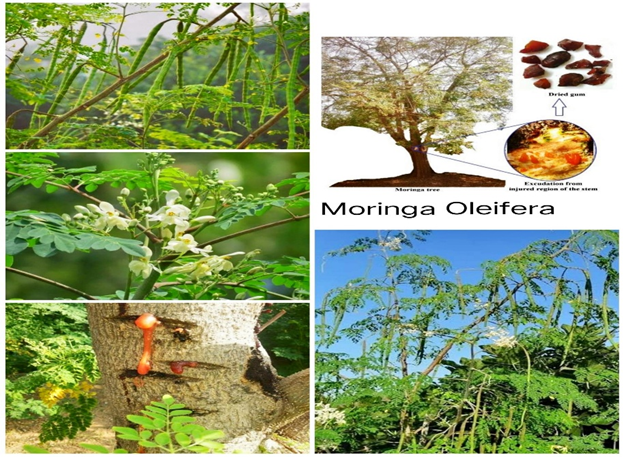
Figure 1: Moringa oleifera morphology
PHARMACOLOGICAL USES
Investigations in pharmacology have demonstrated a diverse range of biological effects associated with various extracts derived from Moringa oleifera. These effects encompass antimicrobial17, antifungal 18, anti-inflammatory19, antioxidant 20, anticancer 21, potential impacts on fertility 22, wound healing properties 17, and other beneficial activities.
Antimicrobial and Antifungal Activity
Ethanolic root extracts of Moringa oleifera have been shown to contain N-benzylethyl thioformate, a compound derived from deoxyniazimincin. This compound exhibits antimicrobial and antifungal properties against a broad spectrum of microorganisms 18. Additionally, research suggests that methanolic leaf extracts of M. oleifera may effectively inhibit the growth of bacteria commonly associated with urinary tract infections, including both Gram-negative (e.g., Klebsiella pneumoniae, Escherichia coli) and Gram-positive (e.g., Staphylococcus aureus, Staphylococcus saprophyticus) species 23.
Studies have demonstrated that extracts derived from various parts of Moringa oleifera, including leaves, seeds, and stems, exhibit inhibitory activity against a wide range of fungal species. These include, but are not limited to, Aspergillus flavus, Aspergillus terreus, Aspergillus niger, Rhizoctonia solani, Aspergillus niger, Aspergillus oryzae, Fusarium solani, Penicillium sclerotigenum, Cladosporium cladosporioides, Trichophyton mentagrophytes, and species within the Penicillium and Pullarium genera18.Research suggests that the antimicrobial properties of M. oleifera seeds may be attributed to the presence of active compounds known as 4-(alpha-L-rhamanosyloxy) benzyl isothiocyanates24.
Furthermore, the juice extracted from Moringa leaves has shown promising activity against human pathogenic bacteria 17. Notably, a methanolic leaf extract has been observed to inhibit the growth of Botrytis cinerea, a necrotrophic plant fungus, by nearly 99% 25.
Phytochemical analysis of M. oleifera fruit revealed the presence of alkaloids, flavonoids, and steroids. These compounds have been demonstrated to exhibit antifungal properties against Candida albicans. The proposed mechanisms of action include protein denaturation and inhibition of spore germination, potentially mediated by the steroid moiety26. Research has shown that extracts from moringa seed kernels possess significant antimicrobial activity against a range of microorganisms, including Bacillus cereus, Staphylococcus aureus, and certain fungal species (Mucor and Aspergillus). However, the efficacy of these extracts against Pseudomonas aeruginosa and Escherichia coli was found to be limited. These findings suggest that moringa seed kernel extracts may have potential as a therapeutic agent for infections caused by susceptible microorganisms 27. A recent study investigated the antimicrobial properties of different extracts obtained from M. oleifera seeds. The results indicated that only apolar extracts exhibited significant activity against Gram-positive bacteria 28.
Anti-inflammatory Activity
Numerous studies have demonstrated anti-inflammatory properties within various components of Moringa oleifera, encompassing leaves, pods, flowers, and roots. Research has shown that a specific compound isolated from Moringa – 4-[2-o-Acetyl-alpha -l-rahamnoslyloxy) benzyl] thiocynate – exhibits nitric oxide inhibitory activity and has demonstrated effectiveness in Raw264.7 cell lines29.Furthermore, compounds derived from M. oleifera roots, such as aurnatiamide acetate and 1,3-dibenzylurea, have been shown to inhibit TNF-α production30.Compounds, including tannins, phenols, alkaloids, flavonoids, carotenoids, β-sitosterol, vanillin, and moringin, have been identified within M. oleifera and are believed to contribute to its anti-inflammatory effects31.Studies on M. oleifera fruit extract have revealed an inhibitory effect on nuclear factor kappa B (NF-κB) translocation. Notably, the chloroform extract has been found to exhibit cytotoxicity at higher concentrations (500–1000 µg/mL) 32. In an animal model of atopic dermatitis, M. oleifera leaf extract demonstrated efficacy in reducing the expression of key inflammatory markers, including mannose receptor mRNA, thymic stromal lymphopoietin, and retinoic acid-related orphan receptor γT, in ear tissues of mice 32.
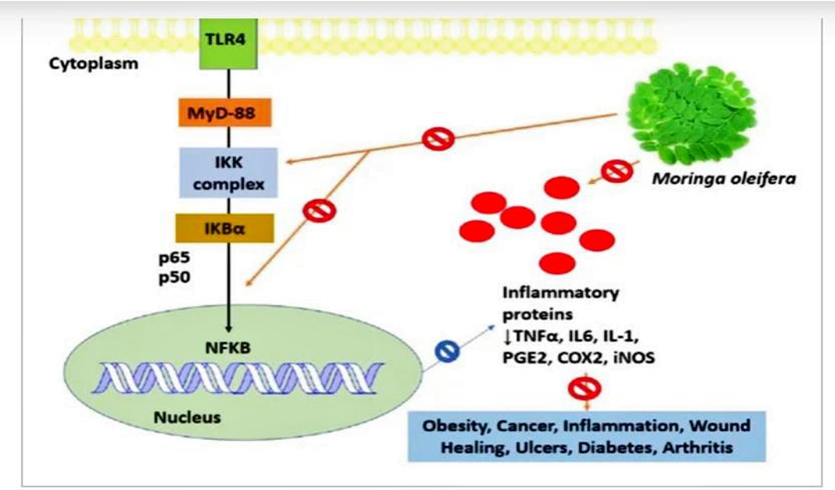
Figure 2: Mechanism of action of anti-inflammatory activity.
M. oleifera, as an oxidative and inflammatory marker, inhibits IKBα phosphorylation, thereby preventing NFKB (nuclear factor kappa B) inhibition. It prevents the nuclear translocation and dimerization of IkBα and NFKB, thereby inhibiting the formation of inflammatory proteins such as TNFα (tumor necrosis factor), COX-2(cyclooxygenase-2), IL6(interleukin -6), and NOS2 (inducible nitric oxide synthase) and thereby reducing the inflammation and curing other disorders like obesity, arthritis, cancer, diabetes, and ulcer 33.M. Oleifera shows potential as a valuable therapeutic agent in treating burn injuries. However, further studies are needed to determine the specific chemical compounds responsible for its wound-healing effect34.
Antioxidant Activity
Moringa pods contain a diverse array of bioactive compounds, including glycosylates 35, isothiocyanates36, thiocarbamates 37, phenolic compounds 38 and flavonoids 19, which have demonstrated antioxidant properties in various studies.
Aqueous extracts of Moringa have shown significant free radical scavenging activity 19. While kaempferol, primarily found in Moringa leaves, is believed to contribute to its antioxidant potential 17, the synergistic effects of Moringa with compounds like piperine and curcumin have been observed in mitigating oxidative stress induced by beryllium toxicity in animal models 39.
In vitro studies have demonstrated the potential of plant extracts in mitigating oxidative stress and associated ocular diseases. For example, an alcohol-based plant extract effectively reduced glucose-induced cataract formation in isolated goat lenses by regulating glutathione (GSH) levels 40.
Furthermore, myricetin, a flavonoid abundant in Moringa oleifera seeds, exhibited superior antioxidant activity compared to synthetic antioxidants such as BHT (butylated hydroxytoluene) and alpha-tocopherol. Research utilizing HEK-293 cells has shown that M. oleifera leaf extracts, rich in compounds like isoquercetin, astragalin, and crypto-chlorogenic acid, effectively diminish reactive oxygen species (ROS) levels 41.
Immunomodulatory Activity
Analysis of the plant’s methanolic extract revealed the presence of active compounds, including isothiocyanate and glycoside cyanide. These compounds have demonstrated the ability to stimulate the immune system. A recent review highlighted the potential of numerous bioactive compounds to address various immune-related conditions, such as cancer, hypertension, and diabetes, by bolstering the host’s immune response 42.
Hematological agent
Studies have shown that Moringa oleifera can positively influence various aspects of blood health. One randomized, double-blind trial observed that an aqueous extract derived from its leaves significantly raised low hemoglobin levels (8–12 g/dL) in women 43.
Antiulcer
Research findings have indicated that bisphenols and flavonoids present in moringa leaves may contribute to a decrease in ulcer severity, as evidenced by a lower ulcer index in animal models with ibuprofen-induced gastric ulcers 31.
OTHER PROPERTIES
Natural gum exudates, derived from plants, are classified as either water-soluble or water-dispersible hydrocolloids. These biopolymers possess valuable functional properties, including the ability to suspend, disperse, and stabilize various substances. Consequently, plant gum exudates have found widespread application in diverse industries such as food, pharmaceuticals, textiles, petroleum, paper, and cosmetics. They are employed as emulsifiers, gelling agents, thickeners, suspending agents, binders, swelling agents, bulking agents, encapsulating agents, and flocculants, reflecting their increasing industrial significance 44.
Moringa gum displays significant potential in both food and pharmaceutical applications. However, its industrial utilization has been hindered by challenging harvesting techniques and a limited understanding of its physicochemical properties. To maximize the industrial application of Moringa gum exudates, a comprehensive characterization of its structural and physicochemical attributes is crucial. This knowledge will facilitate the development of stable and non-reactive formulations 45.
Preformulations and toxicity studies have demonstrated the suitability of Moringa gum as a safe, biodegradable, and effective binding and suspending agent in drug delivery systems. Its mucoadhesive properties also make it a promising candidate for use as a stabilizer, thickener, and gelling agent 45.
Recent research has explored the potential of physically and chemically modified Moringa gum polysaccharides in the creation of hydrogels for biomedical applications, including wound dressings, controlled drug release, and nanocarrier systems. Furthermore, Moringa oleifera gum has been utilized in the development of biosorbents for the efficient and rapid removal of heavy metals and toxic dye 45.
BOTANICAL AND GEOGRAPHICAL DISTRIBUTION:
Moringa oleifera, a tree native to the Himalayan foothills of South Asia, spanning from northeastern Pakistan to northwestern India, exhibits significant potential as a valuable resource in various sectors, including food, medicine, and animal feed, particularly in developing regions. Beyond its native range in South Asia, Moringa oleifera has successfully established itself in various tropical and subtropical regions worldwide, including parts of Asia, Africa, and the Americas. This widespread naturalization demonstrates the species’ adaptability to diverse environments 46.
Moringa oleifera exhibits remarkable adaptability to various environmental conditions, including hot, semi-arid regions with limited rainfall. The species has also demonstrated resilience to moderate salinity, maintaining acceptable mineral content due to its inherent antioxidant properties. While optimal growth occurs in lowland areas, Moringa oleifera can thrive at higher altitudes, exceeding 2000 meters. The species exhibits a preference for well-drained soils, particularly those with slightly alkaline characteristics, such as clay and sandy loam soils. However, Moringa demonstrates adaptability to a wide range of soil types and pH levels, from 4.5 to 946.
PHYTOCHEMISTRY:
Phytochemicals are bioactive compounds found in plants that are not essential for nutrition but offer protective or disease-preventive benefits. The Moringa species are particularly abundant in a diverse array of phytochemicals, including zeatin, quercetin, β-sitosterol, caffeoylquinic acid, kaempferol, kaempferitrin, isoquercetin , rhamnetin, and rhamnose 47.
Several studies have highlighted the presence of polyphenols in both the leaves and fruits of Moringa oleifera, with a higher concentration of these compounds found in the butanol fraction of the leaves and the aqueous fraction of the fruits.The leaves have also been found to contain a variety of bioactive substances, including 4-[(4’-O-acetyl-L-rhamnosyloxy)benzyl] isothiocyanate, niaziminin A, as well as caffeoylquinic acids (3-caffeoylquinic and 5-caffeoylquinic acid), carotenoids, epicatechin, and o-coumaric acid47.In addition to their polyphenolic content, the leaves of M. oleifera are also considered significant sources of essential vitamins. Notably, fresh leaves have been found to contain higher levels of vitamin C compared to traditional sources like oranges 47. The seed oil extract of Moringa oleifera Is known to contain tannins and saponins, which contribute to its wide range of pharmacological activities. The seeds are rich in various fatty acids, including arachidic acid, octacosanoic acid, oleic acid, palmitic acid, stearic acid, linolenic acid, behenic acid, and paullinic acid. Additionally, two glycosides, niazirin and niazirinin, have been successfully extracted from the ethanolic extract of Moringa oleifera 33.
The gum exudate obtained from the moringa tree is naturally white but gradually changes to reddish-brown or brownish-black upon prolonged exposure to sunlight. Moringa gum is composed of arabinofuranose, arabicofuranose, galactopyranosyl, and galactopyranose units 48. A purified gum exudate from Moringa oleifera has been found to contain various sugars, including L-arabinose, galactose, D-glucuronic acid, L-rhamnose, mannose, and xylose. Additionally, mild hydrolysis of the entire gum with acid yields a degraded polysaccharide composed of L-galactose, D-glucuronic acid, and L-mannose 49. Another key component
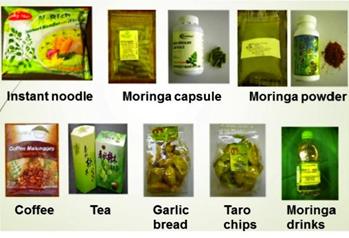
Figure 3: Edible marketed products
found in the moringa oleifera gum is leucodelphinidin-3-O-β-D-galactopyranosyl-(1- >4)-β-D-glucopyranoside 50. Moringa oleifera contains a distinctive class of compounds known as glucosinolates and isothiocyanates, which are relatively uncommon 1.
MARKETED PRODUCTS: In the Philippines, moringa finds extensive use primarily within the food and nutrition sector. Fresh leaves, In the Philippines, moringa finds extensive use primarily within the food and nutrition sector. Fresh leaves, flowers, and pods are culinary staples, incorporated into a diverse range of local dishes. Dried and ground leaves yield moringa leaf powder, a versatile ingredient employed in food fortification, as a seasoning, in herbal products, and as a dietary supplement. Moringa powder serves as a valuable ingredient in the fortification of various food items, including nutri-buns, bread, cookies, chips, biscuits, sauces, juices, spices, milk, and noodles. The oil extracted from dried seeds offers a cooking oil alternative with a nutritional profile comparable to olive oil. The plant's acclaimed status as a "miracle tree" has spurred the development of a wide array of moringa-infused products, ranging from food supplements to tea, coffee, and energy drinks. Some establishments even offer moringa-flavored ice creams and smoothies. Other notable examples of moringa-enhanced food items include pandesal (salted bread), polvoron (a traditional sweet), camote muffins, and fettuccine 50.
Moringa oleifera (Moringaceae) is a highly nutritious plant with notable medicinal value. Its leaves, seeds, roots, bark, flowers, fruits, and pods contain proteins, vitamins, minerals, amino acids, and bioactive compounds like quercetin, β-sitosterol, and kaempferol. These parts show diverse therapeutic properties, including antioxidant, anti-inflammatory, antidiabetic, antibacterial, antifungal, and cardioprotective effects51.Despite this growing trend, the domestic production of moringa powder faces challenges, primarily due to insufficient planting materials and inconsistent quality. Many processors opt for cheaper imported powder from countries like India and Africa, where production costs are lower. However, local producers possess a distinct advantage. According to Bernadette Arellano of the MPFI, imported powder often exhibits inferior quality, being sundried and brown. Processors generally favor locally produced powder, which is air-dried, retains its green color, and better preserves essential nutrients 50.
Oleifera, a Latin term signifying "oil-bearing," aptly describes moringa. Its seeds yield 38-40% edible oil, commonly known as ben oil, characterized by its clarity, lack of odor, and resistance to rancidity. Ben oil finds applications in the manufacturing of lubricants, cosmetics, and perfumes. Its chemical composition and physical properties, particularly its high oleic acid content and other nutritional benefits, make it well-suited for high-end markets. A wide range of industrial products, including cosmetics, shampoos, soaps, lotions, and creams, utilize moringa seed oil 50.
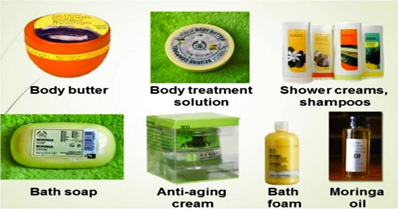
Figure 4: moringa oleifera marketed products
While a well-established commercial moringa oil industry has yet to emerge in the Philippines, key players are optimistic about capturing a significant share of the international market. For instance, the Terra Wellness Spa in Pasig City incorporates moringa as an anti-aging ingredient in its Coco-Moringa facial treatment. Currently, moringa oil production remains small-scale, struggling to meet the increasing demand. Furthermore moringa is gaining traction as an animal feed supplement. Livestock growers and feed companies are increasingly incorporating moringa into their feed products. The prospects for moringa-based products appear promising, with key players actively seeking to penetrate the international market 50.
DRUG-EXCIPIENT COMPATIBILITY:
Drug-excipient compatibility can be evaluated using Fourier Transform Infrared (FTIR) spectroscopy to detect any potential interactions between the drug and excipients in the formulation 53. Compatibility studies were conducted with verapamil hydrochloride and propranolol hydrochloride to assess potential interaction Diffuse reflectance spectroscopy using Fourier Transform Infrared (FTIR) spectrometry (FTIR 8400S, Shimadzu, Kyoto) was employed for analysis. Infrared spectra of pure drug, gum, and physical mixtures of gum and drug were obtained by scanning potassium bromide (KBr) discs containing the samples 46.
SAFETY AND TOXICOLOGY:
Human studies to date have demonstrated no adverse effects from Moringa oleifera consumption, with details provided later. Furthermore, various preparations have been used globally as food and medicine with no reported ill effects. Animal studies have specifically investigated the toxicity of different Moringa preparations. (2009) evaluated the safety of an oral aqueous leaf extract in rats at doses ranging from 400 to 2000 mg/kg body weight. While a dose-dependent decrease in body weight was observed over 21 days, no significant adverse effects were found on blood cell counts or serum enzyme levels, suggesting safety at doses up to 2000 mg/kg 54.
Previous human studies utilizing oral whole leaf powders of Moringa oleifera have shown significant anti-hyperglycemic, anti-dyslipidemic, and antioxidant effects without adverse reactions. However, these studies did not involve leaf extracts. Human and animal studies, including in vitro research, indicate that various Moringa oleifera preparations possess diverse physiological and pharmacological activities. While human studies have primarily utilized powdered leaf preparations, animal studies have predominantly employed aqueous, hydroalcoholic, or alcohol (methanol or ethanol) extracts 54.
Research strongly supports the antioxidant, antidiabetic, anti-dyslipidemic, and chemoprotective properties of Moringa oleifera whole leaf powder and its extracts. A significant increase in Moringa oleifera research, primarily in rodents, has been observed in recent years. However, a lack of standardization in extract preparation and the use of standardized extracts hinders the comparability and interpretation of study results 54.
Furthermore, few bioactivity-based extraction procedures have been employed to establish relationships between extraction methods, solvents, chemical constituents, and pharmacological activities. The interplay of various constituents within Moringa preparations, including additive, synergistic, and inhibitory effects, remains largely unclear 54.
Safety Considerations:
Animal studies have generally demonstrated the high safety profile of Moringa extracts. Human studies have also shown a high level of safety, with no adverse effects reported at a single dose of 50g of whole leaf powder or 8g per day for 40 days. A typical rat dose of an aqueous extract is approximately 300 mg/kg, equivalent to about 3.9g in a human weighing 80 kg. While no human studies have specifically investigated aqueous extracts, limited data suggests that a significant portion of whole leaf powder may not be solubilized by aqueous or alcohol extraction 54.
APPLICATION:
Moringa oleifera been reported to have gel forming potential for topical application 52. Research has explored the potential of Moringa oleifera gum in various pharmaceutical applications, including its use as a gelling agent, binder, and release retardant in tablet formulations. Studies have also investigated the impact of excipients like calcium sulfate dihydrate and lactose on the release of propranolol hydrochloride from tablets containing Moringa oleifera gum. Additionally, research has demonstrated the potential of Moringa oleifera gum as a disintegrant in tablet 55.
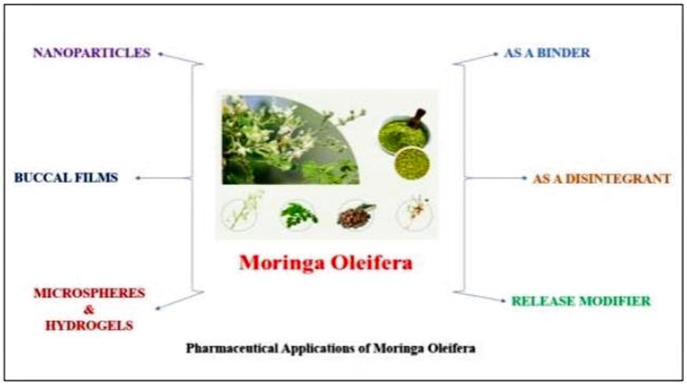
Figure 5. Moringa oleifera as excipient
Moringa oleifera gum has gained significant interest in the pharmaceutical industry due to its unique properties. This natural polymer offers various functionalities, including binding, disintegrating, and modifying drug release profiles 56.
Applications in Pharmaceutical Formulations
Binder: Moringa oleifera gum effectively binds tablet ingredients, creating strong tablets with minimal friability. Studies have shown that tablets containing 5% w/w Moringa gum exhibit excellent hardness and disintegration properties56.
Disintegrant: The swelling capability of Moringa oleifera gum makes it a suitable disintegrant, promoting rapid tablet breakdown upon contact with fluids. This property is particularly beneficial for immediate-release tablets, potentially replacing synthetic disintegrants. Research suggests that Moringa gum performs competitively with conventional disintegrants in terms of disintegration time56.
Sustained-Release Modifier: Moringa oleifera gum’s gelling and viscosity-enhancing properties enable controlled drug release in sustained-release formulations. By forming a gel barrier within the matrix tablet, it retards drug diffusion and prolongs release duration. It can be combined with other polymers like HPMC for further customization of the release profile. Studies have demonstrated the potential of Moringa oleifera gum-based hydrogels for sustained drug delivery 56.
MORINGA OLEIFERA GUM IN NOVEL DRUG DELIVERY SYSTEMS
Nanoparticles: Moringa oleifera gum shows promise in creating nanoparticle-based drug delivery systems. Its ability to stabilize nanoparticles can enhance the bioavailability and targeted delivery of poorly soluble drugs. Research suggests that Moringa gum-derived nanoparticles can offer controlled drug release and improved therapeutic efficacy for various medications 56.
Buccal Films: The bioadhesive properties of Moringa oleifera gum make it suitable for formulating buccal films that adhere to the oral mucosa. These films enable direct drug absorption into systemic circulation, bypassing first-pass metabolism. Moringa oleifera gum-based buccal films hold potential for improved drug absorption and sustained release. Studies have shown promising results with Moringa oleifera gum in buccal film formulations56.
Microspheres and Hydrogels: Moringa oleifera gum can be used to prepare microspheres and hydrogels for localized drug delivery. Crosslinking the gum creates stable hydrogels that encapsulate drugs and release them in a controlled manner at the target site. This approach is advantageous for wound healing and localized therapies. Research has demonstrated the potential of Moringa oleifera gum-based hydrogels for various applications 56.
Combinations with Other Polymers: Combining Moringa oleifera gum with other natural or synthetic polymers can further enhance drug delivery systems. For instance, combining it with HPMC or chitosan can improve mechanical strength, gel formation, or bioadhesive properties depending on the desired application. Studies have shown that combining Moringa oleifera gum with other polymers can lead to improved efficacy in various applications 56.
CONCLUSION :
The organoleptic properties of M. oleifera gum were found to be acceptable. Favorable results were observed in rheological and compatibility studies, suggesting the potential for the gum’s use as an excipient in various pharmaceutical formulations. Extensive studies and tests on various parts of Moringa oleifera have demonstrated that it possesses numerous desirable properties that align with various analyzed parameters In addition to its therapeutic uses, studies have proven its potential as a promising excipient by considering various aspects that a good excipient must exhibit. Therefore, utilizing Moringa oleifera, particularly its gum, as a natural excipient can significantly help to overcome the side effects of synthetic excipients employed in various formulations. Further research is needed to identify and uncover other potential hidden parameters that can further enhance its use as an excipient alongside its therapeutic applications. Moringa oleifera is therefore a promising plant for use as an excipient. Enhancing research efforts towards it, rather than underestimating its potential, can be a valuable approach in pharmaceutical, nutritional, and other related sectors.
BIBLIOGRAPHY:
1. Sonika SD, Singh TG, Arora G, Arora S. Moringa gum: a comprehensive review on its physicochemical and functional properties. Plant Arch. 2020;20:3794-805.
2. Panda DS, Choudhury NS, Yedukondalu M, Si S, Gupta R. Evaluation of gum of Moringa oleifera as a binder and release retardant in tablet formulation. Indian journal of pharmaceutical sciences. 2008 Sep;70(5):614.
3. Seifu E, Teketay D. Introduction and expansion of Moringa oleifera Lam. in Botswana: Current status and potential for commercialization. South African Journal of Botany. 2020 Mar 1;129:471-9.
4. Kumar V, Kumar A, Nayik GA, Rafiq SM. Drum Stick (Moringa oleifera). InAntioxidants in Vegetables and Nuts-Properties and Health Benefits 2020 Dec 2 (pp. 249-264). Singapore: Springer Singapore.
5. Musiba BD. Formulation development of moringa oleifera film coated tablets (Doctoral dissertation, University of Nairobi).
6. Patel MT, Patel JK, Upadhyay UM. Assessment of various pharmaceutical excipient properties of natural Moringa oleifera gum [Mucoadhesion, disintegration, binder]. International journal of pharmacy & Life sciences. 2012 Jul 1;3(7).
7. Mahmood KT, Mugal T, Haq IU. Moringa oleifera: a natural gift-A review. Journal of Pharmaceutical Sciences and Research. 2010 Nov 1;2(11):775.
8. Fahey JW. Moringa oleifera: a review of the medical evidence for its nutritional, therapeutic, and prophylactic properties. Part 1. Trees for life Journal. 2005 Dec 1;1(5):1-5.
9. Mallenakuppe R, Homabalegowda H, Gouri MD, Basavaraju PS, Chandrashekharaiah UB. History, taxonomy and propagation of Moringa oleifera–a review. crops. 2015;3(3.28):3-15.
10. Pareek A, Pant M, Gupta MM, Kashania P, Ratan Y, Jain V, Pareek A, Chuturgoon AA. Moringa oleifera: An updated comprehensive review of its pharmacological activities, ethnomedicinal, phytopharmaceutical formulation, clinical, phytochemical, and toxicological aspects. International journal of molecular sciences. 2023 Jan 20;24(3):2098.
11. Vongsak B, Mangmool S, Gritsanapan W. Antioxidant activity and induction of mRNA expressions of antioxidant enzymes in HEK-293 cells of Moringa oleifera leaf extract. Planta Medica. 2015 Aug;81(12/13):1084-9.
12. Rocchetti G, Blasi F, Montesano D, Ghisoni S, Marcotullio MC, Sabatini S, Cossignani L, Lucini L. Impact of conventional/non-conventional extraction methods on the untargeted phenolic profile of Moringa oleifera leaves. Food research international. 2019 Jan 1;115:319-27.
13. Fuglie LJ. Producing food without pesticides: local solutions to crop pest control in West Africa.
14. Mallenakuppe R, Homabalegowda H, Gouri MD, Basavaraju PS, Chandrashekharaiah UB. History, taxonomy and propagation of Moringa oleifera–a review. crops. 2015;3(3.28):3-15.
15. Chaudhary K, Chaurasia S. Neutraceutical properties of Moringa oleifera: a review. European journal of Pharmaceutical and medical research. 2017;4(4):646-55.
16. Aekthammarat D, Pannangpetch P, Tangsucharit P. Moringa oleifera leaf extract lowers high blood pressure by alleviating vascular dysfunction and decreasing oxidative stress in L-NAME hypertensive rats. Phytomedicine. 2019 Feb 15;54:9-16.
17. Mishra G, Singh P, Verma R, Kumar S, Srivastav S, Jha KK, Khosa RL. Traditional uses, phytochemistry and pharmacological properties of Moringa oleifera plant: An overview. Der Pharmacia Lettre. 2011;3(2):141-64.
18. Upadhyay P, Yadav MK, Mishra S, Sharma P, Purohit S. Moringa oleifera: A review of the medical evidence for its nutritional and pharmacological properties. International Journal of Research in Pharmacy & Science. 2015 Apr 1(2).
19. Singh A, Navneet X. Ethnomedicinal, pharmacological and antimicrobial aspects of Moringa oleifera Lam. A review. The Journal of Phytopharmacology. 2018;7(1):45-50.
20. Banik S, Biswas S, Karmakar S. Extraction, purification, and activity of protease from the leaves of Moringa oleifera. F1000Research. 2018 Jul 30;7:1151.
21. Parvathy MV, Umamaheshwari A. Cytotoxic effect of Moringa oleifera leaf extracts on human multiple myeloma cell lines.
22. Devi KG, Venkateswarlu G, Sudhakar AM. effect of hydroalcoholic extract of Moringa oleifera leaves on fertility hormone and sperm quality of male albino rats. World Journal of Current Medical and Pharmaceutical Research. 2019 Jun 30:83-7.
23. Maurya SK, Singh AK. Clinical efficacy of Moringa oleifera Lam. stems bark in urinary tract infections. International scholarly research notices. 2014;2014(1):906843.
24. Padla EP, Solis LT, Levida RM, Shen CC, Ragasa CY. Antimicrobial isothiocyanates from the seeds of Moringa oleifera Lam. Zeitschrift für Naturforschung C. 2012 Dec 1;67(11-12):557-64.
25. Ahmadu T, Ahmad K, Ismail SI, Rashed O, Asib N, Omar D. Antifungal efficacy of Moringa oleifera leaf and seed extracts against Botrytis cinerea causing gray mold disease of tomato (Solanum lycopersicum L.). Brazilian Journal of Biology. 2020 Nov 9;81(4):1007-22.
26. Moodley JS, Krishna SB, Pillay K, Sershen F, Govender P. Green synthesis of silver nanoparticles from Moringa oleifera leaf extracts and its antimicrobial potential. Advances in Natural Sciences: Nanoscience and Nanotechnology. 2018 Mar 9;9(1):015011.
27. Dinesha BL, Nidoni U, Ramachandra CT, Naik N, Sankalpa KB. Effect of extraction methods on physicochemical, nutritional, antinutritional, antioxidant and antimicrobial activity of Moringa (Moringa oleifera Lam.) seed kernel oil. Journal of Applied & Natural Science. 2018 Mar 1;10(1).
28. Anzano A, de Falco B, Ammar M, Ricciardelli A, Grauso L, Sabbah M, Capparelli R, Lanzotti V. Chemical analysis and antimicrobial activity of Moringa oleifera Lam. leaves and seeds. Molecules. 2022 Dec 15;27(24):8920.
29. Tan WS, Arulselvan P, Karthivashan G, Fakurazi S. Moringa oleifera flower extract suppresses the activation of inflammatory mediators in lipopolysaccharide‐stimulated RAW 264.7 macrophages via NF‐κB pathway. Mediators of inflammation. 2015;2015(1):720171.
30. Cuellar-Núñez ML, De Mejia EG, Loarca-Piña G. Moringa oleifera leaves alleviated inflammation through downregulation of IL-2, IL-6, and TNF-α in a colitis-associated colorectal cancer model. Food Research International. 2021 Jun 1;144:110318.
31. Bhattacharya A, Tiwari P, Sahu PK, Kumar S. A review of the phytochemical and pharmacological characteristics of Moringa oleifera. Journal of pharmacy and bioallied sciences. 2018 Oct 1;10(4):181-91.
32. Abdel-Daim MM, Khalil SR, Awad A, Abu Zeid EH, El-Aziz RA, El-Serehy HA. Ethanolic extract of Moringa oleifera leaves influences NF-κB signaling pathway to restore kidney tissue from cobalt-mediated oxidative injury and inflammation in rats. Nutrients. 2020 Apr 9;12(4):1031.
33. Pareek A, Pant M, Gupta MM, Kashania P, Ratan Y, Jain V, Pareek A, Chuturgoon AA. Moringa oleifera: An updated comprehensive review of its pharmacological activities, ethnomedicinal, phytopharmaceutical formulation, clinical, phytochemical, and toxicological aspects. International journal of molecular sciences. 2023 Jan 20;24(3):2098.
34. Gupta PP, Sahu C, Chandrakar S, Yadav R, Roy A. Assessment of Moringa oleifera’s Efficacy in Promoting Burn Wound Healing in Wistar Rats: A Preclinical Evaluation. Research Journal of Pharmacy and Technology. 2024 Sep 1;17(9):4601-7.
35. Nunthanawanich P, Sompong W, Sirikwanpong S, Mäkynen K, Adisakwattana S, Dahlan W, Ngamukote S. Moringa oleifera aqueous leaf extract inhibits reducing monosaccharide-induced protein glycation and oxidation of bovine serum albumin. Springerplus. 2016 Jul 16;5(1):1098.
36. Borgonovo G, De Petrocellis L, Schiano Moriello A, Bertoli S, Leone A, Battezzati A, Mazzini S, Bassoli A. Moringin, a stable isothiocyanate from Moringa oleifera, activates the somatosensory and pain receptor TRPA1 channel in vitro. Molecules. 2020 Feb 22;25(4):976.
37. Albuquerque Costa R, Sousa OV, Hofer E, Mafezoli J, Barbosa FG, Vieira RH. Thiocarbamates from Moringa oleifera seeds bioactive against virulent and multidrug‐resistant Vibrio species. BioMed Research International. 2017;2017(1):7963747.
38. Vergara-Jimenez M, Almatrafi MM, Fernandez ML. Bioactive components in Moringa oleifera leaves protect against chronic disease. Antioxidants. 2017 Nov 16;6(4):91.
39. Anzano A, de Falco B, Ammar M, Ricciardelli A, Grauso L, Sabbah M, Capparelli R, Lanzotti V. Chemical analysis and antimicrobial activity of Moringa oleifera Lam. leaves and seeds. Molecules. 2022 Dec 15;27(24):8920.
40. Sasikala V, Rooban BN, Priya SS, Sahasranamam V, Abraham A. Moringa oleifera prevents selenite-induced cataractogenesis in rat pups. Journal of ocular pharmacology and therapeutics. 2010 Oct 1;26(5):441-7.
41. Vongsak B, Mangmool S, Gritsanapan W. Antioxidant activity and induction of mRNA expressions of antioxidant enzymes in HEK-293 cells of Moringa oleifera leaf extract. Planta Medica. 2015 Aug;81(12/13):1084-9.
42. Mehwish HM, Riaz Rajoka MS, Xiong Y, Zheng K, Xiao H, Anjin T, Liu Z, Zhu Q, He Z. Moringa oleifera–a functional food and its potential immunomodulatory effects. Food Reviews International. 2022 Oct 3;38(7):1533-52.
43. Suzana D, Suyatna FD, Andrajati R, Sari SP, Mun’im A. Effect of Moringa oleifera leaves extract against hematology and blood biochemical value of patients with iron deficiency anemia. Journal of Young Pharmacists. 2017;9(1s):S79.
44. Gupta S, Kachhwaha S, Kothari SL, Bohra MK, Jain R. Surface morphology and physicochemical characterization of thermostable moringa gum: a potential pharmaceutical excipient. ACS omega. 2020 Nov 4;5(45):29189-98.
45. Gupta AK, Das T, Jha AK, Naik B, Kumar V, Rustagi S, Khan JM. Encapsulation of debittered pomelo juice using novel Moringa oleifera exudate for enrichment of yoghurt: A techno-functional approach. Food Chemistry. 2024 Oct 15;455:139937.
46. Gandji K, Chadare FJ, Idohou R, Salako VK, Assogbadjo AE, Kakaï RG. Status and utilisation of Moringa oleifera Lam: A review. African Crop Science Journal. 2018 Feb 27;26(1):137-56.
47. Padayachee B, Baijnath HJ. An updated comprehensive review of the medicinal, phytochemical and pharmacological properties of Moringa oleifera. South African Journal of Botany. 2020 Mar 1;129:304-16.
48. Deshmukh SH, Parate VR. Comparative physicochemical and FTIR spectroscopic studies of exudate and purified forms of Moringa oleifera gum and Jhingan gum. Chemical Papers. 2024 Jun;78(8):4857-65.
49. Dubey DK, Dora J, Kumar A, Gulsan RK. A multipurpose tree-Moringa oleifera. International journal of pharmaceutical and chemical sciences. 2013 Jan;2(1):415-23.
50. Palada MC. The moringa industry in the Philippines: Status, challenges and opportunities. InI International Symposium on Moringa 1158 2015 Nov 15 (pp. 447-454).
51. Rajasekaran A, Sivagnanam G, Xavier R. Nutraceuticals as therapeutic agents: A Review. Research Journal of Pharmacy and Technology. 2008;1(4):328-40.
52. Panda DS, Choudhury NS, Yedukondalu M, Si S, Gupta R. Evaluation of gum of Moringa oleifera as a binder and release retardant in tablet formulation. Indian journal of pharmaceutical sciences. 2008 Sep;70(5):614.
53. Alsammarraie HJ, Khan NA, Mahmud R. Amphiphilic Polymer for Formulation of Ethanol Extract of Moringa oleifera Leaves as Solid Dispersion: Formulation, Evaluation, and Stability Studies. Int. J. Drug Deliv. Technol. 2021;11(3):926-36.
54. Zhang YW, Wang FJ, Cai M, Liu YP, Liu JY, Huang BZ. Evaluation of the feeding safety of Moringa (Moringa oleifera L.) in the Sprague Dawley rat. Scientific Reports. 2024 May 9;14(1):10647.
55. Sharma DR, Sharma A, Kaundal A, Rai PK. Herbal gums and mucilage as excipients for Pharmaceutical Products. Research Journal of Pharmacognosy and Phytochemistry. 2016;8(3):145-52.
56. Yogesh N Patel. Moringa oleifera as a multifunctional excipient: Transforming pharmaceutical drug delivery. World Journal of Biology Pharmacy and Health Sciences [Internet]. 2024 Nov 30;20(2):445–51