Facile Fabrication of Rice Husk Waste Biomass-based Silicon Dioxide (SiO2) – Nanoparticles: Characterizations and Water Treatment Activity.
- Farzana Anwar Mangrio , Shah Abdul Latif University, Khairpur, Sindh, Pakistan
- Mushtaque Ali Jakhrani , Shah Abdul Latif University, Khairpur, Sindh, Pakistan
- Abdul Raheem Shar , Assistant Professor GDC Thari Mirwah
- Seema Ghumro , Shah Abdul Latif University, Khairpur, Sindh, Pakistan
- Khalida Anwar Mangrio , Shah Abdul Latif University, Khairpur, Sindh, Pakistan
- Rubina Naz Mirani , Shah Abdul Latif University, Khairpur, Sindh, Pakistan
- Ali Ibrahim Shar , Shah Abdul Latif University, Khairpur, Sindh, Pakistan
- Ammat u Rehman Soomro , Shah Abdul Latif University, Khairpur, Sindh, Pakistan
Article Information:
Abstract:
Agricultural biomass, a notable source of pollution, has led to a paradigm shift towards pollution mitigation and water treatment through the successful cultivation of silicon dioxide (SiO2) nanoparticles (NPs). The introduction of SiO2 NPs has demonstrated a notable enhancement in water quality parameters, particularly the amelioration of chemical oxygen demand (COD) levels. Notably, the SiO2 material is derived from rice husk. The incorporation of bioactive compounds, namely phenyl hydrazine and lysine, as capping agents within a hydrothermal method, plays a pivotal role in this process. Characterization of the synthesized nanomaterial (SiO2) encompassed various techniques, including powder X-ray diffraction (PXRD), Fourier transform infrared spectroscopy (FTIR), and scanning electron microscopy (SEM). The X-ray diffraction patterns unveiled SiO2 NPs of a dimension measuring approximately 22 nm. As a result of this method, the chemical oxygen demand (COD) levels in the collected water exhibited a substantial reduction. Remarkably, the proposed approach showcases the potential to concurrently address water treatment needs encompassing the removal of organic pollutants.
Keywords:
Article :
INTRODUCTION :
It is an established verity that a considerable portion of the global populace relies upon rice as a staple food source. Furthermore, an approximate quantum of 1% pertaining to the Earth's surface is dedicated to the cultivation of rice crops. These agricultural endeavors presently bestow an aggregate yield amounting to approximately 600 million metric tons (Fukagawa & Ziska, 2019). The statistical data extracted from the Food and Agriculture Organization (FAO) report of 2010 reveals a notable rice production figure, approaching a magnitude of approximately 697.9 million metric tons (Muthayya, Sugimoto, Montgomery, & Maberly, 2014). It is remarkably precise that, within recent decades, particularly in rural locales, the mechanistic or physical procedure for the segregation of rice husks from refined white rice is accomplished through the utilization of a weighty inert wooden implement, resembling a piston, in tandem with a manually kiln-fabricated brick of reddish hue. These implements are frequently crafted by female inhabitants of marginalized communities that have garnered negligible attention from governmental entities. Ordinarily, this operation is a collaborative endeavor, engaging two women who collaborate in pursuit of obtaining the final yield of polished white rice (Vijaya, Idrishi, Singh, & Islam, 2025). A multitude of rice mills have been duly established and are presently functioning with accuracy to generate intact and immaculate milled white rice. The byproduct resulting from the combustion of rice husks after the milling process is recognized as rice husk ash (Bodie, Micciche, Atungulu, Rothrock, & Ricke, 2019). While the incineration of rice husk yields the removal of carbon dioxide (CO2), it is noteworthy that rice husk ash (RHA) itself engenders further environmental complexities and challenges about disposal. These predicaments necessitate the dedicated focus of scientific inquiry to formulate effective resolutions and mitigate the associated concerns (Ibrahim et al., 2024). In terms of mass characteristics, rice husk ash (RHA) exhibits a notable silica composition, accounting for approximately 94% of its content. In contrast, the moisture content within RHA remains minimal, constituting a mere 3% of its overall composition (Raheem & Kareem, 2017). The utilization of rice husk ash (RHA) within the realm of manufacturing encompasses a range of applications. In the domain of roof tile production, one noteworthy application involves the formation of sodium silicate films utilizing rice husk ash (RHA), the production process extends to the fabrication of composite materials that incorporate rice husk ash (RHA) (Handayani et al., 2022), within the realm of paint industries, rice husk ash (RHA) finds application as a filler, serving to augment the properties of paint formulations. Moreover, RHA serves as a component in toothpaste formulations, contributing to its textural attributes. Furthermore, its utilization extends to the formulation of fire extinguishing agents, in the capacity of binding agents, rice husk ash (RHA) assumes a pivotal role within various applications (Ramadhani et al., 2025), and so forth. owing to the adaptable microporous structure inherent in silica materials (SiO2), it presently exhibits substantial potential across a diverse spectrum of applications, chiefly as an adsorbent, the production of silica gel entails a rigorous process that involves the meticulous preparation and manipulation of silica materials, catalysis involves the utilization of rice husk ash (RHA) as a catalyst in diverse chemical reactions, capitalizing on its inherent properties to accelerate and control the reaction pathways, the preparation of rice husk ash (RHA) involves meticulous procedures to harness its properties as a versatile carrier material in various applications (Mane, Rego, Yap, Losic, & Kurkuri, 2024), rice husk ash (RHA) holds relevance in the pharmaceutical realm as a prospective substrate for medicinal applications, attributed to its inherent attributes conducive to controlled drug delivery modalities. Furthermore, it demonstrates efficacy as an accelerator, influencing reaction kinetics across a spectrum of chemical processes. In the context of concrete curing, rice husk ash (RHA) plays a contributory role by enhancing the maturation process through its incorporation. Additionally, RHA exhibits utility as an additive within detergents and soaps, thereby warranting exploration for its potential cleansing and emulsifying properties, in the composition of various formulations, rice husk ash (RHA) is regarded as an essential constituent, contributing its unique attributes to the final product's characteristics (Rajanna, Kumar, Vinjamur, & Mukhopadhyay, 2015), within the context of material science, rice husk ash (RHA) finds application as a component within refractory compositions, thereby enhancing the heat resistance and stability of such materials. Further, RHA is integrated into clay slurries, imparting distinctive rheological properties and influencing the overall behavior of these mixtures, and in the realm of materials science and engineering, rice husk ash (RHA) assumes the role of a deflocculator. This involves its capacity to mitigate particle agglomeration and disperse solid particles within liquid media. Consequently, enhancing the stability and homogeneity of solutions or suspensions (Onyia & Idenyi, 2024). In the broader context, conventional catalytic methodologies exhibit limited efficacy in addressing environmental preservation concerns. Their effectiveness diminishes, often necessitating substantial time durations, as contaminant levels escalate. Moreover, these approaches tend to exhibit a propensity for inducing deleterious transformations under higher concentrations, leading to overall adverse consequences. In recent years, emerging reports show a significant population of contaminants that display resistance to conventional treatment methods. Despite the prevalence of widely employed chemical and biological processes, such as solvent extraction, in treatment methodologies, these established techniques face limitations in effectively addressing the aforementioned resistant contaminant cohort (Areti, Hamda, Abo, Jabesa, & Muleta, 2025), incineration, while regarded as a thermal degradation process of materials at elevated temperatures, is not devoid of environmental and practical complexities, ion exchange, a chemical process grounded in reversible ionic interactions, serves as a fundamental principle underpinning diverse applications in fields such as separations, purification, and the alteration of solution composition, membrane processes, founded upon the selective permeation of species through semipermeable barriers, encompass a versatile array of techniques extensively employed across various domains including filtration, separation, and concentration, owing to their inherent selectivity and scalability, and adsorption, a phenomenon rooted in intermolecular forces, substantiates an indispensable mechanism in diverse domains, notably including purification, separation, and remediation processes, owing to its capacity to selectively amass molecules or ions onto surfaces or within porous matrices, anaerobic digestion, predicated upon the metabolic processes of microorganisms in oxygen-deficient environments, stands as a pivotal pathway for the decomposition of organic matter, yielding products like biogas and nutrient-rich effluents (Jaworski, Wajda, & Jaworska-Bytomska, 2024), conversely, Fenton oxidation, an advanced oxidative process reliant on the catalytic prowess of ferrous ions and hydrogen peroxide, demonstrates proficiency in degrading recalcitrant organic and inorganic contaminants through the generation of hydroxyl radicals, showcasing its pertinence in remediation applications. The inherent toxicity and energy-intensive nature associated with these methodologies render them unsuitable for broader application. These techniques are not the drawbacks, with elevated expenses being a notable concern. Consequently, to formulate novel treatment methodologies tailored to industrial contexts, addressing these limitations while ensuring economic viability and efficacy. Nanoparticles (NPs), encompassing semiconductors, noble metals, and hybrid composites, exhibit inherent potential owing to their favorable biocompatibility traits (Keerthika, Reshma, Moses, Sadhna, & Eunice, 2025). The principal objective of this study is the mitigation of environmental concerns posed by rice husk ash. Concurrently, enhancing water quality within an aquacultural setup via the utilization of Silicon dioxide Nanoparticles (SiO2NPs). To this end, the hydrothermal method has been employed to synthesize SiO2 NPs, utilizing bioactive compounds phenyl hydrazine and lysine as mediators to govern the morphological template.
Methodology::
Instrumentation
The PXRD patterns, ascertained using the utilization of the (Bruker D8), which is an X-ray diffraction system, proffer crucial insights into the phase composition and microstructural characteristics of the SiO2 nanoparticles.
The SEM analysis provides visual insights into the surface features and topography of the samples. It includes intricate details that might otherwise remain unobservable through conventional microscopy methods. The images acquired from this SEM analysis underscore the intriguing facets of the sample's microstructure and its surface characteristics. The assessment was facilitated via scanning electron microscopy (SEM) using a JSM-6490LV instrument manufactured by JEOL, Japan.
Experimental
Rice husk (RH) was procured in bulk from a local rice mill situated in K.N. Shah, Dadu District, Sindh, Pakistan. The acquired bulk RH underwent a preliminary cleaning process to remove impurities. Subsequently, it was subjected to ambient incineration, yielding dark rice husk ash (RHA). The resulting dark RHA was encased within aluminum paper and stored within a glass receptacle for subsequent usage (Memon, 2022). Due to the hygroscopic nature of silica, the dark ash was subjected to drying at a temperature of 105°C for an overnight duration to effectively eliminate water content. Following this, a portion of 100 grams of ash was subjected to a three-hour incineration process within a furnace-maintained temperature at 700°C to yield white ash silica (opal). Consequently, a mass of 10 g of the obtained white ash was introduced into a 2 M NaOH solution, facilitating the extraction of soluble sodium silicate through filtration (Qu et al., 2025). Then, the solution-based chemical methodology engendered the synthesis of SiO2 nanoparticles (NPs) characterized by controlled dimensions and morphology. In a 400 mL beaker, a solution of soluble sodium silicate (50 mL), phenyl hydrazine (0.8 g), and 5 mL of NH3 solution were sequentially combined. The amalgam within the beaker was subjected to stirring atop a hot plate to achieve a homogeneous solution. This mixture was enveloped with aluminum foil and transferred to an oven, where it underwent heating at 85°C for a duration of 2 hours. The resultant mixture, enriched with soluble constituents, was decanted to isolate the pure silica nanomaterial using filtration techniques. The precipitated SiO2 was subsequently collected on filter paper. Since the derived silica porous materials demonstrated robust and hydrophobic attributes. The accumulated product underwent rinsing with double-distilled water before being subjected to an hour-long treatment within an oven, sustained at a temperature of 105°C. The collected precipitates were then carefully transferred to a silica crucible and subjected to heating at 900°C for a period of two hours within a muffle furnace. Subsequently, the resulting products were meticulously transferred to pre-sterilized containers, each appropriately labeled and sealed for subsequent preservation and analysis (Figure 1).
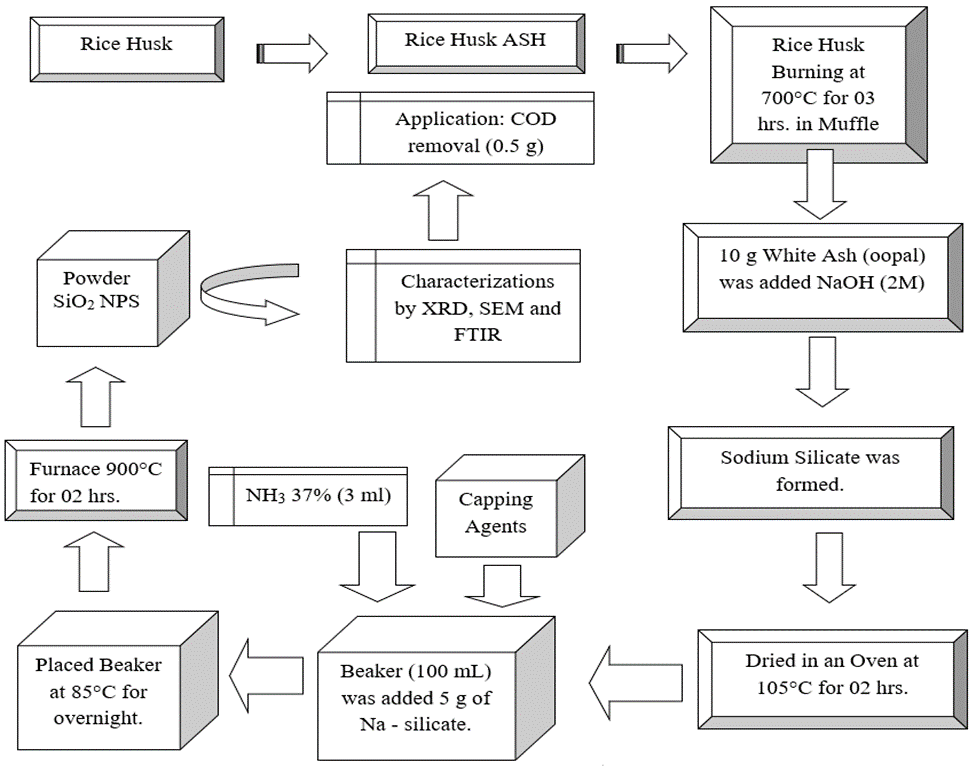
Figure 1. Research Protocol
Results and Discussion:
FTIR Spectrum
FTIR (Fourier transform infrared) spectroscopy studies within the 4000–600 cm−1 range were performed on a Perkin–Elmer FTIR spectrophotometer. The asymmetric and symmetric stretching and vibration of Si-O-Si were due to the strong bands recorded at 788.71, 1057.67, and cm −1. Another observed Si-H2O flexion peaks at 1460.23, 1510.25, and 1877.44 cm-1 were observed. Even at high temperatures, the sample was calcined. Peak around 2800 cm-1 still prevails. The apparent peak indicates the presence of Si-OH, and the identity of the water presence is the identity of the -OH group. Thus, the nature of silica nanoparticles is very hygroscopic, confirmed by FTIR analysis (Figure 2).
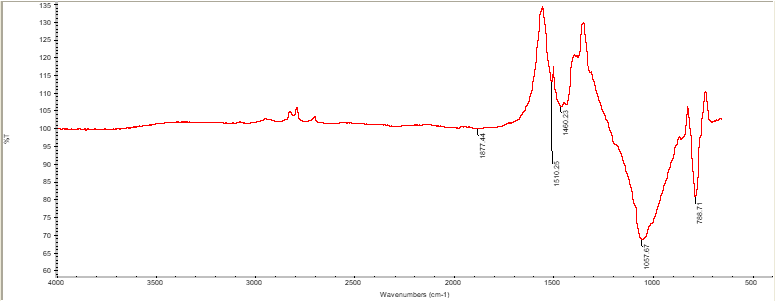
Figure 2. The spectrum SiO2 nanoparticle sample capped with phenyl hydrazine after calcination of the sample at a temperature of 700°C.
PXRD (X-ray powder diffraction) patterns were obtained using X-ray diffraction (model XRD, Bruker D8), with a current of 60 mA and Cu Kα irradiation at 60 kV (Figure 3).
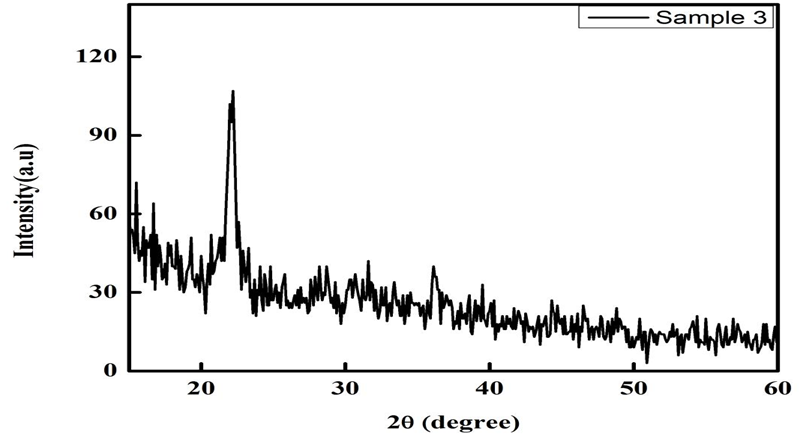
Figure 3. The XRD measurement of the synthesized SiO2 nanoparticle sample
Figure 4a. shows the (XRD) measurement of the synthesized SiO2 nanoparticle sample after calcination of the sample at a temperature of 700°C. XRD Analysis determined the phase’s presence in the nano powder. The typical broad peak in the XRD pattern shows that the obtained broad XRD reflection peak is due to the incomplete inner structure and small size. Figure 4b. indicates that the surface morphology of SiO2 is in cavitation. Other grey and black ash may be seen, which might have occurred due to burning. SEM (scanning electron microscopy) analysis was performed by (JSM-6490LV, JEOL, Japan), and the following images were captured.
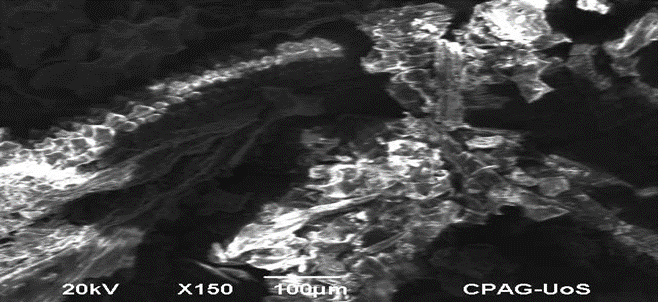
Figure 4a. Represent the XRD of the synthesized SiO2 nanoparticle sample capped with phenyl hydrazine after calcination of the sample at a temperature of 700 0C.
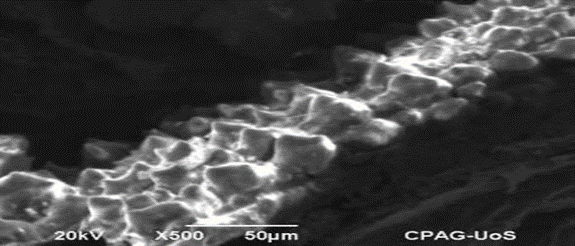
Figure 4b. Represent the XRD of the synthesized SiO2 nanoparticle sample capped with lysine after calcination of the sample at a temperature of 700 0C.
Effect of Time of Photo-Catalysis by Solar Irradiation
A sample of water (250 mL) in three replicates (n = 3) at intervals of 1, 2, 3, 4, 5, and 6 hours was transferred to a beaker (1000 mL) containing a magnetic stirrer for chemical oxygen demand (COD) determination, and the COD as mg O2/l.
A and B are volumes (mL) of ferrous ammonium sulfate (FAS) used for blank and sample, respectively. 800 is the milliequivalent weight of oxygen × 1000 mL/L, and M is the molarity of standard ferrous ammonium sulfate (Figure 5).
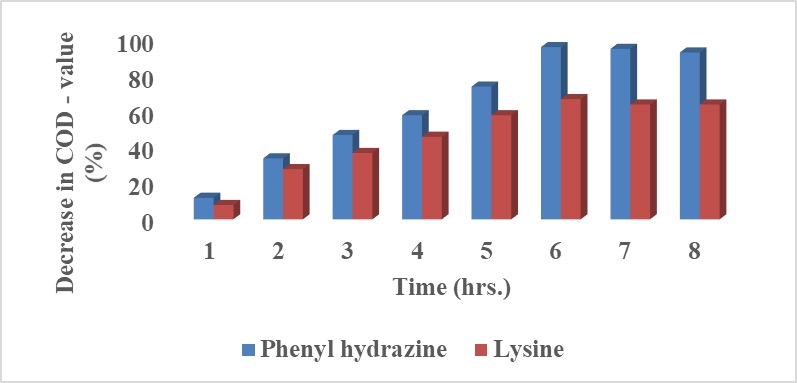
Figure 5. Effect of Solar Irradiation Time
Effect of pH
For optimizations of pH, the dilute hydrochloric (HCl) or sodium bicarbonate (NaHCO3) solution was used for maintaining the pH of the water sample (the optimum pH range for fish is 6.5 – 8.5). The change in pH water was checked before and after immersing in SiO2 by a pH Meter (Figure 6).
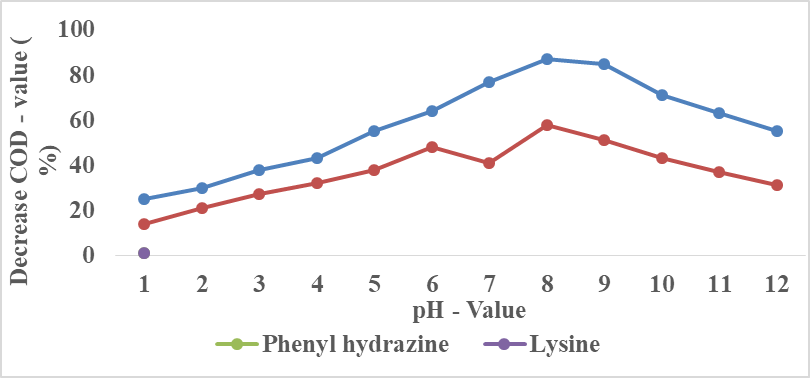
Figure 6. Effect of pH
Effect of Photo Catalyst Doses
To optimize photodegradation efficiency for the optimum doses, aliquots of samples (250 ml) were withdrawn, and different doses (amount) of photocatalyst were added (0.02 t0 0.1 g/250 ml). The efficiency of SiO2 NPs is calculated using the following equation:
COD0 indicates the initial chemical oxygen demand (COD) in mg/l, and (COD)t shows the chemical oxygen demand (COD) of river water in mg/L after 6 hours of irradiation time (Figure 7).
The graph indicated that with the increase in the amount of catalyst, the decrease in COD is recorded; therefore, at a certain point, the rate increased in the photocatalytic reaction (Ansari & Jakhrani, 2025). The reason is that increasing the catalyst dose enhances the reaction.
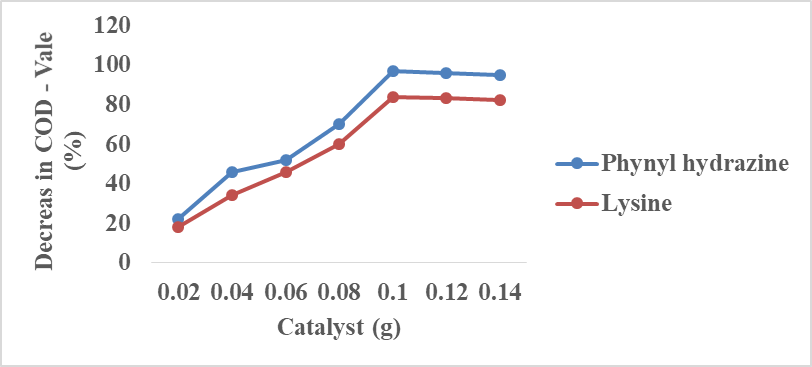
Figure 7. Effect of Catalyst Doses
Furthermore, after the saturation point, further increase in the doses (amount) does not increase the surface area of the nanocomposite photocatalyst. However, an increase after the saturation point will increase the thickness of the nanocomposites, and they settle down at the bottom of the round-bottom flask used for the photocatalytic reaction. Thus, the penetration of light through the solution may be reduced, and reduction in the emitted photon absorption, which minimizes the photodegradation rate by reducing the organic decomposition.
Reproducibility of Photo Catalyst
To check the feasibility reuse of SiO2 NPs’ practical applications, the recyclability of a photocatalyst is important. The efficiency of the photocatalyst was evaluated at atmospheric conditions for six (06) runs of practical applications with recycled catalysts. Water samples of the river Indus in three replicates (n = 3) were taken for the reproducibility of results. For the next turn, the SiO2 nanoparticle was separated by centrifuge at 200 rpm for 30 minutes, which were separated, and for the next use, then SiO2 NPs rinsed with distilled water and oven dried at 100 0C for ten (10) minutes (Figure 8).
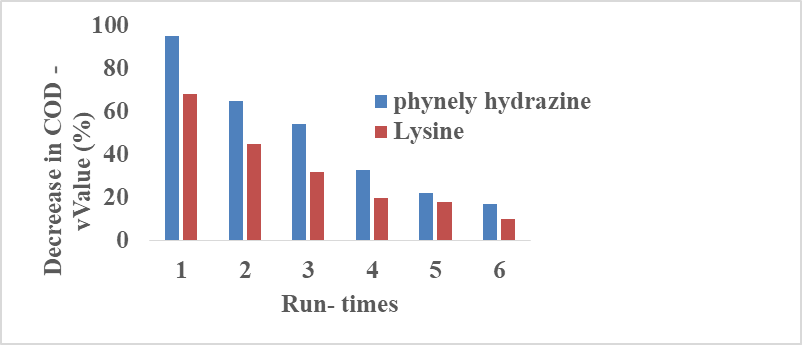
Figure 8. Reusability of Photocatalyst
Mechanism
In the current studies of the removal of organic pollutants, the photocatalyst minimizes the band gap energies, increases the absorption of photons, and enhances the active sites and surface area (Figure 9).
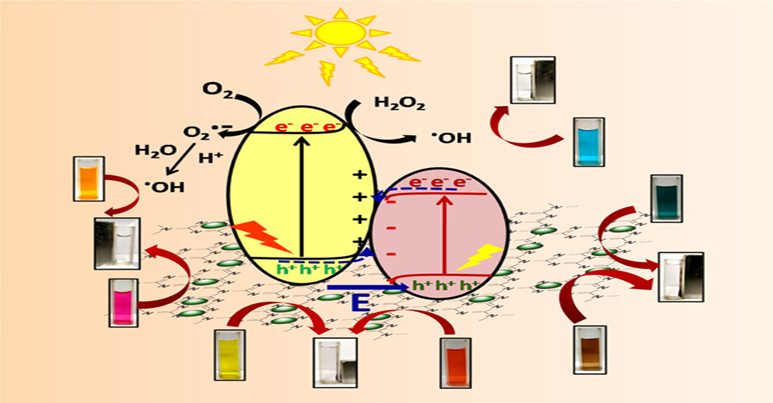
Figure 9. Schematic presentation of photocatalytic activity process (Reproduced from Debika Gogoi, Priyanka Makkar, and Narendra Nath Ghosh Solar Light-Irradiated Photocatalytic Degradation of Model Dyes and Industrial Dyes by a Magnetic CoFe2O4–gC3N4 S-Scheme Heterojunction Photocatalyst ACS.
Generally, the hydroxyl radicals act as ce of SiO2 or water molecules (H2O). Different substances, including organic acids, organic materials, dyes, estrogens, microbes, crude oil, chlorine-resistant organisms, and inorganic molecules such as nitrous oxides (NOx), are broken down using radiation from solar. Mostly, under illumination, it is absorbed, and this amount of absorbed energy converts to reactive species (Equations 1–8). This process produces hole and surface-bound radicals, potential oxidants that can decompose various organic contaminants.
Excitation by Photo: photocatalyst + hν → e− + h+ Eq: (1)
Oxygen (adsorbed): (O2)ads +e− → O2−• Eq:(2)
Water Ionization: H2O → OH− + H+ Eq:(3)
Formation of super oxides by Protonation O2−• + H+ → HOO• Eq: (4)
HOO• + e → HO2− Eq: (5)
Formation of hydrogen peroxide HOO− + H+ → H2O2 Eq: (6)
Dissociation of hydrogen peroxide H2O2 + e–→ OH− + OH• Eq: (7)
Dissociation of water H2O + h+ →H+ + OH• Eq: (8)
CONCLUSION :
SiO2 NPs exhibit excellent heterogeneous photocatalytic characteristics, enabling the ultra-fast oxidation of organic pollutants in aquaculture. Of course, further studies such as (BOD)5, pH monitoring of collected water (control), toxicity, and the impact of SiO2 NPs concentration on the ecosystem and release of the SiO2 into the environment will be carried out. This would lead to lower, cost-effective expenses as well as environmental protection.
BIBLIOGRAPHY:
1. Ansari, S., & Jakhrani, M. A. (2025). Photocatalytic degradation of imidacloprid pesticide using UV light, H₂O₂, HNO₃, and TiO₂ in agricultural samples from Sukkur and Shikarpur, Pakistan. Kashf Journal of Multidisciplinary Research, 2(8), 94–114.
https://doi.org/10.71146/kjmr585
1. Areti, H. A., Hamda, A. S., Abo, L. D., Jabesa, A., & Muleta, M. D. (2025). Biowastes as sustainable catalysts for water treatment: A comprehensive overview. Environmental Advances, 19, 100610. https://doi.org/10.1016/j.envadv.2025.100610
2. Bodie, A. R., Micciche, A. C., Atungulu, G. G., Rothrock, M. J., Jr., & Ricke, S. C. (2019). Current trends of rice milling byproducts for agricultural applications and alternative food production systems. Frontiers in Sustainable Food Systems, 3, 47. https://doi.org/10.3389/fsufs.2019.00047
3. Fukagawa, N. K., & Ziska, L. H. (2019). Rice: Importance for global nutrition. Journal of Nutritional Science and Vitaminology (Tokyo), 65(Suppl.), S2–S3. https://doi.org/10.3177/jnsv.65.S2
4. Handayani, L., Aprilia, S., Abdullah, Rahmawati, C., Aulia, T. B., Ludvig, P., & Ahmad, J. (2022). Sodium silicate from rice husk ash and their effects as geopolymer cement. Polymers, 14(14), 2920. https://doi.org/10.3390/polym14142920
5. Ibrahim, I. A., Esar, Shashivendra, Mustapha, Umar, Ubayi, S. S., & Muhammad. (2024). A review on the impact of rice husk ash and marble waste powder on concrete properties. International Journal of Mechanical and Civil Engineering, 7(1), 145–159. https://doi.org/10.52589/ijmce-dk2ihejf
6. Jaworski, T., Wajda, A., & Jaworska-Bytomska, K. (2024). Enhancing the performance of a hazardous waste incineration facility through the usage of a dedicated application. Sustainability, 16(3), 1297. https://doi.org/10.3390/su16031297
7. Keerthika, V. R., Reshma, S., Moses, J., Sadhna, S., & Eunice, J. (2025). Advanced oxidation process: Treating organic pollutant. International Research Journal of Advanced Engineering Hub, 3(3), 330–338. https://doi.org/10.47392/irjaeh.2025.0045
8. Mane, P. V., Rego, R. M., Yap, P. L., Losic, D., & Kurkuri, M. D. (2024). Unveiling cutting-edge advances in high surface area porous materials for the efficient removal of toxic metal ions from water. Progress in Materials Science, 146, 101314. https://doi.org/10.1016/j.pmatsci.2024.101314
9. Memon, T. A. (2022). Assessment of rice residues as potential energy source in Pakistan. Sukkur IBA Journal of Emerging Technologies, 5(1), 41–53. https://doi.org/10.30537/sjet.v5i1.982
10. Muthayya, S., Sugimoto, J. D., Montgomery, S., & Maberly, G. F. (2014). An overview of global rice production, supply, trade, and consumption. Annals of the New York Academy of Sciences, 1324, 7–14. https://doi.org/10.1111/nyas.12540
11. Onyia, T. M., & Idenyi, D. N. E. (2024). Effects of rice husk ash addition on the refractory properties of Owo clay. Indian Journal of Agriculture Engineering, 4(2), 1–6. https://doi.org/10.54105/ijae.e4136.04021124
12. Qu, X., Wang, Y., Chen, F., Li, C., He, Y., Dou, J., … Zhong, Y. (2025). Evaluation of fly ash composition from municipal solid waste incinerators: The role of the incinerator type and flue gas deacidification process. Toxics, 13(7), 588. https://doi.org/10.3390/toxics13070588
13. Raheem, A. A., & Kareem, M. A. (2017). Chemical composition and physical characteristics of rice husk ash blended cement. International Journal of Engineering Research in Africa, 32, 25–35. https://doi.org/10.4028/www.scientific.net/jera.32.25
14. Rajanna, S. K., Kumar, D., Vinjamur, M., & Mukhopadhyay, M. (2015). Silica aerogel microparticles from rice husk ash for drug delivery. Industrial & Engineering Chemistry Research, 54(3), 949–956. https://doi.org/10.1021/ie503867p
15. Ramadhani, R., Arliansyah, J., Kadarsa, E., Rahman, H., Jimmyanto, H., Yusuf, A. A., & Ammarullah, M. I. (2025). Bio-based rice husk ash as an eco-friendly filler in pre-vulcanized latex asphalt concrete wearing course mixtures. Journal of Natural Fibers, 22(1), 1–12. https://doi.org/10.1080/15440478.2025.2517668
16. Vijaya, Idrishi, R., Singh, S., & Islam, M. (2025). Processing of rice husk and its applications. In Sustainable materials and technology (pp. 1–26). Singapore: Springer Nature Singapore.