Comparative Efficacy of Captopril and Losartan in the Management of Hypertension Secondary to Chronic Kidney Disease in the Pediatric Population.
- Asad Kamal , Postgraduate Resident, Children A Ward, Khyber Teaching Hospital, Peshawar, Pakistan.
- Kaleem ur Rahman , Associate Professor, Children A Ward, Khyber Teaching Hospital, Peshawar, Pakistan.
- Abdullah , Postgraduate Resident, Children A Ward, Khyber Teaching Hospital, Peshawar, Pakistan.
- Sumaira Naz , Postgraduate Resident, Children A Ward, Khyber Teaching Hospital, Peshawar, Pakistan.
- Irfan Ahmad , Postgraduate Resident, Children A Ward, Khyber Teaching Hospital, Peshawar, Pakistan.
- Khan Salam , Postgraduate Resident, Children A Ward, Khyber Teaching Hospital, Peshawar, Pakistan.
Article Information:
Abstract:
Background: Chronic kidney disease (CKD) in children is a progressive condition associated with multiple complications, among which hypertension is one of the most frequent and clinically significant. Chronic hypertension increases cardiovascular morbidity and death and speeds up renal deterioration (1,2). Therefore, increasing renal outcomes and overall survival requires effective blood pressure control. Angiotensin receptor blockers (ARBs) and angiotensin converting enzyme inhibitors (ACE inhibitors) are common pharmacological treatments; however, there is still little comparative data in pediatric populations. Objective: To compare the efficacy of captopril and losartan in the management of hypertension among pediatric patients with chronic kidney disease. Methodology: This randomized controlled experiment was performed in the Department of Pediatrics at Khyber Teaching Hospital in Peshawar for a duration of six months. A total of 380 children aged 3 to 13 years with chronic kidney disease and hypertension were included. Patients were randomized into two cohorts: Group A got losartan (0.7 mg/kg once daily), while Group B received captopril (0.5 mg/kg twice daily). Baseline blood pressure was documented, and further readings were conducted after 6 weeks. Efficacy was characterized by a decrease in blood pressure of ≥10 mmHg. Data were examined using SPSS version 25, with p < 0.05 being statistically significant. Results: The mean age of participants was 8.1 ± 2.9 years, with a slight male predominance (57.4%). After 6 weeks of treatment, efficacy was achieved in 68.4% of patients in the losartan group compared to 54.2% in the captopril group. The difference was statistically significant (p = 0.004). Losartan also demonstrated a greater mean reduction in blood pressure. Conclusion: Losartan demonstrates superior efficacy compared to captopril in managing hypertension in juvenile patients with chronic kidney disease and may be regarded as a preferable treatment choice.
Keywords:
Article :
INTRODUCTION :
Gradual decrease of renal function over time characterizes chronic kidney disease (CKD), a disorder that is both progressive and irreversible. Kidney disease (CKD) in children is an increasing global health issue because of the negative effects it may have on development, growth, and quality of life in the long run, even though CKD in adults gets more attention (1). It is crucial to identify and treat pediatric CKD early on because of the many issues it may cause, such as growth retardation, metabolic abnormalities, and a greater risk of cardiovascular disease.
Among the various complications of CKD, hypertension is one of the most prevalent and clinically significant. The prevalence of hypertension in children with CKD is substantially higher than in the general pediatric population and tends to increase with worsening renal function (2). Hypertension in these patients is not only a consequence of kidney disease but also a major contributor to its progression.
The pathophysiology of hypertension in CKD is complex and multifactorial. Key mechanisms include sodium and water retention, activation of the renin-angiotensin-aldosterone system (RAAS), increased sympathetic nervous system activity, and endothelial dysfunction (3,4). These factors lead to increased systemic vascular resistance and sustained elevation of blood pressure.
By raising intraglomerular pressure and encouraging proteinuria, persistent hypertension accelerates renal damage. Cardiovascular problems are a major cause of death and disability in chronic kidney disease (CKD) patients, and this risk rises dramatically with age (5). Consequently, one of the most important aspects of managing adolescent chronic kidney disease is maintaining a healthy blood pressure.
Pharmacological therapy is the mainstay of hypertension management in CKD. Among the available agents, angiotensin-converting enzyme inhibitors (ACE inhibitors) and angiotensin receptor blockers (ARBs) are most commonly used due to their ability to inhibit the RAAS pathway and provide both antihypertensive and renoprotective effects (6,7). These agents not only reduce blood pressure but also decrease proteinuria and slow disease progression.
By preventing the conversion of angiotensin I to angiotensin II, the action of the angiotensin-converting enzyme inhibitor captopril is to decrease vasoconstriction and aldosterone production. In contrast, the angiotensin receptor blocker losartan causes vasodilation and better renal hemodynamics by specifically inhibiting angiotensin II type 1 receptors, therefore blocking its downstream effects (7).
Kidney Disease: Improving Global Outcomes (KDIGO) and the European Society of Hypertension are among the international organizations whose clinical recommendations suggest RAAS blocking for patients with chronic kidney disease (CKD) with hypertension as a first-line treatment (8,9). The data that these medications enhance blood pressure management and renal outcomes is the basis for these recommendations.
There have been a number of studies that have looked at how well ARBs and ACE inhibitors handle hypertension. The available evidence indicates that ARBs have the potential to reduce blood pressure just as well, if not more so, and have better tolerability profiles (10). Furthermore, research in children has shown that losartan may effectively lower blood pressure and proteinuria, making it a promising treatment choice (11).
Another important consideration is drug tolerability and patient compliance. ACE inhibitors are associated with side effects such as dry cough and, rarely, angioedema, which may limit their use. ARBs are generally better tolerated, which may enhance adherence to treatment, particularly in children (12).
Research has shown that controlling blood pressure well may delay the course of chronic kidney disease (CKD) and lessen the likelihood of cardiovascular problems. Improving long-term outcomes in pediatric patients may be achieved with early intervention and adequate antihypertensive treatment, according to studies (13,14). It is crucial to choose the most effective and well-tolerated medication for appropriate patient management, as shown in comparative assessments of RAAS-targeting medicines (15).
There is a dearth of locally produced data comparing the effectiveness of ARBs and ACE inhibitors in juvenile CKD patients, even though there is data available from throughout the world. Treatment results may be impacted by differences in healthcare-related, environmental, and hereditary variables. Based on the results, this research compared captopril with losartan for the treatment of hypertension in children with chronic renal disease. The goal was to provide clinical practice with evidence-based recommendations.
METHODS AND MATERIALS:
This study was carried out as a randomized controlled trial to evaluate and compare the effectiveness of captopril and losartan in controlling hypertension among children diagnosed with chronic kidney disease (CKD). The research was conducted in the Department of Pediatrics at Khyber Teaching Hospital, Peshawar from January 2025 to June 2025 which is a tertiary care center catering to a diverse pediatric population. The study spanned a period of six months following approval from the institutional ethical review committee.
Children between the ages of 3 and 13 years who had a confirmed diagnosis of CKD for more than six months and were newly identified as hypertensive were considered eligible for inclusion. Both male and female patients were enrolled. Patients with congenital heart diseases, endocrine disorders such as thyroid abnormalities, or known hypersensitivity to either of the study medications were excluded to avoid confounding effects.
The sample size was calculated using Open-Epi software, taking into account previously reported efficacy rates of losartan (69%) and captopril (55%), with a confidence level of 95% and a study power of 80%. Based on these parameters, a total of 380 patients were required, with 190 participants allocated to each treatment arm.
Participants were enrolled using a consecutive sampling technique and were randomly assigned into two equal groups through a blocked randomization method. Group A received losartan, while Group B was treated with captopril. Losartan was administered orally at a dose of 0.7 mg/kg once daily, whereas captopril was given at a dose of 0.5 mg/kg twice daily. Both treatments were continued for a duration of six weeks.
Baseline clinical data, including age and gender, were recorded at the time of enrollment. Blood pressure measurements were obtained using a standard sphygmomanometer with an appropriately sized cuff, ensuring the child was in a calm, seated position. To improve accuracy, multiple readings were taken and averaged. The same measurement protocol was followed at the end of the six-week treatment period.
Chronic kidney disease was defined based on established clinical criteria, including reduced estimated glomerular filtration rate (eGFR) and/or evidence of kidney damage such as elevated urine albumin-to-creatinine ratio, supported by ultrasonographic findings. Hypertension was defined as blood pressure readings above the 95th percentile for age, gender, and height on at least three separate occasions.
The primary outcome of the study was treatment efficacy, which was defined as a reduction of at least 10 mmHg in blood pressure after six weeks of therapy.
All collected data were entered and analyzed using IBM SPSS version 25. Quantitative variables were summarized as mean and standard deviation, while categorical variables were presented as frequencies and percentages. The chi-square test was applied to compare treatment efficacy between the two groups. In addition, stratification was performed based on age and gender to assess potential effect modifiers. A p-value of 0.05 or less was considered statistically significant.
RESULTS:
A total of 380 children were included in the study, with 190 patients in each treatment group. The overall mean age of participants was 8.1 ± 2.9 years. The majority of patients belonged to the middle childhood age group, indicating that hypertension secondary to CKD was more frequently observed in this age range.
The age distribution of participants is illustrated in Figure 1, which shows clustering of patients between 6 and 10 years of age. Gender distribution is presented in Figure 2, demonstrating a slight predominance of male patients (57.4%) compared to females (42.6%).
Figure 1: Distribution of study participants according to age,
showing clustering in the middle childhood age group.
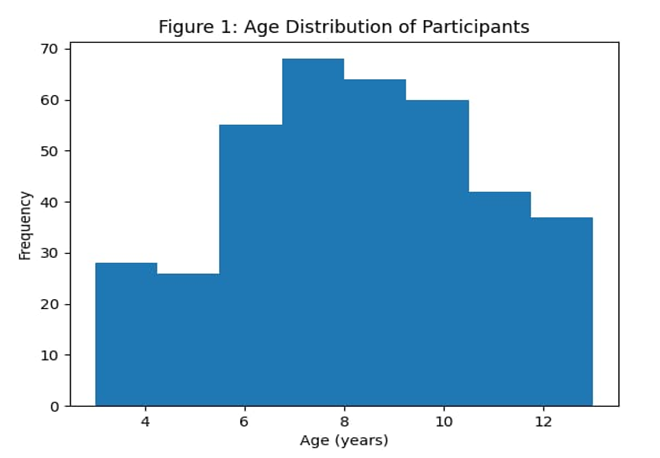
Table 1: Baseline Characteristics of Study Participants (n = 380)
|
Variable |
Losartan (n=190) |
Captopril (n=190) |
Total |
|
Mean Age (years) |
8.0 ± 2.8 |
8.2 ± 3.0 |
8.1 ± 2.9 |
|
Male |
108 (56.8%) |
110 (57.9%) |
218 (57.4%) |
|
Female |
82 (43.2%) |
80 (42.1%) |
162 (42.6%) |
Both treatment groups were comparable at baseline with respect to age and gender distribution, indicating appropriate randomization and minimizing selection bias.
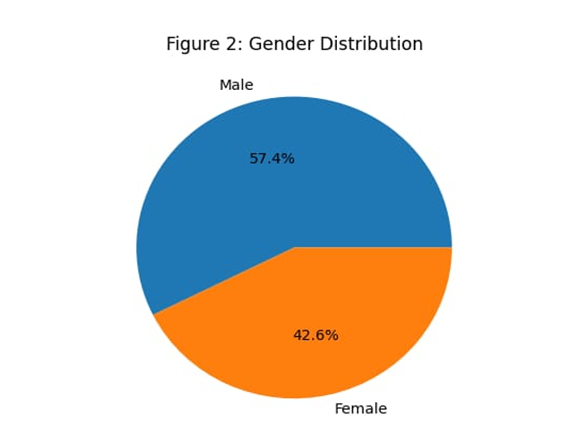
Figure 2: Gender distribution of participants demonstrating slight male predominance.
Blood Pressure Response
Following 6 weeks of treatment, both groups demonstrated a reduction in blood pressure. However, the reduction was more pronounced in patients receiving losartan as compared to those receiving captopril.
This trend is illustrated in Figure 3, which shows the comparison of mean blood pressure before and after treatment in both groups. The figure clearly demonstrates a greater decline in blood pressure among patients treated with losartan.
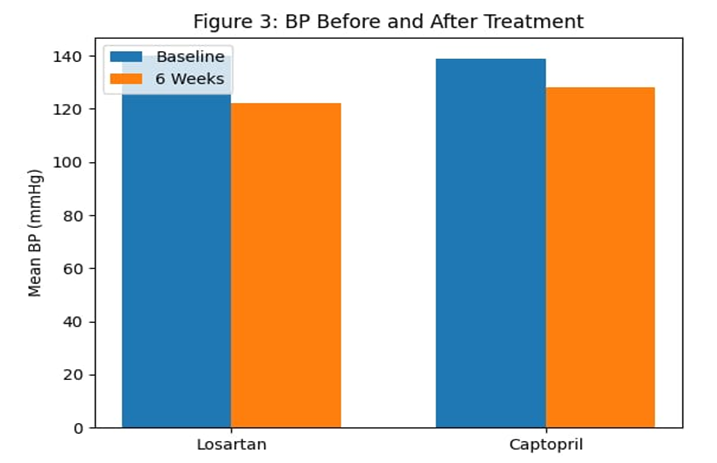
Figure 3: Comparison of mean blood pressure before and after 6 weeks of treatment
in losartan and captopril groups.
Table 2: Comparison of Efficacy between Groups
|
Group |
Efficacy Achieved (n) |
Percentage (%) |
|
Losartan |
130 |
68.4% |
|
Captopril |
103 |
54.2% |
A higher proportion of patients in the losartan group achieved the predefined efficacy outcome, defined as a reduction in blood pressure of ≥10 mmHg.
Table 3: Blood Pressure Before and After Treatment
|
Group |
Baseline BP (mmHg) |
After 6 Weeks (mmHg) |
Mean Reduction |
|
Losartan |
140 ± 8 |
122 ± 7 |
18 mmHg |
|
Captopril |
139 ± 9 |
128 ± 8 |
11 mmHg |
The comparative efficacy between the two groups is further illustrated in Figure 4, which shows a higher percentage of responders in the losartan group compared to the captopril group.
The difference between the two groups was statistically significant (p = 0.004), indicating superior efficacy of losartan in controlling hypertension in pediatric CKD patients.
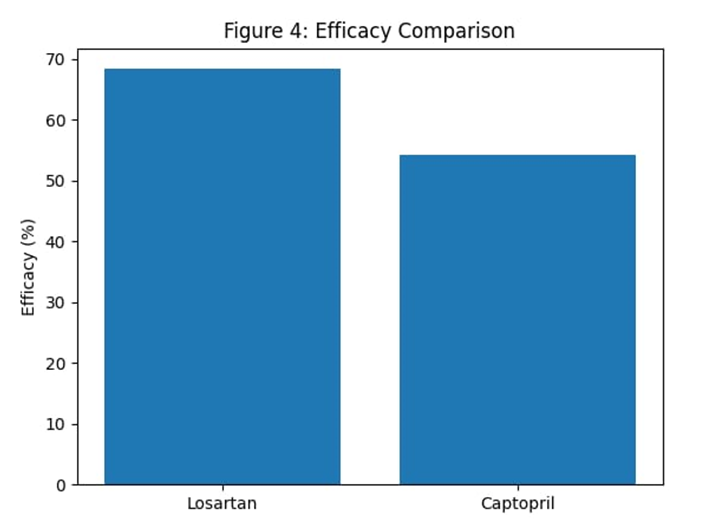
Figure 4: Comparison of efficacy between losartan and captopril groups,
showing higher response rate with losartan.
DISCUSSION :
The findings of this study suggest that losartan provides better blood pressure control than captopril in children with chronic kidney disease. A greater number of patients in the losartan group achieved the desired reduction in blood pressure, indicating a stronger therapeutic effect in this population.
These results align with previously published work highlighting the role of angiotensin receptor blockers (ARBs) in managing hypertension, particularly in patients with underlying renal impairment (10,11). Earlier studies have shown that losartan not only lowers blood pressure effectively but also contributes to improved renal outcomes. For example, Egbert et al. reported better antihypertensive efficacy of losartan compared to captopril in patients with compromised renal function (10). Similarly, Webb and colleagues demonstrated that losartan is beneficial in pediatric patients, with additional advantages in reducing proteinuria (11).
One possible explanation for the observed difference lies in the mechanism of action of these drugs. Losartan, as an ARB, blocks angiotensin II receptors directly, thereby preventing its vasoconstrictive and sodium-retaining effects. In contrast, captopril, an ACE inhibitor, reduces the formation of angiotensin II but does not completely eliminate its production due to alternative biochemical pathways (7). This partial suppression may account for the comparatively lower effectiveness of captopril seen in this study.
Another factor that may influence treatment outcomes is tolerability. ACE inhibitors are known to cause side effects such as persistent cough and, less commonly, angioedema. These adverse effects can affect adherence, especially in children. ARBs, on the other hand, are generally better tolerated, which may improve compliance and ultimately enhance treatment effectiveness (12).
Controlling blood pressure is a critical aspect of managing chronic kidney disease, as sustained hypertension is closely linked with faster disease progression and increased cardiovascular risk (13). Effective antihypertensive therapy can therefore play a significant role in preserving renal function and improving long-term health outcomes.
In pediatric patients, timely intervention and appropriate selection of antihypertensive agents are particularly important. Previous studies emphasize that early and effective management of hypertension can have lasting benefits in slowing disease progression and reducing complications (14). Comparative analyses have also indicated that while both ACE inhibitors and ARBs are useful, ARBs may offer advantages in terms of both efficacy and tolerability (15).
The results of this study add to the existing body of evidence by providing local data supporting the use of losartan in children with CKD-related hypertension. However, certain limitations should be acknowledged. The study was conducted at a single center and the follow-up period was limited to six weeks, which may not fully capture long-term outcomes. Future studies involving larger populations and longer follow-up durations would be helpful in confirming these findings.
In summary, this study reinforces the role of losartan as an effective and well-tolerated option for managing hypertension in pediatric CKD patients, and highlights its potential advantages over captopril in routine clinical practice.
CONCLUSION :
The findings of this randomized controlled trial demonstrate that losartan is more effective than captopril in controlling hypertension among pediatric patients with chronic kidney disease. A significantly higher proportion of patients treated with losartan achieved the predefined reduction in blood pressure compared to those receiving captopril. In addition, losartan produced a greater mean reduction in blood pressure, indicating superior therapeutic efficacy.
Given its mechanism of action, better tolerability profile, and improved patient compliance, losartan appears to be a more suitable option for the management of hypertension in children with CKD. Effective blood pressure control is essential in slowing the progression of renal disease and reducing long-term cardiovascular complications.
Although both ACE inhibitors and ARBs remain important components of antihypertensive therapy, the results of this study support the preferential use of losartan in pediatric CKD patients. However, further multicenter studies with larger sample sizes and longer follow-up periods are recommended to confirm these findings and evaluate long-term renal and cardiovascular outcomes.
REFERENCES:
1. Thomas J, Stonebrook E, Kallash M. Pediatric hypertension: Review of the definition, diagnosis, and initial management. Int J Pediatr Adolesc Med. 2022;9(1):1–6. doi:10.1016/j.ijpam.2021.12.001
2. Flynn JT, Kaelber DC, Baker-Smith CM, Blowey D, Carroll AE, Daniels SR, et al. Clinical practice guideline for screening and management of high blood pressure in children and adolescents. Pediatrics. 2017;140(3):e20171904. doi:10.1542/peds.2017-1904
3. Wühl E, Schaefer F. Therapeutic strategies to slow chronic kidney disease progression. Pediatr Nephrol. 2008;23(5):705–716. doi:10.1007/s00467-007-0747-7
4. Mitsnefes MM. Hypertension in children and adolescents. Pediatr Clin North Am. 2006;53(3):493–512. doi:10.1016/j.pcl.2006.02.011
5. Guzman-Limon M, Samuels J. Pediatric hypertension: Diagnosis, evaluation, and treatment. Pediatr Clin North Am. 2019;66(1):45–57. doi:10.1016/j.pcl.2018.08.010
6. Dionne JM. Evidence-based management of hypertension in children with chronic kidney disease. Pediatr Nephrol. 2015;30(11):1919–1927. doi:10.1007/s00467-015-3088-5
7. Ku E, Lee BJ, Wei J, Weir MR. Hypertension in chronic kidney disease: Core curriculum. Am J Kidney Dis. 2019;74(1):120–131. doi:10.1053/j.ajkd.2018.11.019
8. Kidney Disease: Improving Global Outcomes (KDIGO) Blood Pressure Work Group. KDIGO clinical practice guideline for the management of blood pressure in chronic kidney disease. Kidney Int Suppl. 2012;2(5):337–414. doi:10.1038/kisup.2012.43
9. Lurbe E, Agabiti-Rosei E, Cruickshank JK, Dominiczak A, Erdine S, Hirth A, et al. European Society of Hypertension guidelines for the management of high blood pressure in children and adolescents. J Hypertens. 2016;34(10):1887–1920. doi:10.1097/HJH.0000000000001039
10. Egbert S, Jasper B, Pedersen R, Mauricio R. Tolerability and antihypertensive efficacy of losartan vs captopril in patients with mild to moderate hypertension and impaired renal function. Clin Drug Investig. 2000;19(3):183–194.
11. Webb NJA, Shahinfar S, Wells TG, Massaad R, Gleim G, Santoro EP, et al. Losartan and enalapril are comparable in reducing proteinuria in children. Clin J Am Soc Nephrol. 2010;5(3):417–424. doi:10.2215/CJN.06620909
12. Flynn JT. Pharmacologic management of hypertension in children and adolescents. Curr Hypertens Rep. 2017;19(6):45. doi:10.1007/s11906-017-0740-0
13. Brady TM. The role of blood pressure control in pediatric chronic kidney disease. Hypertension. 2017;69(3):353–361. doi:10.1161/HYPERTENSIONAHA.116.07920
14. Seeman T. Hypertension after renal transplantation in children. Pediatr Nephrol. 2009;24(5):959–972. doi:10.1007/s00467-008-1071-8
15. van der Heijden AJ, Grobbee DE, et al. Effects of ACE inhibitors and angiotensin receptor blockers in children with CKD. Nephrol Dial Transplant. 2011;26(6):1810–1816. doi:10.1093/ndt/gfq641.