Translational potential of few medicinal plants in management of Psoriasis.
- Kendre Shweta , Bharati Vidyapeeth's College of Pharmacy, Navi Mumbai, Maharashtra-400 614
- Phadatare Suvarna P , Bharati Vidyapeeth's College of Pharmacy, Navi Mumbai, Maharashtra-400 614
- Ubale Sujit , Bharati Vidyapeeth's College of Pharmacy, Navi Mumbai, Maharashtra-400 614
- Gauri Y Patil , Bharati Vidyapeeth Institute of pharmacy, Navi Mumbai, Maharashtra
- Kurumkar Pritish , Shri. D. D. Vispute College of Pharmacy & Research Center, Raigad, Maharashtra - 410 206
- Tiwari Nikita , NCRD’S Sterling Institute of Pharmacy, Navi Mumbai, Maharashtra 400706.
- Mahajan Bhavesh , NCRD’S Sterling Institute of Pharmacy, Navi Mumbai, Maharashtra 400706.
- Darpan R Falak , NCRD’S Sterling Institute of Pharmacy, Navi Mumbai, Maharashtra 400706.
Article Information:
Abstract:
Psoriasis is a autoimmune disorder characterized by abnormal keratinocyte hyperproliferation. Herbal formulations have been used for decades due to its enhanced activity and lesser side effects for psoriasis treatment. India has a very long, safe and continuous usage of many herbal drugs in the alternative system of health like Ayurveda, yoga, unani, siddha, homeopathy and naturopathy. Millions of Indians use herbal drugs regularly, as spices, home-remedies, health foods etc. Even allopathic system of medicine has adopted a number of plant derived drugs. Plants possess many of the chemical substances with potential therapeutical and pharmacological effects for treatment of many diseases. Various phyto-compounds isolated from plant parts were employed in the treatment of many diseases including various skin diseases. So there is a need to investigate antipsoriatic herbal drugs for the better patient acceptance. Our study is mainly focused to establish up to date literature on recent Medicinal uses with phytochemical review of 12 different medicinal plants, Indigo naturalis ,Mahonia aquifolium, Pongamia pinnata, Cestrum diurnum, Cassia tora ,Wrightia tinctoria, Ammi majus, Nigella sativa, and Aloe. These herbs have been selected on the basis of the traditional system and recent scientific research encompassing preclinical and clinical trials.
Keywords:
Article :
INTRODUCTION :
Psoriasis was first recognised and diagnosed as a chronic inflammatory disease in the nineteenth century; previously, this disease was frequently misdiagnosed as other diseases such as leprosy.[1]Between 1% and 3% of people worldwide suffer from psoriasis, an autoimmune skin condition with hyperproliferative symptoms. Around 1.5% to 3% of the world's population suffers from the prevalent skin disorder psoriasis, which can be painful and itchy.[2]The elbows, knees, scalp, hands, and feet are the most common sites for these coin-sized, sharply bordered skin lesions. Itching, irritability, stinging, and pain are symptoms. Rarely, the entire body's skin surface may be affected.[3]
Pathophysiology of Psoriasis:
T helper cells that produce interleukin (IL) 17, IL-22, and tumour necrosis factor (TNF) have been implicated in the pathogenesis of psoriasis. These inflammatory mediators cause keratinocyte and endothelial cell proliferation. Aside from that, cytokines have been linked to pathogenesis.[4]
Etiology of Psoriasis:
Immune System: T- cell , Interleukin[5]
Environmental Factors: Ultraviolet rays, Mechanical injury, Different infections chemical injury, Prescribed drug, smoking ,Psychological stress.[5]
Genetic Factors: Psoriasis is the genetic component that is supported by family aggregation. The prevalence of emergent psoriasis is higher in the first and second generations of sick people. So far, at least 60 chromosomal loci have been linked to psoriatic susceptibility in families affected by psoriasis. PSORS1 is found on chromosome 6p21, which is also home to the major histocompatibility complex. PSORS1 is a risk factor with over 50 single-nucleotide polymorphisms (SNPs) linked to psoriasis.[5]
Endocrine system: certain hormones including androgens, prolactin, and thyroid hormones. Puberty and menopause are the two primary triggers for illness.[6]
Types of Psoriasis
- Plaque psoriasis
- Guttate psoriasis
- Pustular psoriasis
- Inverse psoriasis
- Erythrodermic psoriasis
- Psoriatic arthritis
- Palmoplantar pustulosis
- Nail psoriasis
- Scalp psoriasis
- HIV associated psoriasis
The allopathic medical system focuses on disease symptoms rather than the underlying cause of the disease. Allopathy therapy has several side effects; each prescribed drug may have a different side effect.[5]Topical medications, phototherapies, and systemic therapy such as corticosteroids, methotrexate, cyclosporine, and retinoid are the main ways to treat psoriasis. The biggest issue, however, is that utilising these medications may result in more side effects.[7]
Because medicinal plants are nontoxic and inexpensive, they are important in pharmacological research and drug development. Because of their medicinal value, plant constituents are used directly as therapeutic agents and as starting materials for drug synthesis.[8] Herbal medicines typically outperform allopathic drugs in the treatment of skin diseases due to higher activity and fewer side effects.[7] Herbal resources are very important in the management of skin and inflammatory diseases, and herbal medicine is promoted as one of the alternative therapeutical methods for treating skin diseases like psoriasis.[1]
Indigo naturalis
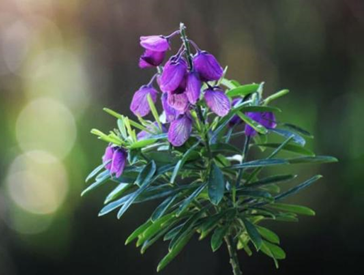
Indigo naturalis (or qing dai in Chinese) is a dark-blue powder made from the leaves of plants such as Baphicacavthus cusia,.
Indirubin, one of the three main components of the extract along with indigo and tryptanthrin, inhibits the growth of epidermal keratinocytes by preventing EGFR activation, whereas tryptanthrin, the component with the lowest concentration, has been shown to have anti-microbial, anti-inflammatory, anti-tumor, and anti-angiogenic properties. For indigo, no definite bioactivity has been reported.[10]
Botanical name: Indigo naturalis
Family name: Fabaceae
Common name: Qing-Dai (Traditional Chinese medicine)
Active constituent: Indirubin[11]
Chemical compositions:
|
Indole alkaloids |
indigo, indirubin, isatin, isoindigo, hydroxyindirubin, , tryptanthrine, Indigo, indirubin and isoindigo are two indole alkaloids; moreover, they are isomers. |
|
Nucleosides |
uracil, cytidine, hypoxanthine, adenosine, adenine, inosine and thymidine, etc. |
|
Sterol compounds |
stigmasterol, taraxasterol, α-sitosterol and β-sitosterol, etc. |
|
Amino acids |
aspartate, threonine, serine, glutamic acid, proline, glycine, alanine, cystine, valine, methionine, leucine, isoleucine, tyrosine, phenylalanine, tryptophan, lysine, histidine, arginine, etc. |
Clinical experiments of treating psoriasis with indigo naturalis: [12]
|
Drugs formulation |
Clinical Experiments |
Psoriasis type and treatment period |
Results |
|
Indigo naturalis oil extract |
A non-controlled pilot study n = 28 |
Nail psoriasis, 24 weeks |
The Nail Psoriasis Severity Index (NAPSI) decreased from 36.1 ± 14.7 to 14.9 ± 11.1, and the average Nasi score decreased from 11.7 ± 3.9 to 3.6 ± 3.2 |
|
Indigo naturalis ointment |
A randomized, double-blind, placebo-controlled study,n = 24 (drug:16, |
Moderate psoriasis, 8 weeks |
In 56.3% of patients, the psoriasis area and severity index scores were improved by 75%, and IL-17 in skin genes of these patients was significantly down regulated compared with placebo |
|
Indigo naturalis ointment or vehicle ointment |
A randomized, observer-blind, vehicle-controlled study,n = 42 |
Recalcitrant psoriasis, 12 weeks |
Compared with placebo, the scores of erythema, scale and lump and plaque area of indigo naturalis in treatment site were significantly reduced. The symptoms of psoriasis disappeared or nearly disappeared in 74% of patients with indigo naturalis |
|
Indigo naturalis composite ointment |
–8-year-old boy |
Pediatric psoriasis, 8 weeks |
After treating with indigo naturalis composite ointment, the lesions of systemic psoriasis disappeared completely, and the affected body surface decreased from nearly 80% to 0%.. Remission has lasted for over 2 years without any adverse reaction |
|
Indigo naturalis oil extract drops |
–A 13-year-old girl |
Pediatric nail psoriasis with periodic pustular eruption, 6 months |
After treatment over one month, the nail pustules and the crusted, keratotic, erythematous lesions disappeared. A completely normal nail unit without Beau’s lines was achieved after 6 months without any adverse reaction Remission has lasted for over 1 year |
Mahonia aquifolium
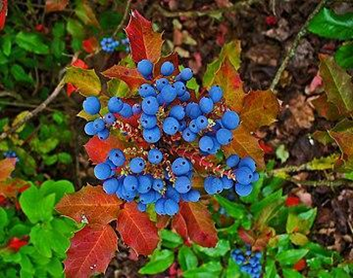
M. aquifolium, a 1-2 m tall bush with evergreen, leathery, oval, pinnate leaves that have a very lustrous upper surface and a prickly, serrated border.
In American medicine, M. aquifolium has been used to treat a variety of conditions, including chronic relapsing dermatoses, fever, diarrhoea, dyspepsia, gout, rheumatic illnesses, renal and biliary disorders, and notably gout. According to German Homoeopathic Pharmacopoeia rule 4a, the active component in M. aquifolium mother tincture is prepared from the dried stem and branch bark as well as from the dried branch tips.[13]
Botanical name: Mahonia aquifolium
Family name: Berberidaceae
Vernacular name: Barberry (pipperidge bush) [14]
Common name: Oregon grape
Geographical area:Woodlands, North American Pacific coast.
Chemical constituents:
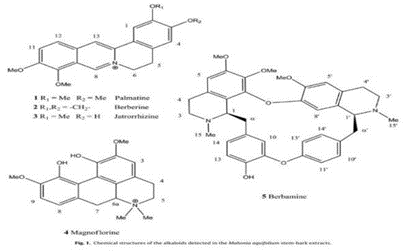
Its medicinal value is due to the presence of the isoquinolone alkaloids jatorrhizamine, palmatine, berberine, beramine, and magno orine in the root and wood.[15] [16]
Sample characteristics of clinical trials examining the effects of Mahonia aquifolium on psoriasis patients: [15]
|
TRIAL |
MAHONIA AQUIFOLIUM TREATMENT GROUP (N) |
CONTROL GROUP (N) |
MEAN AGE (YEARS) |
TREATMENT SITE |
PATIENT STATUS AT BASELINE |
|
Bernstein et al. (2006), Six sites in the U.S. and Canada; |
Baseline: n=100 Follow-up: n=97 |
Baseline: n=100 Follow-up: n=74 |
48.3 |
A 4.0 cm × 4.0 cm area of skin that typified the patient’s psoriasis |
In good overall health with mild to moderate plaque psoriasis covering less than 10 to 15 percent of body. |
|
Gulliver and Donsky (2005) |
Baseline: n=39 Follow-up: n=24 |
Same individuals as the treatment group (placebo-controlled trial) |
45.5 |
All afflicted symmetrical areas on each half of the body |
Mild to moderate chronic psoriasis with PASI<12 |
|
Gulliver and Donsky (2005) |
Baseline: n=32 Follow-up: n=30 |
Same individuals as the treatment group (placebo-controlled trial) |
Not reported |
One site on each half of the body |
Mild to moderate psoriasis with bilateral lesions on joints such as elbows or knees |
|
Donsky et al. (2007) |
Baseline: n=42 Follow-up: n=30 |
Same individuals as the treatment group (placebo-controlled trial) |
54 |
All lesions on skin |
Adults with atopic dermatitis on 10 percent or less of body in overall good health |
Pongamia Pinnata
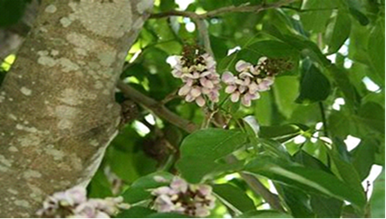
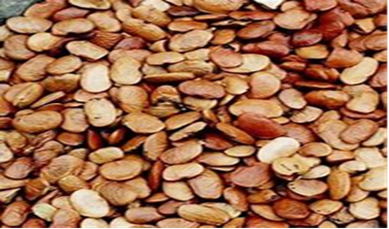
Botanical Name: Pongamia pinnata
Family Name: Fabaceae
Vernacular name: Karanj, Pongam, Pankhu,,Dalkaramacha
Common Name: Indian beech
Active Constituent: Karanjin, Kaempferol, Quercetin, Rutin, Pongapin ;Pinnatin ; Pongamol
Geographical area: widespread in Asia. This is now found in Australia, Florida, Hawaii, India, Malaysia, Oceania, the Philippines. It is found in South India up to an elevation of 1200m. It grows wild near streams and rivers. [18]–[20]
Chemical constituents:
Flavones of Pongamia pinnata and their derivatives[20] Chalcones of Pongamia pinnata
Medicinal use: [20]
Since ancient times, the karanja plant has been used medicinally.
Seeds – In Sri Lanka, seeds are used to treat keloid tumours. Karanja seed is a medicinal plant, especially in India's Ayurvedic and Sidda medicine systems.
Roots - used to clean teeth, gums, ulcers, and other dental problems.
Leaves, roots, and seeds extracts are used to treat infectious diseases such as leucoderma, leprosy, and lumbago.
Ayurvedic and Sidda medicine systems.
Roots - used to clean teeth, gums, ulcers, and other dental problems.
Leaves, roots, and seeds extracts are used to treat infectious diseases such as leucoderma, leprosy, and lumbago.
Preclinical studies: [5], [21], [22]
Animal Mode of study Pharmalogical data Effects
Albino mice Invivo -Mouse tail model Invitro- HaCaT cell line-1 g of drug
1st group (control) - untreated
2nd group - standard treated with 0.05% Retino A cream.
3rd group - treated with prepared gel.
Treatment for 14 days The combination of P. pinnata seed oil and methylsulphonylmethane gel has antipsoriatic activity.
Rat imiquimod-induced psoriatic mouse model IQM drug for 7 consecutive days
after Applied topical gel comprising of pongamial pinnata linn Skin thickness and scaling in the treated groups significantly decreased after extract treatment, indicating a significant decrease in psoriasis
Since ancient times, methylsulphonymethane (Sulphur powder) and Pongamia pinnata Linn. have been used to treat a variety of dermatological conditions, including eczema, scabies, and psoriasis. Karanj oil has been shown to have antipsoriatic effects. QRT-PCR is used to confirm the presence of cytokines in the blood serum.
SUEX gel, a psoriasis treatment product, contains an aqueous bark extract of the Pongamia pinnata plant. This new formulation successfully reduces epidermal thickness and stratum granulosum retention. This gel demonstrates that the addition of an aqueous extract of the bark improves the efficacy of a psoriasis ointment (SUEX GEL)[5].[23]
Karanjin and pongapin furanoflavone were isolated from air-dried root bark, and both isolated compounds exhibit antipsoriatic activity. Pongamia pinnata root bark has produced pongabiflavone, a new biflavonyloxymethane, and 3-methoxy-(7, 8, 2", 3") furanoflavone. The structure of this new compound was determined through extensive spectral studies, including 2D-NMR spectroscopic experiments. The ability to quench superoxide and nitric oxide. The actions of pongabiflavone and the formerly isolated karanjabiflavone may hold the key to treating psoriasis.[24]
The free radical quenching properties of Karanjin and Pongapin were investigated experimentally. A modified method was used to calculate the nitric oxide scavenging activity of Karanjin (the highest activity of 95.60%) and Pongapin (68.05%) in comparison to ascorbic acid (11.60%). Furthermore, using CLC drug discovery workbench software version 3.0, molecular docking studies of the studied flavones (Karanjin and Pongapin) with the psoriasis receptors (IL-17A, IL-17F, IL-23, RORt, and TLR-7) were performed. The docking scores of Karanjin and Pongapin with various receptors were found to be comparable to Methotrexate, a well-known Psoriasis treatment. Docking results indicate that Karanjin and Pongapin could also help with disease control.[24]
Overall, the findings suggest that flavones (Karanjin and Pongapin) may be beneficial. Natural and superior treatment for psoriasis with no side effects.[24]
Cassia Tora Linn
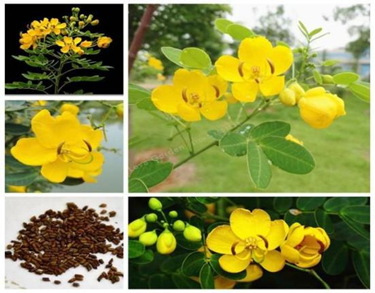
In India and other tropical nations, the well-known plant Cassia tora Linn. is widely distributed. It has been used for centuries in Ayurvedic and Chinese medicine. [32]
Botanical name: Cassia Tora Linn
Family name: Fabaceae
Vernacular name: 'Chakramard' in Ayurveda, 'Panwar' in Unani, and 'Jue Ming Zi' in Chinese medicine.
Common name: Sickle senna
Active Constituents: Luteolin-7-O-β-glucopyranoside, formononetin-7-O—D-glucoside and quercetin-3-O-D-glucuronide
Geographical area : annual under shrub grows all over the tropical countries (throughout India, Pakistan, Bangladesh and west China) and grows well in wasteland as a rainy season weed.[32] Outside India: The plant is also cultivated in Korea, Nepal, Nigeria, and China.[33]
Chemical Constituent:
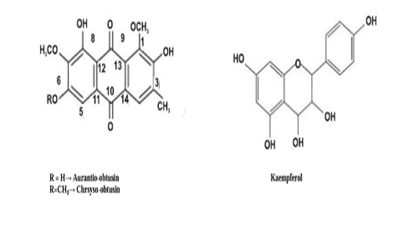
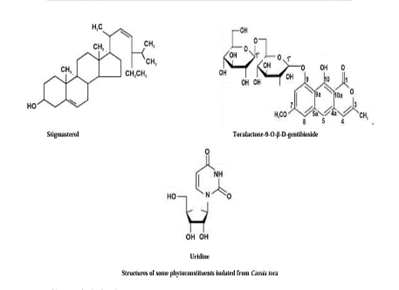
Seed - Several anthraquinone and naphthopyrone compounds have been isolated from the seeds of this plant. C [32]
Leaves -The leaves contain chrysophanol, aloe-emodin, rhein, and emodin. The presence of emodin and kaempferol-2-diglucoside has also been reported in the leaves. The leaves also contain d-mannitol, myricyl alcohol, and sitosterol. glucose, togonelline,.[34]
Flowers - The flowers contain kaempferol and leucopelargonidin.[33]
The plant contains chrysophanol as a marker constituent.[33]
Cream prepared from roots of A. Mexicana
Medicinal use:
Seeds- Traditionally seeds of Cassia tora used externally and internally for all sorts of eyes disease. Preparations are also given for liver complaints and boils. In Korea, the hot extract of seeds is taken orally for protection of liver.[32] The seeds of C. tora have been used in Chinese medicine as aperients, antiasthnic and diuretic agent.[32]
Leaves internally gentle aperients, externally germicide and antiparastic. It is also effective against eczema. Tender, taken internally to prevent skin disease; infusion, vermicidal.[33]
Stem bark – Stem bark extract is used for various skin ailments, rheumatic diseases and as laxative. [32]
In Ayurveda, the plant is used in ‘Dadrughani Vati’ and ‘Pamari Taila[32]
The antipsoriatic activity of an ethanolic extract of Cassia tora leaf was tested. Ethanol extract and isolated compound reduce epidermal thickness by a significant fraction. Markers such as luteolin, quercetin, and formononetin were isolated and used. composition of compound 3 was established as Formononetin-7-O-E-D-glucoside.[5], [36]
TLC and UV were used to elute the flavanoids. UV was used to examine three compounds: luteolin7-O-glucopyranoside, quercetin-3-O-Dglucuronide, and ormononetin-7-O-glucoside. Compounds 1, 2, 3demonstrated remarkable epidermal thickness by influencing keratinocyte hyperproliferation. Cassia tora crude extract and its flavonoids have the potential to be used as antipsoriatic agents.[35]
Preclinical Studies: [37]
|
Animal |
Mode of Study |
Pharmacological Data |
Effects |
|
albino mice |
methanolic C. tora extract (0.05%, 0.1%, 0.2%) in O/W creams; positive control: tretinoin (0.05%) in base cream; |
UVB-induced psoriasis single dose of creams with different concentrations of extract/tretinoin/cream base/crude extract |
exhibited a significant reduction in the percentage of relative epidermal thickness as compared to tretinoin. |
Wrightia Tinctoria
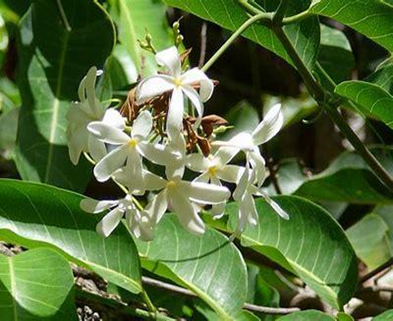
Wrightia tinctoria is an important plant used in Indian systems of medicine such as Ayurveda, Siddha and Unani for the treatment of jaundice, malaria, psoriasis and many other diseases.
Botanical Name: Wrightia tinctoria
Family Name: Apocyanaceae.
Vernacular name: Indrajava, Svetkutaja, Krsnkutaja - Sanskrit, Kalakuada -Marathi and Mitha indrajau -Hindi. [38,39]
Common Name: Sweat Indrajao , Pala Indigo Plant, Dyer’s Oleander
Active Constituent: Wrightial, ,α-amyrin, β-amyrin, lupeol, β-sitosterol, squalene, β -sitosterol.
Chemical constituents:
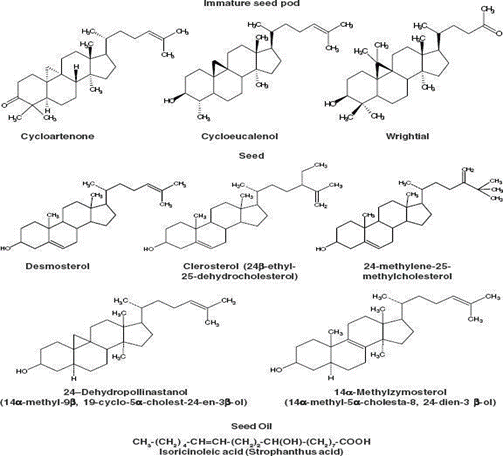
Wrightia tinctoria mainly contains constituents such as steroids, triterpinoids, flavonoids, isoflavone, saponin etc. Various chemical constituents are isolated from different parts of the plant such as wrightial, cycloartenone, cycloeucalenol, indigotin, indirubin, isatin, rutin, βsitosterol, β-amyrin, lupeol, campetosterol, tryptanthrin, isatin, anthranilate,α-amyrin, 14α-methylzymosterol. [7]
Wrightia tinctoria seeds contain sterols desmosterol, cholesterol, 24-methylene25-methylcholesterol, and 24-dehydropollinastanol, a new sterol called 14-methylzymosterol.[38]
The stem bark contains constituents such as β-amyrin, lupeol, β-sitosterol, stigma sterol, campesterol and a triterpenoid, flavonoid, steroids, alkaloids and phenolics.
[7]
Medicinal use:
Leaves: mouth ulcers, boils, wounds, rashes, and burns - crushed leaves are applied topically.
To relieve toothache, fresh leaves are crushed and placed within the tooth cavity.
Bark :, psoriasis, helminthiasis.
Seeds : Seeds are beneficial for treating gastrointestinal disorders as well as being tonic, carminative, anthelmintic, astringent. Wrightia, has been used to treat central nervous system diseases and is said to have analgesic, aphrodisiac, tonic, and emmenagogue properties.
Root : Root and leaf extracts have hypotensive properties. To counter the poisonous effects of snake bite, its root bark extract is given orally. [39]
The herb is extensively utilised in Siddha medicine to cure psoriasis and other skin conditions. After being exposed to direct sunshine for a day, leaves soaked in coconut oil are used to cure psoriasis.[39]
For the treatment of psoriasis, oil 777 made from fresh plant leaves and coconut oil has been found to have analgesic, anti-inflammatory, and antipyretic properties.[38]
Wrightia tinctoria's 67 chemicals were used as in silico techniques with 238 protein targets, and it was discovered that this approach suppressed hyperkeratosis by apoptosis mechanism.[40]
The oil extracted from the herb Wrightia tinctoria was used in the formulation of beads, and it demonstrated excellent activity. The beads were made from extracted oil, acacia powder, pectin, and sodium alginate polymer.The most important bioactive principles found in seeds are quercitin, lupeol, -amyrin, wrightial, and -sitosterol. Wrightia tinctoria nanosponge was made from methanolic seed extract and was incorporated into a gel base and used as a topical gel.[5]
Wrightia tinctoria oil is primarily used to treat psoriasis. Blue dye is produced by indigo-producing glycosides. This blue dye is formed as a result of soaking the leaf in coconut oil, and the blue coloured oil that oozes out of it has been used in Ayurveda for decades to treat skin diseases, particularly psoriasis.[7]
Preclinical studies: [41]
|
Animal |
Mode of study |
Pharmacological data |
Result |
|
Albino rat |
Hydroalcoholic extract of W. tinctoria leaves; Control: vehicle; Positive control: isoretinoic acid
|
Mouse tail model for psoriasis. Treatment : once daily for 14 days |
Extracts posses superior antipsoriatic activity than betamethasone and retinyl acetate. Extract produced significant degree of orthokeratosis compared to isoretinoic acid qnd increased the epidermal thickness |
Cestrum diurnum
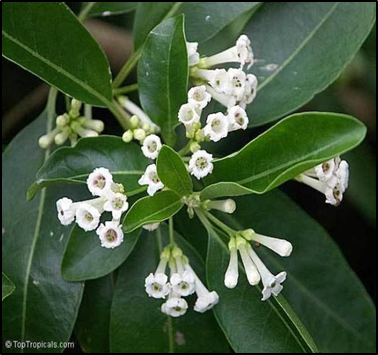
Day jasmine /Day cestrum, leaves are used externally to control itching, psoriasis and patches on skin. Its oil is effective in treating malaria in many African countries. Although leaves are toxic but they contain several active compounds which possess medicinal properties. The plant also shows larvicidal and cardioactive activities[42]
Family Name: Solanaceae
Botanical Name: Cestrum diurnum
Common Name: Day Jessamine, Day Cestrum
Active Constituent:β-carotene, lutein, xanthine, calcium, vitamin D3
Vernacular name: day-blooming cestrum, day-blooming jessamine, and day-blooming jasmine. Din ka Raja
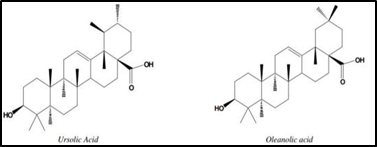
Saponins: Diurnoside, tigonin, tigogenin. Volatile
oils: trans-2-Hexenal, cis-3-hexenyl acetate, cis-3
hexenol, trans-2-hexenol, palmitic acid, stearic
acid, oleic acid. Terpenes: Ursolic acid.
Lignans: Berchemol-4’-O-β-glucopyranoside, liriodendrin, dehydrodiconiferyl alcohol-4-O-β-
Alkaloids: Nicotine, nor nicotine. Others: Vit-D3 and its glycoside.The leaves contain nicotine, nor nicotine, ursolic acid, tigonin and 1,25 dihydroxy vitamin D3-glucoside now known as calcitriol. Cestrum diurnam L leaves are considered best, reliable, natural source for calictrol.Further, The process patent for extracting the same from Cestrum dirunum L. leaves has been granted to Mitra Puccalapalli by World Intellectual Property Organization. The oil was found to be an effective fungi toxicant against both plant and human pathogens. [43]
Medicinal use:The plant demonstrated to possess a wide Range of pharmacological activities including antioxidant , anticancer . hyperlipidemia, antipsori-atic , thrombolytic antidiabetic larvicidal and antimicrobial , antimalarial, insect attractant, antifungal, [43]
Dinamallika taila is widely used in different traditional medicinal practices to treat pain, burn, swelling and related disorders.[44]
|
Mode of study /formulation |
Pharmacological data |
Result |
|
|
Cestrum diurnum Cestrum diurnum Extract 1℅ ointment |
topical Cestrum diurnum extract 1%w/w ointment in treatment of chronic plaque-type psoriasis . |
To study the efficacy, safety, and patient compliance;for 2 -5months study period
|
60-80% relief, Total clearance after 16 week |
|
Clinical experiment with Cestrum diurnum |
|
Plant name |
Mode of study /formulation |
Pharmacological data |
Result |
|
Cestrum diurnum Cestrum diurnum Extract 1℅ ointment |
topical Cestrum diurnum extract 1%w/w ointment in treatment of chronic plaque-type psoriasis . |
To study the efficacy, safety, and patient compliance;for 2 -5months study period
|
60-80% relief, Total clearance after 16 week |
Ammi majus L.
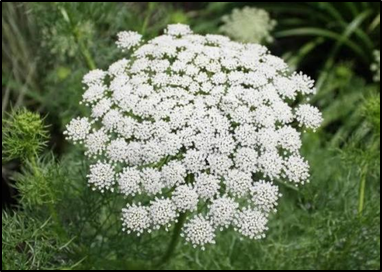
In India, it was first introduced in the Forest
Research Institute, Dehradun, in 1955 through the efforts of UNESCO. Since then its experimental cultivation has been tried in several parts of the country including Jammu, Dehradun, Mumbai, Chennai, Delhi and Punjab
Synonym: Apium ammi [46]
Botanical name: Ammi majus
Common name: Bishop’s flower
Family: Apiaceae
Active Constituent: coumarin
Vernacular name: bishop’s flower, false bishop’s
weed, laceflower, bullwort,
Traditional use: The fruits were used for the treatment of skin disorders, psoriasis and vitiligo. It was also used for treatment of leprosy, kidney stones, and urinary tract Infections, treatment of skin disorders, psoriasis and vitiligo. It was also used as an emmenagogue to regulate menstruation, as a diuretic, and for treatment of leprosy, kidney stones, and urinary tract Infections
chemical constituents:
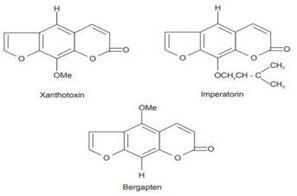
Ammi majus fruits contained amorphous glucoside 1%, tannin 0.45%, oleoresin 4.76%, acrid oil 3.2%, fixed oil 12.92%, proteins 13.83% and cellulose 22.4%. The major constituents of Ammi majus are the furanocoumarins, which included xanthotoxins (methoxsalen, 8-methoxypsoralen, ammoidin, up to 1.15 The presence of nonfurocoumarin, umbelliprenin, glycosides of quercetin, luteolin were reported in Ammi majus fruits .
Abdul Jalil et al identified two flavonoids from Ammi majus fruit quercetin and kaempferol. They found that the amount of kaempferol (0.045 %) was higher than quercetin (0.036 %).
The essential oil extracted from fruits contained high boiling hydrocarbons 1.34%, dipiperitone 10% unsaturated cyclic terpeniole 15% and a mixture of furocoumarins 60%.
Hussain et al investigated the fatty acids constituents of Ammi majus oil. A total of 18 different components were identified and quantified. Methyl ester of linoleic acid was found in high concentration 9.00%, followed by methyl ester of oleic acid 5.60%, palmitic acid 3.98% and linolenic acids 1.42% and rest identified fatty acids were less than 1% [47].
medicinal use:
The paste of aerial parts is used to treat skin problems, psoriasis and vitiligo. The ripen fruits as powder or water extract are used to regularize menstruation problems, leprosy, kidney and gallbladder stones, and other infections.
Egyptians are using the organic fruits Extract traditionally to treat hypertension, depression, leu-coderma, allergic rhinitis and rash.
The water extract of ripe fruits is used to treat coronary and chronic asthma . The water and hydro
alcoholic both extracts showed significant diaphoretic, carminative, antispasmodic, and antiseptic activities. The Plant water extracts were used by the Omanis to treat ulcer, Skin (leukoderma), and regularize menstruation . [48]
Numerous studies have assessed the efficacy of
Fructus Ammi majus And xanthotoxin for the treatment of vitiligo, psoriasis, and hypopigmentation. The treatment of plaque psoriasis in 100 patients appeared effective in reducing the number of Plaques..
Oral administration of 0.6 mg/kgof xanthotoxin with two UV-A radiation dosage regimens was used for treatment of patients with moderate–severe Chronic plaque psoriasis. 42% of patients were relieved 1 year after treatment.
The 5-Methoxypsoralen has been employed for the treatment of psoriasis. In comparative clinical trials of parallel design, psoriasis clearance rates of >90% to 97% were observed in similar numbers of patients (60–77%) receiving oral PUVA 5-methoxypsoralen or oral PUVA 8- Methoxypsoralen treatments (Rio, 2014).
Mice were topically induced with imiquimod at 62.5 mg on their shaved backs and 31.25 mg on their right ears in a single dose daily for 14 consecutive days. PASI score results were found significant at P< 0.05.
Nigella Sativa
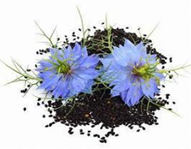
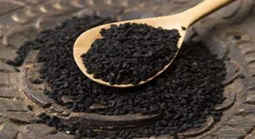
Nigella sativa has been used for thousands of years as a spice, a food preservative, and a preventative and curative treatment for a number of illnesses. Nigella sativa have beneficial effects on the reproductive, pulmonary, and immune systems, as well as diabetes mellitus (DM), fertility, breast cancer, dermatological complications, dehydration, dyspepsia, osmotic balance, etc.[50]
Botanical Name: Nigella sativa
Family Name: Ranunculaceae
Vernacular name: kalonji, Kalajera, Fennel Flower, Nutmeg Flower,
Common Name: Black seed, Black cumin
Active Constituent: Thymoquinone, Thymol, Carvacrol, Dithymoquinone.
Geographical area: N. sativa is native to Southern Europe, North Africa and Southwest Asia.[50], [51]
Chemical constituents:
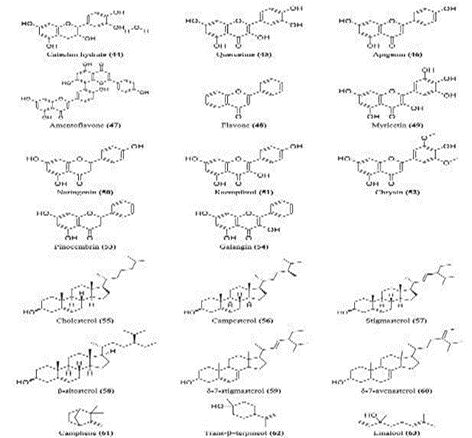
The most important active constituents are thymoquinone (30%-48%), thymohydroquinone, dithymoquinone, p-cymene (7%-15%), carvacrol (6%-12%), 4-terpineol (2%-7%), tanethol (1%-4%), esquiterpene longifolene (1%-8%) α-pinene and thymol etc..[50 -53]
Seeds contain two different types of alkaloids; i.e. isoquinoline alkaloids e.g. nigellicimine and nigellicimine N-oxide, and pyrazol alkaloids nigellidine and nigellicine. [50]; fatty oil rich in unsaturated fatty acids, mainly linoleic acid (50-60%), oleic acid (20%). It also contains terpenes (e.g. - α-hederin) and saponins.
Medicinal use:
N. sativa seeds are used to treat a variety of diseases including bronchitis, diarrhoea, rheumatism, asthma, and skin disorders. Immunomodulation, antiangiogenesis, antiproliferative, antioxidant, anti-inflammatory, antibacterial, and antihistaminic effects are all pharmacological effects that may contribute to its antipsoriatic effects.
It also contains zinc, which contributes to its activity in the treatment of zinc deficient psoriasis patients.[54]. According to medical experts, standard medications like methotrexate, cyclosporine, and acitretin have just a modest effect on the hardest type of psoriasis- palmoplantar, however the observed impact of NS suggest that the ointment has the capacity to penetrate the thick epidermis of the hands and feet and exercise its anti-psoriatic effect. MTX + NS (topical + oral) is more efficient when combined than NS or MTX monotherapy [55].
Black seed oil extract has an anti-inflammatory impact on skin keratinocytes in albino rats with imiquimod-induced psoriasis-like lesions.[37,56]
The results of the current experiments support the superiority of new phospholipid-based Thymoquinone-loaded lipid vesicles over conventional gel in the treatment of psoriasis. In contrast to conventional methods, the soft, flexible, and site-specific vesicles resulted in increased thymoquinone penetration and retention. Further activity of drug thymoquinone in form of ethosomal gel was significantly visible as compared to the NS extract; suggesting the topical administration of TQ in the management of psoriasis [57].
Black cumin's anti-inflammatory effects were contributed to its pure thymoquinone and crude fixed oil as both inhibit the COX and 5-LO pathways of arachidonate metabolism in rat peritoneal leukocytes.[58]
Clinical data: Black cumin oil Ointment 10% w/w was prepared by mixing the oil with petroleum in ratio of 1:9 and clinical trial was conducted on 30 patients of age 22 to 65 years. 20 Patients were treated with 10% black cumin ointment twice a day for 3 months and 10 Patients were treated with the control ointment (Vaseline) and followed up for 6 months. At end of 3 months, approx. 50% patients showed good improvement for cummin oil ointment as compared to 16% in case of Vaseline [58].
Aloe vera
Introduction: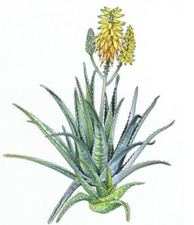
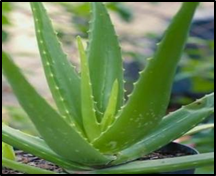
Aloe has been used therapeutically since 1750 . and many different properties have been ascribed to the inner, colourless, leaf gel. Hence Aloe vera gel is an important ingredient in a range of widely available healthcare and cosmetic products, including suntan lotion, sunscreen products and dry skin lotions. It is indicated for variety of skin diseases including pasoraisi; and also aid in wound healing ([61]).
Family: Asphodelaceae
Botanical Name: Aloe barbadensis
Common Names: aloe
Vernacular name: Gwar Patha or Ghrit Kumari, false bishop’s weed, lace flower, bullwort
Active Constituent: anthraquinone and acemannan
Chemical constituents: (Aloe vera plant and flower)
The two-main active constituents include chromone and anthraquinone and its glycoside derivatives. Other constituents are phenylpyrone derivatives, flavonoids, phenylpropanoids, coumarins, phytosterols, naphthalene analogs, lipids, proteins and vitamins, carbohydrates, enzymes etc.
Anthraquinones include Aloe-emodin, aloetic-acid, anthranol, barbaloin, isobarbaloin , emodin, ester of cinnamic acid.
Chromones- 8-C-glusoly-(2'-O-cinnamoly) -7-O-methlyaloediol A, 8-C-glucosyl-(S)-aloesol, 8-C-glucosyl-7-O-methylaloediol A, 8-C-glucosyl-7-0-methylaloediol, 8-C-glucosyl-noreugenin, isoaloeresin D, isorabaichromone.[62].
Medicinal Uses of Aloe Vera:
Aloe vera plays an important role in maintaining the healthy functioning of the major organs, and preventing diseases. Aloe vera is known to possess anti-inflammatory, antimicrobial, antipruritic, wound-healing, and analgesic properties.
Early evidence suggests that an extract from Aloe in hydrophilic cream may be an effective treatment of psoriasis
vulgaris [63].However there are conflicting results. Choonhakarn et al. randomized 80 patients with Mild to moderate plaque psoriasis to receive either aloe vera cream or 0.1% triamcinolone acetonide cream. The cream was applied Twice daily for 8 weeks Aloe vera cream was found to be more effective and was well tolerated and no serious side effects were reported indicating its safety and efficacy in treatment. [62], [64]. The results of various clinical trials using Aloe for management of psoriasis are summarized in table…
|
Clinical experiment of treating psoriasis with aloe vera
|
|
Prodt |
Mode of study /formulation |
Pharmacological data |
Result |
|
Aloe
|
Mucilage from Aloe vera (70%) twice a day; Control-triamcinolone cream 0.1%
|
80 Plaque-type Psoriasis patients, treatment for 8 weeks |
significantly more reduction in psoriasis area severity index(PASI) and equal reduction in dermatology life quality index |
|
Aloevera cream |
aloe Vera extract (0.5%) in a hydrophilic cream using a combination of mineral oil and castor oil (B.P.) as vehicle. |
60 Plaque-type psoriasispatients, treatment for 4 weeks |
more effective than placebo in clearing plaques in 83 % of patients. |
|
Aloe vera gel |
98% Aloe vera leaf gel. Twice daily cutaneous application |
4 females, 10 males, 4 weeks |
The effect was modest and not more effective than placebo. .[29], [64]–[66] |
|
SUMMARY OF ALL PLANTS -MECHANISM OF ACTION |
|||||
|
Plant name/ Family |
Extract of plant parts |
Mechani
sm of action |
Uses |
Reference |
|
|
Indigo naturalis (Fabaceae) |
Leaves of specific plants including, Indigofera tinctoria, Baphieacanthus cusia, Isatis tinctoria, Polygonum tinctorium, and Isatis indigotica. |
Inhibits the TNF-alpha-dependent inflammatory pathways, to down-regulate inflammatory markers. |
Antioxidation, Anti-infammatory effects, antibacterial, antifungal and antiviral, Immune modulation, Antitumor.
|
[67][11] |
|
|
Mahonia aquifolium (Berberidaceae)
|
Dried and ground stem barks. |
block 5-lipoxygenase and lipid peroxidation. ICAM-1, CD-3, HLA-DR, keratins 6 and 16, as well as other immunological markers, were similarly decreased, A new mechanism -cytokine suppression of IL-8 by berberine. .
|
Antioxidant, anti-inflammatory, hypoglycemic, hepatoprotective, hypotensive properties, Antiviral activity, Antitumor activity, Antimutagenic activity, Anti-microbial activity, Anti-proliferation.
|
[68] [15] [69] [70] |
|
|
Pongamia pinnata (Fabaceae) |
All parts of plant |
P. pinnata's anti-inflammatory effects were strongest against bradykinin and PGE1-induced inflammation. Primary action includes the modulation of eicosanoid-events in inflammation.
|
antioxidant, antimicrobial, anti-inflammatory, and anti-ulcer activities. |
[71], [72] |
|
|
Cassia tora L. (Caesalpiniaceae) |
Leaves and seeds |
Inhibits COX2/iNOS/MMPs, suppresses apoptosis in oxidative stress conditions. |
Effective against all forms of psoriasis. |
[75], [76] |
|
|
Wrightia tinctoria L (Apocynaceae) |
Seeds |
suppresses key inflammatory mediators, controls the excessive proliferation of keratinocytes, |
antioxidant, anti-inflammatory, and antimicrobial |
[28], [41], [80] |
|
|
Nigella sativa (Ranunculaceae) |
Seeds |
These active ingredients are capable of suppressing keratinocyte hyperproliferation and aberrant differentiation. |
Antiproliferant activity, anti-inflammatory, antibacterial, antifungal and antihelmenthic |
[11], [82], [83] |
|
|
Aloe vera (Liliaceae) |
Leaves sap or juice |
reduces cytokine release, and suppresses the production of inflammatory mediators like bradykinin. |
anti-inflammatory, antimicrobial antioxidant |
[28], [62] |
|