Risk Factors of Inadequate Early Analgesia Following Modified PECS II Block
- Umbrin Naz , Department of Anesthesia, Khyber Teaching Hospital, Peshawar, Pakistan
- Ambareen Sifatullah , Department of Anesthesia, Khyber Teaching Hospital, Peshawar, Pakistan
- Shahid Maqsood , Department of Anesthesia, Khyber Teaching Hospital, Peshawar, Pakistan
- Muhammad Javed Khan , Department of Anesthesia, Khyber Teaching Hospital, Peshawar, Pakistan
- Ishtiaq Ahmad , Department of Anesthesia, Khyber Teaching Hospital, Peshawar, Pakistan
- Shandana Gul , Department of Anesthesia, Khyber Teaching Hospital, Peshawar, Pakistan
Article Information:
Abstract:
Inadequate early analgesia remains frequent after modified radical mastectomy, even with regional techniques such as the PECS II block. Tramadol has been suggested as an adjuvant, but evidence is limited. Objectives: To estimate how often inadequate early postoperative analgesia occurs after modified pectoral nerves block type II in modified radical mastectomy and to assess whether adding tramadol to the local anesthetic reduces early analgesic failure. Methodology: Prospective cohort study of 200 women undergoing elective modified radical mastectomy between January 2025 and August 2025 under general anesthesia with modified pectoral nerves block type II. Patients received local anesthetic alone or local anesthetic with tramadol. Pain scores and rescue opioid use were assessed in the post anesthesia care unit at 0, 30, 60, and 120 minutes. Inadequate early analgesia was defined as a numeric rating scale score of 6 or more, or any rescue opioid within 120 minutes. Logistic regression was used to identify predictors of inadequate early analgesia. Results: Inadequate early analgesia occurred in 167 of 200 patients (83.5%). The incidence was higher with local anesthetic alone than with tramadol (92.7% versus 72.5%, p<0.001). Tramadol reduced the odds of analgesic failure (adjusted odds ratio 0.21, 95% confidence interval 0.09 to 0.49), with an absolute risk reduction of 20.2% and a number needed to treat of 5. Pain scores at rest were lower in the tramadol group at all time points, with the largest difference at 0 minutes (mean numeric rating scale 4.4 versus 5.7, p<0.001). Conclusion: Early analgesic failure after modified pectoral nerves block type II was frequent after modified radical mastectomy. Adding tramadol reduced early analgesic failure and improved short term pain control in the first two postoperative hours.
Keywords:
Article :
INTRODUCTION :
Breast cancer ranks as the most frequent malignancy in women worldwide and continues to drive a substantial public health burden [1]. In low- and middle-income countries, including Pakistan, the case load is increasing and many patients still present late, often with advanced disease [2]. Modified radical mastectomy remains widely performed despite broader use of breast conserving surgery in selected patients [3]. Survival continues to improve, yet postoperative pain after modified radical mastectomy remains difficult to control. Many patients experience severe acute pain, which delays mobilization, increases opioid exposure, prolongs hospital stay, and contributes to chronic post mastectomy pain [4].
Regional anesthesia is now a core component of perioperative analgesia for breast surgery. Modified pectoral nerves block type II is an ultrasound guided interfacial block intended to cover the pectoral nerves and relevant intercostal and intercostobrachial sensory pathways [5]. Compared with a paravertebral block, it is less invasive and many teams use it routinely for breast surgery [6]. Studies show that, when added to systemic analgesia, it can lower opioid consumption and improve pain scores. Despite this, several trials and reviews report frequent early analgesic failure, and a substantial proportion of patients still report moderate to severe pain during the first two postoperative hours [7,8].
The addition of adjuvants to local anesthetic solutions has been included in attempts to enhance the efficacy of PECS II. Dexamethasone and clonidine are the most frequently studied and proven to prolong block duration and improve quality of analgesia [9,10]. Investigations into tramadol, a synthetic opioid with dual mechanisms weak µ-opioid agonism and inhibition of serotonin and norepinephrine reuptake, have included investigations of tramadol as one adjuvant in regional anesthesia [11]. Laboratory studies and clinical reports provide evidence that tramadol improves local anesthetic effects, in addition to its central effects, via peripheral nerve actions. However, its specific role in developing inadequate early analgesia following PECS II for mastectomy has not been clearly established [12].
Early failure likely reflects more than the choice of adjuvant. Patient variables such as age, body mass index, and comorbidity burden can influence pain reporting and opioid needs. Surgical variables also matter, particularly the extent of axillary dissection and the duration of surgery, which can increase early postoperative pain [13]. Block related factors may further affect outcomes, including distribution of local anesthetic in the intended planes, number of needles passes, and operator experience. These factors are plausible contributors, yet structured evaluation of predictors remains limited in studies of modified pectoral nerves block type II.
Prospective studies should do more than test tramadol as an adjuvant. They should also map the factors linked to early block failure. This information supports better selection of postoperative analgesia plans, particularly in resource limited settings where improved recovery after breast surgery affects both patient outcomes and service costs [14].
This study was conducted to address that gap. It evaluated factors associated with inadequate early analgesia after the modified pectoral nerves block type II in patients undergoing modified radical mastectomy, with a specific focus on whether adding tramadol changes the risk of early analgesic failure.
MATERIALS AND METHODS:
Study Design: This prospective cohort study examined factors that predict inadequate early analgesia after a modified pectoral nerves block type II in patients undergoing modified radical mastectomy.
Study Setting: The study took place in the Department of Anesthesia at Khyber Teaching Hospital, Peshawar, a tertiary care center where modified radical mastectomy is performed on a routine basis.
Duration of Study: The study was conducted over 08 months from January 2025 to August 2025.
Study Population: Eligible participants were female patients scheduled for elective modified radical mastectomy under general anesthesia with a modified pectoral nerves block type II.
Sample Size: A total of 200 patients were enrolled. Based on prior literature, the anticipated rate of inadequate early analgesia was 25%, yielding approximately 50 outcome events. The sample size was planned using a commonly applied logistic regression criterion of at least 10 outcome events per predictor variable [14].
Sampling Technique: Consecutive sampling was used. This method was chosen to minimize selection bias and to ensure the cohort was representative of the patient population undergoing this procedure at our institution. All eligible patients scheduled for unilateral modified radical mastectomy during the study period were approached for enrollment until the target sample size was achieved.
Sample Selection
Inclusion criteria
• Female patients aged 18–70 years.
• ASA class I–III.
• Scheduled for elective modified radical mastectomy under general
• anesthesia with PECS II block.
Exclusion criteria
• Allergy to local anesthetics or tramadol.
• Chronic opioid use or chronic pain disorder.
• Coagulopathy or infection at block site.
• Severe hepatic or renal dysfunction.
• Conversion to another surgical procedure.
Data Collection Procedure
After obtaining approval from Khyber Medical college Peshawar Ethical Review Committee (No 03/DME/KMC). written informed consent from all participants, data were collected using a structured case report form.
Exposure Variables: Preoperative variables included age, body mass index, and ASA class. Intraoperative details recorded were the type, concentration, and volume of local anesthetic, the addition and dose of tramadol, number of needles passes, and adequacy of spread on ultrasound. Surgical factors such as extent of axillary dissection and duration of surgery, along with intraoperative opioid administration, were extracted from anesthesia records.
Outcome Variable: The primary outcome was inadequate early analgesia. This was defined as a Numeric Rating Scale (NRS) score of ≥6 at rest or during gentle movement, or the requirement for rescue intravenous opioid in the first 120 minutes after surgery.
Pain scores were assessed in the post-anesthesia care unit (PACU) at 0, 30, 60, and 120 minutes using the validated NRS tool [16]. Assessments were performed by trained observers who were blinded to group allocation. Patients were also blinded to the block solution they received. Rescue opioid use, time to first rescue, and adverse events such as nausea, vomiting, dizziness, and sedation were documented systematically in line with established outcome reporting standards [17,18].
Operational Definitions
Modified PECS II block: An ultrasound guided interfacial technique performed using two separate injections. The first injection is placed in the plane between pectoralis major and pectoralis minor. The second injection is placed deeper, between pectoralis minor and serratus anterior. This approach targets sensory supply relevant to mastectomy analgesia, including the pectoral nerves and lateral cutaneous branches of the intercostal nerves, with coverage of the intercostobrachial region [10].
Tramadol adjuvant; Preservative free tramadol mixed with the local anesthetic for the block, intended to improve block related analgesia and extend effect through combined peripheral and systemic mechanisms [7].
Inadequate early analgesia: Numeric rating scale score of 6 or higher at rest or with gentle movement, or any rescue intravenous opioid within the first 120 minutes after surgery, consistent with thresholds used in recent postoperative analgesia research [13].
Data Analysis
Data analysis was performed using SPSS version 26 or comparable statistical libraries in Python. Continuous variables, including age, body mass index, and duration of surgery, were summarized as mean with standard deviation or as median with interquartile range based on the distribution. Categorical variables, including American Society of Anesthesiologists class, extent of axillary dissection, tramadol exposure, and adverse events, were reported as counts and percentages.
The primary analysis used multivariable logistic regression with inadequate early analgesia as the outcome. Prespecified covariates were age, body mass index, American Society of Anesthesiologists class, axillary dissection, duration of surgery, intraoperative opioid dose, total local anesthetic dose, tramadol use, number of needle passes, and adequacy of spread. Results were presented as adjusted odds ratios with 95% confidence intervals. Multicollinearity and overall model fit were evaluated.
Secondary analyses compared the incidence of inadequate analgesia between tramadol and non-tramadol groups using the chi square test, estimated relative risk with 95% confidence intervals, and compared continuous variables using independent samples t tests.
RESULTS:
A total of 200 patients undergoing modified radical mastectomy were included in the final analysis. Of these, 109 (54.5%) were in the control group (PECS II block without tramadol) and 91 (45.5%) were in the tramadol group (PECS II block with tramadol adjuvant).
Demographic and Clinical Characteristics
The demographic and clinical characteristics of patients are shown in Table 1. Patients in the tramadol group were younger than those in the control group (41.0±16.1 vs. 45.3±14.2 years, p=0.049). No significant differences were found in BMI, ASA class, or surgery duration (all p>0.05).
Table 1: Demographic and Clinical Characteristics by Treatment Group
|
Characteristic |
Control Group (n = 109) |
Tramadol Group (n = 91) |
p value |
|
Age (years), M ± SD |
45.3 ± 14.2 |
41.0 ± 16.1 |
0.049 |
|
BMI (kg/m²), M ± SD |
26.9 ± 3.9 |
26.5 ± 3.8 |
0.478 |
|
ASA Class, n (%) |
0.994 |
||
|
I |
25 (22.9%) |
21 (23.1%) |
|
|
II |
64 (58.7%) |
53 (58.2%) |
|
|
III |
20 (18.3%) |
17 (18.7%) |
|
|
Surgery duration (min), M ± SD |
124.1 ± 29.0 |
125.5 ± 29.0 |
0.726 |
Interpretation: The groups were well matched for most baseline characteristics. However, patients in the tramadol group were slightly younger. Due to this significant difference, age was included as a covariate in the subsequent multivariable logistic regression model to adjust for its potential confounding effect.
Primary and Secondary Outcomes
Inadequate early analgesia occurred in 167 of 200 patients (83.5%). The incidence was higher in the control group (92.7%, 101/109) than in the tramadol group (72.5%, 66/91; χ²=13.2, p<0.001) (Figure 1). The use of tramadol reduced the odds of inadequate analgesia (OR 0.21, 95% CI 0.09–0.49), corresponding to an absolute risk reduction of 20.2% and a number needed to treat (NNT) of 5.
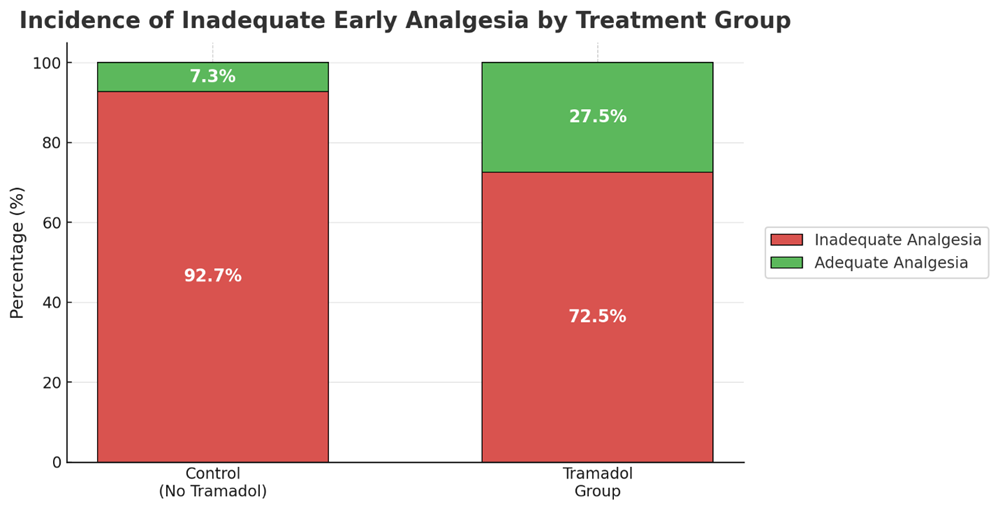
Figure 1. Incidence of Inadequate Early Analgesia by Treatment Group.
Pain scores at rest were consistently lower in the tramadol group across all PACU time points (Figure 2). The largest difference was at 0 minutes (mean NRS 4.4±1.7 vs. 5.7±1.8, p<0.001).
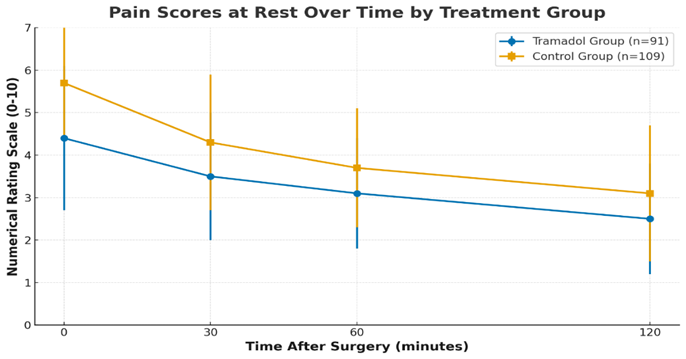
Figure 2: Pain Scores at Rest Over Time by Treatment Group.
Secondary outcomes are summarized in Table 2. Rescue opioid use was significantly lower in the tramadol group (72.5% vs. 92.7%, p<0.001). Total PACU opioid consumption was lower in the tramadol group, but the difference was not statistically significant (3.8±1.8 mg vs. 4.1±1.5 mg, p=0.195).
Table 2: Primary and Secondary Outcomes by Treatment Group
|
Outcome |
Control Group (n = 109) |
Tramadol Group (n = 91) |
p value |
|
Inadequate Early Analgesia, n (%) |
101 (92.7%) |
66 (72.5%) |
< .001 |
|
NRS at 0 min, M ± SD |
5.7 ± 1.8 |
4.4 ± 1.7 |
< .001 |
|
NRS at 30 min, M ± SD |
4.3 ± 1.6 |
3.5 ± 1.5 |
< .001 |
|
NRS at 60 min, M ± SD |
3.7 ± 1.4 |
3.1 ± 1.6 |
.002 |
|
NRS at 120 min, M ± SD |
3.1 ± 1.6 |
2.5 ± 1.3 |
.004 |
|
Rescue Opioid Given, n (%) |
101 (92.7%) |
66 (72.5%) |
< .001 |
|
Total PACU Opioid (OME mg), M ± SD |
4.1 ± 1.5 |
3.8 ± 1.8 |
.195 |
Interpretation: Tramadol significantly reduced inadequate analgesia, pain scores at all time points, and rescue opioid requirement. Total opioid consumption was lower but not statistically significant.
Risk Factor Analysis
In the univariate analysis, the absence of tramadol was a strong predictor of inadequate early analgesia. To account for potential confounders, a multivariable logistic regression model was built including all prespecified predictors. The results of this analysis confirmed that the absence of tramadol was the only independent and significant predictor of inadequate analgesia (Adjusted Odds Ratio [aOR] 0.19, 95% CI 0.08--0.45, p<0.001). Other patient and surgical variables, including age, BMI, ASA class, and surgical duration, showed no significant association with the outcome (Table 3). When stratified by age or BMI category, the incidence of inadequate analgesia remained high across all subgroups (80.6--86.1%), further supporting the regression findings (Figure 3).
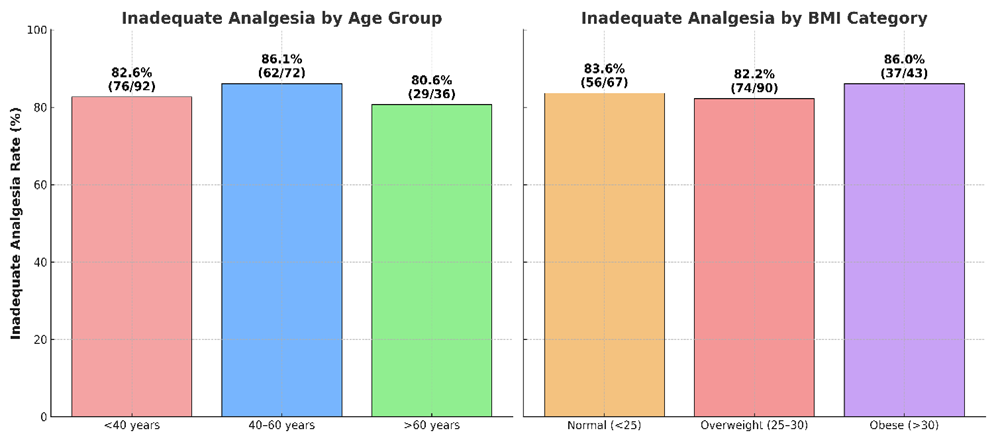
Figure 3: Risk Factors Analysis for Age and BMI
Interpretation: Neither age nor BMI significantly influenced early analgesic outcomes. The addition of tramadol was the only factor associated with reduced failure rates.
Table 3: Multivariable Logistic Regression Analysis of Predictors for Inadequate Early Analgesia (N=200)
|
Predictor Variable |
Adjusted Odds Ratio (aOR) |
95% Confidence Interval for aOR |
P value |
|
Tramadol Use (Yes) |
0.19 |
0.08, 0.45 |
< .001 |
|
Age (per year increase) |
1.01 |
0.98, 1.03 |
.623 |
|
BMI (per kg/m² increase) |
1.03 |
0.94, 1.13 |
.489 |
|
ASA Class |
|||
|
II (vs. I) |
1.25 |
0.52, 3.00 |
.615 |
|
III (vs. I) |
1.41 |
0.47, 4.24 |
.539 |
|
Extensive Axillary Dissection (Yes) |
1.52 |
0.69, 3.34 |
.297 |
|
Surgery Duration (per min increase) |
1.00 |
0.99, 1.01 |
.855 |
|
Intraoperative Opioid Dose (per mg OME) |
1.07 |
0.91, 1.26 |
.402 |
|
Total Local Anesthetic Dose (per mg) |
1.00 |
0.99, 1.01 |
.742 |
|
Number of Needle Passes |
1.12 |
0.83, 1.51 |
.461 |
|
Adequate Ultrasound Spread (Yes) |
0.72 |
0.29, 1.76 |
.468 |
Note: The dependent variable is the occurrence of inadequate early analgesia (NRS ≥6 or rescue opioid within 120 min). The model was built using enter method logistic regression. aOR = Adjusted Odds Ratio; OME = Oral Morphine Equivalents. Statistically significant predictor (p < .05) is highlighted in bold.
DISCUSSION :
This prospective cohort evaluated predictors of inadequate early analgesia after modified pectoral nerves block type II in modified radical mastectomy. Early failure was common, occurring in 83.5% overall and in 92.7% of patients who received local anesthetic without tramadol. This rate is higher than the 20% to 40% failure range reported in some studies [21,22],
which may reflect the strict composite outcome used here, where either a numeric rating scale score of 6 or higher or any rescue opioid within 120 minutes counted as failure. Even with that strict definition, tramadol addition was associated with fewer failures and lower early pain scores than block without tramadol.
Prior literature supports the analgesic benefit of modified pectoral nerves block type II while also describing incomplete early pain control in a proportion of patients [19,20]. The failure frequency observed in this cohort underlines the need to optimize technique and consider adjuvants when early postoperative pain is expected to be high.
Tramadol showed a clinically meaningful effect in this study. Mechanistic work suggests tramadol may enhance block analgesia through sodium channel effects, monoaminergic modulation, and central opioid activity [23,24]. Clinical studies also report longer analgesia and improved postoperative pain control when tramadol is combined with local anesthetics [25,26]. Although dexamethasone and clonidine have stronger evidence bases in many settings [27,28], tramadol may be a practical option in resource constrained hospitals because it is commonly available and has an acceptable safety profile in perioperative dosing [25,29].
This comprehensive risk factor analysis, detailed in Table 3, identified the absence of tramadol as the sole independent and significant predictor of inadequate early analgesia after adjusting for potential confounders. Demographic and surgical variables such as age, BMI, and surgery duration showed no significant associations in the multivariable model. This finding aligns with prior studies indicating that technical and pharmacologic factors are stronger determinants of postoperative pain outcomes than baseline demographics [30,31]. Similar observations have been made in breast surgery cohorts, where surgical extent and block performance quality were stronger predictors than patient characteristics [32,18].
Strengths of the present study include the prospective design, use of consecutive recruitment, and conduct in a tertiary care hospital setting. Pain was assessed using a validated Numeric Rating Scale at standardized time points by blinded observers, minimizing bias and enhancing the reliability of outcomes.
Nonetheless, limitations should be considered. The study was observational rather than randomized, and therefore residual confounding cannot be ruled out despite multivariate adjustment. Follow-up was limited to the immediate postoperative period; chronic post-mastectomy pain and long-term outcomes were not assessed [33]. Only a single fixed dose of tramadol was used, so potential dose–response effects could not be evaluated [34]. Generalizability may also be restricted to similar patient populations and resource-limited healthcare environments.
CONCLUSION :
The addition of tramadol to the modified PECS II block reduced the incidence of inadequate early analgesia and improved postoperative pain control in patients undergoing modified radical mastectomy. The absence of tramadol was the most important predictor of analgesic failure, while patient factors such as age and BMI were not significant contributors. These findings highlight tramadol as a practical and effective adjuvant, particularly in settings where other agents may be less accessible. Further randomized studies with larger sample sizes and longer follow-up are required to confirm these results and to determine their impact on long-term postoperative pain outcomes.
BIBLIOGRAPHY:
1. Sun Q, Liu S, Wu H, Kang W, Dong S, Cui Y, Pan Z, Liu K. Clinical analgesic efficacy of pectoral nerve block in patients undergoing breast cancer surgery: a systematic review and meta-analysis. Medicine. 2020 Apr 1;99(14):e19614.
2. Uribe AA, Weaver TE, Echeverria-Villalobos M, Periel L, Pasek J, Fiorda-Diaz J, Palettas M, Skoracki RJ, Poteet SJ, Heard JA. Efficacy of PECS block in addition to multimodal analgesia for postoperative pain management in patients undergoing outpatient elective breast surgery: A retrospective study. Front Med (Lausanne). 2022 Aug 15;9:975080.
3. Cylwik J, Celińska-Spodar M, Buda N. Evaluation of the efficacy of pectoral nerve-2 block (PECS 2) in breast cancer surgery. J Pers Med. 2023 Sep 24;13(10):1430.
4. Jindal R, Meena S, Bhati S, Gupta M, Pathak R. Postoperative analgesic efficacy of intraoperative PECS II block for modified radical mastectomy: a double-blind randomized controlled trial. Indian J Surg Oncol. 2023;14(1):215-221.
5. Alshawadfy A, Al-Touny SA. Comparing the quality of analgesia with ultrasound-guided pectoral nerve block and serratus anterior plane block in modified radical mastectomy: a randomized clinical trial. Anaesthesiol Intensive Ther. 2023;55(1):52-59.
6. Malachauskiené L, Bhavsar RP, Waldemar J, Strøm T. Effect of interpectoral-pectoserratus plane (PECS II) block on recovery room discharge time in breast cancer surgery. Medicina. 2023 Dec 25;60(1):41.
7. Ilala ET, Adejumo O, Olapade-Olaopa E, Olugasa B, Ajogwu A, et al. Evidence-based guideline on the prevention and management of perioperative pain in breast cancer surgery, particularly in low-resource settings. Anesthesiol Res Pract. 2023;2023:5668399.
8. Tadesse H, Ilala TE, Getnet W, et al. The role of adjuvants in regional anesthesia: comparative effectiveness of dexamethasone and tramadol. Front Anesthesiol. 2024;3:1423919.
9. Nayak PP, Ramchandani S, Ramchandani R, Dey CK, Dubey R, Vijapurkar S, Dey C. Comparison of Analgesic Efficacy of Ultrasound Guided PEC II Block Using Dexamethasone as an Adjuvant to Ropivacaine Versus Plain Ropivacaine in Patients Undergoing Modified Radical Mastectomy: A Double-Blind, Randomized Controlled Trial. Cureus. 2024 Apr 14;16(4).
10. Chin KJ, Lirk P, Hollmann MW, Schwarz SK. Mechanisms of action of fascial plane blocks: a narrative review. Reg Anesth Pain Med. 2021;46(7):618-628.
11. Kim SY, Avila J, Lee J, Lee T, Macres S, Applegate RL, et al. Impact of preoperative pectoralis plane nerve blocks for mastectomy on perioperative opioid consumption: a retrospective study. Pain Manag. 2020;10(3):159-165.
12. Ardon AE, George JE, Gupta K, O’Rourke MJ, Seering MS, Tokita HK, et al. The use of pectoralis blocks in breast surgery: a practice advisory and narrative review from the Society for Ambulatory Anesthesia (SAMBA). Annals of surgical oncology. 2022 Aug 1;29(8):4777-86.
13. Syal K, Chandel A. Comparison of the post-operative analgesic effect of paravertebral block, pectoral nerve block and local infiltration in patients undergoing modified radical mastectomy: a randomised double-blind trial. Indian J Anaesth. 2017;61(8):643-648.
14. Riley RD, Ensor J, Snell KIE, Harrell FE Jr, Moons KGM, Collins GS, et al. Calculating the sample size required for developing a clinical prediction model. BMJ. 2020;368:m441.
15. Jacobs A, Lemoine A, Joshi GP, Van de Velde M, Bonnet F; PROSPECT Working Group collaborators. PROSPECT guideline for oncological breast surgery: a systematic review and procedure-specific postoperative pain management recommendations. Anaesthesia. 2020;75(5):664-673.
16. Ghali KB, AlKharraz N, Almisnid O, Alqarni A, Alyamani OA. The pectoral (PECS) regional block: a scoping review. Cureus. 2023;15(10):e46594.
17. Nugent SM, Lovejoy TI, Shull S, Dobscha SK, Morasco BJ. Associations of pain numeric rating scale scores collected during usual care with research administered patient reported pain outcomes. Pain Medicine. 2021 Oct 1;22(10):2235-41.
18. Boney O, Moonesinghe SR, Myles PS, Grocott MPW; StEP-COMPAC Group. Core Outcome Measures for Perioperative and Anaesthetic Care (COMPAC): a modified Delphi process to develop a core outcome set. Br J Anaesth. 2022;128(1):174-185.
19. Xuan C, Wang X, Peng N, et al. The postoperative analgesic efficacy of different regional anesthesia techniques for breast cancer surgery: a network meta-analysis. Front Oncol. 2023;13:1083000.
20. Zhang X, Jia Y, Chou C, Duan X. Comparative evaluation of PECS II versus RISS block for postoperative analgesia in breast cancer surgery: a randomized controlled trial. Am J Transl Res. 2025;17(5):3971.
21. Yu J, Qi Y, Shen Y, Wang D, Xiao J, Chen Q, et al. Effects of rhomboid intercostal nerve, serratus anterior plane, and paravertebral block on the quality of recovery after breast cancer surgery: a randomized controlled clinical trial. BMC Anesthesiol. 2025;25(1):184.
22. Sanghvi AP, Klumb I, Kanani C, Karmarkar A, Kazior M. Efficacy of pectoralis nerve blocks I and II with liposomal bupivacaine in patients undergoing elective breast reduction procedures: a retrospective study. JPRAS Open. 2025;43:393-401.
23. Mendonça FT, Junior AD, Nogueira H, Roncolato H, Goveia CS. Efficacy of type I and type II pectoral nerve blocks (PECS I and II) in patients undergoing mastectomy: a prospective randomised clinical trial. Anaesthesiol Intensive Ther. 2022;54(4):302-309.
24. Riad MK, El Moneim Fouly MA, Awad Taeimah MO, Ahmed Ahmed AM. Comparative study between pectoral nerve block type II and serratus anterior plane block in postoperative analgesic efficacy in modified radical mastectomy. QJM. 2024;117(Suppl 1):hcae070-093.
25. Soliman A, Moawad SB, Abdelmoneim NM, Mohamed AA, Ragab AS, Wadid MW. Analgesic effect of adding modified pectoral nerve block to serratus anterior plane block in modified radical mastectomy: randomized double-blinded trial. Egypt J Anaesth. 2024;40(1):365-372. doi:10.1080/11101849.2024.2359746.
26. Xuan C, Yan W, Wang D, Li C, Ma H, Mueller A, Wang J. REsidual Neuromuscular Block Prediction Score Versus Train-of-Four Ratio and Respiratory Outcomes: A Retrospective Cohort Study. Anesth Analg. 2021 Sep 1;133(3):620-9.
27. Liu W, Guo J, Zheng J, Zheng B, Ruan X; ADRIB Investigator Group. Low-dose dexmedetomidine as a perineural adjuvant for postoperative analgesia: a randomized controlled trial. BMC Anesthesiol. 2022;22(1):249.
28. Tadesse H, Sintayhu A, Dendir G, Tila M, Habtu E, Alemu A, et al. The role of adjuvants in regional anesthesia: the postoperative analgesic effectiveness of dexamethasone vs tramadol given as adjuvants to bupivacaine for ultrasound-guided supraclavicular block for upper extremity surgery: a prospective cohort study. Front Anesthesiol. 2024;3:1423919.
29. Prasad GK, Khanna S, Jaishree SV. Review of adjuvants to local anesthetics in peripheral nerve blocks: current and future trends. Saudi J Anaesth. 2020;14(1):77-84.
30. Ghadimi DJ, Looha MA, Akbari ME, Akbari A. Predictors of postoperative pain six months after breast surgery. Sci Rep. 2023;13(1):8302.
31. Suo S, Liu R, Yu X, Wang J, Wang M, Zhang Y, et al. Incidence and risk factors of pain following breast cancer surgery: a retrospective national inpatient sample database study. BMC Womens Health. 2024;24(1):583.
32. Van Lishout V, Rex S, Fieuws S, Han S, Teunkens A. Chronic pain after major breast surgery: a retrospective cohort study. Eur J Anaesthesiol. 2025;42:10-97.
33. Jacobs A, Lemoine A, Joshi GP, Van de Velde M, Bonnet F, et al. PROSPECT guideline for oncological breast surgery: a systematic review and procedure-specific postoperative pain management recommendations. Anaesthesia. 2020;75(5):664-673.
34. Kurdi MS, Theerth KA, Deva RS. Recent advancements in regional anaesthesia. Indian J Anaesth. 2023;67(3):193-205.