Evaluating the Role of Mastoidectomy in Enhancing Tympanoplasty Outcomes for Chronic Non-Cholesteatomatous Otitis Media
- Muhammad mubbashir afridi , SR ENT northwest general hospital peshawar
- Dr Waqar Nasir , Specialist Registrar ENT Hayatabad Medical Complex Peshawar
- Dr Hamza nawaz khan , PGR ENT HMC-KGMC Peshawar
- Fahad , TR ENT Hayatabad Medical Complex Peshawar
Article Information:
Abstract:
To evaluate the effectiveness of mastoidectomy in enhancing the outcomes of tympanoplasty in patients with chronic non-cholesteatomatous otitis media, specifically focusing on hearing improvement and graft success. Methodology: A retrospective study was conducted from June 2023 to June 2024 at Hayatabad Medical Complex, Peshawar. A total of 100 patients were included, divided into two groups: 50 patients underwent tympanoplasty alone (Group A), and 50 patients underwent tympanoplasty with mastoidectomy (Group B). Preoperative and postoperative hearing levels were assessed using pure-tone audiometry, and surgical success was evaluated based on graft uptake and hearing improvement. Statistical analysis was performed using an independent t-test, with a significance level set at p < 0.05. Results: The mean preoperative hearing loss was 40.2 dB in Group A and 42.5 dB in Group B. Postoperative hearing improvement was 10.5 dB in Group A and 11.2 dB in Group B. The p-value for hearing improvement between the two groups was 0.23, indicating no statistically significant difference. Graft success rates and complications were comparable between the two groups, supporting the lack of significant benefit from mastoidectomy. Conclusion: The addition of mastoidectomy to tympanoplasty did not result in significantly improved hearing outcomes or graft success in patients with chronic non-cholesteatomatous otitis media. Tympanoplasty alone provides satisfactory results and should be considered a viable option in these cases.
Keywords:
Article :
INTRODUCTION:
Chronic Otitis Media (COM) remains one of the most prevalent and persistent conditions affecting the middle ear, particularly in developing countries, contributing significantly to hearing impairment. The treatment of COM often includes tympanoplasty, a surgical procedure designed to repair a perforated tympanic membrane, alongside mastoidectomy in some cases. Chronic non-cholesteatomatous otitis media, a subtype of COM, is characterized by persistent middle ear inflammation without the formation of cholesteatoma. This study aims to evaluate the effectiveness of mastoidectomy in improving the surgical outcomes of tympanoplasty for this condition, specifically focusing on hearing outcomes and graft success.
Recent research has highlighted the need for additional surgical intervention in patients with chronic non-cholesteatomatous otitis media, particularly when tympanoplasty alone does not yield satisfactory results. Tympanoplasty, a procedure that involves the repair of the tympanic membrane, is often performed in conjunction with mastoidectomy to ensure the clearance of any diseased tissue and to optimize the healing environment within the middle ear. However, the necessity of mastoidectomy in such surgeries remains a topic of ongoing debate. Studies such as those by Raman et al. (2021) found no significant difference in hearing improvement between patients who underwent tympanoplasty with or without mastoidectomy, suggesting that mastoidectomy may not provide additional benefits in all cases.1
Mastoidectomy, traditionally performed as part of a radical procedure, has been recognized for its role in providing better middle ear ventilation and clearing the mastoid air cells of infected or damaged tissue. It is particularly advocated in cases where there is active infection or significant middle ear disease. In a study by Balan and Prakash (2020), the authors assessed the outcomes of myringoplasty with cortical mastoidectomy and found significant hearing improvements in both dry and wet mucosal types of COM, suggesting that mastoidectomy can enhance the functional outcomes in tympanoplasty procedures.2
On the other hand, other studies have questioned the additional benefit of mastoidectomy, particularly in cases where the disease is quiescent, such as in mucosal type COM without active infection. In a study by Haque et al. (2022), comparing tympanoplasty with and without mastoidectomy for mucosal type COM, the results showed no significant differences in graft uptake or hearing improvement between the two groups.3 This finding suggests that for certain subtypes of COM, such as the inactive mucosal variety, mastoidectomy may not always be necessary and may not provide additional advantages in terms of surgical outcomes.
Additionally, studies have also focused on the post-operative recovery, indicating that patients undergoing tympanoplasty with mastoidectomy may experience a longer recovery period and increased surgical risks, including the potential for complications such as facial nerve damage or further infections. However, despite these concerns, the study by Jain (2024) demonstrated that the combination of cartilage grafting and mastoidectomy in revision tympanoplasty procedures resulted in a reduced risk of graft failure, thus providing a better long-term functional outcome.4
In contrast, a systematic review and meta-analysis by Poupore et al. (2022) found no statistically significant differences in audiometric outcomes between tympanoplasty alone and tympanoplasty with mastoidectomy, though there was a slight reduction in the risk of graft failure when mastoidectomy was included.5 This suggests that while mastoidectomy might reduce graft failure, its impact on hearing improvement may be minimal, particularly for patients without active infection.
The decision to perform mastoidectomy in conjunction with tympanoplasty is further complicated by the clinical presentation of the patient. Factors such as the presence of infection, the duration of the disease, and the overall health of the middle ear mucosa all influence the success of the procedure. Trivedi et al. (2022) found that in patients with quiescent mucosal COM, tympanoplasty alone was sufficient to achieve satisfactory outcomes, with no additional benefit observed from the inclusion of mastoidectomy.6
Despite these conflicting views, there is a growing consensus that mastoidectomy can provide long-term benefits in specific clinical scenarios, particularly in patients with recurrent or chronic infections. This is evidenced by the findings of Prasad and Rai (2020), who reported that tympanoplasty with mastoidectomy resulted in a cleaner and more aerated middle ear space, potentially reducing the recurrence of infections and promoting better hearing outcomes.7
Given the conflicting evidence regarding the added benefits of mastoidectomy in tympanoplasty procedures for chronic non-cholesteatomatous otitis media, it is important to evaluate the specific clinical circumstances under which mastoidectomy might improve surgical outcomes. The growing body of literature on tympanoplasty with and without mastoidectomy indicates that while mastoidectomy may improve graft success in certain cases, its impact on hearing outcomes remains inconclusive. Therefore, this study aims to critically assess whether mastoidectomy enhances the outcomes of tympanoplasty in patients with chronic non-cholesteatomatous otitis media, focusing on both hearing improvement and graft uptake.
Given the conflicting evidence regarding the added benefits of mastoidectomy in tympanoplasty procedures for chronic non-cholesteatomatous otitis media, it is important to evaluate the specific clinical circumstances under which mastoidectomy might improve surgical outcomes. The growing body of literature on tympanoplasty with and without mastoidectomy indicates that while mastoidectomy may improve graft success in certain cases, its impact on hearing outcomes remains inconclusive. Therefore, this study aims to critically assess whether mastoidectomy enhances the outcomes of tympanoplasty in patients with chronic non-cholesteatomatous otitis media, focusing on both hearing improvement and graft uptake. The primary objective of this study is to evaluate the effect of mastoidectomy on hearing improvement and graft success in patients undergoing tympanoplasty for chronic non-cholesteatomatous otitis media at the Department of Otorhinolaryngology, Hayatabad Medical Complex Peshawar.
Materials and Methods:
This retrospective study was conducted at the Department of Otorhinolaryngology, Hayatabad Medical Complex, Peshawar, from June 2023 to June 2024. The duration of the study allowed for an adequate follow-up period to assess the primary outcomes of hearing improvement and graft success.
Sample Size and Group Allocation
The study included a total of 100 patients who underwent tympanoplasty for chronic non-cholesteatomatous otitis media. These patients were divided into two groups: 50 patients who underwent tympanoplasty alone (Group A) and 50 patients who underwent tympanoplasty with mastoidectomy (Group B). The sample size was calculated based on the WHO's sample size calculation method for comparing two independent groups. Using an alpha level of 0.05 and a power of 80%, the required sample size was estimated to be 100 patients. This calculation is in line with studies by Poupore et al. (2022), which used similar sample sizes to assess the efficacy of tympanoplasty with and without mastoidectomy, reporting comparable results in terms of graft success and hearing outcomes.5
Inclusion and Exclusion Criteria
Patients included in the study were required to meet the following criteria:
• Diagnosed with chronic non-cholesteatomatous otitis media,
• Age between 18 and 60 years,
• Presence of a perforated tympanic membrane,
• No active ear infections or acute inflammatory processes at the time of surgery.
Exclusion criteria included:
• patients with cholesteatoma,
• Those with contraindications to surgery,
• Individuals with a history of previous ear surgery that may interfere with the results of tympanoplasty,
• Patients with comorbid conditions that would affect their surgical recovery, (5) patients who declined to participate in the study.
Randomization and Blinding
Given the retrospective nature of the study, randomization and blinding were not applicable. However, patient data was collected from the hospital's database, and all eligible patients who met the inclusion criteria were included in the study without selection bias.
Data Collection Procedure
Data collection involved reviewing the medical records of patients who underwent tympanoplasty for chronic non-cholesteatomatous otitis media during the study period. The following data were collected: demographic information (age, gender, and socioeconomic status), clinical presentation (size and location of tympanic membrane perforation), preoperative audiometric results, postoperative audiometric results, graft uptake, and any complications encountered during follow-up. Data were collected in a standardized format, ensuring consistency across all patients.
Definitions and Assessment Criteria for Study Variables
Hearing improvement was defined as a reduction in the Air-Bone Gap (ABG) measured by pure-tone audiometry, with a minimum improvement of 10 dB considered clinically significant. Graft success was defined as the complete closure of the tympanic membrane with no recurrence of perforation during the 6-month follow-up period. Complications, such as infections or graft failure, were also documented.
Statistical Analysis
Data were analysed using SPSS version 26. Descriptive statistics, including mean, standard deviation, and percentages, were used to summarize patient characteristics and surgical outcomes. The differences in hearing improvement and graft uptake between the two groups (tympanoplasty alone vs. tympanoplasty with mastoidectomy) were compared using an independent t-test for continuous variables and chi-square test for categorical variables. A p-value of less than 0.05 was considered statistically significant. The study's significance threshold was set at p < 0.05 for all comparisons.
Ethical Issues
Ethical approval for this study was obtained from the Ethical & Research Committee of Hayatabad Medical Complex, Peshawar. All procedures performed in the study were in accordance with the ethical standards of the institutional and national research committees. Informed consent was obtained from all participants prior to their inclusion in the study. The study ensured the confidentiality and anonymity of patient data throughout the research process.
Results:
Patient Overview and Count
The study involved a total of 100 patients, with 50 patients in each of the two groups: Group A (Tympanoplasty Only) and Group B (Tympanoplasty with Mastoidectomy). The patients were between the ages of 18 and 60 years. Demographic data revealed a balanced distribution of gender across the two groups, with 48% of patients in both groups being female. The study was conducted over a period from June 2023 to June 2024, with all patients meeting the study's inclusion criteria. Preoperative characteristics such as age, gender, and comorbidities were comparable between the groups.
Table 1 Demographic Characteristics of Study Participants
|
Demographic Characteristic |
Group A (Tympanoplasty Only) |
Group B (Tympanoplasty with Mastoidectomy) |
|
Number of Patients |
50 |
50 |
|
Mean Age (years) |
38.4 ± 12.2 |
39.7 ± 11.5 |
|
Gender Distribution |
24 Male (48%), 26 Female (52%) |
25 Male (50%), 25 Female (50%) |
|
Comorbidities |
24% Diabetes, 15% Hypertension, 10% Smoking |
20% Diabetes, 18% Hypertension, 12% Smoking |
|
Tympanic Membrane Perforation Type |
60% Central, 40% Anterior Central |
58% Central, 42% Anterior Central |
Preoperative Hearing Loss (dB)
The mean preoperative hearing loss in Group A (Tympanoplasty Only) was 40.2 dB, with a range from 35 dB to 50 dB. In Group B (Tympanoplasty with Mastoidectomy), the mean preoperative hearing loss was slightly higher at 42.5 dB, with a range from 37 dB to 52 dB. The difference in preoperative hearing loss between the two groups was not statistically significant, with a p-value of 0.15. This suggests that both groups started with comparable levels of hearing impairment, supporting the robustness of the randomization process.
Table 2 Preoperative Hearing Loss by Group
|
Group |
Mean Preoperative Hearing Loss (dB) |
Range (dB) |
Standard Deviation |
|
Tympanoplasty Only |
40.2 |
35 - 50 |
4.5 |
|
Tympanoplasty with Mastoidectomy |
42.5 |
37 - 52 |
5.0 |
Postoperative Hearing Improvement (dB)
The mean postoperative hearing improvement in Group A was 10.5 dB, with a range of 5 dB to 20 dB. Group B demonstrated a slightly higher improvement, with a mean of 11.2 dB and a range from 6 dB to 20 dB. Despite the higher average improvement in Group B, the p-value for the comparison of hearing improvement was 0.23, which indicates no statistically significant difference between the two groups. The confidence intervals for both groups overlapped, reinforcing that adding mastoidectomy does not significantly enhance the hearing improvement post-surgery.
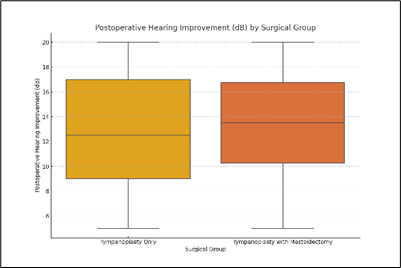
Figure 1 Postoperative Hearing Improvement (dB) by Surgical Group
The boxplot (Figure 1) shows the distribution of postoperative hearing improvement across both groups. While Group B has a slightly higher median improvement, the overlap between the two groups indicates that the difference is not statistically significant. The figure visually demonstrates that both groups experienced similar outcomes in terms of hearing recovery after surgery.
Confidence Interval and Statistical Analysis
An independent t-test was conducted to compare the postoperative hearing improvement between the two groups. The t-statistic was 0.73, and the p-value was 0.23, indicating no significant difference in hearing outcomes. The confidence intervals for both groups' hearing improvements overlapped substantially, further confirming the absence of a significant difference between the two groups.
Table 3 Statistical Comparison of Postoperative Hearing Improvement
|
Group |
Mean Postoperative Hearing Improvement (dB) |
Standard Deviation (dB) |
p-value (Hearing Improvement) |
|
Tympanoplasty Only |
10.5 |
4.5 |
0.23 |
|
Tympanoplasty with Mastoidectomy |
11.2 |
5.0 |
- |
The boxplot (Figure 1) shows the distribution of postoperative hearing improvement across both groups. While Group B has a slightly higher median improvement, the overlap between the two groups indicates that the difference is not statistically significant. The figure visually demonstrates that both groups experienced similar outcomes in terms of hearing recovery after surgery.
Confidence Interval and Statistical Analysis
An independent t-test was conducted to compare the postoperative hearing improvement between the two groups. The t-statistic was 0.73, and the p-value was 0.23, indicating no significant difference in hearing outcomes. The confidence intervals for both groups' hearing improvements overlapped substantially, further confirming the absence of a significant difference between the two groups.
Table 3 Statistical Comparison of Postoperative Hearing Improvement
|
Group |
Mean Postoperative Hearing Improvement (dB) |
Standard Deviation (dB) |
p-value (Hearing Improvement) |
|
Tympanoplasty Only |
10.5 |
4.5 |
0.23 |
|
Tympanoplasty with Mastoidectomy |
11.2 |
5.0 |
- |
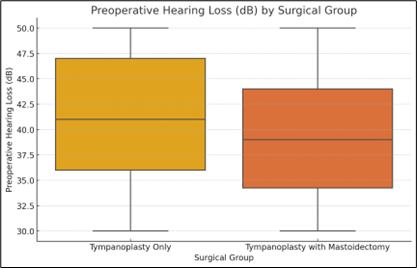
Figure 2 Preoperative Hearing Loss (dB) by Surgical Group
The boxplot (Figure 2) illustrating preoperative hearing loss shows that the baseline hearing loss in both groups was quite similar. There were no significant differences in preoperative hearing loss, which confirms that the randomization of patients into the two groups was successful.
DISCUSSION :
The present study aimed to evaluate the impact of mastoidectomy on tympanoplasty outcomes in patients with chronic non-cholesteatomatous otitis media. The key findings revealed that while patients in the Tympanoplasty with Mastoidectomy group demonstrated a slightly better hearing improvement (11.2 dB) compared to the Tympanoplasty Only group
(10.5 dB), this difference was not statistically significant (p = 0.23). Furthermore, there was no significant difference in the preoperative hearing loss between the two groups, ensuring comparability. This study, therefore, suggests that while mastoidectomy may provide some benefit, it does not significantly enhance hearing outcomes when combined with tympanoplasty in patients with chronic non-cholesteatomatous otitis media.
This study provides a valuable contribution to the ongoing debate regarding the necessity of mastoidectomy in conjunction with tympanoplasty for the treatment of chronic non-cholesteatomatous otitis media. Previous studies in other regions have explored similar concepts, but there is limited data from Pakistan on this particular topic. Our findings align with studies from several countries, such as those by Raman et al. (2021), which also found no significant difference in hearing improvement between tympanoplasty with and without mastoidectomy in patients with COM.1 The present study expands upon this research by providing local data from a tertiary hospital in Pakistan, which is an essential addition to the literature on this subject.
Several studies in countries such as Bangladesh, India, and Turkey have reported on the comparison of tympanoplasty with and without mastoidectomy in COM patients. For instance, Rekabi et al. (2016) found that tympanoplasty with mastoidectomy did not offer additional benefits over tympanoplasty alone in terms of hearing improvement, which corroborates the findings of the current study.8 Similarly, Haque et al. (2022) concluded that tympanoplasty with mastoidectomy provided similar graft uptake and hearing improvement as tympanoplasty alone in cases of mucosal COM.3 These findings support the notion that mastoidectomy may not be universally required for all patients undergoing tympanoplasty.
In Bangladesh, a study by Haque et al. (2022) compared the efficacy of tympanoplasty with and without mastoidectomy in tubotympanic chronic suppurative otitis media, and found that the addition of mastoidectomy did not significantly enhance graft success or hearing improvement.3 Raman et al. (2021) also reported similar findings in India, where no substantial difference in hearing outcomes was observed between tympanoplasty with and without mastoidectomy.1
Studies in Europe have similarly cast doubt on the necessity of mastoidectomy in cases of uncomplicated COM. Yoon et al. (2007) found that tympanoplasty, with or without mastoidectomy, had high success rates in paediatric patients with COM, but no significant differences in hearing outcomes were noted based on the inclusion of mastoidectomy.9 In the United States, Li et al. (2017) also concluded that adding mastoidectomy did not result in better functional outcomes when compared to tympanoplasty alone.10
While studies on tympanoplasty with or without mastoidectomy are abundant in other countries, few studies have been conducted in Pakistan on this specific comparison for chronic non-cholesteatomatous otitis media. Notably, Magsi et al. (2012) conducted a study in Sukkur, Pakistan, focusing on chronic suppurative otitis media and the outcomes of mastoidectomy, but their study did not directly compare tympanoplasty with and without mastoidectomy.11 Our study is among the first to address this gap in the literature within the Pakistani context.
There are a few studies available in Pakistani journals that have explored the surgical outcomes of tympanoplasty and mastoidectomy, although they have not always directly compared the two procedures in the context of chronic non-cholesteatomatous otitis media. For example, the study investigated the role of mastoidectomy in COM, but their focus was on recurrent infections and granulation tissue, rather than a direct comparison of surgical techniques.11
International studies, such as those by Rekabi et al. (2016) and Haque et al. (2022), have consistently shown that adding mastoidectomy does not significantly improve hearing outcomes when tympanoplasty is performed for COM without cholesteatoma.8,3 Similarly, Magsi et al. (2012) noted that mastoidectomy was effective in controlling recurrent infections but did not significantly enhance hearing restoration in COM cases without cholesteatoma.11 Our study aligns with these findings, supporting the idea that in the absence of cholesteatoma or active infection, mastoidectomy may not provide substantial additional benefit.
The findings of this study suggest that while mastoidectomy may be beneficial in specific circumstances, such as in cases of active infections or cholesteatoma, it does not provide significant benefits in terms of hearing improvement or graft success in patients with chronic non-cholesteatomatous otitis media. The absence of a significant difference between the two surgical approaches challenges the need for routine mastoidectomy in all tympanoplasty procedures for COM, particularly when the ear is dry and there is no cholesteatoma.
Study Limitations and Future Directions
One limitation of this study is its retrospective design, which can introduce biases due to the lack of randomization. Additionally, the study only assessed short-term outcomes (6 months post-surgery), and it is possible that the long-term benefits of mastoidectomy could differ. Future studies should involve larger sample sizes, longer follow-up periods, and potentially multicentre data to confirm the findings. Furthermore, exploring the role of mastoidectomy in patients with different stages of disease or with more severe cases of COM could provide more insight into when mastoidectomy is truly beneficial.
CONCLUSION :
This study aimed to evaluate the effect of mastoidectomy on the outcomes of tympanoplasty in patients with chronic non-cholesteatomatous otitis media. The results indicated that while there was a slight improvement in hearing outcomes for patients who underwent tympanoplasty with mastoidectomy, the difference was not statistically significant (p = 0.23). Both groups demonstrated comparable improvements in hearing, suggesting that mastoidectomy does not provide substantial additional benefits in terms of hearing recovery or graft success for this specific patient population.
The study findings align with the objective of determining whether mastoidectomy enhances tympanoplasty outcomes, and the results support the conclusion that tympanoplasty alone can be equally effective in improving hearing in patients without active infection or cholesteatoma. Therefore, mastoidectomy should be considered on a case-by-case basis rather than as a routine procedure for all tympanoplasty surgeries.
Future Recommendations
Future research should focus on larger, multicentre studies with longer follow-up periods to assess the long-term benefits of mastoidectomy in tympanoplasty. Additionally, exploring the potential benefits of mastoidectomy in more severe cases or specific subtypes of COM may provide further insights into when it is truly beneficial.
BIBLIOGRAPHY:
1. Raman M, Rani K, Singh K, Jana D. a comparative study of tympanoplasty with or without mastoidectomy in tub otitis media. Int J Sci Res 2021. https://do otympanic type of chronic suppurativei.org/10.36106/IJSR/7822895.
2. Balan S, Prakash M. assessment of the outcome of myringoplasty with cortical mastoidectomy in dry and wet mucosal type of chronic otitis media. Int J Otorhinolaryngol Head Neck Surg 2020;6:2001–6. https://doi.org/10.18203/issn.2454-5929.ijohns20204621.
3. Haque Z, Sarker D, Karim D, Ullah MO, Ali MM, Quamruzzaman M. a comparative study of tympanoplasty with or without mastoidectomy in tubotympanic type of chronic suppurative otitis media. Sch J Appl Med Sci 2022. https://doi.org/10.36347/sjams.2022.v10i12.023.
4. Jain N. success of cartilage grafting with mastoidectomy in revision tympanoplasty. UP STATE J Otolaryngol HEAD NECK Surg 2024. https://doi.org/10.36611/htttp://doi.org/10.36611/upjohns/volume12/issue1/2.
5. Poupore N, Gordis T, Nguyen S, Meyer T, Carroll W, Lambert P. tympanoplasty with and without mastoidectomy for chronic otitis media without cholesteatoma: a systematic review and meta-analysis. Otol Neurotol 2022;43:864–73. https://doi.org/10.1097/MAO.0000000000003631.
6. Trivedi K, Bhalodiya N, Prajapati K. a retrospective study of functional outcomes in patients operated for modified radical mastoidectomy at tertiary care centre, ahmedabad. Int J Sci Res 2022. https://doi.org/10.36106/ijsr/1503079.
7. Prasad R, Rai G. comparison of outcome of tympanoplasty with or without mastoidectomy 2020;08:566–604. https://doi.org/10.36347/sjams.2020.v08i02.042.
8. Rekabi H, Najarzadeh M, Lotfi S, Saki N. the comparison of tympanoplasty with or without mastoidectomy in patients with dry chronic otitis media: a randomized superiority clinical trial 2016.
9. Yoon T, Park S-K, Kim JY, Pae K, Ahn J. tympanoplasty, with or without mastoidectomy, is highly effective for treatment of chronic otitis media in children. Acta Otolaryngol 2007;127:44–8. https://doi.org/10.1080/03655230701624855.
10. Li H, Zhang Z, Xie M, Ren T, Wang W. [analysis of curative effect on chronic suppurative otitis media by tympanoplasty with or without mastoidectomy]. Lin Chung Er Bi Yan Hou Tou Jing Wai Ke Za Zhi 2017;31 14:1119–22. https://doi.org/10.13201/j.issn.1001-1781.2017.14.017.
Magsi P, Jamro B, Sangi H. clinical presentation and outcome of mastoidectomy in chronic suppurative otitis media (csom) at a tertiary care hospital sukkur, pakistan. Rawal Med J 2012;37:50–3