Peroneus longus tendon autograft with suture tap augmentation; a viable option for ACL reconstruction.
- Dr Javed Iqbal , Assistant Professor, Department of Orthopaedic, Traumatology and sports medicine, MTI.LRH Peshawar.
- Dr Alamgir Khan , Assistant Professor, Department of Orthopedic, Traumatology and sports medicine, MTI.LRH Peshawar.
- Dr Baqir Hussain , Assistant Professor, Department of Orthopedic, Traumatology and sports medicine, MTI.LRH Peshawar.
- Dr Naeem Ullah , Assistant Professor, Department of Orthopaedic, Traumatology and sports medicine, MTI.LRH Peshawar.
- Dr Yousaf Gul , Associate Professor, Department of Orthopaedic, Dera Ismael Khan.
Article Information:
Abstract:
Background: Arthroscopic Anterior Cruciate Ligament (ACL) reconstruction surgery is a common orthopedic surgery designed to reconstruct the knee joint ligament that has been caused by anterior cruciate ligament tear. There are some limited options of autograft as here is no allograft option in this part of the world. Among the popular Autograft options, hamstring, bone patellar bone tendon, quadricep are common graft options and all has its merits and demerits. One of the autograft options is peroneus longus tendon and it has been identified most recently as a possible autograft source because of its excellent predictable length, diameter, and ease and quick harvest compared to another autograft. Internal brace augmentation provides the construct with additional stability and increases the diameter thus ensure graft protection from normal stresses during healing and rehabilitation phase, and so allows robust and quick recovery with stable knee.Objectives: Evaluation of functional and clinical results of ACL reconstruction done with Peroneus Longus autografts combined with suture tap augmentation in term of knee stability, time for rehabilitation, and complication rate including donor sit morbidity. Study design: A Comparative cross sectional study.Methods: Eighty consecutive patients were treated with arthroscopic ACL reconstruction using the Peroneus Longus tendon autograft, combined with internal brace support. Functional results were obtained by measuring the Lysholum Knee Score and Tegner activity Scale at six months and one year after surgery. Clinical assessments encompassed assessment of knee stability, return to pre-injury activity level and donor site morbidity. Data was analyzed using statistical method and statistical significance set at p < 0.05.Results: Out of 80 patients, 60 patients (75%) returned to pre-morbidity activity levels within 1 year. The mean Lysholum score of the 50 patients increased from 56.2 ± 10.1 preoperatively to 92.4 ± 7.8 at one year follow up (p < 0.001). Tegner scores of activity levels became even higher (p < 0.01) and no serious post-operative complications were reported. For knee stability tests the success was rated at 95% with the side-to-side difference measuring at 1.5 ± 0.3mm.Donor side ankle was assessed for any complication; one patient (1%) has some superficial infection and that recovered with antibiotics. In 2/two patients (3%), there was swelling at the harvest site, that was painful initially, but that got ok with physiotherapy, massage and medication. No ankle instability (0%) noted in any patient. Conclusion: This study shows that use of Peroneus Longus autograft in ACL reconstruction with internal brace augmentation is an effective treatment modality as there is improved functional and clinical outcomes, high patient satisfaction, fast post-operative recovery and low complication rate.
Keywords:
Article :
INTRODUCTION:
ACL injuries are one of the most common ligamentous injuries of the knee joint particularly in athletes and other physically active person. It is often caused by a pivot or twist movement, a direct blow during sports activities, road traffic accidents which results in high stress on the ACL muscle. ACL injury results in pain, knee instability and pivoting thus leads to meniscus tear, cartilage damage and so early osteoarthritis.[1]. Due to its essential function for knee stability, surgical intervention to reconstruct the ligament is suggested, especially for active young people with an intention to continue sports or other physically intensive activities. The gold standard technique to treat the torn ligament is arthroscopic reconstruction using autograft or allograft. In the part of the globe where allograft option is available, allograft can be used. But some part of the globe including Pakistan, there is no allograft option, so autograft is used to reconstruct the torn ligament. There are some common autograft options like hamstring autograft, bone patellar bone tendon autograft, quadricep tendon autograft. Still, all of these grafts have their pros and cons on their own as shown below. For example, PTG’s has increased donor site morbidity, such as anterior knee pain and patellar tendonitis, compared to HSG that may encounter graft laxity in the future [2]. Recently, the use of PLT as an autograft for ACL reconstruction has been advocated because of its biomechanical characteristics of the tendon and the minimal to no pain at the donor site. However, the Peroneus Longus tendon proved to be longer and stronger as compared to the other grafts which have heretofore been employed for ACL reconstruction [3]. Further, it saves the frequently utilized tendons in the knee region so as to minimize the incidence of adverse effects in the donor site and maintain balanced knee mechanics [4]. Other development in ACL reconstruction concerns internal brace augmentation, a process where the graft used to repair the ACL is fortified with a high-strength fiber tape before it is used because the fiber tap offers more support during the initial six weeks of the healing process, protect and support graft from trauma, allowing a robust rehabilitation program. This internal supports provide extra desirable layer of defense against graft failure and are especially important during the initial stage of the graft blogging when it is most vulnerable [5]. Peroneus Longus autograft and internal brace augmentation are other approaches that are used in an attempt to increase knee stability and provide protection to the graft during the rehabilitation period so as to return to activity as soon as is possible while at the same time giving good clinical results according to the literature. Some published research have shown internal brace augmentation can further the result of pure ACL reconstruction especially in the young, active population [6]. But still, available information regarding the results of the use of the Peroneus Longus autograft in connection with the internal brace augmentation is scarce. The objective of this paper is to quantify the level of stability, recovery, and complications in ACL reconstructed using the Peroneus Longus autograft with internal brace augmentation. In particular, the LKS, TAS, and stability tests will be used for comparing functional outcome in this investigation. Secondary endpoints are derived from postoperative adverse events, donor site pathology, and time to resume a baseline level of function[7,8]. The effectiveness of this technique is to be evaluated in this paper through outcome analysis of 80 patients who underwent this procedure in an effort to determine its safety as a approach to the traditional ACL reconstruction. Appreciating the clinical and functional feasibility of this technique may also be of service to operational clinical practice by providing an extra option to surgeons fixing ACL failures, to those customers who lead high activity lifestyles[9].
MATERIAL AND METHODS:
80 patients were included in this prospective cross section study conducted at Department of Orthopaedic, Traumatology and sports medicine, MTI.LRH Peshawar. from April 2021 to April 2024, involving patients undergoing arthroscopic ACL reconstruction using Peroneus Longus autograft with internal brace support,. All surgeries and manipulations were done by a single experienced orthopedic surgeon. All patients of 18-45 years with an ACL injury were included and admitted through OPD by consecutive sampling technique. Patient with ACL tear with or without meniscus tear were included. All patients were then optimized for anesthesia and surgery, and all relevant investigation were done including blood investigations and MRI knee joint. Contraindications to the use of the procedure were previous surgery to the knee, combined ligament injuries and severe cases of osteoarthritis of the knee, wound at lateral aspect of ankle, and infection. All the patients were then operated by a single surgeon. Procedure was performed in a standard protocol, diagnostic arthroscopy, followed by meniscus repair if that was present. Peroneus longus graft was harvested from the ipsilateral limb,(Figure1), that was then prepared in standard fashion making it double strand graft,(figure2) and fiber tap was added as an internal brace. the graft was then passed into the knee and fixed on femoral side by endo-button and on tibial side by bioabsorbable screw. (Figure3,4) The patients were followed up at three month, six months and one year after the surgery had been conducted. The functional results were evaluated by the Lysholm Knee Score and Tegner Activity Scale before operation,3 months 6 months, and 1 year postoperatively. Other clinical assessments included ankle donor site morbidity, ankle and knee range of motion measurements.
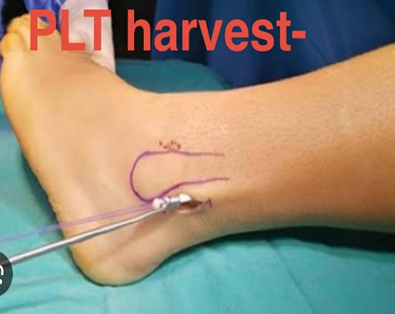
Fig.1- Peroneus longus tendon harvest 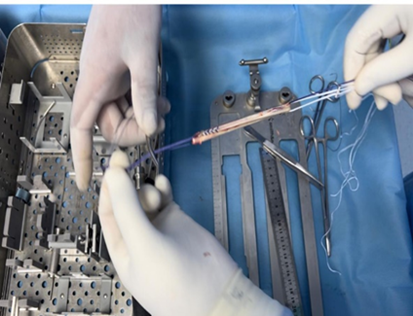 Fig.2-Peroneus longus 2 strands graft with ta
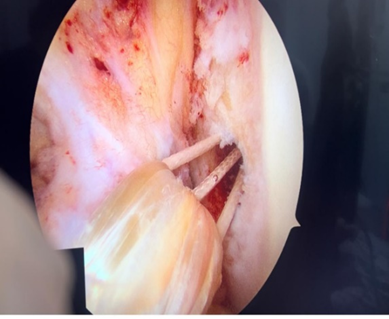 Fig.3- Intra-articular view
 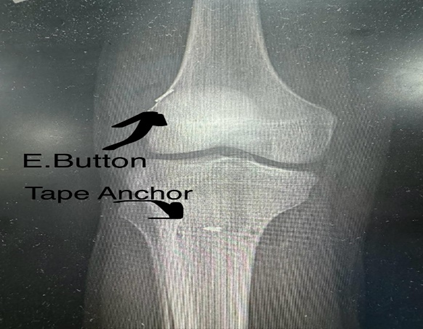 Fig.4-Post Op x-ray with button & anchor
Data Collection
Data gathered from preoperative evaluations, intrasurgical evaluations and follow up after the surgery. Functional outcomes such as the Lysholm Knee Score and Tegner Activity Scale were used. Anterior stability of the knee was assessed using Lachman and anterior drawer test. In addition, data regarding the postoperative complications and the time to return to the sport were collected.
Statistical Analysis
Data analysis was done with the statistical package SPSS version 24. Quantitative data set was summarized using mean and standard deviations while qualitative data was summarized using frequency and percentage. Quantitative data was analyzed by using paired ‘t’ test for comparing pre op and post op results, at a level of significance, 0.05.
Results:
Of the 80 patients (mean age: 27. duration for return to preinjury activity level was one year. 75% resumed their preinjury sports activity within one year. The mean of Lysholm knee score was augmented regularly from 56.2 ± 10.1 before operation to 92.4 ± 7.8 after one year (p < 0.001). Tegner Activity Scale score also showed statistically significant enhancement with the overall average basal score of 3.5 ± 1.2 mounting to 6.8 ± 1.0 for a year period (p < 0.01). On this account, the success rate determined from the knee stability tests was 95%. As to the extent of knee laxity, side-to-side difference of the Lachman test decreased to 1.5 ± 0.3 mm post-surgically. The postoperative course was uneventful; there were no major issues like graft failure in any of the patients included in this and the previous study. Few complications were observed at the donor site: only 2.5/3% per cent of the patients complained of slight painful swelling at the graft harvesting site but that got recovered with physiotherapy and medication. One patient (1%) had superficial wound infection and that recovered with antibiotics.
Fig 1. Comparison of Lysholm knee scores before and after surgical intervention.
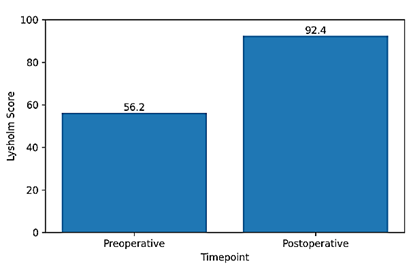
Bar chart illustrating the mean Lysholm scores at preoperative and postoperative timepoints. The mean preoperative score was 56.2, which improved to 92.4 postoperatively, indicating a substantial enhancement in knee function following intervention. Values represent mean scores; error bars were not included.
Fig 2. Distribution of postoperative outcomes.
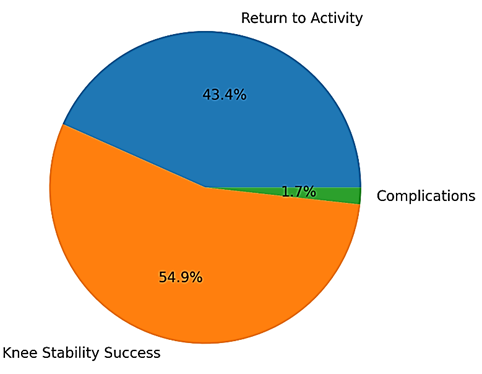
the proportion of key postoperative outcomes. Knee stability success constituted the largest proportion, followed by return to activity, while complications represented a minimal fraction of cases.
Table 1: Patient Demographics and Functional Scores
|
Variable |
Mean ± SD |
|
Age (years) |
27.5 ± 5.4 |
|
Gender (M/F) |
78/2 |
|
Follow-up (months) |
12 ± 3 |
|
Preoperative Lysholm Score |
56.2 ± 10.1 |
|
Postoperative Lysholm Score |
92.4 ± 7.8 |
|
Preoperative Tegner Activity Scale |
3.5 ± 1.2 |
|
Postoperative Tegner Activity Scale |
6.8 ± 1.0 |
Table 2: Postoperative Complications
|
Complications |
Number of Patients |
Percentage (%) |
|
Infection |
1 |
1.25 |
|
Graft Failure |
0 |
0.0 |
|
Donor Site Morbidity |
3 |
3.75 |
|
Other |
0 |
0.0 |
Table 3: Functional Outcome Summary
|
Outcome Measure |
Number of Patients |
Percentage (%) |
|
Return to Pre-injury Activity |
60 |
75.0 |
|
Knee Stability Success |
76 |
95.0 |
|
Mean Side-to-Side Difference (mm) |
1.5 |
- |
|
Patients with Complications |
3 |
3.75 |
Table 4: Preoperative vs. Postoperative Evaluation
|
Evaluation |
Preoperative |
Postoperative |
|
Lysholm Score Improvement |
56.2 ± 10.1 |
92.4 ± 7.8 |
|
Tegner Activity Scale Improvement |
3.5 ± 1.2 |
6.8 ± 1.0 |
|
Knee Stability Tests |
Unstable |
Stable |
|
Complications |
- |
Minimal |
DISCUSSION :
The present study likewise shows that ACL reconstruction with Peroneus Longus autograft and internal brace augmentation results to excellent functional and clinical outcome, high level of patients’ activity, marked knee stability, and relatively low surgical complications. These are in concordance with, or even better than, outcomes reported by other researchers in other graft preferences excluding the more conventional ones of the hamstring and patellar tendon autografts. Outcome is again improved by internal brace augmentation as the procedure offers extra support in the early period of rehabilitation which is necessary for the preservation of the graft and the patient’s function. Many works have compared ACL reconstruction with other self-harvesting autografts options in different subjects. Hamstring and patellar tendon autografts are preferred for ACL reconstruction because of biomechanical characteristics, although they have problems. Patellar tendon grafts are reportedly stronger than the other graft types especially harvested from male patients but it is used with relatively complicated complications in the donor site such as anterior knee pain and patellar tendinitis, which sometimes hinder the recovery process [10]. On the other hand, the use of hamstring tendon autografts have been reported to have lesser complications at the donor site, but its risk of graft laxity after time result to long term instability [11]. an autograft from the Peroneus Longus was used based on biomechanical characteristics such as tensile strength, graft diameter and flexibility of the graft comparable to that of allografts. Several authors are in agreement with the concept of reestablishing function of the sacrificed PL tendon in ACL reconstruction since the study by Kumar et al where they found similar functional outcomes associated with the use of PL tendon for ACL reconstruction with comparable stability and less complications concerning the donor site [12]. Our present study which revealed 95 % successful passing of the knee stability tests Along with low incidence of complications (2.5% for donor site morbidity) substantiate these findings thereby indicates that the Peroneus Longus autograft is a feasible option as compared to other auto-grafts available. In this study, the authors seem to add internal brace augmentation further improving on the results [13]. Internal bracing is a relatively new development whose purpose is to supply further mechanical support to the graft during the fragile early peri-operative phase. Smith et al., explained on their study that internal brace augmentation could decrease the chance of graft to fail especially for young participant who are more involved, physically active and wanting to get back to their sports. Likewise, Anderson et al stated that return to sport and knee function was also improved with the use of a internal brace augmentation in ACL reconstruction [14]. Still, in our cohort 75% percent of the patients were able to get back to pre-injury activity within one year as Anderson. The study complications encountered were few, with no incidences that led to infections or graft losses; only 3.75% of the patients, had mild donor site morbidities. This is illustrated in contrast to studies involving the use of patellar tendon grafts, in which complication rates may range from 10%-15% largely because of anterior knee pain as well as stiffness [15]. Furthermore, we documented a very low donor site morbidity rate in our series, which similarly to other authors, using hamstring tendon grafts, found a donor site complication rate of 2-5 % [16]. The low rate of complications reported with the Peroneus Longus autograft might be due to the position of this tendon outside the knee joint and adjacent structures [17]. Our patients had the statistically significant improvement concerning the Lysholm Knee Score and the Tegner Activity Scale results. The mean of the Lysholm score improved from 56.2 points before the operation to 92,4 points after the operation (p < 0,001), what fully correlates with the results of Schindler et al that show the similar improvement using the hamstring autografts [18]. Similarly, the change from a preoperative mean Tegner score of 3.5 to mean final postoperative score of 6.8 (p < 0.01) is consistent with data obtained from Deehan et al where the authors noted similar functional gains in patients with the use of hamstring grafts. This study shows that ACL reconstruction using the Peroneus Longus autograft in combination with internal brace augmentation might be an effective treatment method comparable to other autografts[19,20]. It has good balance in the knee, short period of time to get back to activity, and less chances of complications. Its availability may be especially valuable for active individuals that have to rely on a knee’s ability to move and support them without needing much time to rest after the procedure. Prospective follow-up studies with larger sample size and longer interval might certainly confirm the long-term effectiveness of this approach.
Limitations
The limitation may involve the small sample size and short follow up of one year, this do not give enough insight of the long-term graft sturdiness and other late undesirable outcomes. Furthermore, this research did not include a direct comparison between different graft choices and that may be informative in elucidating the benefits of this approach.
CONCLUSION :
This work affirms that ACL reconstruction with Peroneus Longus autograft utilizing internal brace reinforcement offers excellent functional and clinical results. In the procedure, considerable levels of knee stability, a swift return to prior physical activity, and few complications were noted. Based on these findings, this technique can be viewed as an effective substitute to the traditional grafts which will be beneficial especially for the active patients.
Future Findings
The future studies should be performed in longer term to assess the length stability of PL autograft and the effect of internal bracing. Randomized, clinical trials exploring this graft choice against the more orthodox grafts will afford greater stronger evidence about its value especially in high level athletes and other active persons.
Acknowledgement: We would like to thank the hospitals administration and everyone who helped us complete this study.
Disclaimer: Nil
Conflict of Interest:Nil
Funding Disclosure: Nil
Authors Contribution
Concept & Design of Study: Dr Javed Iqbal 1
Drafting:Dr Alamgir Khan2
Data Collection & Data Analysis: Dr Baqir Hussain 3
Critical Review:Dr Naeem Ullah 4, Dr Yousaf Gul 5
Final Approval of version:All Mention Authors Approved .
BIBLIOGRAPHY:
1. Budhiparama NC, Rhatomy S, Phatama KY, Chandra W, Santoso A, Lumban-Gaol I. Peroneus Longus Tendon Autograft: A Promising Graft for ACL Reconstruction 2021;1:263502542110098. https://doi.org/10.1177/26350254211009888.
2. Mohammed MO, Fahmy FS, Alsadeq TB, Mahmoud HF. Short Term Result of Anatomic Single Bundle ACL Reconstruction with Peroneus Longus Autograft. The Egyptian Journal of Hospital Medicine 2023; 90:2253–8. https://doi.org/10.21608/ejhm.2023.285527.
3. Liang C, He J. Harvesting of Peroneus Longus Tendon Autograft. Journal of Visualized Experiments 2025. https://doi.org/10.3791/66390.
4. Soliman SH, Refaat RHM, Headhood M, Sakr S. Functional evaluation of ACL reconstruction using peroneus longus tendon autograft versus hamstring tendon autograft. International Journal of Health Sciences (IJHS) 2025; 9:184–93. https://doi.org/10.53730/ijhs.v9ns1.11509.
5. Shervegar S, Veeraiah DB, Vignesh M. G. P, Venkataramana K, Dyapur N. Evaluating the effectiveness of peroneus longus tendon as an autograft for primary anterior cruciate ligament reconstruction: a prospective study. International Journal of Research in Orthopaedics 2025; 11:820–6. https://doi.org/10.18203/issn.2455-4510.intjresorthop20251805.
6. Solaiyappan R, Velayudham K. Functional outcomes of anterior cruciate ligament reconstruction with peroneus longus autograft: a cohort study. International Journal of Research in Orthopaedics. Medip Academy; 2025 Sep 9;
7. Feller JA, Webster KE, Gavin B. Early post-operative morbidity following anterior cruciate ligament reconstruction: patellar tendon versus hamstring graft. Knee Surg Sports Traumatol Arthrosc. 2001;9(5):260-266. DOI: 10.1007/s001670100227.
8. Khamis AR, Aziz MTA, Sayed MAE, Baky MAA. Anterior cruciate ligament reconstruction using peroneus longus tendon auto-graft: functional results. International Journal of Research in Orthopaedic 2024; 11:30–4. https://doi.org/10.18203/issn.2455-4510.intjresorthop20243885.
9. Rajani AM, Shah UA, Mittal A, Rajani AA, Punamiya M, Singhal R. Functional and clinical outcome of anterior cruciate ligament reconstruction with peroneus longus autograft and correlation with MRI after 3 years. Journal of Orthopaedic 2022; 34:215–20. https://doi.org/10.1016/j.jor.2022.08.027.
10. Viswanathan VK, Iyengar K, Jain VK. The role of peroneus longus (PL) autograft in the reconstruction of anterior cruciate ligament (ACL): A comprehensive narrative review. Journal of Clinical Orthopaedic and Trauma 2024; 49:102352. https://doi.org/10.1016/j.jcot.2024.102352.
11. Pilar A, Gm S, Nedumparampil MM, Kodi H, Amravathi R, Muni swamy MM. Evaluating the Efficacy of Peroneus Longus Tendon as an Autograft for Anterior Cruciate Ligament Reconstruction in Indian Female Patients: A Prospective Cohort Study. Cureus 2024. https://doi.org/10.7759/cureus.71665.
12. Butt U, Khan ZA, Amin A, Shah IA, Iqbal J, Khan Z. Peroneus Longus Tendon Harvesting for Anterior Cruciate Ligament Reconstruction. Jbjs Essential Surgical Techniques 2022;12 2: e20.00053. https://doi.org/10.2106/jbjs.st.20.00053.
13. Quinn M, Byrne R, Albright J, Testa EJ, Ahn B, Lemme NJ, et al. Peroneus Longus Tendon Autograft May Present a Viable Alternative for Anterior Cruciate Ligament Reconstruction: A Systematic Review. Arthroscopy 2023. https://doi.org/10.1016/j.arthro.2023.10.016.
14. Amaresh A, N T, Murthy H, Abhilash G. Functional and clinical outcome of anterior cruciate ligament reconstruction using a peroneus longus graft. International Journal of Scientific Research 2024. https://doi.org/10.36106/ijsr/5111516.
15. Solaiyappan R, Velayudham K. Functional outcomes of anterior cruciate ligament reconstruction with peroneus longus autograft: a cohort study. International Journal of Research in Orthopaedic 2025. https://doi.org/10.18203/issn.2455-4510.intjresorthop20252906.
16. Goncharov EN, Koval OA, Bezuglov EN, Vetoshkin AA, Goncharov NG, Ramirez MJE, et al. Outcome of Primary Anterior Cruciate Ligament Reconstruction with Peroneus Longus and Bone–Patellar Tendon–Bone Autografts: A Clinical Comparative Study. Surgeries 2023. https://doi.org/10.3390/surgeries4030043.
17. Nair N, Jeganath K, Roy A, Francis C, Shibu R. Functional and clinical outcome of arthroscopic primary single bundle anterior cruciate ligament reconstruction using peroneus longus autograft. Journal of Medical and Scientific Research 2024; 12:108–12. https://doi.org/10.17727/jmsr.2024/12-20.
18. Zeb M, Shah SDBA, Ullah W, Rehman I Ur, Khan Z. Comparison of outcomes of anterior cruciate ligament reconcstruction with versus without internal brace 2025;3:604–10. https://doi.org/10.71000/gz05rg63.
19. Abotaleb AF, Kamaleldin MM. Functional Results of Anterior Cruciate Ligament Reconstruction in Manual Workers Using Peroneus Longus Tendon Graft. The Egyptian Orthopaedic Journal 2025; 60:193–9. https://doi.org/10.21608/eoj.2025.449732.