A SYSTEMATIC REVIEW OF HUMAN RESOURCE SUSTAINABILITY AND EMPLOYEE WELLNESS IN HIGHER EDUCATION: PERSPECTIVES OF ACADEMIC EDUCATORS
- Rubi Mishra , Designation - Research Scholar Department -Maharishi School of Business Management University - Maharishi University of Information Technology, Lucknow
- Dr. Sapan Asthana , Designation - Associate Professor Department -Maharishi School of Business Management University - Maharishi University of Information Technology, Lucknow.
Article Information:
Abstract:
Scholars and policymakers are paying increasing attention to the long-term viability of HRM at universities, especially as it relates to faculty and staff health and the efficiency of educational institutions. Academic educators face a multitude of challenges in their work contexts, including increasing workloads, performance demands, digitalisation, and changing expectations from institutions. These factors greatly impact their physical, mental, and social health. Against this background, this research systematically reviews the literature to investigate how academic educators' viewpoints and experiences shape the connection between human resource sustainability and employee wellbeing in higher education. Finding, screening, and analysing empirical and conceptual papers published in the previous 20 years that were peer-reviewed according to recognised systematic review processes. Faculty wellness outcomes, including job satisfaction, engagement, mental health, burnout, and organisational commitment, are examined in this review, along with evidence on important aspects of sustainable HRM practices such as workload management, work-life balance, participative governance, professional development, leadership support, job security, and inclusive institutional cultures. The results show that sustainable HR practices are essential for educators' well-being, as they reduce stress and burnout while simultaneously increasing academic staff's motivation, resilience, and sense of purpose. In higher education institutions that are both performance-driven and resource-constrained, the evaluation notes significant gaps between policy goals and institutional implementation. This systematic study focuses on academic educators and adds to the existing body of knowledge by bringing together HR sustainability and employee wellbeing within a single analytical framework. In light of this, it is clear that universities must abandon HR strategies focused on short-term productivity in favour of more comprehensive, people-centred, and sustainability-driven methods. Policymakers, university administrators, and human resources experts may use the study's findings to create academic workplaces that are healthy, resilient, and sustainable. It also identifies research needs.
Keywords:
Article :
INTRODUCTION:
More and more people are looking to universities and colleges to help society advance in this age of ever-changing global problems and hopes for sustainable development. The pursuit of health-related Sustainable Development Goals (SDGs) and changing life expectancy trends are both highlighted in the World Health Organisation's [1] World Health Statistics [2] report. The belief that education is a powerful tool for sustainable development has not wavered amid these endeavours. Its multi-purpose nature includes facilitating equitable access to vocational and higher education, eliminating economic and gender gaps, and fostering inclusive and high-quality education for everyone. In academic discussions, the key link between sustainable development and higher education has been emphasised [3]. Still, there is a lack of studies looking at how sustainable development and human resource management (HRM) practices interact in Thai universities. An organisation's performance is greatly influenced by its human resources department, which is crucial for providing top-notch educational services. Consequently, the purpose of this study is to examine the role of human resource management techniques in the current state of sustainable growth in Thai universities. Especially in light of current events such as the pandemic, it aims to collect data that could inform the creation of well-informed policies that advance the realisation of sustainable development objectives.
Nowadays, HEIs are at a critical juncture. Teachers are under a lot of mental pressure to meet the ever-increasing expectations of both students and administrators, as well as to adapt constantly to new digital platforms. Distress, emotional tiredness, and burnout are no longer isolated occurrences; rather, they reveal systemic conflicts between societal demands and individual health and happiness (e.g. [4-6]). In a nutshell, modern academic support systems do a poor job of helping faculty members build the emotional resilience, technological adaptability, and alignment with institutional ideals that are now required of them, in addition to their subject competence. Health performance and human resource practices (HPHRPs) have become more important in this setting. Aligning individual talents with organisational aims is the goal of these techniques, which attempt to improve workers' skills, motivation, and opportunities [7]. There has been little research on their ability to reduce psychological strain in demanding academic settings, despite their widespread association with better work satisfaction and performance results [8]. The emotional and existential impacts of human resource (HR) design have largely gone unexplored in the literature, which focuses on operational effectiveness.
In the modern era, HRD is crucial to the long-term viability of schools and other educational institutions. Strategic investments in the ongoing professional development, empowerment, and learning of school administrators, faculty, and other institutional leaders constitute HRD in the educational setting, going beyond conventional staff training. Improving human capacities, encouraging innovation, boosting institutional performance, and adapting to social, economic, and technological changes are all part of an all-encompassing collection of strategies. With the rise of digital transformation, globalisation, sustainability imperatives, and worker demands, the world of education is becoming more complicated. HRD is now seen as a crucial factor in how successful and adaptable schools are [9-10]. Human resource development (HRD) in educational settings goes beyond personal growth to include organisational learning, talent management, strategic planning, and capacity-building. These elements work together to foster human capital for national and global development [11, 12]. There has been increasing research on the correlation between HRD and academic achievement over the last 20 years. Research shows that investing in people via programs for leadership development, specific learning and development, and performance improvement tactics pays off [13]. More and more studies have shown that HRD can help create more equitable and inclusive classrooms, innovate pedagogy, and incorporate technology into instruction [14]. In addition, as educational institutions shift their focus to meet global sustainability targets, sustainable HRM and socially responsible HRM are rising to the forefront of HR practice [15-16]. These changes reflect a broader view of human resource development (HRD) that goes beyond its conventional operational roles and aligns with long-term objectives in areas such as digitalization, mental health, sustainability, and lifelong learning.
LITERATURE REVIEW
Human Resource Management
Human resource management, or HRM, is a well-known strategic tool for organizations because it takes a comprehensive approach to people management, including recruiting, development, and utilization [17]. Human resource management has its origins in medieval labour division techniques, but the 19th-century Industrial Revolution had a major influence on its present form [18]. With a heavy focus on moral principles and ethical issues related to human capital, HRM is closely linked to the effectiveness and efficiency of organizations. Because they are not always easy to imitate or replicate, HR policies and practices are crucial to driving a company's competitive edge, according to a body of research [19]. Human resource management (HRM) is all about how you put workers' skills, knowledge, and actions to use for your business in return for pay, advancement chances, and the achievement of your goals [17]. Human resource managers would do well to understand how their rules and procedures affect work processes, as these factors might influence recruiting times, employee retention, and how well current staff is utilized.
Conceptual foundations of well-being
There are several facets to academic staff well-being, including personal and interpersonal factors. Individual factors such as mental health, resilience, and happiness have long been considered crucial to a person's sense of well-being. However, mounting evidence indicates that social and organizational variables play a pivotal role in determining academic well-being. One theory that highlights the significance of relatedness and supportive surroundings for optimum functioning is Ryan and Deci's [20] Self-Determination Theory. Additionally, Wray and Kinman [21] stress the importance of leadership style, institutional culture, and collegial support as major determinants of academic staff health. Organizational resources, such as supporting connections, autonomy, and recognition, may prevent burnout and boost engagement, as shown in the Job Demands-Resources (JD-R) model [22]. By incorporating relational and structural factors alongside an individual perspective, these frameworks provide a more comprehensive picture of academic well-being.
The International Labour Organization (ILO) defines employee well-being as "the sum of all aspects of an individual's experience in the workplace, including but not limited to physical safety, emotional health, their immediate surroundings, and the organization's culture as a whole" [23]. Employee well-being aims to ensure a safe, healthy, contented, and engaged workforce. An organization's long-term success is highly dependent on its employees' happiness. A number of angles may be used to analyze the idea of well-being. It includes broad issues like environmental protection, poverty rates, and life expectancy. It includes subjective or psychological evaluations of a person's health, based on the individual's perceptions of their physical, social, and mental characteristics, as well as their job and quality of life. Job activity and occupational functioning play a specific role in promoting well-being, defined as a sense of feeling well, healthy, and joyful [24]. In contrast, the World Health Organization provides a single, all-encompassing definition of employee well-being [25]. Fundamentally, it is the condition of every employee who is aware of their potential, copes with life's difficulties, works efficiently, and has a positive impact on their community.
Meister [26] identified financial, psychological, social, physical, and professional well-being as aspects of employee well-being. Overall pay, retirement plan type, financial health, and education are all ways an organization can contribute to its workers' financial security. Organizations should ensure that their workers have access to resources that support their mental health, such as employee assistance programs, mental health seminars, and mental health applications. By encouraging a healthy work-life balance, fostering an inclusive work environment, and building strong connections both within and outside the office, management can also boost employees' social well-being. Health insurance, wellness programs, and safe working conditions should all be top priorities for improving people's physical health. Training and development, performance reviews, mentorship, and coaching are the final pillars that support a healthy career.
Academics’ Sustainable Performance (A-SuPer)
Combining employee performance with sustainability would create the notion of sustainable performance [27]. Bring attention to the growing interest in how human resource management affects employees' well-being beyond productivity in the workplace. In this study, academics' sustainable performance is defined as an integrated concept in which workers consistently produce high-quality results across the social, economic, and environmental domains, while contributing to the long-term health of individuals and to institutions' sustainability goals. Numerous parties stand to gain significantly from promoting academics' sustainable performance (A-SuPer) at HEIs, an initiative that aims to boost academic output and faculty well-being [28]. Students benefit from better learning experiences, more happiness, and improved employment prospects after graduation when instruction and research are of high quality 19. Having a healthy, happy, and connected academic community leads to more engaged and motivated faculty, which benefits students emotionally and fosters a more favourable learning environment overall [29]. To attract more financing and top talent, institutions may improve their rankings and reputations by increasing the number of publications and the quality of those publications. Furthermore, A-SuPer is beneficial to society as a whole, as academics can make significant contributions to society's growth through their third purpose activities [30]. Neglecting workers' health may have negative consequences, such as increased absenteeism and reduced production, as noted in [31] and [32]. The current academic environment is stressful and detrimental to health due to high job expectations, increased workload, administrative obligations, and a competitive atmosphere [33].
Academics Experience
Recent years have seen a rise in the use of the term "Employee Experience" (EX), which draws on ideas from marketing and information technology that pertain to consumers' and users' opinions and feelings, respectively. [34] Attracting and retaining people [35], establishing competitive advantages and achieving sustainable development in the post-pandemic environment [36], and the idea of "employee experience" as a new area of concentration within human resource management [34] are all related. From the time of hiring and onboarding through the time of leaving the company, EX includes every contact between the employer and employee [37]. A more pleasant and engaging work atmosphere is associated with higher levels of employee happiness, fulfilment, and productivity [38], which is the goal of this notion. As they progress through their education, they encounter a wide range of tasks and responsibilities that shape their understanding of AXE. To capture the multifaceted nature of academic success, [39-40] suggests three types of experiences: task, social, and fulfilment. It is similar to the concept in [41] in that it outlines the three main components of EX (social, work, and organizational experience) and how they affect workers' perceptions of their career trajectories.
Employee well-being in higher education institution
Happiness, prosperity, job satisfaction, and a feeling of purpose are all components of a well-being condition of mind and body [42]. Such events are necessary for advancing human flourishing and, in the business world, for enhancing productivity. The idea of wellness is universal and may be applied to any sector, including educational institutions. Research by Damianus et al. [43] indicates a correlation between work engagement and workplace well-being indicators, including job satisfaction, organizational respect for workers, employer care, work-life balance, autonomy, relatedness, and competence, in higher education institutions. It shows that increasing workplace wellness is essential for enhancing employee engagement. A lack of focus on employee health and wellness in the workplace may lead to disengagement. Employees who aren't invested in their work cut into output and cost. The report concluded that health and well-being in the workplace should be a top priority for university officials. Failure to prioritize employee expectations will lead to a decline in educational quality. An engaged staff is an asset to any organization, and a contented workforce, in turn, provides a quality education. Initiatives to improve the well-being of high school teachers should be methodical and grounded in scientific evidence to gather evidence for professional or academic reporting, according to Waters [44]. Furthermore, administrators should consider realistic ways to strengthen their connections with teachers if they want to improve their well-being. These include traits like compassion, empathy, assertiveness, and emotional intelligence; they may influence the classroom's socioemotional climate and enhance interactions among instructors. It is recommended that educators use psychological resources to promote self-reflection and enhance both their teaching and students' learning. Characteristics such as thankfulness, originality, curiosity, courage, and many others fall under this category [45].
METHODOLOGY:
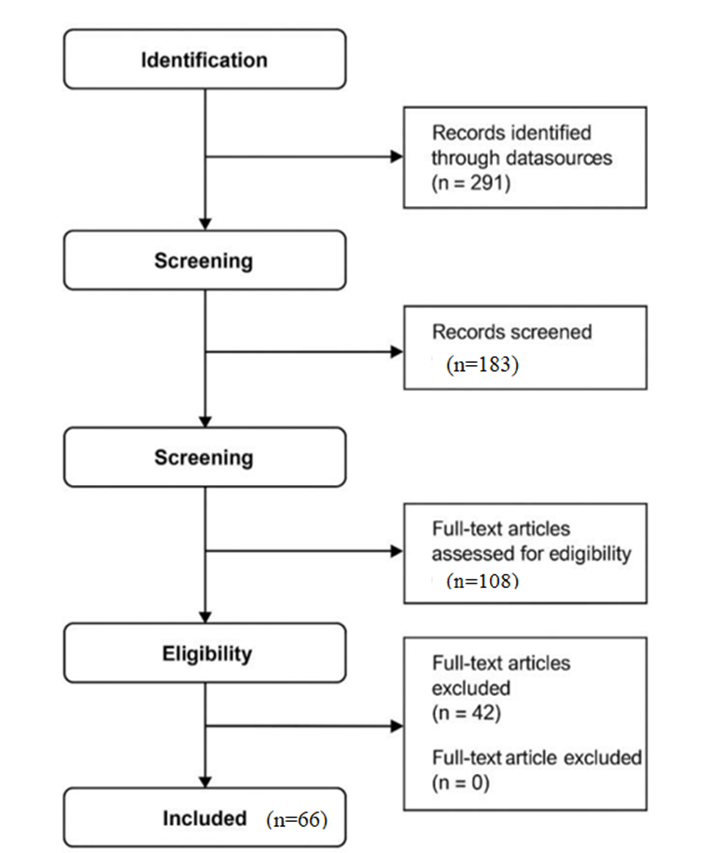
This study thoroughly examines Human Resource Development (HRD) research in education using a systematic literature review (SLR) approach. A standardized framework for conducting transparent, repeatable literature reviews, the PRISMA (Preferred Reporting Items for Systematic Reviews and Meta-Analyses) technique serves as the basis for the procedure [46]. Because of its strengths in synthesizing massive amounts of material, revealing thematic tendencies, and illuminating conceptual and methodological gaps within a certain field of study, the SLR approach was chosen. The research maintains the validity and reliability of its results while ensuring comprehensive coverage of the current literature by adopting this systematic review process. The four primary parts of the systematic review procedure were identification, screening, eligibility, and inclusion, following the PRISMA guidelines. A comprehensive search was conducted across multiple academic databases, including Scopus, Web of Science, ERIC, JSTOR, and Google Scholar, during the ID phase. The databases were chosen for their extensive coverage across disciplines and for their ability to index prestigious publications in education, HRD, and management studies. The search strings were constructed using a mix of keywords and Boolean operators. "School leadership," "human capital," "HR analytics," "competency models," "systematic review," "human resource development," "HRD in education," "educational institutions," "teacher training," "capacity building," "higher education," and "human resource development" were all included as keywords. To find the most up-to-date and relevant research, we only considered peer-reviewed articles published in English between 2014 and 2024. This search returned 291 initial records.
During the screening process, we removed duplicates and reviewed titles and abstracts to determine relevance. Research was not considered if it did not centre on human resources in educational settings, did not add anything new to the existing body of theory or empirical evidence, or was entirely administrative or technical in nature, excluding any consideration of human development.
A comprehensive data extraction procedure was executed once the final corpus of literature had been constructed. Authors, publication year, country/region of focus, type of institution studied (e.g., primary school, university), research design (quantitative, qualitative, or mixed methods), key findings, and thematic contributions are some of the important pieces of information that were extracted from each study using a data extraction matrix. The procedure allowed for a descriptive study to discover patterns in publishing, methodological orientations, and geographic distribution, as well as a qualitative thematic analysis to synthesize the fundamental conceptual insights offered by the literature.
We implemented additional validation steps to ensure the synthesis was thorough. Among these methods were using bibliometric reviews (e.g., [47]) for cross-referencing purposes, triangulating across topic groups, and monitoring citations both forward and backward. In addition to including only the most applicable and methodologically sound studies, the systematic process helped uncover under-researched topics such as HRD in developing nations, HRD's incorporation into educational policy frameworks, and the role of intergenerational learning in educational settings [48]. A dependable and consistent literature review on HRD in education was finally made possible by the organized, methodical methodology. It laid the groundwork for future research and policymaking by providing evidence-based insights into the field's intellectual landscape and its methodological progress. In keeping with the standards of academic integrity and scientific openness that are fundamental to high-quality systematic reviews, this research meticulously documents every step of the review process, from the first search to the final synthesis.
RESULTS:
Work environment
Workplaces that foster a sense of community and belonging among faculty members through open communication, fair procedures, and opportunities for promotion have a positive effect on morale and productivity [49]. Academic staff satisfaction and retention are also greatly affected by the organizational environment. This environment comprises the institution's collective attitudes, beliefs, and conventions. Creativity, innovation, and scholarly exchange flourish in an inclusive and welcoming work environment that promotes open communication and a variety of thought [50]. Employee morale, teamwork, and overall institutional efficacy are all negatively impacted by toxic or unfavourable work environments [51]. Institutional culture is introduced in the workplace and has a major impact on organizational procedures and interpersonal interactions.
The organizational environment of higher education institutions significantly impacts the experiences, interactions, and productivity of all members of the institution. Prioritizing institutional variables and fostering a supportive organizational atmosphere are two ways in which HEIs may enhance the overall well-being and performance of academic staff [52]. Cultural diversity and pluralism characterize today's higher education institutions, making it imperative that organizational climates welcome and value diverse perspectives. Learning and work spaces that include diverse cultural elements are more inclusive, equitable, and conducive to intercultural understanding. Higher education institutions have the potential to foster an environment where every student feels respected, encouraged, and inspired to share their unique strengths and perspectives in pursuit of academic achievement and new knowledge [53]. Therefore, higher education institutions must make deliberate investments in academic talent management and development, with an emphasis on leadership and support, work environment, and organizational climate [50].
Work-Life Balance
Promoting self-care practices such as mindfulness and time management, establishing rules that support remote work and flexible scheduling, and lobbying for reasonable task expectations are all ways to address these difficulties [54]. Fostering a healthy, sustainable work environment in HEIs requires a culture that prioritizes employee well-being and promotes work-life balance. Acknowledging and addressing the work-life balance difficulties experienced by academic personnel is an important responsibility of HEIs. Institutions may improve the work environment, thereby enhancing job satisfaction, productivity, and retention of academic staff, by establishing supportive policies and fostering a culture of well-being. Finally, this examination of work-life balance highlights the interdependence of retention, contentment, institutional variables, and well-being, which, in turn, shape the entire academic experience.
Satisfaction Influences
There is a positive correlation between staff satisfaction and the overall morale and atmosphere of higher education institutions (HEIs), which, in turn, promotes a climate conducive to cooperation and professional growth (55). The intellectual fabric of an institution may be strengthened when faculty members are satisfied in their roles as project participants, contributors to academic governance, and cross-disciplinary collaborators [56]. Academic staff who are happy and healthy are more invested in their work, which, in turn, improves student outcomes and the institution's overall success [57]. Competitive compensation, opportunities for professional growth, supportive leadership, and recognition of academic accomplishments are among the strategies that should be incorporated into institutional procedures to increase staff motivation, retention, and satisfaction [58]. Institutions may better achieve their educational objectives and foster an environment conducive to talent development if they prioritize the well-being and professional satisfaction of their academic staff [59]. Higher education institutions may cultivate a robust academic community characterized by innovation, quality, and institutional resilience by adopting a comprehensive strategy to manage and support their personnel [60]. Leadership, corporate culture, and the physical workplace are broader organizational elements that shape employees' experiences on the job, and any conversation about workplace contentment will inevitably touch on these topics.
Sustainable HRM Practices and Their Influence on Wellbeing
Efforts to improve healthcare delivery may be successful or unsuccessful, according to research from around the world, depending on how companies address employee issues through leadership, encouragement, and incentives [61]. Human resource management practices that appropriately adjust strategies and approaches help organizations achieve their long-term financial, environmental, and social objectives while mitigating negative feedback and unanticipated consequences. Sustainable leadership emphasizes people, takes their health, development, and progress into account, and works to maintain positive relationships between leaders and their followers, as well as between organizations and sustainability. To overcome the challenges of genuine, long-term human resource development, this approach may promote beneficial, lucrative development processes for individuals and companies [62]. A sustainable culture can be fostered through sustainable HRM processes, such as selection, alongside sustainable leadership. This is achieved through the connection between plant competitiveness and quality management practices. Achieving environmentally friendly workplaces relies on the impact of sustainable practices on plant competitiveness.
Goal 4 of the Sustainable Development Agenda is decent employment, and many nations have instituted minimum wages to guarantee that employees have enough money to cover their basic necessities [63]. On the other hand, others argue that minimum salaries don't go far enough to make workers happy. Complying with the law is only one part of what is involved in fair remuneration. According to the definition provided by [64], "all forms of cash returns and tangible services and benefits employees receive" constitute compensation in an employment relationship. A person's financial returns include their basic salary, as well as short- and long-term incentives. The legislation exempts firms from providing benefits, including insurance, paid sick and vacation days, pension plans, and employee discounts. These incentives are not supplied in many employment. Fair remuneration is still associated with well-being and work satisfaction. Economic development and decent employment for all are promoted by the United Nations' Sustainable Development Goal 8.
Sustainable and Green HRD Practices
Human Resource Development (HRD) methods, curriculum design, and institutional policy have all been impacted by sustainability's rise to the forefront as an educational strategy goal in recent years. Sustainable human resource development (HRD) in education takes into account issues of social equality, environmental responsibility, and the long-term survival of the institution while simultaneously improving the competencies and performance of educational personnel. It incorporates frameworks for professional growth that prioritize ethical issues, efficient resource use, and ongoing progress. According to Macke and Genari [15], sustainable HRD considers the broader societal, economic, and environmental effects of development approaches beyond traditional training. Colleges and universities are taking the lead in climate change mitigation and social responsibility, creating an ideal environment for HRD to promote sustainability. Training staff and professors on sustainable pedagogy, energy efficiency, climate literacy, and green campus activities is becoming an integral part of university professional development programs with an emphasis on sustainability [65]. Workshops on ethical leadership, sustainable sourcing, and carbon footprint reduction are some examples of green HRD practices. Institutional cultures that value sustainability, equity, and the long term are the target of these initiatives.
The United Nations' Sustainable Development Goals (SDGs) are one example of a global agenda that green HRD aims to help institutions comply with. In addition to teaching sustainability, educational institutions should model it in their daily operations. This change, as noted by Findler et al. [66], requires comprehensive HRD programs that train administrators and teachers to serve as role models for sustainability in the workplace and the classroom. Developing skills in critical thinking, systems thinking, and collaborative problem-solving is an important part of this, since it is necessary to tackle complicated global issues. In this way, HRD facilitates the empowerment of education professionals to include sustainability into pedagogy, institutional policy, and curricula. Fostering organizational resilience is a crucial part of sustainable HRD. When faced with environmental shocks, financial uncertainties, and changing stakeholder expectations, institutions that prioritize sustainable human resource strategies are better prepared to adapt. Incorporating sustainability into HRD helps schools cultivate employees who are dedicated to the school's goals, have strong moral convictions, and can think on their feet [15]. This is of utmost importance, given the growing environmental problems such as resource scarcity and climate change, which endanger the operations and sustainability of institutions.
The social aspect of sustainability, including equality, inclusiveness, and employee well-being, is also part of sustainable HRD. Together, diversity and mental health programs and green HRD efforts strive to make the workplace a place where every employee may thrive. In their article "Socially Responsible HRD in Education," Omidi and Dal Zotto [16] state that equitable access to professional development, work-life balance, and gender equality are important concerns that must be addressed. Therefore, sustainable HRD encompasses more than just environmental concerns; it also involves making workplaces more ethical, egalitarian, and people-centred. There are several obstacles to implementing sustainable, green HRD in schools, despite its growing popularity. Systematically incorporating sustainability into HRD plans is challenging for many institutions due to a lack of frameworks, resources, or knowledge. Furthermore, there is often a disconnect between sustainability discussions in policy and the realities employees face in the field. Green HRD efforts risk becoming side projects rather than top priorities if they are not well monitored, incentivized, and supported by leadership. To prevent tokenism and ensure significant impact, Saad et al. [65] warn that sustainability initiatives must be institutionalized through regulations, metrics, and cultural shifts. Sustainable HRD can nevertheless revolutionize education. Educators and future leaders may be better prepared to tackle global sustainability issues if institutions prioritize professional development that is both socially and environmentally equitable. A strong lever for integrating sustainability into academic practice and institutional identity is HRD, which educational institutions may use to become examples of responsible innovation and civic participation.
CONCLUSION:
The purpose of this systematic study was to examine how academic educators in higher education perceive the relationship between HR sustainability and workplace wellbeing. The literature review shows that effective and sustainable human resource management is a key factor in faculty satisfaction, which, in turn, affects the institution's efficacy and longevity. Academic educators' well-being is influenced by the HR practices ingrained in higher education institutions, both structurally and organisationally, as well as by their individual coping methods.
This review provides evidence of a strong correlation between sustainable HR practices and health outcomes among academic staff. These practices include fair workload distribution, supportive leadership, opportunities for professional development, job security, policies that encourage work-life balance, and policies that encourage participation in decision-making. Higher levels of work satisfaction, organizational dedication, mental health, and participation in teaching, research, and service are associated with these strategies when they are successfully implemented. On the other side, academic output and institutional credibility are harmed when sustainability-oriented HR frameworks are not in place, which is linked to stress, burnout, emotional tiredness, and falling morale.
This research sheds light on an important issue: the long delay institutions face in implementing HR sustainability policies after formally adopting them. There are many factors that may reduce the effectiveness of wellness-focused HR programs, including market-driven changes, performance-based assessment systems, contractual employment, and limited resources. Because of this chasm, universities should stop treating faculty as interchangeable pieces of human capital and start treating them as strategic partners in their institutions' success. This would be a huge improvement over HR strategies that are just symbolic or motivated by compliance.
Finally, the study stresses that protecting academic faculty members' health is crucial to attaining sustainable higher education. Universities must include human resource sustainability into their fundamental governance and strategic planning if they want to cultivate academic communities that are healthy, resilient, and driven. To better understand how to design and implement sustainable HRM practices, future research should adopt a longitudinal, comparative, and context-specific approach. This is especially true in emerging and transitional economies. This paper argues that sustainable HR policies that invest in faculty wellbeing are a strategic need for the future of higher education and an ethical responsibility for administrators, politicians, and HR professionals.
REFERENCES:
1. World Health Organization. (2000). The world health report 2000: Health systems—Improving performance. World Health Organization.
2. World Health Organization. (2020). World health statistics 2020: A visual summary. https://www.knowledge-action-portal.com/en/content/world-health-statistics-2020-visual-summary
3. Fehlner, W. (2019). Educating for sustainability: The crucial role of the tertiary sector. Journal of Sustainable Development, 12(2), 18–28. https://doi.org/10.5539/jsd.v12n2p18
4. Almaiah, M. A., Al-Khasawneh, A., & Althunibat, A. (2020). Exploring the critical challenges and factors influencing the e-learning system usage during COVID-19 pandemic. Education and Information Technologies, 25(6), 5261–5280. https://doi.org/10.1007/s10639-020-10219-y
5. D’Souza, G. S., Irudayasamy, F. G., & Parayitam, S. (2023). Emotional exhaustion, emotional intelligence and task performance of employees in educational institutions during COVID-19 global pandemic: A moderated mediation model. Personnel Review, 52(3), 539–572. https://doi.org/10.1108/PR-06-2021-0414
6. Hammoudi Halat, D., Soltani, A., Dalli, R., Alsarraj, L., & Malki, A. (2023). Understanding and fostering mental health and well-being among university faculty: A narrative review. Journal of Clinical Medicine, 12(13), Article 4425. https://doi.org/10.3390/jcm12134425
7. Chuang, C.-H., Chen, S.-J., & Chuang, C.-W. (2013). Human resource management practices and organizational social capital: The role of industrial characteristics. Journal of Business Research, 66(5), 678–687. https://doi.org/10.1016/j.jbusres.2012.04.009
8. Jiang, K., Lepak, D. P., Hu, J., & Baer, J. C. (2012). How does human resource management influence organizational outcomes? A meta-analytic investigation of mediating mechanisms. Academy of Management Journal, 55(6), 1264–1294. https://doi.org/10.5465/amj.2011.0088
9. Obazuaye, C. O. (2024). Defining human resource development: An integrative literature review. European Journal of Training and Development, 48(1/2), 102–118. https://doi.org/10.1108/EJTD-02-2023-0034
10. Abdullah, N. S. S., & Sahid, S. (2023). Determination in education development towards the improvement of human capital productivity: A systematic literature review. International Journal of Academic Research in Economics and Management Sciences, 12(2), 1–15. https://doi.org/10.6007/IJAREMS/v12-i2/16820
11. Findler, F., Schönherr, N., Lozano, R., Reider, D., & Martinuzzi, A. (2019). The impacts of higher education institutions on sustainable development: A review and conceptualization. International Journal of Sustainability in Higher Education, 20(1), 23–38. https://doi.org/10.1108/IJSHE-07-2017-0114
12. Arokiasamy, L., Fujikawa, T., Piaralal, S. K., & Arumugam, T. (2023). A systematic review of literature on human capital investment and its significance for human resource development. International Journal of System Assurance Engineering and Management, 14(5), 1810–1826. https://doi.org/10.1007/s13198-023-01789-5
13. Galorio, I. J. N., Paglinawan, A. J., Jr., Mata, J. Z., & Guray, C. B. (2024). Human resource management in education: A systematic review. Asian Journal of Education and Social Studies, 50(7), 74–92. https://doi.org/10.9734/ajess/2024/v50i71409
14. Chuang, S., & Graham, C. M. (2018). Embracing the sobering reality of technological influences on jobs, employment and human resource development: A systematic literature review. European Journal of Training and Development, 42(7/8), 400–416. https://doi.org/10.1108/EJTD-03-2018-0030
15. Macke, J., & Genari, D. (2019). Systematic literature review on sustainable human resource management. Journal of Cleaner Production, 208, 806–815. https://doi.org/10.1016/j.jclepro.2018.10.091
16. Omidi, A., & Dal Zotto, C. (2022). Socially responsible human resource management: A systematic literature review and research agenda. Sustainability, 14(4), Article 2116. https://doi.org/10.3390/su14042116
17. Al Shaikhly, N. A. (2017). The impact of human resource management practices on employees’ satisfaction: A field study in the Jordanian telecommunication companies (Master’s thesis). Middle East University.
18. Armstrong, M. (2006). A handbook of human resource management practice (10th ed.). Kogan Page.
19. Searle, R., & Skinner, D. (2011). Trust and human resource management. Edward Elgar Publishing.
20. Ryan, R. M., & Deci, E. L. (2000). Self-determination theory and the facilitation of intrinsic motivation, social development, and well-being. American Psychologist, 55(1), 68–78. https://doi.org/10.1037/0003-066X.55.1.68
21. Wray, S., & Kinman, G. (2021). Supporting staff wellbeing in higher education. Education Support. https://www.educationsupport.org.uk/media/x4jdvxpl/es-supporting-staffwellbeing-in-he-report.pdf
22. Bakker, A. B., & Demerouti, E. (2007). The job demands–resources model: State of the art. Journal of Managerial Psychology, 22(3), 309–328. https://doi.org/10.1108/02683940710733115
23. International Labour Organization. (n.d.). Workplace well-being. https://www.ilo.org/safework/areasofwork/workplace-health-promotion-and-well-being/WCMS_118396/lang--en/index.htm
24. Juchnowicz, M., & Kinowska, H. (2021). Employee well-being and digital work during the COVID-19 pandemic. Information, 12(8), Article 293. https://doi.org/10.3390/info12080293
25. World Health Organization. (2004). Promoting mental health: Concepts, emerging evidence, practice (Summary report). World Health Organization.
26. Meister, J. (2021). The future of work is employee well-being. Forbes. https://www.forbes.com
27. Peccei, R., & Van De Voorde, K. (2019). Human resource management–well-being–performance research revisited: Past, present, and future. Human Resource Management Journal, 29(4), 539–563. https://doi.org/10.1111/1748-8583.12254
28. Pandit, J. M., & Paul, B. (2023). Strategic human resource management in higher education: Roadmap for Indian institutions. Springer Nature.
29. Clinton, M., & van Veldhoven, M. (2012). HRM and employee well-being. In D. G. Collings & G. T. Wood (Eds.), Managing human resources (pp. 364–388). Wiley. https://doi.org/10.1002/9781119208235.ch17
30. Rubens, A., Spigarelli, F., Cavicchi, A., & Rinaldi, C. (2017). Universities’ third mission and the entrepreneurial university and the challenges they bring to higher education institutions. Journal of Enterprising Communities: People and Places in the Global Economy, 11(3), 354–372. https://doi.org/10.1108/JEC-01-2017-0006
31. Clinton, M., & van Veldhoven, M. (2012). HRM and employee well-being. In D. G. Collings & G. T. Wood (Eds.), Managing human resources (pp. 364–388). Wiley. https://doi.org/10.1002/9781119208235.ch17
32. Kelloway, E. K., Dimoff, J. K., & Gilbert, S. (2023). Mental health in the workplace. Annual Review of Organizational Psychology and Organizational Behavior, 10, 363–387. https://doi.org/10.1146/annurev-orgpsych-120920-043344
33. Tontodimamma, A., del Gobbo, E., Corbo, M., & Aquino, A. (2024). How to improve academic well-being: An analysis of the leveraging factors based on the Italian case. Quality & Quantity, 58, 1425–1445. https://doi.org/10.1007/s11135-023-01691-2
34. Kulkarni, M. B., & Mohanty, V. (2022). An experiential study on drivers of employee experience. International Journal of Management and Humanities, 8(1), 1–7.
35. Das, S. C., & Dhan, S. A. (2023). Trends and directions of employee experience: A bibliometric review for future research agenda. Paradigm, 27(2), 172–191. https://doi.org/10.1177/09718907231164124
36. Panneerselvam, S., & Balaraman, K. (2022). Employee experience: The new employee value proposition. Strategic HR Review, 21(5), 201–207. https://doi.org/10.1108/SHR-03-2022-0020
37. Itam, U., & Ghosh, N. (2020). Employee experience management: A new paradigm shift in HR thinking. International Journal of Human Capital and Information Technology Professionals, 11(2), 39–49. https://doi.org/10.4018/IJHCITP.2020040103
38. Yohn, D. L. (2020). Brand authenticity, employee experience and corporate citizenship priorities in the COVID-19 era and beyond. Strategy & Leadership, 48(3), 33–39. https://doi.org/10.1108/SL-04-2020-0054
39. Dachner, A. M., Ellingson, J. E., Noe, R. A., & Saxton, B. M. (2021). The future of employee development. Human Resource Management Review, 31(2), Article 100732. https://doi.org/10.1016/j.hrmr.2019.100732
40. Emmett, J., Komm, A., Moritz, S., & Schultz, F. (2021). This time it’s personal: Shaping the “new possible” through employee experience. McKinsey & Company.
41. Dachner, A. M., Ellingson, J. E., Noe, R. A., & Saxton, B. M. (2021). The future of employee development. Human Resource Management Review, 31(2), Article 100732. https://doi.org/10.1016/j.hrmr.2019.100732
42. Davis, T. (2019). What is well-being? Definition, types, and well-being skills. Psychology Today. https://www.psychologytoday.com
43. Damianus, A., Magallanes, T., Foronda, G. S. L., & Encarnacion, M. J. (2020). Employees’ workplace well-being and work engagement of Divine Word Colleges’ employees in Ilocos Region, Philippines. International Journal of Research in Business and Social Science, 9(2), 70–84. https://doi.org/10.20525/ijrbs.v9i2.623
44. Waters, L. (2021). Positive education pedagogy: Shifting teacher mindsets, practice, and language to make wellbeing visible in classrooms. In M. L. Kern & M. L. Wehmeyer (Eds.), The Palgrave handbook of positive education (pp. 137–164). Palgrave Macmillan.
45. White, M. A. (2021). Positive professional practice: A strength-based reflective practice teaching model. In M. L. Kern & M. L. Wehmeyer (Eds.), The Palgrave handbook of positive education (pp. 165–204). Palgrave Macmillan.
46. Rocco, T. S., Plakhotnik, M. S., McGill, C. M., Huyler, D., & Collins, J. C. (2023). Conducting and writing a structured literature review in human resource development. Human Resource Development Review, 22(1), 104–125. https://doi.org/10.1177/15344843221140757
47. Putri, R. F. (2022). Human resources training and development: A systematic literature review and bibliometric analysis. Jurnal Ekonomi Kreatif dan Manajemen Bisnis Digital, 1(2), 204–217.
48. Leon, R. D. (2023). Human resources practices for intergenerational learning: A systematic literature review. Knowledge Management Research & Practice, 21(4), 749–764. https://doi.org/10.1080/14778238.2022.2047018
49. Iddrisu, I. (2023). Influence of staff performance on public university operations: Examining motivation and retention factors. Social Sciences & Humanities Open, 8(1), Article 100744. https://doi.org/10.1016/j.ssaho.2023.100744
50. Adeniji, A., Salau, O., Awe, K., & Oludayo, O. (2018). Survey datasets on organisational climate and job satisfaction among academic staff in selected private universities in Southwest Nigeria. Data in Brief, 19, 1688–1693. https://doi.org/10.1016/j.dib.2018.06.044
51. Fessehatsion, P. W., & Bahta, D. T. (2016). Factors affecting academic job satisfaction in public institutions of higher education in Eritrea. Research on Humanities and Social Sciences, 6(11), 1–6.
52. McGee, P. L. (2023). The relationship among faculty-to-faculty incivility and job satisfaction or intent to leave in nursing programs in the United States. Journal of Professional Nursing, 47, 73–80. https://doi.org/10.1016/j.profnurs.2023.03.004
53. Kebede, A. M., & Demeke, G. W. (2017). The influence of leadership styles on employees’ job satisfaction in Ethiopian public universities. Contemporary Management Research, 13(3), 165–176. https://doi.org/10.7903/cmr.17668
54. Atiku, S. O., & Ganiyu, I. O. (2024). Erratum: Flexible work options in higher educational institutions in times of crisis. South African Journal of Human Resource Management, 22, Article 2061.
55. Akhtar, C. S., Aamir, A., Khurshid, M. A., Abro, M. M. Q., & Hussain, J. (2015). Total rewards and retention: Case study of higher education institutions in Pakistan. Procedia – Social and Behavioral Sciences, 210, 251–259. https://doi.org/10.1016/j.sbspro.2015.11.368
56. Erasmus, B. J., Grobler, A., & Van Niekerk, M. (2015). Employee retention in a higher education institution: An organisational development perspective. Progressio, 37(2), 33–63.
57. Harris, K., Hinds, L., Manansingh, S., Rubino, M., & Morote, E. S. (2016). What type of leadership in higher education promotes job satisfaction and increases retention? Journal for Leadership and Instruction, 15(1), 27–32.
58. Manogharan, M. W., Thivaharan, T., & Rahman, R. A. (2018). Academic staff retention in private higher education institutions: A case study of private colleges in Kuala Lumpur. International Journal of Higher Education, 7(3), 52–78. https://doi.org/10.5430/ijhe.v7n3p52
59. Nzimande, S. B., Qwatekana, Z., Sithole, N. V., & Ndlovu, T. P. (2023). Unravelling the link between academic staff tenure and motivation. Journal of Management & Administration, 17(1), 1–18.
60. Szromek, A. R., & Wolniak, R. (2020). Job satisfaction and problems among academic staff in higher education. Sustainability, 12(12), Article 4865. https://doi.org/10.3390/su12124865
61. Larkins, S., Panzera, A., Beaton, N., Murray, R., Mills, J., Coulter, K., Stewart, R., Hollins, J., Matich, P., & Baird, D. (2014). Regional health workforce planning in North Queensland: Starting with the end in mind. Health Workforce Australia.
62. Di Fabio, A., & Peiró, J. M. (2018). Human capital sustainability leadership to promote sustainable development and healthy organizations: A new scale. Sustainability, 10(7), Article 2413. https://doi.org/10.3390/su10072413
63. Gülal, F., & Ayaita, A. (2020). The impact of minimum wages on well-being: Evidence from a quasi-experiment in Germany. Journal of Happiness Studies, 21, 2669–2692. https://doi.org/10.1007/s10902-019-00194-7
64. Milkovich, G. M., Newman, J. M., & Gerhart, B. (2014). Compensation (11th ed.). McGraw-Hill Education.
65. Saad, Z. A., Fauzi, M. A., Zulkepeli, L., Moshood, T. D., & Hussain, S. (2024). Green human resources in higher education institutions: A systematic literature review. Journal of Applied Research in Higher Education. Advance online publication. https://doi.org/10.1108/JARHE-01-2024-0031
66. Findler, F., Schönherr, N., Lozano, R., Reider, D., & Martinuzzi, A. (2019). The impacts of higher education institutions on sustainable development: A review and conceptualization. International Journal of Sustainability in Higher Education, 20(1), 23–38. https://doi.org/10.1108/IJSHE-07-2017-0114