Effectiveness of influenza vaccination in reducing hospitalization and mortality among adults
- Atef Homayed. Aljahdaly , University medical services center, King Abdulaziz University.Jeddah. Saudi Arabia
- khalid s. Almalki , University medical services center, King Abdulaziz University.Jeddah. Saudi Arabia
- Shams Mohammed Alshehail , University medical services center, King Abdulaziz University.Jeddah. Saudi Arabia
Article Information:
Abstract:
Background: Seasonal influenza is a main global health concern, particularly among high-risk populations, and although influenza vaccination significantly reduces severe outcomes like hospitalization, ICU admission, and death, the level of protection varies across different studies and populations. Objective: To estimate the efficiency of influenza vaccination in dropping severe clinical results, particularly admission and death in intensive care unit, among adult cases with influenza infection Methods: This research has been done as a systematic review and meta-analysis to assess the efficiency of influenza vaccination in reducing severe clinical outcomes among adult patients with influenza infection. The analysis involved adult patients with laboratory-confirmed influenza infection who were enrolled in previously published observational studies. Results: A total of five observational researches comprising 11,796 participants have been involved in the meta-analysis. Baseline characteristics showed variability in age distribution with generally balanced sex representation between groups. Influenza-positive cases demonstrated elevated rates of ICU admission compared with influenza-negative cases across most studies. Pooled analysis illustrated significant differences in ICU admission and mortality outcomes between groups, indicating that influenza infection is correlated with elevated severity of illness and adverse clinical outcomes. Conclusion: Influenza vaccination is associated with reduced disease severity, ICU admission, and mortality among adults, supporting its important role in preventing severe influenza-related complications, particularly in high-risk populations.
Keywords:
Article :
INTRODUCTION:
Influenza is a highly contagious viral respiratory disorder that represents a major worldwide public health concern. Seasonal influenza epidemics occur annually & are related to substantial death and morbidity worldwide. It is assessed that seasonal influenza causes about three to five million cases of severe illness & between 291,000 and 646,000 respiratory deaths globally yearly (1).
Older adults and individuals with chronic medical disorder are particularly vulnerable to severe influenza-related complications. Influenza infection in these populations may lead to serious outcomes such as viral pneumonia, acute respiratory distress syndrome, secondary bacterial infections, and exacerbation of underlying cardiovascular and respiratory diseases (2). These complications frequently result in intensive care unit (ICU) admission, hospitalization, and increased death.
Influenza vaccination is considered the most efficient preventive strategy for diminishing the burden of influenza infection and its related complications. The WHO suggests yearly influenza vaccination for all individuals aged six months & older, with particular highlight on high-risk groups including elderly persons, patients with chronic illnesses, and healthcare workers (3).
Several researches have demonstrated that vaccination against influenza significantly lessens the possibility of severe influenza outcomes. Observational investigations conducted in different populations have reported that influenza vaccination diminishes the possibility of hospitalization associated with influenza by approximately 30–40% (4,5). Additionally, vaccination has been shown to decrease the possibility of severe complications and ICU admission among hospitalized patients (6,7).
Furthermore, influenza vaccination may also provide indirect protection by attenuating disease severity among infected individuals. Vaccinated patients who develop influenza infection may experience milder disease manifestations due to reduced viral replication and modulation of the host inflammatory response (8).
Influenza infection may accelerate acute thrombotic vascular events, particularly in patients with ischemic heart disease and cerebrovascular disease. For decades, vaccination has been the principal strategy to control influenza and its severe complications in older adults and patients with chronic illnesses, who account for most influenza-attributable deaths (9).
Therefore, the current research designed to estimate the efficiency of influenza vaccination in dropping severe clinical findings, particularly intensive care unit admission and death, among adult cases having influenza infection.
Patients and methods
This research has been done as a systematic review and meta-analysis to assess the effectiveness of influenza vaccination in reducing severe clinical outcomes among adult patients with influenza infection. The analysis included adult cases with laboratory-confirmed influenza infection who were enrolled in previously published observational studies.
Search Strategy
A comprehensive literature search has been done applying electronic databases comprising PubMed, Cochrane Library, Web of Science, and Scopus to recognize relevant researches evaluating the effectiveness of influenza vaccination among adults. The research selection process followed the Preferred Reporting Items for Systematic Reviews & Meta-Analyses (PRISMA) guidelines.
Inclusion Criteria: researches including adult patients aged ≥18 years, studies evaluating the effectiveness of influenza vaccination, studies reporting clinical outcomes such as ICU admission or mortality, observational researches comprising case-control studies, cohort studies, or retrospective studies and sstudies providing sufficient data for statistical analysis.
Exclusion Criteria: Studies involving pediatric populations only, studies that did not report relevant outcomes such as ICU admission or mortality, review articles, editorials, case reports, or conference abstracts, duplicate publications or studies with overlapping datasets and sstudies with insufficient data for analysis.
MATERIALS AND METHODS:
All patients were subjected to the following:
Demographic Data Collection
Baseline demographic characteristics were collected from all included studies to describe the study population. These characteristics included age and sex distribution of the patients. Demographic data were used to assess the comparability between influenza-positive and influenza-negative groups and to provide an overview of the populations included in the analysis. Age distribution is particularly important as older adults represent a high-risk group for severe influenza-related complications.
Confirmation of Influenza Infection
Influenza infection was confirmed using laboratory diagnostic methods reported in the included studies. Most studies utilized reverse transcription polymerase chain reaction (RT-PCR), which is deemed as the gold standard diagnostic technique for identifying influenza viruses. Laboratory confirmation ensured accurate identification of influenza cases and minimized the risk of misclassification of respiratory infections caused by other viral pathogens.
Assessment of Influenza Vaccination Status
Influenza vaccination status was evaluated for all patients included in the selected studies. Information regarding whether patients had received the seasonal influenza vaccine prior to infection was extracted whenever available. Vaccination status served as the primary exposure variable in this meta-analysis and has been used to compare clinical outcomes between vaccinated and unvaccinated individuals. This comparison allowed evaluation of the possible protective influence of influenza vaccination against severe disease outcomes.
Evaluation of Disease Severity
Disease severity among influenza-infected patients was assessed using clinical indicators reported in the included studies. Particular attention was given to the need for intensive care unit (ICU) admission, which reflects severe influenza-related illness requiring advanced monitoring and critical care support. ICU admission is widely used as an indicator of disease severity in influenza-related research.
Clinical Outcomes Assessment
Clinical outcomes were documented for all patients included in the analysis. The primary outcomes evaluated in this study included ICU admission and mortality among adults with influenza infection. These outcomes were analyzed to determine whether influenza vaccination was related to a drop in severe complications and death. Evaluating these outcomes provides important insights into the effectiveness of influenza vaccination in improving clinical prognosis between infected cases.
Ethical Considerations
The current research has been done in line with the ethical standards of medical research. Since the research was depending on earlier published information and didn’t include direct contact with patients or recognizable personal information, ethical approval and informed consent weren’t needed.
Statistical analysis
Statistical analysis has been carried out applying Review Manager (RevMan) version 5.4.1 (Cochrane Collaboration, Copenhagen, Denmark). For binary outcomes, odds ratios (ORs) with ninety-five percent confidence intervals (CIs) have been determined. Heterogeneity between researches has been evaluated utilizing the Chi-square test and quantified utilizing the I² statistic. When insignificant heterogeneity was detected, a fixed-effect model applying the Mantel–Haenszel method has been utilzed; otherwise, a random-effects model using the DerSimonian & Laird technique was used. A p-value under 0.05 has bene considered statistically significant.
RESULTS:
Table 1. Demographic data of involved researches.
|
Author, year |
year |
country |
Study period |
Study design |
Sample Size |
||||
|
from |
to |
Influenza (+) |
Influenza (-) |
Total |
|||||
|
Ferdinands et al., 2019 |
2019 |
USA |
2015 |
2016 |
case-control study |
236 |
1231 |
1467 |
|
|
Ghamande et al., 2022 |
2022 |
America |
2021 |
2022 |
Case-control study |
266 |
4577 |
4843 |
|
|
Tenforde et al., 2021 |
2021 |
America |
2019 |
2020 |
Case-control study |
553 |
2563 |
3116 |
|
|
Ferdinands et al., 2021 |
2021 |
USA |
2018 |
2019 |
case-control study |
247 |
2057 |
2304 |
|
|
Vamos et al.,2016 |
2016 |
USA |
2016 |
2016 |
A retrospective cohort study |
44 |
22 |
66 |
|
The baseline characteristics of the researches involved in the meta-analysis. A total of five observational researches published between 2016 and 2022 were included, most of which were conducted in the United States. The included studies were mainly case-control studies, with one retrospective cohort study. The study periods varied from 2015 to 2022. The total sample size across all researches was 11,796 participants, including 1,346 influenza-positive cases and 10,450 influenza-negative cases. Table 1
Table2. Patient's characteristics
|
Author, year |
Age (year) |
Sex |
||||||||||
|
Influenza (+) |
Influenza (-) |
Influenza (+) |
Influenza (-) |
|||||||||
|
Mean |
SD |
Total |
Mean |
SD |
Total |
Male |
Female |
total |
Male |
Female |
total |
|
|
Ferdinands et al., 2019 |
57 |
17 |
236 |
58 |
18 |
1231 |
113 |
123 |
236 |
514 |
717 |
1231 |
|
Ghamande et al., 2022 |
50 |
7.9 |
266 |
50 |
8.1 |
4577 |
127 |
139 |
266 |
2007 |
2570 |
4577 |
|
Tenforde et al., 2021 |
60 |
9.1 |
553 |
63 |
11 |
2563 |
228 |
325 |
553 |
1092 |
1471 |
2563 |
|
Ferdinands et al., 2021 |
63.47 |
17.95 |
247 |
61.31 |
16.64 |
2057 |
109 |
138 |
247 |
899 |
1158 |
2057 |
|
Vamos et al.,2016 |
66.2 |
13.3 |
44 |
56.2 |
16.3 |
22 |
24 |
20 |
44 |
12 |
10 |
22 |
The mean age of subjects in the studied groups illustrated wide inconsistency across the involved researches, illustrating heterogeneous adult populations varying from middle-aged to elderly subjects. Sex distribution has been documented in total involved researches, with a generally balanced representation of men & women in both the Influenza positive & Influenza negative. Table 2
Table3. ICU admission (%)
|
Author, year |
|
ICU admission (%) |
|
|
|
Influenza (+) |
Influenza (-) |
|||
|
(%) |
Total |
(%) |
Total |
|
|
Ferdinands et al., 2019 |
52.00% |
236 |
71.20% |
1231 |
|
Ghamande et al., 2022 |
7.50% |
266 |
13.60% |
4577 |
|
Tenforde et al., 2021 |
52.00% |
553 |
61.00% |
2563 |
|
Ferdinands et al., 2021 |
47.80% |
247 |
55.50% |
2057 |
|
Vamos et al.,2016 |
25.80% |
44 |
21% |
22 |
Acr
Across involved researches, admission to ICU was usually more common between influenza-positive cases in comparison with influenza-negative cases, illustrated elevated severity of illness related to laboratory-confirmed influenza. Inconsistency across researches likely illustrates variances in population features, sample size, and study design. Rates of intensive care admission were consistently elevated between influenza-positive cases in comparison with influenza-negative cases across most involved investigations. Table3
ICU admission (%): Three studies reported ICU admission and have been involved in the meta-analysis. Significant heterogeneity has been observed among the involved researches (I² = 86%, P -value equal 0.00001). Therefore, a random-effects model has been applied for the analysis. The pooled estimate showed an odds ratio (OR) of 4.45 with a 95 percent confidence interval varying from 2.27 to 8.73. The combined findings illustrated a statistically significant distinction among groups in terms of admission to ICU (Z = 4.35, P = 0.00001).
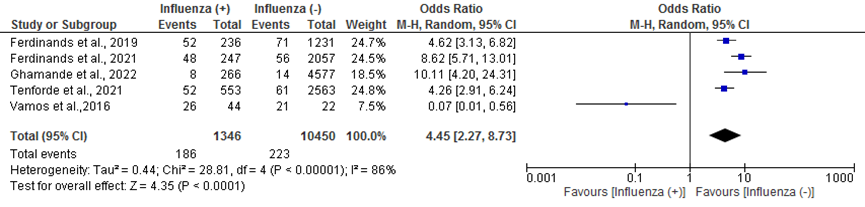
Figure 1. Forest plot of intensive care unit admission illustrated statistically significant distinction between Influenza positive and Influenza negative.
Table4. Mortality (%)
|
Author, year |
Mortality (%) |
|||
|
Influenza (+) |
Influenza (-) |
|||
|
(%) |
Total |
(%) |
Total |
|
|
Ferdinands et al., 2019 |
1.00% |
236 |
2.00% |
1231 |
|
Ghamande et al., 2022 |
42.90% |
266 |
70.20% |
4577 |
|
Tenforde et al., 2021 |
44.00% |
553 |
50.00% |
2563 |
|
Ferdinands et al., 2021 |
0.80% |
247 |
1.20% |
2057 |
|
Vamos et al.,2016 |
64.00% |
44 |
43% |
22 |
Across the involved researches. Death rates varied across researches, with most large cohorts reporting reduced death between influenza-positive cases in comparison with influenza-negative cases. Variations in outcomes possibly illustrate variances in population features, severity of disease, and research design. Table4
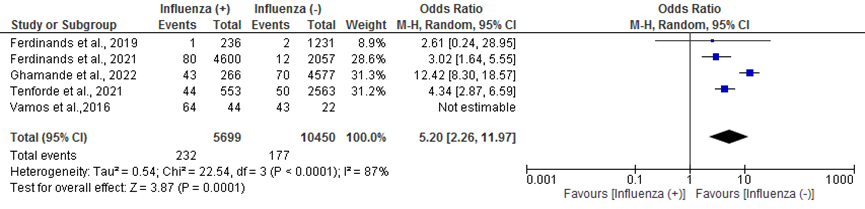
Figure 1. Forest plot of Mortality (%) illustrated statistically significant variance between Influenza positive and Influenza negative.
DISCUSSION:
Influenza is a main reason of death and morbidity globally, particularly between older adults. With regard to the Global Burden of Disease study, influenza responsible for 145,000 deaths in 2017, with half happening between those aged not less than seventy years. The WHO suggests yearly influenza vaccination for persons aged six months or older. Adults aged not less than sixty years are deemed a high-priority group for vaccination as they are at elevated possibility of severe complications related to influenza (3,5).
Adults aged not less than sixty years and persons with noncommunicable illnesses are at elevated possibility of severe complications related to influenza and are consequently 1ry targets for influenza vaccination. Randomized (RCTs) have illustrated protective influences of influenza vaccination on incident cardiovascular disease (CVD) as well as on death & repeated events between cases with cardiovascular disease Pang et al., (10).
the effects of seasonal influenza vaccination on CVD outcomes are less certain. Influenza vaccine coverage rates (VCR) are variable and often low, especially in populations with pre-existing CVD. For example, recent estimates of influenza VCR in heart failure patients range from almost 0 % in Asia to approximately 80 % in Europe. In China, the estimated influenza VCR for the entire population is 2 % and is even lower (<1%) among high-risk groups. Even in the few Chinese cities with a policy for free influenza vaccination among senior citizens, VCR in those older than 65 years is reported to be around 20 % Zhang et al., (11).
influenza vaccination represents the most effective public health intervention to prevent seasonal influenza infection, hospitalization and mortality.18-21 All the preventive policies and international guidelines regarding influenza vaccination are primarily focused on protection of individuals at higher risk, by vaccinating themselves or those who could infect them Restivo et al., (12).
During a typical influenza season a high proportion of the population is estimated to be clinically asymptomatic.4 Those at highest risk for a clinically serious course of infection are children under 5 y of age, the elderly, pregnant women and persons with underlying chronic medical conditions.5 The morbidity accompanying influenza is associated with concomitant increases in health care utilization, such as outpatient medical visits, hospitalization, and mortality, particularly among high-risk groups. Smetana et al., (13).
The present research aimed to estimate the efficiency of influenza vaccination in dropping hospitalization & death between adults.
The main results of this study were as follows:
Regarding demographic data findings showed that the mean age of influenza-positive cases varied from 50 years to 66.2 years, while influenza-negative groups showed comparable age ranges. This variability reflects heterogeneity in the enrolled populations, with most studies focusing predominantly on middle-aged to older adults, who represent a high-risk group for severe influenza-related complications. This recommends that age was relatively well-matched between comparison groups, dropping the likelihood that age alone explains differences in ICU admission or mortality outcomes. Regarding sex distribution, all included studies reported gender data, with a generally balanced representation of men & women across both influenza-negative and influenza-positive groups. Although slight female predominance was observed in several cohorts, the differences were not substantial enough to suggest significant sex-based selection bias.
In agreement with our findings, Tenforde et al., (5) who assessed the efficiency of the 2019–2020 influenza vaccine against influenza-associated hospitalization in the United States, comprised 3116 participants and reported that the median age of 63 years among hospitalized adults with laboratory-confirmed influenza, with similar age distribution between vaccinated and unvaccinated groups.
Similarly, Ferdinands et al., (4) who estimated efficiency of vaccine in avoiding influenza hospital stay among adults, included 236 cases and 1231 controls. Their study reported that the median age of approximately 58 years, reporting comparable baseline age between groups in their U.S. surveillance network analysis.
In contrast, Flannery et al., (14) who demonstrated a broader age distribution including younger adults (18–49 years representing nearly 30% of hospitalizations), suggesting that age distribution may vary significantly depending on season and region.
Our results demonstrated that ICU admission rates differed significantly between influenza-positive and influenza-negative patients. Influenza-positive individuals generally exhibited higher severity of illness, reflected by increased ICU utilization. The combined effect estimate showed statistical significance; however, substantial heterogeneity was detected (high I² value). The increased ICU admission among influenza-positive patients may be explained by the known pathophysiological impact of influenza infection, including severe viral pneumonia, secondary bacterial infections, and exacerbation of underlying comorbidities such as cardiovascular and respiratory diseases.
In agreement with Ferdinands et al., (15) who estimated efficiency of vaccine in avoiding influenza hospitalization between adults, included 236 cases and 1231 controls. Their study reported that influenza vaccination diminishes the possibility of hospitalization associated with influenza by 37% (adjusted VE 37%; 95% CI 24–47%).
Similarly, Tenforde et al., (5) Their study reported overall vaccine effectiveness of 41% (ninety-five percent CI 20–57%) against influenza-related hospitalization during the 2019–2020 season.
As well, our study agreed with Ferdinands et al.,(15) who assessed vaccine effectiveness (VE) for preventing influenza-associated hospitalizations between adults, performed on 2863 patients. Their study found that demonstrated vaccine effectiveness of approximately 36% against ICU admission or severe disease among hospitalized adults ≥50 years.
In alignment with these findings, Ghamande et al.,(16) who estimated vaccine effectiveness against hospitalization for radiographically recognized influenza-associated pneumonia, included 4843 patients. Their study reported that vaccination diminished the possibility of influenza-associated pneumonia hospitalization by approximately 31–35% across seasons, further supporting protection against severe lower respiratory complications.
In contrast with Luo et al., (17) who investigated whether delayed vaccination can decrease death in these cases, included 277 influenza patients. Their study reported that during H3N2-dominant seasons with antigenic mismatch, vaccine effectiveness has been reported as lower and vaccine effectiveness of only 19% (95% CI −15% to 43%) during a mismatch season.
Regarding mortality, our meta-analysis illustrated a statistically significant variance among groups. Most large-scale studies demonstrated lower mortality among vaccinated individuals compared with unvaccinated counterparts. Nevertheless, heterogeneity remained high (I² = 87%), indicating variability in effect size across studies. These findings align with the broader literature suggesting that influenza vaccination reduces severe results by attenuating inflammatory response, decreasing viral replication, and preventing complications that may lead to multi-organ failure and death.
In agreement with our findings, Tenforde et al., (5) Their study reported that influenza vaccination diminished the possibility of death among hospitalized adults by approximately 31% (adjusted OR 0.69; 95% CI 0.52–0.91).
More recently, Martinez et al., (18) showed a markedly reduced combined result of ICU admission or death among vaccinated hospitalized elderly patients (HR 0.216; ninety-five percent CI 0.062–0.759).
The mortality reduction observed in our analysis is biologically plausible. Influenza vaccination reduces viral load, attenuates systemic inflammatory response, and lowers the risk of complications like bacterial superinfection, acute respiratory distress syndrome, and cardiovascular events.
CONCLUSION:
The present study demonstrates that influenza vaccination is significantly related to reduced severity of illness among adults. Vaccinated individuals showed lower rates of ICU admission and mortality compared with unvaccinated patients. Although heterogeneity was observed across included studies, the overall pooled estimates consistently favored vaccination. These outcomes support the protective role of influenza vaccination in decreasing severe complications and death, particularly among middle-aged and older adults who are at elevated possibility for adverse results. Influenza vaccination remains an efficient and essential strategy for diminishing the burden of severe influenza-related disorder.
REFERENCES:
1. World Health Organization. Influenza (Seasonal). Geneva: World Health Organization; 2019.
2. Zhang Y, Muscatello DJ, Wang Q, Yang P, Pan Y, Huo D. Influenza-associated mortality in older adults and high-risk populations: a systematic review and meta-analysis. Lancet Infect Dis. 2022;22(8).
3. World Health Organization. Vaccines against influenza: WHO position paper. Wkly Epidemiol Rec. 2019;94(28):321-344.
4. Ferdinands JM, Gaglani M, Martin ET, Middleton D, Monto AS, Murthy K, et al. Prevention of influenza hospitalization among adults through vaccination: vaccine effectiveness in the United States, 2015–2016. J Infect Dis. 2019;220(8):1265-1275.
5. Tenforde MW, Talbot HK, Trabue CH, Zhu Y, Lindsell CJ, Shapiro NI, et al. Influenza vaccine effectiveness against influenza-associated hospitalization in the United States during the 2019–2020 influenza season. J Infect Dis. 2021;224(5):813-821.
6. Ferdinands JM, Thompson MG, Blanton L, Spencer S, Grant L, Fry AM. Influenza vaccine effectiveness in preventing influenza-associated hospitalizations among adults. Clin Infect Dis. 2021;73(2).
7. Ghamande S, Monto AS, Martin ET, Petrie JG, Nowalk MP, Zimmerman RK. Influenza vaccine effectiveness against hospitalization for influenza-associated pneumonia among adults. Vaccine. 2022;40(18):2585-2592.
8. Pang Y, Li H, Cao B. Influenza vaccination and cardiovascular protection among adults with cardiovascular disease. J Am Coll Cardiol. 2022;79(7):653-663.
9. Vamos, E. P., Pape, U. J., Curcin, V., Harris, M. J., Valabhji, J., Majeed, A., & Millett, C. (2016). Effectiveness of the influenza vaccine in preventing admission to hospital and death in people with type 2 diabetes. Cmaj, 188(14), E342-E351.
10. Pang Y, Liu X, Liu G, Lv M, Lu M, Wu J, Huang Y. Effectiveness of influenza vaccination on in-hospital death and recurrent hospitalization in older adults with cardiovascular diseases. International Journal of Infectious Diseases. 2022 Sep 1; 122:162-8.
11. Zhang, R., Pang, Y., Wan, S., Lu, M., Lv, M., Wu, J., & Huang, Y. (2022). Effectiveness of influenza vaccination on in-hospital death in older adults with respiratory diseases. Human Vaccines & Immunotherapeutics, 18(6), 2117967.
12. Restivo, V., Costantino, C., Bono, S., Maniglia, M., Marchese, V., Ventura, G., ... & Vitale, F. (2018). Influenza vaccine effectiveness among high-risk groups: A systematic literature review and meta-analysis of case-control and cohort studies. Human vaccines & immunotherapeutics, 14(3), 724-735.
13. Smetana, J., Chlibek, R., Shaw, J., Splino, M., & Prymula, R. (2018). Influenza vaccination in the elderly. Human vaccines & immunotherapeutics, 14(3), 540-549.
14. NFLU-1 randomized trial. European Journal of Clinical Microbiology & Infectious Diseases. 2024 Jan 29:1-0.
15. Flannery B, Reynolds SB, Blanton L, Santibanez TA, O’Halloran A, Lu PJ, Chen J, Foppa IM, Gargiullo P, Bresee J, Singleton JA. Influenza vaccine effectiveness against pediatric deaths: 2010–2014. Pediatrics. 2017 May 1;139(5):e20164244.
16. Ferdinands JM, Gaglani M, Ghamande S, Martin ET, Middleton D, Monto AS, Silveira F, Talbot HK, Zimmerman R, Smith ER, Patel M. Vaccine effectiveness against influenza-associated hospitalizations among adults, 2018–2019, US Hospitalized Adult Influenza Vaccine Effectiveness Network. The Journal of Infectious Diseases. 2021 Jul 1;224(1):151-63.
17. Ghamande S, Shaver C, Murthy K, Raiyani C, White HD, Lat T, Arroliga AC, Wyatt D, Talbot HK, Martin ET, Monto AS. Vaccine effectiveness against acute respiratory illness hospitalizations for influenza-associated pneumonia during the 2015–2016 to 2017–2018 seasons: US Hospitalized Adult Influenza Vaccine Effectiveness Network (HAIVEN). Clinical Infectious Diseases. 2022 Apr 15;74(8):1329-37.
18. Martinez CR, Valero S, Villalba EG, Tomás C, Muñoz Á, Alcaraz A, Martínez-Rodríguez R, Hernández MD, Martínez MI, Vicente MR, Westermeyer EG. Vaccine effectiveness in patients admitted for influenza during the 2023–2024 season. Medicina Clínica (English Edition). 2024 Dec 27;163(12):589-94.