Evaluation of Stem Cell–Based Biological Tooth Regeneration Strategies and Their Potential Clinical Applications in Restorative Dentistry: A Systematic Review
- Muhammad Usman Haider , MPhil (Research Scholar), Department of Science of Dental Materials, Sardar Begum Dental College, Gandhara University, Peshawar, Pakistan
- Amna Urooj , Dental Surgeon, RHC Murad Abad, Muzafargarh, Pakistan
- Muhammad Mustafa Wasim , Lecturer (Operative Dentistry), Dow Dental College, Karachi, Pakistan
- Maryam , Demonstrator Anatomy, Khairpur Medical College, Khairpur, Sindh, Pakistan
- Amara Nazir , Associate professor operative dentistry. Bakhtawer Amin Medical and Dental College. Multan, Pakistan
- Faisal Asghar , Assistant Professor (Oral Medicine), Multan Medical and Dental College, Multan, Pakistan
Article Information:
Abstract:
Stem cell–based regenerative strategies have emerged as a promising approach in restorative dentistry, aiming to biologically restore damaged or missing dental tissues rather than relying solely on conventional prosthetic treatments. Objective: The aim of this systematic review was to evaluate current stem cell–based biological tooth regeneration strategies and assess their potential clinical applications in restorative dentistry. Methods: A systematic literature search was conducted using PubMed, Scopus, Web of Science, ScienceDirect, and Google Scholar to identify relevant studies published between 2020 and 2025. Studies investigating dental stem cells, including dental pulp stem cells, periodontal ligament stem cells, and other mesenchymal stem cells, were included. The study selection process followed PRISMA guidelines. Results: A total of 11 studies published between 2019 and 2025 were included in this review, consisting of systematic reviews, meta-analyses, narrative reviews, and perspective articles. The number of studies evaluated within these reviews ranged from 5 animal studies in the review by Amghar-Maach et al. (2019) to 52 studies in the narrative review by Yadav et al. (2025). Other reviews analyzed 12 clinical studies (Ivanovski et al., 2024), 7 randomized controlled trials (Campagna et al., 2024), 6 animal studies and 1 human study (Xie et al., 2021), 33 studies involving both animal and human data (Gaur & Agnihotri, 2021), 10 studies including 94 teeth (Jamali et al., 2020), 19 studies on oral surgical applications (Mosquera-Pérez et al., 2019), and 8 studies with 3 quantitative analyses (Aswani et al., 2025). Quality assessment indicated that most systematic reviews demonstrated low risk of bias, particularly those assessed using AMSTAR-2, while studies evaluated with the Newcastle–Ottawa Scale showed scores ranging from 5–7, indicating moderate quality, and meta-analyses assessed using the Cochrane Risk of Bias tool generally showed low to moderate bias, supporting the overall reliability of the evidence on stem cell–based regenerative dentistry. Conclusion: Stem cell–based biological tooth regeneration represents a promising advancement in restorative dentistry with the potential to restore both structural integrity and biological function of dental tissues.
Keywords:
Article :
INTRODUCTION :
The problem of natural teeth loss remains one of the primary global health issues that impact millions of people each year and severely worsen oral health and looks as well as the quality of life. The importance of teeth is that they are a necessary part of the human body in terms of mastication, phonation, maintenance of the facial structure, and psychological well-being [1]. The major causes of tooth loss in populations are dental caries, periodontal disease, trauma, congenital abnormalities, and aging. Global oral health reports indicate that dental diseases are some of the most prevalent non-communicable diseases that are afflicting people of all ages [2]. Historical restorative dentistry has depended on artificial replacement of missing teeth by using removable dentures, fixed partial denture, and dental implants [3]. Although these methods have enhanced oral rehabilitation, they have not yet attained the structural complexity, physiological functionality and biological integration of natural teeth [4].
There are also a number of limitations to conventional prosthetic solutions. Though it is widely accepted and effective, dental implants require the presence of adequate bone and likely to cause complications like peri-implantitis, implant failure and gradual bone loss with time [5]. On the same note, fixed bridges necessitate the preparation of neighboring healthy teeth whereas removable dentures usually cause discomfort, low stability, and low chewing efficiency [6]. Such constraints have encouraged scientists to find more biologically inspired solutions that seek to re-growth rather than mere replacement of natural tooth structures using artificial materials [7]. Over the past few decades, regenerative medicine has revolutionized several medical disciplines by providing mechanisms through which damaged tissues can be repaired or regenerated through biological means. Other innovations of dentistry include the introduction of regenerative dentistry, which aims to repair the natural structure and functionality of the oral tissues using the biological process [8]. Regeneration of teeth with the use of stem cells is one of the most promising innovations in this field. Regenerative dentistry seeks to biologically recapitulate dental tissues or whole teeth with the help of stem cells, biomaterials and molecular signaling pathways as an alternative to synthetic prostheses [9-11].
Stem cells have biological peculiarities, such as self-renewal and the ability to differentiate into specific types of cells. This is due to their high suitability in the field of tissue regeneration and engineering. Stem cells have been shown to regenerate various dental tissues in dental research including dentin, pulp, periodontal ligament and cementum [12]. The combination of stem cell biology and biomaterial scaffolds and bioactive signaling molecules has provided new opportunities in the engineering of functional dental tissues that closely resemble natural structures. The regenerative potential of several different sources of stem cells in dentistry has been investigated [13]. Dental stem cell derived out of the oral tissues have been shown to have the most promising results out of all the others because of their accessibility and natural potential to differentiate in dental cell lineages [14]. Originally discovered in the pulp tissue of permanent teeth, dental pulp stem cells (DPSCs) have been shown to differentiate into dentin-like structures and pulp-like tissues. Likewise, human exfoliated deciduous teeth (SHED) stem cells possess a high proliferation potential with a high level of differentiation ability [15].
The vessels that have also received extensive research interest are periodontal ligament stem cells (PDLSCs) because they are known to regenerate periodontal tissues, such as cementum and periodontal ligament fibers. Other populations of stem cells like the stem cells of apical papilla (SCAP) and the dental follicles stem cells (DFSCs) have also demonstrated good regenerative capability in pre-clinical models [16]. Other than dental-based stem cell, mesenchymal stem cell derived bone marrow and adipose tissue have also been explored in dental tissue engineering since they can be multi-differentiated [17]. Biological tooth regeneration generally entails three main elements called the tissue engineering triad made up of stem cells, scaffolds, and signaling molecules. Stem cells are the major cellular constituent that produces new tissues [18]. During tissue formation, scaffolds offer a three-dimensional structure that facilitates cell attaching, proliferating, as well as, organizing spaces. Such scaffolds tend to be made of bio-compatible and bio-degradable material that resembles the natural extracellular matrix
[19].
Objective
The aim of this systematic review was to evaluate current stem cell–based biological tooth regeneration strategies and assess their potential clinical applications in restorative dentistry.
CASE PRESENTATION:
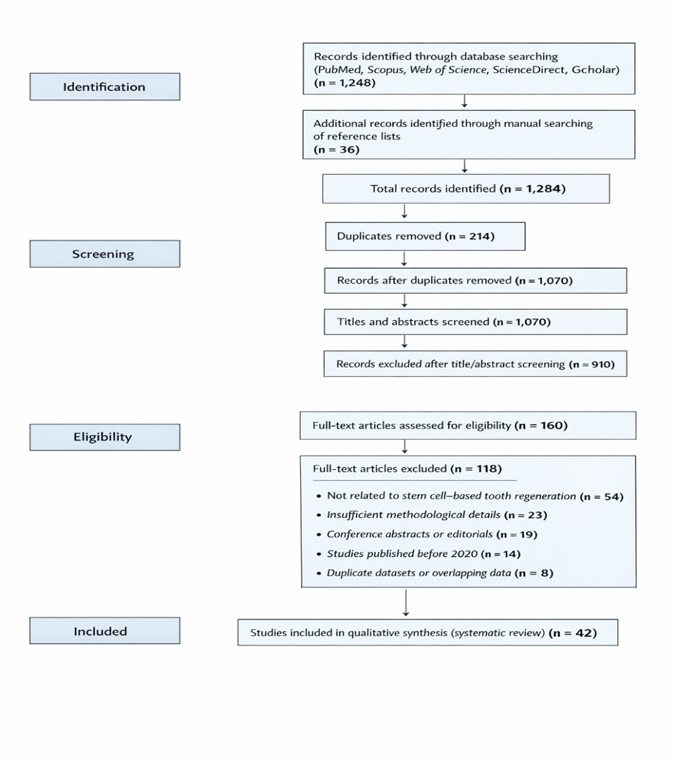
This study was conducted as a systematic review to evaluate current evidence regarding stem cell–based biological tooth regeneration strategies and their potential clinical applications in restorative dentistry. The review was done according to the guidance of Preferred Reporting Items in Systematic Reviews and Meta-Analyses (PRISMA) to secure transparency and reproducibility of the methods. An extensive search in electronic literature was performed to find out the useful publications that had been released since January 2020 and December 2025. Several databases were consulted that included PubMed/MEDLINE, Scopus, Web of Science, ScienceDirect and Google Scholar. The search strategy involved the combination of Medical Subject Headings (MeSH) terms and keywords on the topic of research. Main search words were stem cells, tooth regeneration, dental tissue engineering, regenerative dentistry, dendental stem cells, biological tooth replacement and restorative dentistry. To narrow the search, the use of Boolean operators like AND and OR was used. Manual screening using reference lists of the relevant articles was also done in order to determine more studies that met the eligibility requirements. All the identified papers were added into a reference management tool to eliminate similar entries. In the first step, titles and abstract were filtered to determine potentially relevant studies. Articles were then evaluated based on the pre-established inclusion/ exclusion criteria as full-text articles. The final review used studies that met all the eligibility criteria. The general selection procedure was captured in the PRISMA flow diagram.
Data Extraction
The data were systematically extracted from the sampled studies using a standardized data extraction form. The information extracted included the author's name, year of publication, study design, type of stem cells used, biomaterials or scaffolds used, regenerative strategy, sample size, and key outcomes related to tooth or dental tissue regeneration. These data were sorted and summarized for further analysis. The quality of the included research methodology was gauged with the aid of proper risk-of-bias assessments tools based on the type of the study. Evaluation of clinical trials was conducted by applying standard risk-of-bias evaluation techniques and assessment of experimental and observational studies was conducted by applying already established critical appraisal checklists to achieve reliability and scientific validity. Because the study designs, sources of stem cell, scaffolding materials and outcome measures varied, the qualitative narrative synthesis approach was adopted. The results were summarised to illustrate the major regenerative methodologies, categories of stem cells that are employed and how they can be applied in the field of restorative dentistry. The use of emerging technologies like biomimetic scaffolds, 3-dimensional bioprinting were also put into consideration since these advances have made a huge impact on the recent developments in regenerative dentistry.
RESULTS:
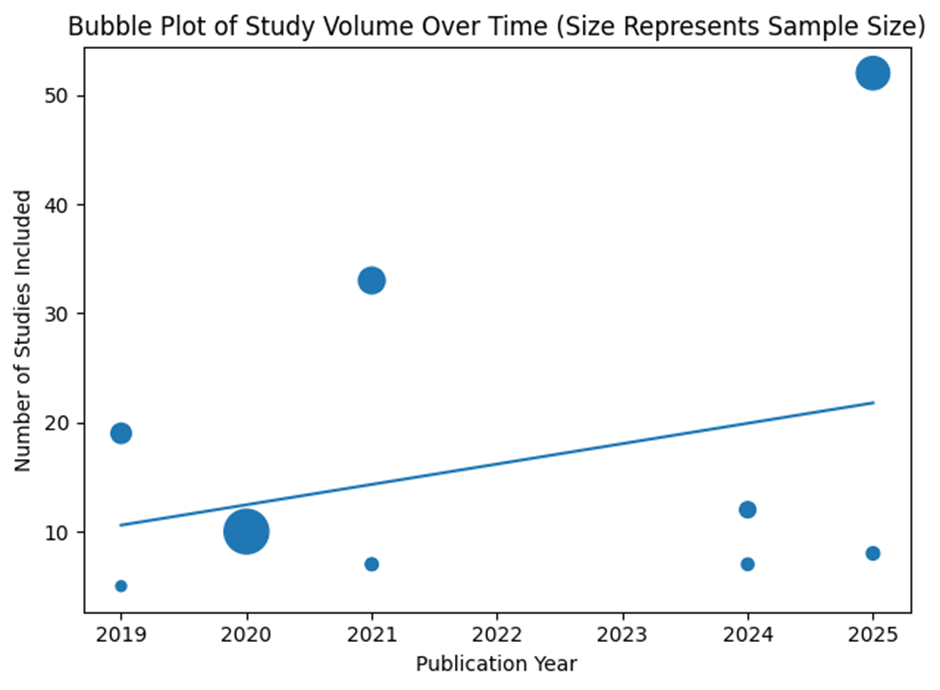
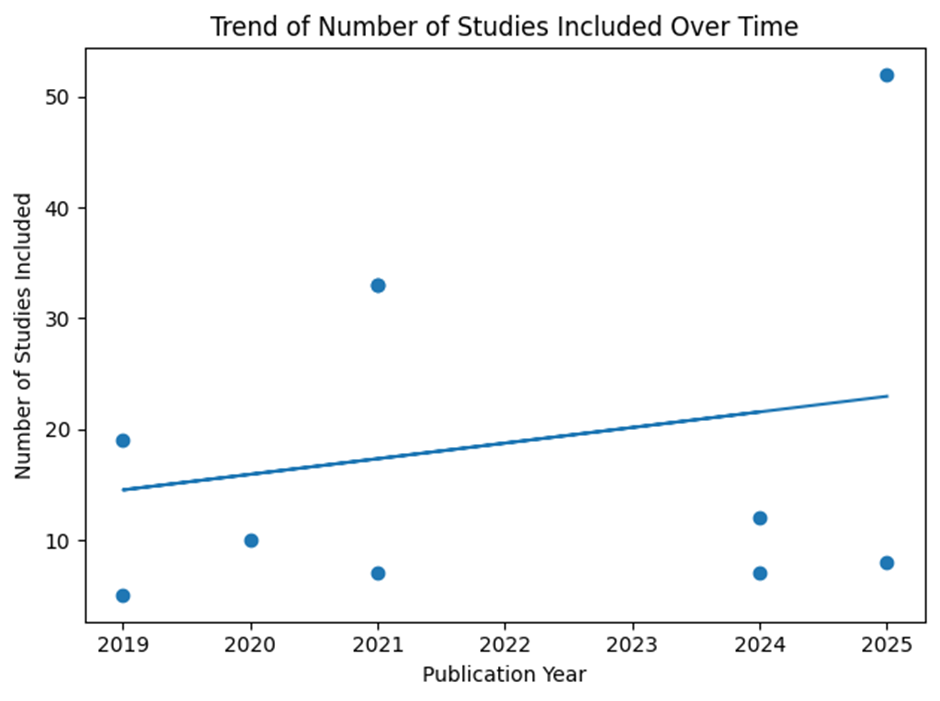
Table 1 summarizes the characteristics of the studies included in this review on stem cell–based dental regeneration. A total of eleven studies published between 2019 and 2025 were analyzed, comprising systematic reviews, meta-analyses, narrative reviews, and perspective reviews. Among these, systematic
reviews with or without meta-analysis represented the majority of the included studies. The number of studies evaluated within these reviews varied considerably, ranging from five animal studies in the review by Amghar-Maach et al. (2019) to fifty-two studies in the narrative review by Yadav et al. (2025). Several studies focused on clinical evidence, such as the systematic review by Ivanovski et al. (2024), which analyzed twelve clinical studies evaluating dental mesenchymal stem cell therapies.
Table 1. Study Characteristics of Included Studies on Stem Cell–Based Dental Regeneration
|
Author (Year) |
Study Design |
Sample Size / Studies Included |
Stem Cell Type |
Intervention / Comparator |
Primary Outcomes |
|
Ivanovski et al. (2024) |
Systematic review of clinical trials |
12 Clinical studies |
Dental mesenchymal stem cells (DMSCs) |
Stem cell–based therapy vs conventional grafting |
Safety, tissue regeneration, clinical efficacy |
|
Campagna et al. (2024) |
Systematic review and meta-analysis |
7 Randomized controlled trials |
Orally derived stem cells (DPSCs, PDLSCs) |
Stem cell therapy vs standard regenerative surgery |
Clinical attachment level gain, probing pocket depth reduction, radiographic bone gain |
|
Xie et al. (2021) |
Systematic review (preclinical and clinical) |
6 animal studies and 1 human study |
Dental pulp stem cells (DPSCs) |
Stem cell transplantation vs control groups |
Functional pulp regeneration and vitality restoration |
|
Soudi et al. (2021) |
Comprehensive review |
Literature-based review |
Multiple dental stem cell types |
Narrative comparison of regenerative strategies |
Stem cell potential for dental tissue regeneration |
|
Gaur & Agnihotri (2021) |
Systematic review |
33 studies (animal and human) |
Adipose-derived stem cells (ADSCs) |
ADSCs vs bone grafts |
Osteogenic differentiation and tissue integration |
|
Jamali et al. (2020) |
Systematic review and meta-analysis |
10 studies (94 teeth total) |
Dental pulp stem cells (DPSCs) |
Stem cell grafting vs traditional endodontic repair |
Pulp vitality restoration and healing of apical lesions |
|
Amghar-Maach et al. (2019) |
Systematic review (animal studies) |
5 animal studies |
DPSCs and PDLSCs |
Stem cell grafting vs control bone grafts |
Bone and cementum regeneration |
|
Mosquera-Pérez et al. (2019) |
Systematic review (oral surgery) |
19 studies |
Mesenchymal stem cells of dental origin |
Stem cell therapy in oral surgical repair |
Bone and soft tissue reconstruction |
|
Aswani et al. (2025) |
Systematic review with meta-analysis |
8 studies included, 3 quantitative analyses |
Dental stem cells (DPSCs, PDLSCs) |
Stem cell regenerative therapy vs conventional treatment |
Periodontal regeneration, pulp vitality, craniofacial tissue repair |
|
Yadav et al. (2025) |
Narrative review |
52 studies reviewed |
DPSCs, SHEDs, SCAPs, PDLSCs |
Stem cell therapy combined with biomaterials |
Pulp–dentin regeneration, periodontal repair |
|
Umapathy et al. (2025) |
Perspective review |
Literature synthesis |
Dental stem cells and mesenchymal stem cells |
Stem cells with bioactive scaffolds and biomaterials |
Regeneration of pulp, dentin, periodontal tissues |
Table 2 presents the methodological quality and risk of bias assessment of the included studies using different appraisal tools depending on study design. Systematic reviews and meta-analyses were primarily evaluated using AMSTAR-2, the Cochrane Risk of Bias tool, or the Newcastle–Ottawa Scale. Most systematic reviews demonstrated low risk of bias, particularly those assessed using AMSTAR-2, such as the studies by Ivanovski et al. (2024), Xie et al. (2021), and Mosquera-Pérez et al. (2019), which were judged to have high methodological quality. The meta-analysis studies, including those by Campagna et al. (2024) and Jamali et al. (2020), were assessed using the Cochrane Risk of Bias tool. These studies generally showed low risk of bias, although moderate performance and detection bias were reported in some randomized controlled trials due to limited blinding of surgical procedures. Studies evaluated using the Newcastle–Ottawa Scale, such as Gaur and Agnihotri (2021) and Amghar-Maach et al. (2019), demonstrated moderate methodological quality with NOS scores ranging from five to seven.
Table 2. Risk of Bias and Quality Assessment of Included Studies
|
Author (Year) |
Study Design |
Risk-of-Bias / Quality Tool Used |
Selection Bias |
Performance Bias |
Detection Bias |
Attrition Bias |
Reporting Bias |
Quality Score / Judgment |
Overall Risk of Bias |
|
Ivanovski et al. (2024) |
Systematic review of clinical trials |
AMSTAR-2 |
Low |
Low |
Low |
Low |
Low |
High methodological quality |
Low risk |
|
Campagna et al. (2024) |
Systematic review and meta-analysis (RCTs) |
Cochrane Risk of Bias Tool |
Low |
Moderate |
Moderate |
Low |
Low |
Most RCTs adequately randomized |
Low–moderate risk |
|
Xie et al. (2021) |
Systematic review (preclinical + clinical) |
AMSTAR-2 |
Low |
Low |
Low |
Low |
Low |
Strong methodological framework |
Low risk |
|
Soudi et al. (2021) |
Comprehensive review |
Not reported |
Not assessed |
Not assessed |
Not assessed |
Not assessed |
Not assessed |
Narrative synthesis without formal scoring |
Unclear risk |
|
Gaur & Agnihotri (2021) |
Systematic review |
Newcastle–Ottawa Scale (NOS) |
Low |
Moderate |
Low |
Low |
Low |
NOS score 6–7 |
Moderate risk |
|
Jamali et al. (2020) |
Systematic review and meta-analysis |
Cochrane Risk of Bias Tool |
Low |
Low |
Low |
Low |
Low |
Majority of studies with proper allocation concealment |
Low risk |
|
Amghar-Maach et al. (2019) |
Systematic review (animal studies) |
Newcastle–Ottawa Scale (adapted) |
Moderate |
Moderate |
Low |
Low |
Low |
NOS score 5–6 |
Moderate risk |
|
Mosquera-Pérez et al. (2019) |
Systematic review (oral surgery) |
AMSTAR-2 |
Low |
Low |
Low |
Low |
Low |
High methodological rigor |
Low risk |
|
Aswani et al. (2025) |
Systematic review with meta-analysis |
Cochrane RoB + NOS + AMSTAR-2 |
Low |
Moderate |
Low |
Low |
Low |
NOS scores 6–8 reported |
Moderate risk |
|
Yadav et al. (2025) |
Narrative review |
JBI appraisal + GRADE |
Low |
Low |
Low |
Low |
Low |
Quality appraisal performed but not study-specific |
Low–moderate risk |
|
Umapathy et al. (2025) |
Perspective review |
Not reported |
Not assessed |
Not assessed |
Not assessed |
Not assessed |
Not assessed |
Conceptual review article |
Unclear risk |
DISCUSSION :
The present systematic review evaluated the current evidence regarding stem cell–based biological tooth regeneration strategies and their potential clinical applications in restorative dentistry. The results show that dental stem cells have a significant regenerative potential and have already demonstrated encouraging outcomes in the dental tissues restoration of dentin, pulp, periodontal ligament, and alveolar bone. In the studies incorporated, various categories of stem cells were tested, such as dental pulp stem cell (DPSCs), periodontal ligament stem cell (PDLSCs), stem cells of human exfoliated deciduous teeth (SHED) and adipose-derived stem cells (ADSCs). The potential to differentiate these stem cell populations was high and was often used alongside biomaterials or scaffolds to improve the regenerative process [20].
Dental pulp stem cells are one of the most common cell groups that have been examined in the field of regenerative dentistry. These cells have a great proliferative potential and are capable of differentiating to odontoblast-like cells, which are needed in dentin formation and the regeneration of the pulp. Some of the studies incorporated in this review have documented the successful regeneration of the pulp-dentin complex with transplantation of DPSCs, which in most instances has led to the restoration of vitality of pulp and recovery of periapical lesions [21]. The results show the promise of stem cell therapy as a substitute to conventional endodontic treatment, which is based on the elimination of infected tissue instead of the renewal of the biological functionality. Another significant therapeutic use of stem cell-based approaches also became periodontal regeneration [22-25]. A review of studies assessing PDLSCs showed better levels of clinical attachment, a lower probing pocket, and greater radiographic bone formation in stem cell therapies compared to standard regenerative therapies [26]. Such results indicate that stem cell therapy can be used to improve the healing of periodontal tissues, which additionally stimulate the regeneration of cementum, periodontal ligament fibers, and alveolar bone. This is a significant benefit of the integrated regenerative capacity as compared to traditional methods of surgery which can be of little benefit in terms of offering tissue regeneration [27].
The other significant point which was found in the studies that were included was the use of biomaterials and scaffolds in order to achieve a successful tissue regeneration. Hydrogel and bioactive ceramics and composite scaffolds-based biomaterials were commonly applied to sustain stem cell survival and differentiation [28]. These scaffolds can help in structuring the scaffold to support the growth of cells, angiogenesis, and tissue integration. Specifically, vascular endothelial growth factor (VEGF)-loaded or basic fibroblast growth factor (bFGF)-loaded growth factors have been demonstrated to play a major role in vascularization and pulp tissue regeneration [29]. Also, the future of stem cell therapy use in complex dental tissue reconstruction has been widened by the development of three-dimensional bioprinting and the use of bioengineered scaffolds [30].
The findings of this literature review also suggest that stem cell-based treatment is being actively investigated as a way to regenerate bone of the craniofacial area and repair the temporomandibular joint. Mesenchymal stem cells and adipose-derived stem cells had a great osteogenic differentiation and were linked with better bone volume as well as structural integration in experimental models. These results indicate the possibility of stem cell therapies in treating large bone defects that still pose a serious challenge in oral and maxillofacial surgery.
Although these are very encouraging findings, a number of limitations and problems are still yet to be overcome before stem cell based tooth regeneration can be popularized in clinical practice. Most of the studies included were preclinical studies that were done in animal models and few randomized clinical trials were available [31]. There was also a lot of heterogeneity between the included studies as regards to the sources of stem cells, scaffold materials and treatment protocols. Such diversity renders comparison of results across studies challenging and creates a necessity of standardized methodologies in future studies [4]. The other critical issue is to make sure that regenerated tissues are safe and stable in the long term. Even though a majority of studies showed positive short-term results, there is limited clinical data in the long term. The problems with immunogenicity, possible tumorigenicity and the integration of regenerated tissues with the rest of the structure are the questions that need to be investigated further. Moreover, regulatory and ethical aspects pertaining to the collection of stem cells and their use in clinical practice can also affect the transfer of these treatments into the daily practice of dentistry [5].
There are a number of limitations associated with this systematic review. Firstly, there was a high degree of heterogeneity amongst the studies that were included with respect to study design, source of stem cells, biomaterials and regenerative protocols and thus, results could not be directly compared across all studies. Second, the percentage of evidence used was found in preclinical animal research and narrative reviews, and the abundance of well-designed randomized clinical trials in humans was rather small, which weakened the clinical evidence. Also, the sample sizes and the period of follow-ups of the studies could be different, which could impact the generalizability of the findings and its ability to be interpreted in the long term. Other studies also were not reported in detail of methods including randomization process and use of blinding tools as well as use of standardized measures of outcomes which could result in potential bias. Lastly, the majority of the studies concentrated on regenerative outcomes of short-term interest, and, thus, long-term safety, stability and functional assimilation of the regenerated dentin tissues are not fully explored, which makes it important to conduct larger, designed clinical trials with matched protocols and prolonged follow-up.
CONCLUSION :
It is concluded that stem cell–based biological tooth regeneration strategies demonstrate significant potential for restoring dental tissues such as dentin, pulp, periodontal ligament, and alveolar bone. The reviewed evidence indicates that dental-derived stem cells, particularly dental pulp stem cells and periodontal ligament stem cells, show promising regenerative capabilities when combined with biomaterials and scaffold-based tissue engineering approaches. These strategies offer advantages over conventional restorative procedures by promoting biological repair and functional tissue regeneration rather than simple replacement of damaged structures.
BIBLIOGRAPHY:
1. Santos N, Cotrim KC, Achôa GL, Kalil EC, Kantarci A, Bueno DF. The use of mesenchymal stromal/stem cells (MSC) for periodontal and peri-implant regeneration: scoping review. Braz Dent J. 2024;35:e246134.
2. Vimalraj S, Saravanan S. Tooth-derived stem cells integrated biomaterials for bone and dental tissue engineering. Cell Tissue Res. 2023;394(2):245-55.
3. Shah P, Aghazadeh M, Rajasingh S, Dixon D, Jain V, Rajasingh J. Stem cells in regenerative dentistry: current understanding and future directions. J Oral Biosci. 2024;66(2):288-99.
4. Chauca-Bajaña L, Velasquez-Ron B, Tomás-Carmona I, Camacho-Alonso F, Pérez-Jardón A, Pérez-Sayáns M. Regeneration of periodontal bone defects with mesenchymal stem cells in animal models: systematic review and meta-analysis. Odontology. 2023;111(1):105-22.
5. Zhu H, Cai C, Yu Y, Zhou Y, Yang S, Hu Y, et al. Quercetin-loaded bioglass injectable hydrogel promotes m6A alteration of Per1 to alleviate oxidative stress for periodontal bone defects. Adv Sci (Weinh). 2024;11(29):e2403412.
6. Fang X, Wang J, Ye C, Lin J, Ran J, Jia Z, et al. Polyphenol-mediated redox-active hydrogel with H₂S gaseous-bioelectric coupling for periodontal bone healing in diabetes. Nat Commun. 2024;15(1):9071.
7. Ming Y, He X, Zhao Z, Meng X, Zhu Y, Tan H, et al. Nanocarrier-assisted delivery of berberine promotes diabetic alveolar bone regeneration by scavenging ROS and improving mitochondrial dysfunction. Int J Nanomedicine. 2024;19:10263-82.
8. Ariano A, Posa F, Storlino G, Mori G. Molecules inducing dental stem cells differentiation and bone regeneration: state of the art. Int J Mol Sci. 2023;24(12):10420.
9. Chen M, Huang B, Su X. Mesenchymal stem cell-derived extracellular vesicles in periodontal bone repair. J Mol Med (Berl). 2025;103(2):137-56.
10. Ahmad P, Estrin N, Farshidfar N, Zhang Y, Miron RJ. Mechanistic insights into dental stem cell-derived exosomes in regenerative endodontics. Int Endod J. 2025;58(9):1384-407.
11. Gegout PY, Stutz C, Olson J, Batool F, Petit C, Tenenbaum H, et al. Interests of exosomes in bone and periodontal regeneration: a systematic review. Adv Exp Med Biol. 2021;1341:67-87.
12. Zhang Z, Zeng L, Yu Y, Xu Z, Zhu G, Weng J, et al. hPDLSC-ApoEVs attenuate periodontitis and enhance bone regeneration via NF-κB/S100A9-mediated M2 macrophage polarization. Stem Cell Res Ther. 2025;16(1):508.
13. Ivanovski S, Han P, Peters OA, Sanz M, Bartold PM. The therapeutic use of dental mesenchymal stem cells in human clinical trials. J Dent Res. 2024.
14. Campagna A, Baima G, Romano F, Amoroso F, Mussano F, Oteri G, et al. Orally derived stem cell-based therapy in periodontal regeneration: a systematic review and meta-analysis of randomized clinical studies. Dent J (Basel). 2024;12(5):145.
15. Xie Z, Shen Z, Zhan P, Yang J, Huang Q, Huang S, et al. Functional dental pulp regeneration: basic research and clinical translation. Int J Mol Sci. 2021;22(16):8991.
16. Huang G, Gronthos S, Shi S. Mesenchymal stem cells derived from dental tissues vs those from other sources: their biology and role in regenerative medicine. J Dent Res. 2009;88(9):792-806.
17. Gao P, Liu S, Wang X, Ikeya M. Dental applications of induced pluripotent stem cells and their derivatives. Jpn Dent Sci Rev. 2022;58:162-171.
18. Volponi AA, Pang Y, Sharpe PT. Stem cell-based biological tooth repair and regeneration. Trends Cell Biol. 2010;20(12):715-722.
19. Baraniak PR, McDevitt TC. Stem cell paracrine actions and tissue regeneration. Regen Med. 2009;5(1):121-143.
20. Hong H, Chen X, Li K, Wang N, Li M, Yang B, et al. Dental follicle stem cells rescue the regenerative capacity of inflamed rat dental pulp through a paracrine pathway. Stem Cell Res Ther. 2020;11:333.
21. Bergamo M, Zhang Z, Oliveira T, Nör JE. VEGFR1 primes a unique cohort of dental pulp stem cells for vasculogenic differentiation. Eur Cell Mater. 2021;41:332-344.
22. Andrukhov O, Behm C, Blufstein A, Rausch-Fan X. Immunomodulatory properties of dental tissue-derived mesenchymal stem cells: implication in disease and tissue regeneration. World J Stem Cells. 2019;11(9):604-617.
23. Ana ID, Rachmawati MW, Anggraeni R. Stem cell and cell products for tissue engineering and regenerative therapies in dentistry. In: Comprehensive Hematology and Stem Cell Research. Amsterdam: Elsevier; 2024. p. 530-538.
24. Sybil D, Rana A, Singh S. Different biomaterials for dental tissue regeneration from clinical point of view. In: Engineering Materials for Stem Cell Regeneration. Singapore: Springer; 2021. p. 181-215.
25. Nie H, Kim J, Fu S, Mao J. Biomaterials selection for dental pulp regeneration. In: Comprehensive Biomaterials. Amsterdam: Elsevier; 2011. p. 245-254.
26. Yuan Z, Nie H, Wang S, Lee CH, Li A, Fu SY, et al. Biomaterial selection for tooth regeneration. Tissue Eng Part B Rev. 2011;17(5):373-388.
27. Sugiaman VK, Jeffrey, Naliani S, Pranata N, Djuanda R, Saputri RI. Polymeric scaffolds used in dental pulp regeneration by tissue engineering approach. Polymers (Basel). 2023;15(4):1082.
28. Wu DT, Munguia-Lopez JG, Cho YW, Ma X, Song V, Zhu Z, et al. Polymeric scaffolds for dental, oral, and craniofacial regenerative medicine. Molecules. 2021;26(22):7043.
29. Díaz-Lantada A, Michel AT. Tissue engineering scaffolds for bone repair: application to dental repair. In: Microsystems for Enhanced Control of Cell Behavior. Cham: Springer; 2016. p. 287-299.
30. Ghosh S, Sarkar B, Mostafavi E. Nano-based 3D-printed biomaterials for regenerative and translational medicine applications. In: Nanomedicine. Sawston: Woodhead Publishing; 2023. p. 483-499.
31. Hynes K, Menicanin D, Gronthos S, Bartold PM. Clinical utility of stem cells for periodontal regeneration. Periodontol 2000. 2012;59(1):203-227.