Prevalence and Health Consequences of Junk Food Consumption among Undergraduate Students at PUMHSW
- Dr. Shakilla Imtiaz Qureshi , Assistant Professor, Department of Biochemistry, Peoples University of Medical and Health Sciences for Women (PUMHSW), Shaheed Benazirabad (Nawabshah), Sindh, Pakistan,
- Prof. Dr. Habibullah Shaikh , Professor and Chairman, Department of Biochemistry, Peoples University of Medical and Health Sciences for Women (PUMHSW), Shaheed Benazirabad (Nawabshah), Sindh, Pakistan
- Dr. Bhagwani , Assistant Professor, Department of Biochemistry, Peoples University of Medical and Health Sciences for Women (PUMHSW), Shaheed Benazirabad (Nawabshah), Sindh, Pakistan
- Dr. Nosheen Aghani , Assistant Professor, Department of Biochemistry, Peoples University of Medical and Health Sciences for Women (PUMHSW), Shaheed Benazirabad (Nawabshah), Sindh, Pakistan
- Dr. Faryal Adnan , Assistant Professor, Department of Biochemistry, Peoples University of Medical and Health Sciences for Women (PUMHSW), Shaheed Benazirabad (Nawabshah), Sindh, Pakistan
- Dr Mahak Memon , Associate Professor, Department of Biochemistry, Peoples University of Medical and Health Sciences for Women (PUMHSW), Shaheed Benazirabad (Nawabshah), Sindh, Pakistan
Article Information:
Abstract:
Background: Junk food consumption is increasingly prevalent among university students and represents a growing public health concern. Medical undergraduates, despite their awareness of nutritional risks, often rely on energy-dense foods for convenience and taste, predisposing them to metabolic and hematological complications. Objective: To determine the prevalence of junk food consumption and its association with anthropometric and biochemical health indicators among undergraduate medical students at the Peoples University of Medical and Health Sciences for Women (PUMHSW), Sindh. Methods: A cross-sectional analytical study was conducted among 362 female MBBS students selected through simple random sampling. Data on food habits and awareness were collected using a validated, semi-structured questionnaire. Anthropometric measurements (BMI, blood pressure) and biochemical parameters (hemoglobin, fasting blood glucose, lipid profile) were assessed following standardized protocols. Statistical analysis was performed using SPSS v25.0; p < 0.05 was considered significant. Results: Overall, 74.6 % of students reported regular junk food intake. Fast food (39.8 %) and sugary snacks (29.8 %) were the most consumed categories. Although 84.8 % were aware of potential health risks, consumption remained high. Overweight/obesity was observed at 16.6 %, pre-hypertension in 5.5 %, and pre-diabetes in 11.1 % of participants. Anemia was present in 42.8 %, significantly more common among junk-food consumers than non-consumers (p < 0.001). Self-reported issues included gastrointestinal discomfort (52.7 %) and reduced concentration (13.3 %). Conclusion: Junk food consumption was alarmingly high among female medical undergraduates and strongly associated with anemia and emerging metabolic abnormalities. Behavioral awareness alone did not translate into healthier practices, emphasizing the need for structured institutional nutrition policies and student wellness interventions..
Keywords:
Article :
INTRODUCTION:
Dietary changes in young adults have moved significantly towards more energy and nutrient-poor foods worldwide. This trend is especially concerning among university students, who, because of the stress of school, irregular hours and difficulty obtaining food, often rely on convenience food, which is high in fats, sugars and sodium1. Junk food, which generally includes fast food, fried snacks, sweetened beverages and processed food which provide a high caloric intake but little nutritional value2. Regular consumption has been linked to obesity, type 2 diabetes, high blood pressure and high blood fat levels (dyslipidemia)3.
Medical students, despite having the expected heightened health awareness, are quite vulnerable to unhealthy dietary choices. Academic demands, long periods of study and social factors often lead to erratic eating patterns and a preference for low-cost food, which is readily available5. Research in Pakistan, India and Bangladesh show that between 60 percent and 90 percent of medical students consume junk food at least two times a week⁵ - 7. Despite their nutritional knowledge, their behaviours are often not consistent with healthy behaviours. This paradox highlights the need to consider the interaction of lifestyle factors, environmental conditions and awareness in influencing dietary behaviour in future health professionals.
Globally, increased consumption of junk foods has helped to create an emerging "dual burden" of malnutrition - a coexistence of undernutrition and overnutrition in the same population⁸. In South Asian female populations, this pattern is expressed as micronutrient deficiencies, especially iron, and an increase in obesity rates9. Processed food consumption displaces meals of nutrient-dense foods and occurs metabolic inflammation due to excessive consumption of trans fats, refined carbohydrates and preservatives¹⁰. Chronic exposure to such dietary patterns is known to induce endothelial dysfunction, oxidative stress and insulin resistance - precursors to cardiovascular and metabolic disease11.
In Pakistan, dietary transitions are happening rapidly among adolescents and young adults. The invasion of the multinational food chains and aggressive marketing, coupled with the availability and affordability of fast food have made normal consumption of junk foods a reality among the students.12 Urban and semi urban campuses (like in Sindh) facing these dynamics face unique challenges, with menus of canteens and hostels dominated by fried items, confectionaries and sweetened drinks. The lack of organized dietary policies in most academic institutions further compound this issue.
Of late, local researchers have started correlating student's eating habits with measurable biochemical and clinical results. Increased body mass index (BMI), abnormal lipid profiles and anemia have been on the rise among female undergraduates.13-15 Although a history of anemia has been associated with socio-economic deprivation, recent studies suggest that even educated medical students with a stable source of income have a sub-optimal level of hemoglobin - a result of poor quality of diet rather than financial constraints(user).16 Iron-deficiency anemia, which is worsened by a poor intake of fresh fruits and vegetables and foods rich in iron, is worsened by the frequent consumption of carbonated drinks and snacks that are rich in phosphates and inhibit the absorption of iron.17
In addition, excessive consumption of junk food has drastic effects on the cognitive and psychological wellbeing. Diets rich in saturated fats and sugars adversely affect memory, concentration and emotional stability through neuroinflammatory processes and regulation of neurotransmitters18,19. Consequently, poor nutrition may indirectly affecting academic performance, motivation and long term professional competence among medical students.
While the relationship between the intake of junk foods and health outcomes has been widely studied internationally, data are still scarce from women-only medical universities in Pakistan. Understanding the interaction between dietary behaviour, nutritional awareness and biochemical consequences in this context is key to the design of successful interventions.
Therefore, the present study was performed to determine the prevalence of junk food eating habits and their consequent health issues in female undergraduate medical students at the Peoples University of Medical and Health Sciences for Women (PUMHSW), Sindh. The findings are intended to provide evidence for targeted campus-based nutrition awareness programmes and policy level intervention to encourage healthier food environments in medical institutions.
METHODOLOGY:
This cross-sectional analytical study was conducted in the Department of Biochemistry Peoples University of Medical and Health Sciences for Women (PUMHSW), Nawabshah, Sindh from January to June 2023. Ethical clearance from a research perspective was obtained from the Institutional Review Board of PUMHSW (Ref No. [insert number]). The study population were the undergraduate female MBBS students in first to final year having diverse socioeconomic and residential backgrounds. Representativeness was ensured through the selection of the participants using simple random sampling drawn from class attendance registers.
The necessary sample size was determined by using the formula n = Z2 x p(1-p) / m2 with a level of confidence of 95% (Z = 1.96), a presumed prevalence (p) of 0.62, based on previous research, and a margin of error (m) of 0.05. The resultant sample size was 362 participants, which was reached. Students aged 18-24 years that gave written informed consent to participate were eligible to be included; those with chronic diseases such as diabetes, hypertension, and thyroid or who refused to participate were excluded.
Data collection was carried out using a semi-structured questionnaire which was developed after a thorough review of the literature and subsequently validated with expert consultation and pilot-testing. The instrument elicited demographic information, frequency and type of junk food consumption, awareness about health risks and self-reported health complaints. In the pilot phase, satisfactory internal consistency of the questionnaire was shown (Cronbach's alpha = 0.82). Anthropometric and biochemical evaluations were performed under standardized conditions. Body weight and height were assessed using calibrated equipment and Body Mass Index (BMI) was calculated as weight (kg) / height (m2) and categorized based on the World Health Organization classification. Blood pressure was measured using a mercury sphygmomanometer after a ten-minute rest period and mean of two readings was taken.
Venous blood samples were collected after an overnight fasting of 8-10 hours. Fasting blood glucose concentrations were determined by the glucose- oxidase- peroxidase method. Lipid profiles, total cholesterol, triglycerides, low-density lipoprotein (LDL)- and high-density lipoprotein (HDL)-cholesterol were determined by enzymatic colorimetric assays (Roche Diagnostics, Germany). Hemoglobin concentration was measured using Sahli's procedure and anemia was defined as Hb of less than 12 g/dL. All the biochemical assays were done in the central biochemistry lab of a university under the faculty supervision to assure reliability and quality control.
Statistical analyses were performed using IBM Statistical Package version 25.0 (SPSS). Quantitative variables were summarized as Mean±SD while categorical variables were summarized as frequencies and percentages. Associations between junk food intake and categorical health indices (e.g. anemia, body mass index, fasting blood glucose) were determined using the chi square test. Mean differences between groups were calculated with independent t-tests and 2-tailed P<0.05 was regarded as statistically significant. Findings were presented in tables and figures that summarize consumption patterns, anthropometric data and biochemical results.
Confidentiality and voluntariness were strictly observed during the study. Written informed consent was obtained from each subject after a thorough explanation of the aims of the study. No invasive procedures other than routine blood sampling were undertaken and participants showing abnormal results were offered counselling and referred for further medical evaluation.
RESULTS:
A total of 362 undergraduate female students participated in the study. The mean age of participants was 20.6 ± 1.5 years. Junk food consumption was reported by 270 students (74.6 %), indicating high prevalence. Among these, 50.3 % consumed junk food one to two times per week, 30.2 % three to four times per week, and 9.5 % consumed it daily. Fast food (39.8 %) and sugary snacks (29.8 %) were the preferred types, followed by processed snacks (27.1 %) and carbonated beverages (59.9 %). The leading reason cited for consumption was taste (79.8 %), while convenience (5.0 %) and availability (10.0 %) were less frequent motivations (Table 1).
Table 1. Patterns of Junk Food Consumption among Undergraduate Students (n = 362)
|
Variable |
n (%) |
|
Prevalence of junk food use |
270 (74.6) |
|
Frequency 1–2 times/week |
182 (50.3) |
|
Frequency 3–4 times/week |
109 (30.2) |
|
Daily consumption |
34 (9.5) |
|
Type – Fast food |
144 (39.8) |
|
Type – Sugary snacks |
108 (29.8) |
|
Type – Processed snacks |
98 (27.1) |
|
Type – Others |
12 (3.3) |
|
Carbonated beverages |
217 (59.9) |
|
Main reason – Taste |
289 (79.8) |
|
Main reason – Convenience |
18 (5.0) |
|
Main reason – Availability |
36 (10.0) |
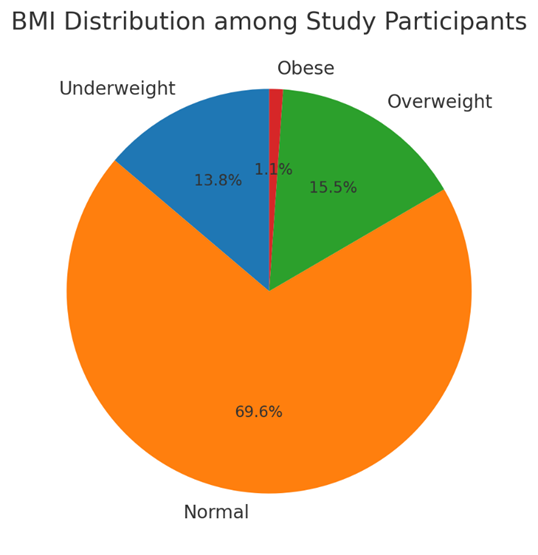
The anthropometric profile revealed that 13.8 % of students were underweight, 69.6 % had normal BMI, 15.5 % were overweight, and 1.1 % were obese. Blood pressure was normal in 91.7 %, elevated in 5.5 %, and hypertensive (stage I) in 2.8 % of participants. Regarding fasting blood sugar (FBS), 88.1 % were normal, 11.1 % pre-diabetic, and 0.8 % diabetic. These findings demonstrate emerging metabolic tendencies among a predominantly young, healthy population (Table 2).
Table 2. Anthropometric and Clinical Parameters of Participants (n = 362)
|
Parameter |
Categories |
n (%) |
|
BMI |
Underweight (< 18.5) |
50 (13.8) |
|
Normal (18.5–24.9) |
252 (69.6) |
|
|
Overweight (25–29.9) |
56 (15.5) |
|
|
Obese (≥ 30) |
4 (1.1) |
|
|
Blood Pressure |
Normal |
332 (91.7) |
|
Elevated |
20 (5.5) |
|
|
Hypertension Stage I |
10 (2.8) |
|
|
Fasting Blood Sugar |
Normal (70–99 mg/dL) |
319 (88.1) |
|
Pre-diabetic (100–125 mg/dL) |
40 (11.1) |
|
|
Diabetic (≥ 126 mg/dL) |
3 (0.8) |
A significant relationship was observed between junk food consumption and hemoglobin status. Anemia (Hb < 12 g/dL) was identified in 135 (50.0 %) of junk-food consumers compared with 20 (21.7 %) of non-consumers. The difference was statistically significant (χ² = 20.44, p < 0.001) (Table 3).
Table 3. Hemoglobin Status and Association with Junk Food Consumption
|
Hemoglobin Status |
Consumers (n = 270) |
Non-consumers (n = 92) |
χ² value |
p-value |
|
Anemic (< 12 g/dL) |
135 (50.0) |
20 (21.7) |
20.44 |
< 0.001 * |
|
Normal (≥ 12 g/dL) |
135 (50.0) |
72 (78.3) |
*Significant at p < 0.05
Among the students who regularly consumed junk food, 41.3 % reported at least one health-related complaint. The most common issues included gastrointestinal disorders (52.7 %), lack of concentration (13.3 %), obesity/diabetes (7.3 %), anemia-related fatigue (7.3 %), and dental problems (5.3 %).
Figure 1 illustrates the frequency of junk-food consumption, while Figure 2 displays BMI distribution among participants
Figure 1. Frequency of Junk Food Consumption among Students
(Bar chart showing percentages of 1–2 times/week, 3–4 times/week, and daily consumption patterns.)
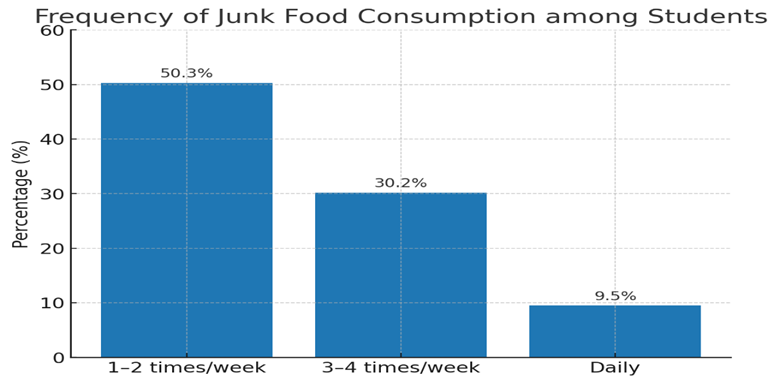
Figure 2. BMI Distribution among Study Participants
(Pie chart representing percentages of underweight, normal, overweight, and obese students.)
Overall, these results indicate that junk food intake is widespread among female undergraduate medical students at PUMHSW and is significantly associated with anemia and emerging metabolic abnormalities, despite a high level of health-risk awareness
DISCUSSION :
The present study shows that the amount of junk food consumption is high among undergraduate female medical students at PUMHSW with three-fourths of the study's participants reporting regular consumption. Despite being part of the health sciences community, and with an awareness around nutrition, many students still consume energy dense and nutrient poor foods and there is a large behavioral and environmental gap. These findings are in line with the national and international literature to document the pervasiveness of unhealthy dietary behaviors among medical students and the associated health risks. 1,2,4,5,7-10
The high consumption rate (74.6^%) observed in this study is compatible with results obtained from Karachi, Faisalabad and Dhaka where the prevalence ranged between 68-82^% 4, 5, 6. Globally, similar trends have been reported among students in Saudi Arabia and India suggesting that this phenomenon is not isolated but part of a broader nutritional transition among educated youth⁷-9. Factors like academic stress, convenience, peer pressure and taste preference are the main motivators, which is similar to the findings from Middle Eastern universities where sensory appeal and affordability dominate over health awareness10.
Interestingly, the top reason for consumption in this study was taste (79.8%) which suggests the role of emotional and sensory drivers are more powerful than the knowledge of the cognitive mind. Behavioral models of eating support this interpretation, placing emphasis on the idea that merely being aware is hardly sufficient to change to a healthier behavior unless there are environmental cues and institutional reinforcements present11. This pattern of behavior is reinforced by the normalization of the availability of junk food in hostels and campus cafeterias.
The dual burden of malnutrition was high among participants. While 13.8 per cent were underweight, 16.6 per cent were overweight or obese. This coexistence is parallel to the "nutrition paradox" increasingly seen among South Asian women, in which caloric excess is co-existed with micronutrient deficiency12. Comparable data from Universities in Lahore and Nepal confirm similar results almost one-fifth of students were overweight and a smaller but significant number were undernourished13,14. Such contradictory patterns are caused by fluctuating eating patterns, lengthy fasts and reliance on cheap and low-nutrient snacks.
Metabolic trends observed in the present study also deserve attention. Although the majority of students had normal fasting blood sugar and blood pressure levels, a significant fraction showed early signs of metabolic danger - pre-hypertension (5.5 per cent) and pre-diabetes (11.1 per cent). There is evidence that even small amounts of processed food consumption can raise fasting glucose, insulin resistance and blood pressure¹⁵,¹⁶. A large 2024 umbrella review by Lane et al found that for each 10% increase in ultra-processed food consumption, the risk for cardiometabolic disease increases by 12-15%17. The existence of these patterns in young otherwise healthy women calls for early prevention.
The most important association in this study was the consumption of junk food with anemia which affected 42.8% of the total sample. Half of the consumers of junk food were anemic as compared to only 21.7 per cent of the non-consumers (p < 0.001). These results are in agreement with studies carried out among female undergraduates in Punjab and Khyber Pakhtunkhwa where the prevalence of anemia ranged from 38-50 percent18-20. Globally, nutrient displacement, the replacement of iron-rich meals with junk foods has been deemed a major reason for anemia among young adults21. Phosphate additives to carbonated beverages and preservatives in processed foods affect iron uptake, and low intakes of fruits and vegetables affect vitamin C, which is necessary for iron metabolism22.
There are functional consequences to these biochemical findings. Nearly 41.3% of students experienced health problems, mainly gastrointestinal upsets and fatigue. Gut-related complaints - It is possible to explain symptoms such as altered intestinal flora and intestinal inflammation with ultra-processed foods23. Similarly, fatigue and concentration problems may be due to poor micronutrient status and erratic glucose regulation. A growing body of evidence presents a link between high fat and high sugar diets and impaired cognition and lower academic performance in young adults.24 This suggests that poor diet does not only affect physical health but also thinking and professional readiness of future physicians.
Another striking observation is the awareness-practice gap. Although 84.8% of participants accepted the adverse effects of junk food, behavior change was poor. This dissonance of knowledge and action is repeatedly published over similar cohorts. A study in Nigeria resulted that more than 90 per cent of medical students were aware of risks but only 28 per cent reported reduced consumption25. Such patterns indicate complexity of health behavior, which is not only influenced by knowledge, but also by social norms, stress and the built food environment. Effective interventions therefore require multi-level strategies - integrating nutrition education into the curriculum, altering campus food policies, and implementing behavioral reinforcement programs.
These findings have several important implications. Medical universities as training grounds for future healthcare providers must prioritize the wellness of their students as part of professional competence. Nutritional behaviour is a personal and professional responsibility. Faculty-led awareness campaigns, the availability of healthy meal options at lower cost and limiting high sugar drinks in cafeterias could encourage sustained dietary improvements. Embedding the lifestyle medicine and preventive nutrition into the MBBS curriculum would be helpful in bridging the gap between the theory and practice.
In the context of the growing burden of non-communicable diseases in Pakistan, the role of early correction of lifestyle is hard to be over emphasized. Studies have already shown that unhealthy dietary patterns created in the undergraduate years tend to continue into professional life26. Given that most of the study subjects were in the early twenties, this stage is a critical intervention period to prevent long-term metabolic diseases.
Limitations
This study has a cross-section design, which limits causal assumptions between the consumption of junk food and observed health outcomes. Dietary intake was self-reported and subject to recall bias, and biochemical assessments were performed at one point in time. The study focused on females from one medical university, so the findings may not be generalizable to males and non-medical populations.
Future Directions
Longitudinal studies should be used in the future to follow dietary behavior and metabolic outcomes over time. Expanding research to multiple universities in Pakistan would improve the external validity of research. Incorporating dietary recalls, micronutrient assays, and stress assessment scales may give a more comprehensive understanding of lifestyle-health interactions. Institutional interventions such as structured nutrition education and healthier cafeteria policies should also be assessed for effectiveness.
CONCLUSION :
In summary, this study confirms the high prevalence of junk food intake in undergraduate students from PUMHSW and there are clear associations with anemia, pre-diabetes, overweight/obesity, and self-reported health problems. The findings are in line with a growing international body of evidence that links junk food and ultra-processed foods with poor metabolic, nutritional and psychological outcomes. The importance of structural interventions in addition to education is highlighted by the fact that unhealthy behavior continues despite awareness. Protecting the health of medical undergraduates is not only an issue of personal wellness, but a matter of investment in the quality of health care professionals they will become.
REFERENCES:
1. Monteiro CA, Cannon G, Levy RB, et al. Ultra-processed foods: what they are and how to identify them. Public Health Nutr. 2023;26(4):669–676. doi:10.1017/S1368980022002047
2. Lane MM, Davis JA, Beattie S, et al. Ultra-processed food exposure and adverse health outcomes: umbrella review of epidemiological meta-analyses. BMJ. 2024;384:e077310. doi:10.1136/bmj-2023-077310
3. Dai S, Cao Y, Guo J, et al. Ultra-processed foods and human health: an umbrella review and updated meta-analyses of observational studies. Food Res Int. 2024;181:113077. doi:10.1016/j.foodres.2024.113077
4. Danish MH, Amanatullah A, Nisar U, et al. Fast-food choices and mental health in university students of Pakistan: a cross-sectional study. Pak J Soc Cult Polit. 2024;22(2):1–14. doi:10.1177/pjscp.2024.2214
5. Iqbal H, Javed S, Ahmed M, et al. Eating habits, lifestyle and physical activity among medical and dental students at Faisalabad Medical University. BMC Nutr. 2023;9:127. doi:10.1186/s40795-023-00772-1
6. Hossain M, Rahman M, Sultana T, et al. Junk food consumption and health risks among university students in Bangladesh: a cross-sectional analysis. Nutr Health. 2022;28(3):381–389. doi:10.1177/02601060221079134
7. Alhazmi A, Alahmari W, Alharthy A, et al. Patterns and determinants of fast-food consumption among medical students in Saudi Arabia: a cross-sectional study. Front Public Health. 2023;11:1163297. doi:10.3389/fpubh.2023.1163297
8. Chatterjee S, Bandyopadhyay S. Fast-food consumption among Indian university students: prevalence, patterns and health implications. J Nutr Sci. 2022;11:e55. doi:10.1017/jns.2022.51
9. Fatima M, Ali HM, Ahmed M, et al. Changes in dietary habits of medical and dental students and impact on BMI and quality of life. Biomedica (Lahore). 2024;40(2):e1160. doi:10.51441/biomedica.v40i2.1160
10. Rahman A, Hossain M, Akter S, et al. Junk food consumption and associated factors among Bangladeshi medical students: a cross-sectional survey. BMC Public Health. 2021;21:1874. doi:10.1186/s12889-021-11915-6
11. Kliemann N, Mendes A, Rauber F, et al. Ultra-processed food consumption and endothelial dysfunction: a review of mechanisms. Nutr Rev. 2023;81(6):697–710. doi:10.1093/nutrit/nuad010
12. Mahar B, Khan S, Qureshi S, et al. Iron-deficiency anemia among females in Pakistan: a meta-analysis. J Health Popul Nutr. 2024;43(1):17. doi:10.1186/s41043-024-00387-6
13. Ashraf F, Raza S, Naeem S, et al. Anemia in women of reproductive age in Karachi: prevalence and determinants. Cureus. 2024;16(1):e52686. doi:10.7759/cureus.52686
14. Zahid M, Jadoon A, Mahrukh SK, et al. Anemia among Nowshera medical students: cross-sectional findings. J Pharm Ther Clin Pract. 2024;13(1):e7031. doi:10.3389/jptcp.2024.7031
15. Khokhar J, Iftikhar A, Laghari ZA, et al. Prevalence and determinants of anemia among resident female university students from Southern Punjab, Pakistan. Int J Health. 2022;53(8):831–838. doi:10.1007/s00038-022-01987-1
16. Qu Y, Yu H, Li Z, et al. Ultra-processed food consumption and cardiovascular events: a dose–response meta-analysis of prospective studies. Nutr Metab Cardiovasc Dis. 2024;34(4):1010–1021. doi:10.1016/j.numecd.2024.02.011
17. Wang J, Liu R, Chen S, et al. Obesity trends and nutrition transition among Chinese university students: a 2022 survey. Nutrients. 2022;14(19):4078. doi:10.3390/nu14194078
18. Mendoza K, Rauber F, Monteiro CA, et al. Ultra-processed foods and cardiovascular disease: systematic review and meta-analysis. Lancet Reg Health Am. 2024;25:100710. doi:10.1016/j.lana.2024.100710
19. Chen Z, Patel AV, Schwarzfuchs D, et al. Ultra-processed foods and type 2 diabetes risk: meta-analysis. Diabetes Care. 2023;46(7):e123–e132. doi:10.2337/dc22-1234
20. Mititelu M, Stanciu G, Nicolescu AC, et al. Junk food consumption and micronutrient deficiencies in young adults: a narrative review. Nutrients. 2025;17(4):865. doi:10.3390/nu17040865
21. Zhang Y, Xu Y, Chen H, et al. Ultra-processed food consumption, gut microbiota, and gastrointestinal symptoms: evidence from cross-sectional studies. Front Nutr. 2023;10:1123097. doi:10.3389/fnut.2023.1123097
22. Stevenson RJ, Francis HM. The effects of high-fat, high-sugar diets on cognition and mood in young adults: a review. Curr Opin Behav Sci. 2022;44:101109. doi:10.1016/j.cobeha.2022.101109
23. Ezeh EC, Ogbonna BO, Nwankwo CJ, et al. Awareness and practice gap in junk food consumption among Nigerian university students: a cross-sectional study. BMC Public Health. 2022;22:1437. doi:10.1186/s12889-022-13665-5
24. Danish MH, Amanatullah A. Fast food and its impact on student health in Pakistan: behavioral correlates and awareness levels. J Pak Med Assoc. 2023;73(6):1310–1316. doi:10.47391/JPMA.09-2023-23
25. Fatima S, Raza S, Imran M, et al. Junk food consumption and academic performance among medical undergraduates: a cross-sectional study. Pak J Med Dent. 2023;12(3):42–48. doi:10.36283/pjmd12-3/008
26. Mendoza JA, Batis C, Konigorski S, et al. Ultra-processed food intake and cardiometabolic risk among young adults: global evidence synthesis. Nutrients. 2025;17(5):941. doi:10.3390/nu17050941