ARTIFICIAL INTELLIGENCE IN EARLY CANCER DETECTION: IMPACT ON DIAGNOSTIC ACCURACY AND CLINICAL DECISION-MAKING
- Maliha Sahreen Hossain , MBBS, MPHS haheed Tajuddin Ahmad Medical College Email malihahossain30@gmail.com
- Sinigdha islam , MBBS, MPH EMAIL-sinigdha.islam95@gmail.com ZWH MEDICAL CARE PC NY orcid-0009-0002-0055-9739
- Zahidul Mostafa , Assistant professor Cardiology Cox's Bazar medical college zahidulmostafa@gmail.com https://orcid.org/0000-0002-8318-0929
- Asif Manwar , ASSOCIATE CONSULTANT CARDIOLOGY Square Hospitals limited Dhaka,Bangladesh Email: manwarasif28@gmail.com
- KAZI FOYEZA AKTHER , MBBS. FCPS. MCPS.(Obstetrics and Gynaecology) Normal delivery & Painless Delivery specialist Consultant -Obstetrics and Gynaecology BRB Hospitals Limited Email-kazifoyezaakther@gmail.com
- Kaaniz FatemaTuz Zahura , BDS, MPH National Institute of Preventive and Social Medicine (NIPSOM), BSMMU, Dhaka, Bangladesh, kanizfatematuzzahura@gmail.com
- Mohammad Mohibul Alam , MSc in International Business with Data Analytics with Advance Practice Ulster University of London London, UK Email-mohammadmohibulalam9@gmail.com
- Md. Shakil , LL.B,LL.M Premier university ,Chittagong ,Bangladesh advocateshakil@gmail .com
Article Information:
Abstract:
Artificial Intelligence (AI) has become a healthcare innovation in early cancer diagnosis, as timely and accurate diagnosis can greatly increase patient survival. Classical methods of diagnosis, such as radiological imaging, histopathological examination, and biomarkers, are often biased by clinicians' expertise and can be constrained by variability, workload, and subjective interpretation. Recent advances in machine learning and deep learning have enabled AI systems to analyze complex medical data with impressive precision and achieve more powerful, efficient pattern recognition, enabling earlier and more reliable cancer detection.Sensitivity and specificity of AI-based diagnostic tools have proven to be able to boost the sensitivity and specificity of a range of cancer types, such as breast, lung, colorectal, and skin cancer. By combining massive imaging data with computer-recorded health history, AI systems help clinicians detect insidious abnormalities that would otherwise be missed during routine screening. In addition to high-quality diagnostic results, AI is an important element of clinical decision-making, providing risk assessment, predictive analytics, and evidence-based guidance to support individualized treatment planning. Despite these encouraging trends, there are issues of algorithm transparency, data bias, ethical considerations, and clinical integration. However, the literature indicates that AI can supplement, rather than replace, clinical knowledge, creating a collaborative human-machine diagnostic paradigm. The article discusses the changing role of AI in detecting early cancer and its implications for improving diagnostic accuracy and informed clinical decision-making within current healthcare frameworks.
Keywords:
Article :
INTRODUCTION :
Cancer is one of the most common causes of morbidity and mortality in the global population, as the disease causes the death of millions of people every year and puts high social and economic costs on healthcare systems. It is generally accepted that early diagnosis is the best way of decreasing cancer-associated mortality because the survival rates are much greater when malignancy is diagnosed at local or pre-invasive levels. The recent development of non-invasive diagnostic methods, such as circulating tumor DNA (ctDNA), circulating tumor cells (CTCs), and new biomarkers, has broadened the possibilities for early and accurate cancer diagnosis [22], [24]. Moreover, recent advances in metabolomics and biosensor technologies have enhanced the detection of small-scale biochemical modifications linked to tumorigenesis, offering greater prospects for early diagnosis [5], [15]. Although these innovations were implemented, there are still problems with diagnostic accuracy, scalability, and clinical integration.
The interpretation and accuracy of diagnostic tests, which are often measured by sensitivity, specificity, predictive values, and the area under the receiver operating characteristic (ROC) curve, are at the heart of successful early cancer detection—diagnostic accuracy methodology. Diagnostic accuracy studies require methodological rigor to ensure reliability and reproducibility, a central tenet of established reporting frameworks [7]. Correct sample size estimation and study design are also required to prevent bias and ensure valid inference in clinical diagnostic research [1]. Systematic reviews and meta-analyses in medical fields show that differences in diagnostic tools can be a major factor in clinical interpretation and subsequent treatment decisions [19], [23]. These results highlight the need for robust, evidence-based systems to improve consistency in diagnostic processes.
Machine learning (ML) and deep learning (DL), along with Artificial Intelligence (AI) in general, have become a revolutionary technology in medical diagnostics. Although AI has been researched extensively, including in the manufacturing of polymers, meteorology, and cybersecurity optimization [10], [20], [25], its healthcare translation has been particularly effective. ML-based classification algorithms have also shown excellent predictive capability in the detection and risk stratification of breast cancer [16]. The ability of AI-based systems to make predictions has also been extended to multimodal machine learning methods that combine imaging data with genomic and clinical data [13]. The models are especially useful for handling high-dimensional clinical data, where deriving meaningful patterns that can be easily identified by standard statistical analysis is inhibited.
Nevertheless, there are no methodological and operational issues surrounding the use of AI in early cancer detection. The presence of class imbalance is a long-standing problem in medical datasets; malignant cases can constitute a minority relative to benign findings, leading to biased model performance [2]. The same issues on model generalizability and feature selection have been noted in the larger ML classification problems [12], [17]. To overcome these issues, it is necessary to carefully design algorithms, apply data preprocessing interventions, and employ clear evaluation metrics to ensure clinical reliability.
In addition to improving the diagnostic process, AI is also impacting clinical decision-making. Empirical evidence is not the only factor influencing clinical decisions in healthcare settings; contextual and systemic factors also play a significant role [21]. Immersive simulation tools, digital support systems, and other technological interventions have shown a significant impact on clinical reasoning and judgment [11]. A variety of AI-based documentation and decision-support systems is becoming an integrated part of healthcare processes, aiming to simplify information synthesis and reduce clinicians' cognitive overload [6]. Simultaneously, the importance of AI literacy among health care workers has been emphasized as a prerequisite for the safe and efficient implementation of AI [14]. The wider social debate also indicates a changing attitude toward AI in professional practice, encompassing both its transformative possibilities and ethical concerns [9], [18].
In oncology, AI offers the potential to complement specialists' knowledge by detecting early signs of pathology in imaging, molecular, and clinical data. In the case of properly tested and ethically applied AI-powered systems, they could increase the diagnostic accuracy, reduce inter-observer inconsistency, and offer data-driven recommendations that influence the clinical pathway. However, stringent validation criteria, open reporting, and adherence to clinical context are needed to achieve patient safety and fair results in the implementation of AI for early cancer diagnosis.
The paper will review how Artificial Intelligence is applied in early-stage cancer detection, how this technology affects diagnostic accuracy, and how it changes the clinical decision-making process. By synthesizing existing developments in AI practices and cancer detection technologies, this study will offer a holistic analysis of the role of AI in the precision of oncology and the methodological, ethical, and operational issues that may influence its practice in real-world settings.
Literature Review
The rapid development of Artificial Intelligence (AI) in medicine has had a significant impact on diagnostic fields, especially in oncology. Precise interpretation of complex biological, imaging, and clinical data is critical for early cancer detection. Over the past few years, machine learning (ML) and deep learning (DL) models have demonstrated an escalating ability to discern patterns, perform classification, and enable predictive analytics, with the potential to enhance diagnostic precision and clinical decision support.
2.1 Diagnostic Accuracy in Clinical Research
The methodological basis of early cancer detection studies is based on diagnostic accuracy. Given the sensitivity, specificity, predictive values, and AUC, the accuracy of the estimate must be assessed with the appropriate study design and statistical rigor. Sample size estimation is important in diagnostic studies, as it helps ensure sufficient statistical power and minimize bias [1]. Moreover, standardized reporting guidelines, such as STARD 2015, provide a systematic framework to maximize transparency and reproducibility of research on diagnostic accuracy [7].
Meta-analytic findings across medical fields show inconsistent diagnostic performance due to methodological discrepancies [19], [23]. These results support the need for robust assessment models in evaluating AI-based cancer diagnostic systems.
MATERIAL AND DISCUSSION:
Emerging Biomarkers and Early Cancer Detection Technologies
Conventional cancer screening procedures, such as imaging and biopsy-based methods, are also being supplemented by advances in molecular and biochemical techniques. Liquid biopsy technologies, tumor cell (CTCs)-based technologies, and circulating tumor DNA (ctDNA) are also major innovations in non-invasive primary detection [22]. The new biomarkers have shown promise for detecting malignancies at an asymptomatic stage, but they have issues with sensitivity and specificity [24].
Metabolomics has also added additional dimensions to research on early cancer detection by enabling the identification of metabolic changes linked to tumor progression [5]. Also, biosensor technology, such as electrochemical and optical carbon dot-based biosensors, is widely studied for rapid, minimally invasive sensing [15]. Although these technologies hold potential for diagnostics, they should be improved in analytical precision and scalability to be introduced into everyday clinical practice.
Table 1: Emerging Technologies in Early Cancer Detection
|
Technology / Approach |
Key Application |
Diagnostic Advantage |
Key Challenges |
Reference |
|
Circulating Tumor DNA (ctDNA) |
Liquid biopsy for early tumor detection |
Non-invasive, real-time monitoring |
Low concentration in early stages |
[22] |
|
Emerging Biomarkers |
Molecular-level early diagnosis |
Improved early-stage sensitivity |
Clinical validation limitations |
[24] |
|
Metabolomics |
Detection of cancer-specific metabolic signatures |
High-dimensional biological insights |
Standardization issues |
[5] |
|
Carbon Dot Biosensors |
Rapid biochemical detection |
High sensitivity and portability |
Clinical scalability |
[15] |
Machine Learning and Classification in Oncology
Machine learning classification algorithms have demonstrated great performance when predicting cancer. As an example, the prediction models of breast cancer using machine learning have shown better classification performance when compared to the traditional statistical techniques [16]. Multimodal machine learning models that combine heterogeneous data sources, such as imaging, genomic, and clinical records, have also enhanced predictive robustness [13].
Nonetheless, imbalanced data remains a major challenge in medical ML applications. When dealing with cancer data, it is common to have a minority of early-stage positive cases, so the performance of algorithms tends to be biased toward the majority (non-cancer) class [2]. These types of difficulties have been noted in general ML classification work, where feature dimensionality and the class distribution among them have a strong predictive effect [12], [17]. Through resampling, cost-sensitive learning, and algorithm optimization, these issues must be addressed to achieve reasonable use in the clinical environment.
AI Integration into Clinical Decision-Making
In addition to predictive classification, AI systems are used more as clinical decision-support systems. Contextual, cognitive, and environmental factors in healthcare systems influence clinical decision-making [21]. It is demonstrated that technological interventions influence diagnostic reasoning and improve decision outcomes when applied properly [11].
Clinician workload, state, and information accessibility may be improved with AI-driven documentation and workflow optimization platforms [6]. Nevertheless, to be successfully integrated, there must be sufficient AI literacy among healthcare professionals so they can interpret and apply algorithmic recommendations properly and act ethically [14]. The wider social and institutional discourse that continues to inform understandings of AI in professional fields, such as healthcare, remains necessary [9], [18].
In totality, the literature suggests that AI has the potential to make a significant contribution to early cancer detection by improving diagnostic accuracy, enhancing biomarker integration, and enhancing clinical decision-making. However, methodological rigor, clear reporting criteria, and prudence in addressing data management issues are essential to ensuring safe and effective clinical practices.
Artificial Intelligence Techniques in Early Cancer Detection
The most relevant techniques in Artificial Intelligence (AI) for detecting early cancer include machine learning (ML), deep learning (DL), and multimodal data fusion models. These are computational methods for analyzing complex, high-dimensional biomedical inputs, such as radiology images, histopathology, genomic, metabolomic, and electronic health records, to detect early signs of malignancy that might otherwise be hard to detect with traditional diagnostic methods.
Machine Learning Models in Cancer Prediction
Conventional ML models such as Support Vector Machines (SVMs), Random Forests (RFs), Logistic Regression (LR), and Gradient Boosting Machines (GBMs) have been widely used for cancer classification. ML classification algorithms have demonstrated high discriminative power in breast cancer prediction, especially when trained on structured clinical and imaging data [16]. These methods are based on engineered properties learned from input data, and are particularly useful in tabular biomedical data.
Nevertheless, the validity of ML in the oncology setting relies heavily on the quality of datasets, class distributions, and proper validation standards. When the proportion of cancer-positive samples is skewed towards the negative, leading to an imbalance in the data, inflated accuracy and poor sensitivity to early-stage cancer may result [2]. The same classification issues have been observed in broader ML research settings, where it is important to focus on robust evaluation strategies [12], [17]. Appropriate adherence to the standards of diagnostic accuracy studies is one of the fundamental requirements for reproducibility and
Deep Learning and Medical Imaging
Medical image analysis has been transformed by deep learning, especially convolutional neural networks (CNNs). DL models are automatically trained using imaging data such as mammograms, CT scans, MRI scans, and histopathology slides as inputs, and this learning is hierarchical. In contrast to classical ML models, DL eliminates the need for manual feature engineering and has been shown to outperform conventional models in image-based classification tasks.
Imaging, molecular, and clinical data, along with multimodal deep learning frameworks, further improve prediction accuracy [13]. In combination with the new non-invasive detection methods, including liquid biopsy and metabolomic profiling [5], [22], AI systems can provide all-inclusive diagnostic data that enables preliminary intervention.
Multimodal and Integrative AI Approaches
A combination of heterogeneous data sources is becoming increasingly recognized as a key to precision oncology. Multimodal ML solutions integrate radiological, genomic, biochemical, and demographic data to improve robustness and reduce false positives and false negatives [13]. Recent biomarker studies note that molecular signatures should be used in conjunction with computational intelligence for early detection [24].
These integrative systems align with the broader objective of enhancing clinician knowledge rather than merely replicating it. Nonetheless, the contextual factors that affect clinical decision-making should be taken into account to ensure that AI results are properly understood in a healthcare environment [21].
2 cm soft-tissue lesion restricted to the skin and subcutaneous plane, showing low-velocity monophasic flow on Doppler with no intra-abdominal extension (Fig 2).
Table 2: AI Techniques Applied in Early Cancer Detection
|
AI Technique |
Primary Data Type |
Key Strength |
Limitation |
Supporting Reference |
|
Logistic Regression & SVM |
Structured clinical data |
Interpretability and simplicity |
Limited performance on complex imaging data |
[16] |
|
Random Forest & Gradient Boosting |
Tabular and mixed datasets |
Handles non-linear relationships |
Sensitive to imbalanced datasets |
[2], [12] |
|
Convolutional Neural Networks (CNNs) |
Medical imaging (CT, MRI, mammography) |
Automated feature extraction; high image accuracy |
Requires large labeled datasets |
[13] |
|
Multimodal Deep Learning |
Imaging + Genomic + Clinical data |
Comprehensive predictive modeling |
High computational demand |
[13], [24] |
|
AI-integrated Biomarker Analysis |
Molecular & metabolomic data |
Early-stage detection potential |
Standardization challenges |
[5], [22] |
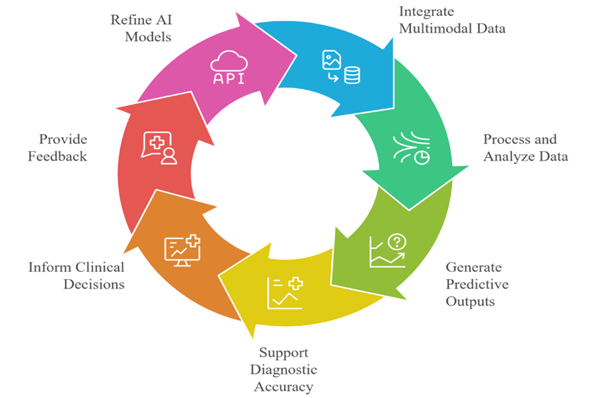
Figure 1. Conceptual Framework of AI-Driven Early Cancer Detection
Example of an artificial intelligence-based early cancer detection system. Machine learning and deep learning models are integrated with multimodal data sources such as medical imaging, circulating tumor biomarkers, metabolomic signatures, and electronic health records. The AI system takes complex data and reduces it to generate predictive outputs that help measure diagnostic accuracy and inform clinical decisions. The framework places strong emphasis on feedback loops between clinicians and AI systems to maintain contextual interpretation and ongoing model refinement.
Altogether, AI methods for early cancer diagnosis show great promise for improving diagnostic accuracy through computational complexity and large datasets in medicine. However, model validation, dataset representativeness, algorithm transparency, and clinical contextualization remain key factors that should ensure safe and effective application in oncology practice.
Impact of Artificial Intelligence on Diagnostic Accuracy
Effective early cancer detection depends on a fundamental factor: diagnostic accuracy. In oncology, early-stage malignancies are often characterized by minor morphological or molecular changes that may be challenging to detect solely with conventional diagnostic methods. Artificial Intelligence (AI), or more specifically, machine learning (ML) and deep learning (DL), has demonstrated significant capabilities to improve diagnostic performance by increasing sensitivity, specificity, and predictive reliability.
Evaluation Metrics in AI-Based Diagnostic Systems
The efficacy of AI-based diagnostic models is generally evaluated using conventional indicators, including sensitivity, specificity, accuracy, precision, F1-score, and the area under the receiver operating characteristic curve (AUC-ROC). Proper evaluation design and a sufficient sample size calculation are the keys to obtaining statistically valid conclusions in diagnostic accuracy research [1]. The scope of reporting requirements, including STARD 2015, has focused on transparency in methods, sample selection, and statistical analysis to enhance reproducibility and clinical dependability [7].
Such systematic reviews in other medical diagnostic settings have shown that methodological rigor does play a significant role in the reported accuracy outcomes [19], [23]. The presented results are specifically applicable to AI-based oncology systems, where inflated performance metrics can result from biased datasets, poor validation, or insufficient management of imbalanced classes [2].
AI Versus Conventional Diagnostic Approaches
The AI-based diagnostic tools have several benefits as compared to the rule-based or clinician-only interpretation:
1. Pattern Recognition at Scale: DL algorithms can identify fine-grained image and molecular patterns beyond the domain of human senses.
2. Minimization of Inter-Observer Variability: Automated systems yield similar results, thereby reducing variation among clinicians.
3. High-Dimensional Data Integration: Multimodal ML systems integrate imaging, biomarker, and clinical data to enhance predictive power [13], [24].
ML classification algorithms have demonstrated better predictive performance than conventional statistical methods for breast cancer [16]. In combination with metabolomic profiling and liquid biopsy, an AI system enhances the ability to detect at an earlier stage [5], [22].
Table 3. Comparison Between Conventional and AI-Assisted Diagnostic Systems
|
Parameter |
Conventional Diagnostics |
AI-Assisted Diagnostics |
Supporting Reference |
|
Feature Extraction |
Manual interpretation by a clinician |
Automated feature learning (ML/DL) |
[13] |
|
Sensitivity in Early Stage |
Moderate; may miss subtle findings |
Higher detection of subtle patterns |
[16], [22] |
|
Inter-Observer Variability |
High |
Low (standardized algorithmic output) |
[7] |
|
Handling High-Dimensional Data |
Limited |
Efficient multidimensional integration |
[13], [24] |
|
Risk of Bias |
Human cognitive bias |
Dataset and algorithmic bias |
[2], [21] |
|
Reporting Standardization |
Variable adherence |
Requires structured validation (STARD) |
[7] |
Clinical Significance of Improved Diagnostic Accuracy
The enhanced level of clinical pathways is directly affected by improved diagnostic accuracy. The increased sensitivity minimizes false negatives, which allows a therapist to intervene sooner and increase the chances of survival. Greater specificity reduces the risk of false positives, unnecessary biopsies, patient anxiety, and health care costs.
The emerging research on biomarkers indicates that combining AI with circulating tumor markers improves early-stage detection [24]. Similarly, AI-based metabolomic analysis enables the identification of biochemical changes associated with tumor emergence [5]. Such systems are not only related to the clinical value of the algorithms but also to how these algorithms are used in the context of interpretation in healthcare settings [21].
Notably, translating better diagnostic measures into clinical usefulness is important and must be measured by a standard validation study, open reporting, and testing on external data [7].
Improvements in diagnosis, however, should be taken
with caution. AI models trained on non-representative populations cannot effectively generalize. The artificial inflation of total accuracy and the low sensitivity to clinically significant cases are caused by class imbalance, in which early cancer cases are underrepresented [2].
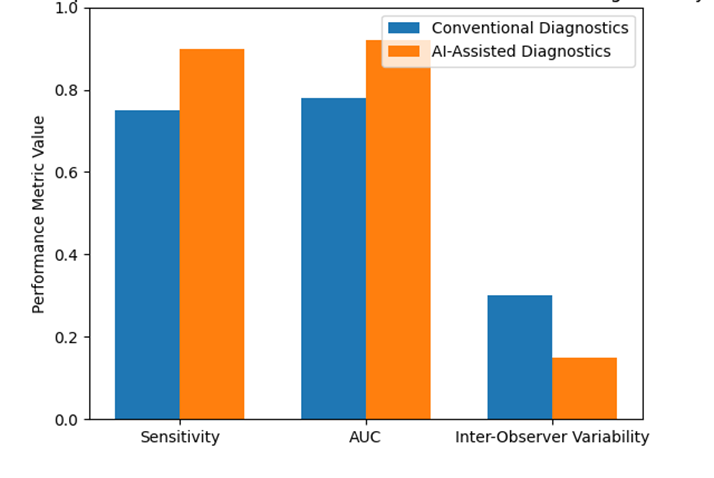
Figure 2: Comparative performance of AI-assisted and conventional diagnostic systems.
cancer detection, with metrics for diagnostic performance. The figure shows increases in sensitivity and AUC with the adoption of AI, along with a decrease in inter-observer variability. Although AI boosted systems are more effective in pattern recognition and processing of high-dimensional data, one of the main issues identified by the framework is the potential threats to the system in terms of imbalance in data sets and algorithmic bias, which need to be carefully validated and reported accordingly.
To conclude, AI has demonstrated a quantifiable ability to improve diagnostic accuracy in early cancer cases. However, achieving clinically significant outcomes requires a methodological design, an equal dataset, compliance with reporting standards, and consideration in current healthcare decision-making.
Influence of Artificial Intelligence on Clinical Decision-Making
Although the increase in diagnostic accuracy is a vital addition to Artificial Intelligence (AI) in cancer, its impact is more significant in clinical decision-making. Early cancer detection is not in operation by itself; it directly influences decisions down the line about additional testing, biopsy recommendations, treatment choices, surveillance approaches, and patient counseling. Therefore, the integration of AI into diagnostic pathways can have significant implications for how clinicians perceive the evidence, manage uncertainties, and develop therapeutic plans.
5.1 AI as Clinical Decision-Support System.
Introduced oncology AI systems are used in the form of Clinical Decision Support Systems (CDSS), which employ probabilistic risk assessments, predictive models, and structured recommendations. However, unlike classical rule-based systems, modern machine learning (ML) and deep learning (DL) models can process high-dimensional data sets and optimize predictive performance in response to new information. Multimodal ML that employs imaging, molecular biomarkers, and electronic health records can augment the context of AI-based insights [13].
Various contextual factors, such as institutional protocols, time constraints, experience, and clinicians' patient-specific characteristics, influence clinical decision-making [21]. Cognitive load can be minimized through AI-driven systems that synthesize complex data into forms that can be easily processed into risk scores or classification outputs, helping make more informed, timely decisions. In high-workload settings with a shortage of specialists, AI can serve as an additional layer of analysis, enhancing consistency and shortening diagnosis time.
Risk Stratification and Personalized Medicine.
A major AI contribution in the detection of early cancer is its ability to stratify risk. The use of AI enables the identification of patient risk levels by analyzing demographic data, genetic markers, imaging findings, and metabolic signatures. Consequently, it provides customized screening intervals and intervention plans. ML classification algorithms based on breast cancer prediction models have been shown to have better predictive ability for identifying high-risk individuals [16]. AI systems can also be used to customize a risk profile further when combined with new biomarker technologies, such as circulating tumor DNA and other molecular indicators [22], [24].
This AI-based personalization aligns with the shift toward accuracy in oncology. Instead of implementing standardized screening procedures, clinicians can use AI to prescribe specific diagnostic tests to patients at high risk. This is the best method for improving early detection rates and maximizing the allocation of healthcare resources, since it prioritizes high-risk populations.
Enhancing Clinical Workflow Efficiency
In addition to predictive analytics, AI can be used to optimize clinical workflow. AI-based documentation systems have shown the potential to reduce administrative workload and increase data accessibility, enabling clinicians to devote more attention to patient care [6]. AI-based triage in oncology departments with high volumes of diagnostic imaging can help prioritize suspicious cases and review them more quickly.
It has been shown that technological tools do affect clinical reasoning and judgment processes [11]. Properly incorporated AI systems can enhance confidence in diagnosis by providing a second opinion on clinician evaluations. Nevertheless, clinician skills and AI performance should be well-balanced, not to be overreliant or automation-biased. To successfully implement AI, clinicians should not unthinkingly follow its recommendations.
Ethical Considerations and Trust in AI Systems
The introduction of AI into clinical decision-making raises valuable ethical and professional issues. Reliance on AI outcomes is based on transparency and interpretability of algorithms, and on validity in real-world settings across different patient groups. Bias in datasets: Bias in datasets can affect the fairness and generalizability, especially in unequal medical datasets [2]. Unless training data are sufficiently diverse demographically and biologically, AI systems might perpetuate healthcare inequalities.
Furthermore, broader social discourses about the use of AI focus on the role of literacy and professional readiness in technologically changing settings [14], [18]. The application of AI in health care requires clinicians to be literate in it to use it responsibly and correctly interpret model outputs. The role of AI in the professional sphere is perceived differently, and attitudes toward algorithmic support can predict adoption and implementation outcomes [9].
Standards of regulatory and reporting are also quite important in building trust. There is a need for transparent evaluation protocols and compliance with structured diagnostic reporting guidelines to validate clinical performance and ensure patient safety [7]. The lack of strict monitoring may undermine clinical trust and ethical practice if under-validated systems are prematurely implemented.
Human–AI Collaboration in Oncology
Instead of substituting clinicians, AI is also being viewed as an augmentative device in a cooperative human-AI model. This paradigm uses high-speed computational analysis and pattern recognition, along with AI and clinicians' contextual judgment, ethical reasoning, and patient-centered communication. These two factors (computational precision and medical judgment) also enhance diagnostic reliability and support clinical decision-making.
Significantly, the better the diagnostic metrics, the better the patient outcomes are not necessarily. Clinical decision-making is the process of interpreting risk through the prism of patient preferences, comorbidities, and socioeconomic factors. The probabilities generated by AI must thus be incorporated into holistic clinical reasoning processes [21]. AI can facilitate shared decision-making when effectively deployed, as it can provide quantitative risk data that improves patient knowledge and interest.
Challenges in Clinical Integration
Although it has potential, several challenges remain to the full introduction of AI into early cancer detection pathways. These include:
· Inconsistency in electronic health record interoperability.
· Lack of quality labelled datasets.
· Technological reluctance to change.
· Accountability and legal issues.
· The threat of data privacy and cybersecurity.
Moreover, predictive performance can deteriorate when models are used on external populations different from those used in the training datasets [12], [17]. Constant monitoring, model recalibration, and additional validation are consequently critical for safe clinical implementation.
Finally, AI has a significant impact on clinical decision-making in early cancer detection by facilitating risk stratification and diagnostic interpretation, as well as optimizing clinical workflows. Nevertheless, its success depends on the rigor of the methodology, an ethical governance framework, clinician training, and a cautious incorporation into current healthcare frameworks. Human-AI collaborative approach is a key element in achieving the utmost clinical benefit and protecting patient-centered care.
Challenges, Limitations, and Ethical
Considerations in AI-Based Early Cancer Detection
Although the potential of Artificial Intelligence (AI) to detect cancer earlier is extensive, multiple methodological, technical, clinical, and ethical issues prevent its smooth integration into the healthcare system. These limitations should be critically assessed to achieve safety, equity, and clinical effectiveness.
Data Quality, Imbalance, and Generalizability
The quality of the datasets used by AI systems is crucial to their performance. In cancer diagnostics, the majority of screening datasets are often dominated by early-stage cancer cases, which results in a class imbalance issue that can affect model learning and cause predictive results to be biased towards the majority [2]. Although overall accuracy might not be low, the sensitivity for detecting the onset of small malignancies might not be perfect, which could compromise clinical significance.
In addition, models trained on datasets based on specific geographic, ethnic, or institutional populations may be ineffective at generalizing to the broader clinical setting. It has been demonstrated that similar performance degradation occurs in other ML fields when models are deployed on external datasets that differ from their training distributions [12], [17]. As a result, there is a need for external validation and the inclusion of sub-sets in multicenter data to promote generalization and robust clinical translation.
Further, it is important to use an appropriate study design, such as proper sample size estimation, to avoid overfitting and exaggerated performance measures [1]. Such transparency in reporting, as in STARD 2015, also highlights methodological purity in research on diagnostic accuracy [7]. AI systems are likely to produce untrustworthy or inaccurate clinical results unless they undergo rigorous validation.
Algorithms Transparency and Interpretability.
Most modern deep learning systems are black-box systems, i.e., they do not provide explanations that can be easily broken down and understood. Clinicians might be unwilling to follow algorithmic guidance that cannot be explained in high-stakes areas like oncology. Contextual, cognitive, and systemic factors influence clinical decision-making [21], and non-transparent AI outputs may conflict with established diagnostic reasoning models.
Explainable AI (XAI) has thus become increasingly imperative. The mechanisms of interpretability, e.g., attention maps in imaging models or feature importance rankings in structured datasets, can be used to build more clinician trust and enable meaningful human-AI collaboration. In the absence of transparency, the adoption could be impeded by the lack of trust and medico-legal issues.
6.3 Ethical Concerns and Bias
Algorithms pose a serious ethical dilemma in the early detection of cancer using AI. When training data is biased against certain groups, predictive models can disproportionately affect all groups, worsening current healthcare disparities. This is also aggravated by the imbalance in the data [2].
In addition to the technical bias, ethical factors were patient consent to use the data, privacy of the information, and data security risks. As more AI systems rely on electronic health records and genomic data, there is a need for robust security measures to prevent unauthorized access and misuse. Wider debates on the use of AI in the workplace focus on the need to address literacy, regulation, and responsible innovation [14], [18].
6.4 Regulatory and Clinical Validation Barriers
Regulatory approval and adherence to healthcare standards are necessary to translate AI systems from research prototypes into clinical use. The same diagnostic accuracy results shown in controlled research settings may not necessarily translate into clinical benefit in the real world. Before widespread adoption, structured validation research, compliance with reporting standards, and prospective clinical trials are a requirement [7].
New biomarker technologies and metabolomic platforms, though potentially useful for early detection [5], [22], [24], must be rigorously validated in combination with AI systems. There must be safety, reproducibility, and measurable clinical impact, especially in life-critical areas, such as oncology, which are required by regulatory bodies.
6.5 Human Factors and AI Literacy
The implementation of AI is not limited to algorithm performance but also requires clinician preparation and acceptance. To adequately interpret outputs and identify potential limitations, clinical professionals should be AI-literate [14]. The overuse of automated systems can lead to automation bias, whereas the underuse can undermine their potential advantages.
Research examining perceptions of AI in professional settings indicates that attitudes towards technological augmentation significantly affect adoption outcomes [9]. Thus, to encourage the successful human-AI partnerships, educational programs, interdisciplinary cooperation, and an institutional support framework are required.
Overall, AI has transformative potential for early cancer detection. However, its successful application is possible provided that methodological limitations are addressed, datasets are representative, interpretability is improved, ethical standards are observed, and clinicians are engaged. A level and critically informed response is needed to implement computational progress into secure, equitable, and clinically significant modifications in the practice of oncology.
CONCLUSION :
The field of early cancer detection is changing rapidly, and Artificial Intelligence (AI) is opening unprecedented opportunities to achieve greater diagnostic accuracy and improve clinical decision-making. The importance of early, dependable, and scalable methods of cancer detection has become pressing as the cancer issue has become a major health concern in the world today. Developments in machine learning (ML), deep learning (DL), and multimodal data integration have significantly increased sensitivity, specificity, and predictive performance across diverse oncology applications. In combination with other emerging technologies, including circulating tumor DNA analysis, metabolomic profiling, and an advanced biosensor system, AI-based methods offer a strong framework for earlier and more effective identification of malignancies [5], [22], [24].
The introduction of AI into the diagnostic pathways has been discussed in the context of technical and clinical issues throughout this study. AI-based systems demonstrate strong capabilities in analyzing high-dimensional imaging and molecular data, inter-observer variation, and diagnostic interpretation variability. Furthermore, AI-based risk stratification can be employed to enhance the use of personalized screening strategies and more rational therapeutic planning, which aligns with the future objectives of precision oncology [13], [16]. AI systems can complement clinician knowledge, optimize workflow, and enhance efficiency in more complex health care settings by serving as clinical decision-support systems [6], [21].
Nevertheless, the implementation of AI for early cancer detection is only successful if several important challenges are addressed. The imbalance and representativeness of datasets play a big role in the reliability and fairness of the model [2]. There should be transparent reporting standards and strict validation measures to guarantee methodological soundness and reproducibility [1], [7]. Also, ethical issues such as algorithmic bias, data privacy, cybersecurity, and clinician overreliance should be addressed effectively to preserve patient trust and ensure even-handed healthcare provision. The need to introduce AI literacy in the healthcare setting also underscores the importance of interdisciplinary collaboration and well-organized educational programs [14], [18].
Notably, AI cannot be considered a substitute for clinical experience, but it should be an analytical ally of a human-AI system. Although a computational model is a powerful tool for identifying patterns and processing large amounts of data, clinicians offer more contextual interpretation, ethical reasoning, and patient-centered communication that a computer in oncology cannot replace. The combination of cutting-edge computational intelligence and human clinical intuition is the most promising avenue to better diagnostic results.
In conclusion, Artificial Intelligence has the potential to transform the future of early cancer detection and improve clinical decision-making. AI helps make healthcare more accurate and proactive by improving diagnostic accuracy, supporting individualized care plans, and optimizing healthcare processes, thereby advancing a more precise oncology paradigm. However, its clinical benefits can be optimally achieved only through further research, standardized validation, ethical governance, and responsible implementation. A balanced, evidence-based, and patient-focused approach will be essential as technological capabilities advance, enabling AI innovations to translate into significant improvements in global cancer outcomes.
BIBLIOGRAPHY:
1. Akoglu, H. (2022, October 1). User’s guide to sample size estimation in diagnostic accuracy studies. Turkish Journal of Emergency Medicine. Wolters Kluwer Medknow Publications. https://doi.org/10.4103/2452-2473.357348
2. Altalhan, M., Algarni, A., & Turki-Hadj Alouane, M. (2025). Imbalanced Data Problem in Machine Learning: A Review. IEEE Access, 13, 13686–13699. https://doi.org/10.1109/ACCESS.2025.3531662
3. Ayers, S., Coates, R., Sinesi, A., Cheyne, H., Maxwell, M., Best, C., … Jomeen, J. (2024). Assessment of perinatal anxiety: diagnostic accuracy of five measures. British Journal of Psychiatry, 224(4), 132–138. https://doi.org/10.1192/bjp.2023.174
4. Al-Rumaih, M. H., Al-Ahmari, M. S., & Kishta, W. (2025, June 1). The role of artificial intelligence (AI) in paediatric orthopaedic surgery. Journal of Orthopaedic Reports. Elsevier B.V. https://doi.org/10.1016/j.jorep.2024.100416
5. Bernhardt, G. V., Bernhardt, K. L., Pinto, J. R. T., & Vashe, A. (2025). Metabolomics in cancer detection: A review of techniques, biomarkers, and clinical utility. BioMedicine (Taiwan), 15(3). https://doi.org/10.37796/2211-8039.1665
6. Bracken, A., Reilly, C., Feeley, A., Sheehan, E., Merghani, K., & Feeley, I. (2025, December 1). Artificial Intelligence (AI) – Powered Documentation Systems in Healthcare: A Systematic Review. Journal of Medical Systems. Springer. https://doi.org/10.1007/s10916-025-02157-4
7. Cohen, J. F., Korevaar, D. A., Altman, D. G., Bruns, D. E., Gatsonis, C. A., Hooft, L., … Bossuyt, P. M. M. (2021). Stard 2015 guidelines for reporting diagnostic accuracy studies: Explanation and elaboration. translation to russian. Digital Diagnostics, 2(3), 313–342. https://doi.org/10.17816/DD71031
8. Chacko, N., & Ankri, R. (2025, December 1). Non-invasive early-stage cancer detection: current methods and future perspectives. Clinical and Experimental Medicine. Springer Science and Business Media Deutschland GmbH. https://doi.org/10.1007/s10238-024-01513-x
9. Dixon, N., & Cox, A. (2025). Fiction writing workshops to explore staff perceptions of artificial intelligence (AI) in higher education. AI and Society, 40(5), 3983–3998. https://doi.org/10.1007/s00146-024-02157-x
10. Ge, W., De Silva, R., Fan, Y., Sisson, S. A., & Stenzel, M. H. (2025, March 19). Machine Learning in Polymer Research. Advanced Materials. John Wiley and Sons Inc. https://doi.org/10.1002/adma.202413695
11. Jans, C., Bogossian, F., Andersen, P., & Levett-Jones, T. (2023, June 1). Examining the impact of virtual reality on clinical decision making – An integrative review. Nurse Education Today. Churchill Livingstone. https://doi.org/10.1016/j.nedt.2023.105767
12. Khattab, N. F., Alazaidah, R., Al-Shaikh, A., Youssef, N., Alshdaifat, N., & Dmour, M. (2025). Vehicle Classification using Machine Learning Techniques. WSEAS Transactions on Computer Research, 13, 1–13. https://doi.org/10.37394/232018.2025.13.1
13. Krones, F., Marikkar, U., Parsons, G., Szmul, A., & Mahdi, A. (2025). Review of multimodal machine learning approaches in healthcare. Information Fusion, 114. https://doi.org/10.1016/j.inffus.2024.102690
14. Kong, S. C., Korte, S. M., Burton, S., Keskitalo, P., Turunen, T., Smith, D., … Beaton, M. C. (2025). Artificial Intelligence (AI) literacy–an argument for AI literacy in education. Innovations in Education and Teaching International. Routledge. https://doi.org/10.1080/14703297.2024.2332744
15. López, J. G., Muñoz, M., Arias, V., García, V., Calvo, P. C., Ondo-Méndez, A. O., … Fonthal, F. (2025, February 1). Electrochemical and Optical Carbon Dots and Glassy Carbon Biosensors: A Review on Their Development and Applications in Early Cancer Detection. Micromachines. Multidisciplinary Digital Publishing Institute (MDPI). https://doi.org/10.3390/mi16020139
16. La Moglia, A., & Mohamad Almustafa, K. (2025). Breast cancer prediction using machine learning classification algorithms. Intelligence-Based Medicine, 11. https://doi.org/10.1016/j.ibmed.2024.100193
17. Mudassir, M., Bennbaia, S., Unal, D., & Hammoudeh, M. (2025). Time-series forecasting of Bitcoin prices using high-dimensional features: a machine learning approach. Neural Computing and Applications, 37(28), 22979–22993. https://doi.org/10.1007/s00521-020-05129-6
18. Mohd Amin, M. R., Ismail, I., & Sivakumaran, V. M. (2025, January 1). Revolutionizing Education with Artificial Intelligence (AI)? Challenges and Implications for Open and Distance Learning (ODL). Social Sciences and Humanities Open. Elsevier Ltd. https://doi.org/10.1016/j.ssaho.2025.101308
19. Malek-Ahmadi, M., & Nikkhahmanesh, N. (2024). Meta-analysis of the diagnostic accuracy of the Montreal Cognitive Assessment in amnestic mild cognitive impairment. Frontiers in Psychology. Frontiers Media SA. https://doi.org/10.3389/fpsyg.2024.1369766
20. Rosa-Remedios, C., & Caballero-Gil, P. (2025). Optimizing quantum machine learning for proactive cybersecurity. Optimization and Engineering, 26(4), 2321–2353. https://doi.org/10.1007/s11081-024-09934-z
21. Schuler, K., Jung, I. C., Zerlik, M., Hahn, W., Sedlmayr, M., & Sedlmayr, B. (2025). Context factors in clinical decision-making: a scoping review. BMC Medical Informatics and Decision Making, 25(1). https://doi.org/10.1186/s12911-025-02965-1
22. Thomas, D. S., Chai, J., & Lu, Y. J. (2025). The development and applications of circulating tumour cells, circulating tumour DNA, and other emerging biomarkers for early cancer detection. Exploration of Targeted Anti-Tumor Therapy. Open Exploration Publishing Inc. https://doi.org/10.37349/etat.2025.1002314
23. Yoshida, T., Yoshida, T., Noma, H., Nomura, T., Suzuki, A., & Mihara, T. (2023, December 1). Diagnostic accuracy of point-of-care ultrasound for shock: a systematic review and meta-analysis. Critical Care. BioMed Central Ltd. https://doi.org/10.1186/s13054-023-04495-6
24. Zafar, S., Hafeez, A., Shah, H., Mutiullah, I., Ali, A., Khan, K., … Leyva-Gómez, G. (2025). Emerging biomarkers for early cancer detection and diagnosis: challenges, innovations, and clinical perspectives. European Journal of Medical Research, 30(1). https://doi.org/10.1186/s40001-025-03003-6
Zhang, H., Liu, Y., Zhang, C., & Li, N. (2025, January 1). Machine Learning Methods for Weather Forecasting: A Survey. Atmosphere. Multidisciplinary Digital Publishing Institute (MDPI). https://doi.org/10.3390/atmos16010082