Frequency of and Factors Associated with Severe Maternal Morbidity
- Dr Pirah Khuhro , MBBS , FCPS (OBS & GYNAE) JINNAH POSTGRADUATE MEDICAL CENTRE KARACHI PAKISTAN 03353328644
- Dr Hira Gul , JINNAH POSTGRADUATE MEDICAL CENTRE KARACHI PAKISTAN 0337 8046893
- Dr Omema Akhtar , JINNAH POSTGRADUATE MEDICAL CENTRE KARACHI PAKISTAN 0332 3134457
- Dr Shafaq Ismail , JINNAH POSTGRADUATE MEDICAL CENTRE KARACHI PAKISTAN 03218991432
- Dr Mahrukh , JINNAH POSTGRADUATE MEDICAL CENTRE KARACHI PAKISTAN 03009123851
- Prof Dr Haleema yasmin , JINNAH POSTGRADUATE MEDICAL CENTRE KARACHI PAKISTAN 0300 2162000.
Article Information:
Abstract:
Background: Severe Maternal Morbidity (SMM) is a life-threatening complication in the course of pregnancy, childbirth, or postpartum, and is a crucial measure of the quality of maternal healthcare. SMM incidence is on the rise in the low- and middle-income countries around the globe, which requires the need to define risk factors and inform preventive measures. The current research was used to establish the rate and the determinants of severe maternal morbidity. Methods: The study was a cross-sectional study done in the Jinnah Postgraduate Medical Centre, Karachi, over a period of six months, starting on 1st March 2025, to 31st August, 2025, and a sample of 87 women with obstetric complications was used. The data was gathered using a pro forma, and it contained the maternal age, BMI, parity, mode of delivery, educational status, income, and related complications like postpartum haemorrhage, hypertensive disorders, infection, and cardiopulmonary complications. SPSS version 25 was used to conduct statistical analysis, and the Fisher exact test was applied, and a p-value ≤0.05 was considered to be significant. Results: Among 87 obstetric admissions with maternal morbidity, the majority (39.8%) had hypertensive disorders, followed by antepartum hemorrhage (17.0%), postpartum hemorrhage (13.6%), sepsis (9.1%), infected wounds (8.0%), ruptured uterus (5.7%), and scar dehiscence (5.7%). Severe maternal morbidity (SMM) was present in 52% of cases. Significant associations with SMM were observed for hypertension (p = 0.041), sepsis (p = 0.018), and ruptured uterus (p = 0.006). Conclusion: The high prevalence of SMM in this study highlights the urgent need for strengthening maternal health services, particularly targeting women with low education, low income, and those residing in rural areas.
Keywords:
Article :
INTRODUCTION:
The health of women is still a pillar of the global population's health, considering the overall quality of healthcare systems and the socioeconomic progress. Although maternal mortality has significantly declined in the past decades, it still remains a challenge to be faced in most parts of the world. As reported by the World Health Organization (WHO) about 287,000 women die annually as a result of pregnancy and childbirth complications, of which 99 percent are present in low and middle-income countries (LMICs)1, 2. Although the use of maternal mortality as the main metric of maternal health had been the focus historically, the focus has moved towards severe maternal morbidity (SMM) as a significant complement of mortality metrics3, 4.
The results of clinical outcomes during pregnancy and childbirth vary between poor births and maternal mortality. Severe maternal morbidity lies at the vital midpoint of this spectrum, where a woman is endowed with potentially fatal dysfunctions but survives, often through the provision of timely medical care5. It is called the maternal near miss coined by the World Health Organization and is defined as women who narrowly escape severe challenges during pregnancy, giving birth, or the 42 days after giving birth6, 7.Both terms, SMM and near miss, are essential because they enable healthcare professionals and policymakers to promote the assessment of the burden of maternal health issues in addition to the mortality rates.
Lack of consensus on definitions and standard criteria is one of the problems in examining SMM. In 2012, global maternal health organizations emphasized that there was a critical necessity in the development of consistent indicators and surveillance instruments to improve the monitoring of severe complications, care quality, and preventative measures8. This was followed by the suggestion of a number of scoring systems and clinical criteria, which include the indicators of intensive care unit (ICU) admission, receiving more than three units of blood transfusion, re-intervention, prolonged intubation, and organ dysfunction9, 10. Such indicators have since been used in different settings to approximate the burden and determinants of SMM.
The world has a wide range of uses of SMM, with the use of SMM varying between 0.6 percent and more than 15 percent based on the population traits, research design, and its definitions11. Recent studies consistently report postpartum hemorrhage and hypertensive disorders as leading contributors to severe maternal morbidity, followed by sepsis and cardiopulmonary complications12, 13. A multi-country analysis found that postpartum hemorrhage accounted for nearly half of all SMM cases, while hypertensive complications contributed about 20%, and severe infections about 6%14, 15. Moreover, factors such as maternal age, pre-existing comorbidities, parity, access to timely obstetric care, and socioeconomic disparities have been associated with the risk of developing SMM16.
Jinnah Postgraduate Medical Centre (JPMC) is a major tertiary-care referral hospital in Karachi, serving as one of the largest obstetric emergency centers for Sindh and Balochistan provinces. Most of the obstetric admissions represent secondary or tertiary referrals, frequently arriving in critical condition after prolonged delays in seeking or reaching care (the “third delay”). Consequently, the burden and spectrum of severe maternal morbidity (SMM) observed at JPMC are substantially higher than global estimates, which average around 15%, reflecting the referral bias and the advanced stage of disease presentation typical of such centers in low- resource settings.
Despite the global importance of this issue, there remains a paucity of locally generated data in South Asia, particularly in countries such as Pakistan, India, and Bangladesh, where unique demographic, cultural, and healthcare system factors shape maternal health outcomes. Most available evidence is derived from retrospective analyses or hospital-based registries in high-income countries, which may not adequately reflect the burden of SMM in resource-constrained settings. The present study is therefore designed to determine the frequency of and factors associated with severe maternal morbidity.
MATERIAL AND METHODS:
This study was conducted as a cross-sectional study in the Department of Obstetrics and Gynecology, Jinnah Postgraduate Medical Centre (JPMC), Karachi. The study was carried out over six months from 1st March, 2025, to 31st August, 2025, following the approval of the synopsis from the Ethical Review Committee (ERC) of JPMC (Approval number: No.F.2-81/2025- GENL/243JPMC; Dated:1st March, 2025).
The sample size was calculated using the OpenEpi sample size calculator. Considering the frequency of severe maternal morbidity as 17.5%, with a margin of error of 8% and a 95% confidence interval, a minimum of 87 patients was required17.
The method used was non-probability consecutive sampling. This research included all pregnant women between the ages of 18 and 35 who gave their informed consent and were treated as booked cases in the department during the study period. Women with pre-existing illnesses, such as heart disease, chronic liver disease, chronic kidney disease, or convulsions from epilepsy or other causes, or those who were more than 40 days postpartum, were excluded.
Females who reported to the Obstetrics and Gynecology Outpatient Department and qualified according to the eligibility criteria were selected. Before admission, they were informed about the objectives and procedures of the study, and their informed consent was obtained in writing. All the data were collected, including age, height, weight, body mass index (BMI), parity, method of delivery, socioeconomic status, and residential status, and were observed until delivery. The respondents were evaluated on severe maternal morbidity as per the operational definition. Women who were found to have severe maternal morbidity were also assessed to establish the factors involved. All the data were entered in a structured proforma made to carry out this study.
Severe maternal morbidity (SMM) was determined by scoring. Points were given to women who had at least one of the following: failure of at least one organ system (5 points), transfusion of more than three units of red blood cells (3 points), intubation for more than 12 hours (2 points), unexpected surgical intervention (1 point), or admission to the intensive care unit (4 points). Women who received a total score of eight or above were categorized as having severe maternal morbidity when the scores were added up.
According to the definition of associated factors of SMM, postpartum hemorrhage was identified when blood loss, as measured using absorbing pads, exceeded 500 milliliters following vaginal delivery or 1,000 milliliters following cesarean section. After 20 weeks of pregnancy, hypertensive problems were defined as blood pressure above 140/90 mmHg twice, six hours apart, with or without proteinuria. Women who had at least one of the following symptoms: cardiomyopathy, cardiac arrest, acute respiratory distress syndrome (ARDS), or pulmonary edema were classified as having acute cardiopulmonary problems.
Infection was considered present when fever was associated with urinary symptoms such as frequency, urgency, retention, incontinence, gross hematuria, or suprapubic/costovertebral angle tenderness, combined with ≥10³ colony-forming units of organisms in urine culture.
 Data were entered and analyzed using the Statistical Package for Social Sciences (SPSS) version 26. The Shapiro–Wilk test was applied to assess the normality of quantitative variables such as age, gestational age, height, weight, and BMI. As the data were non- normally distributed, the median and range were reported. Frequencies and percentages were calculated for categorical variables such as parity, mode of delivery, educational status, socioeconomic status, residential status, severe maternal morbidity, and associated factors. The stratification was done based on age, gestational age, BMI, mode of delivery, educational status, socioeconomic status, and residential status to adjust the effect modifiers. The Fisher's exact test was used after stratification. The p- value lower than 0.05 was taken to be statistically significant.
RESULTS:
The descriptive statistics of the study participants (n=87) revealed that most of the women are young adults with a median age of 27 years. The age group fell between 20-30 years (almost 3/4 or 72% of the respondents), with the ones falling outside the age brackets being fewer. Body weight was at the upper end of the normal range, with over half of the women (about 56) having a body mass of 60-75 kg, and only a small percentage of women were less than 50 kg or over 90 kg. The median was approximately 1.6 meters, and the majority (approximately 68 percent) of women were between 1.5-1.6 meters, with very few being above 1.7 meters. The mean body mass index (BMI) reflected that most of the individuals included in the study were either overweight or obese, as almost two-thirds (64) of the participants were found to have a BMI exceeding 25kg/m2 when compared to the normal range of BMI. (Table 1)
Table 1. Baseline Characteristics of the study participants (n=87)
|
Variable |
Median (Range) |
Minimum |
Maximum |
|
Age (years) |
27 (18 – 35) |
18 |
35 |
|
Weight (kg) |
68.1 (45.2 – 94.5) |
45.2 |
94.5 |
|
Height (m) |
1.58 (1.46 – 1.75) |
1.46 |
1.75 |
|
BMI (kg/m²) |
26.2 (15.9 – 42.6) |
15.9 |
42.6 |
Among the study participants, just over half were multiparous (51.1%), while nearly an equal proportion were primiparous (47.7%). The majority were delivered through cesarean section (61.4%), whereas 37.5% had a vaginal delivery. In terms of residential status, more than half of the women belonged to rural areas (52.3%), while 46.6% were from urban settings. Regarding socioeconomic status, one-fourth of the participants (25.0%) reported a monthly household income of ≤20,000 PKR, whereas 39.8% fell into the middle-income bracket of 50,000–100,000 PKR, and 34.1% earned more than 100,000 PKR monthly. Educational background varied considerably, with 18.2% of women being illiterate, 22.7% having received primary education, 13.6% secondary education, 20.5% intermediate education, and 23.9% attaining graduate-level or higher qualifications. (Table 2)
Table 2: Baseline Characteristics of the study participants (n=87)
|
Variable |
Categories |
n (%) |
|
Parity |
Multipara |
45 (51.1%) |
|
|
Primipara |
42 (47.7%) |
|
Mode of Delivery |
C-section |
54 (61.4%) |
|
|
Vaginal |
33 (37.5%) |
|
Residential Status |
Rural |
46 (52.3%) |
|
|
Urban |
41 (46.6%) |
|
Monthly Income |
≤20,000 |
22 (25.0%) |
|
|
50,000–100,000 |
35 (39.8%) |
|
|
>100,000 |
30 (34.1%) |
|
Educational Status |
Illiterate |
16 (18.2%) |
|
|
Primary |
20 (22.7%) |
|
|
Secondary |
12 (13.6%) |
|
|
Intermediate |
18 (20.5%) |
|
|
Graduate+ |
21 (23.9%) |
Severe maternal morbidity was observed in the vast majority of participants, affecting 46 (52.9%) of women, while 41 (47.1%) did not experience such morbidity. (Figure 1)
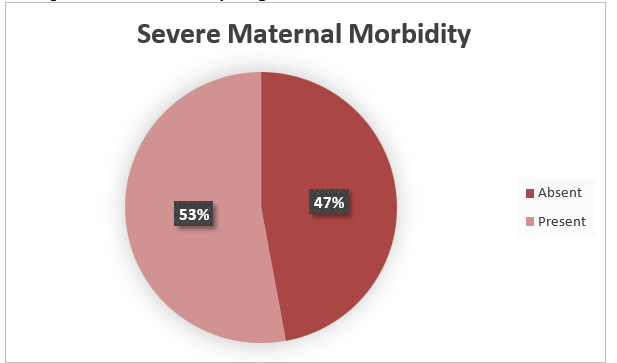
Figure 1: A pie chart showing the Frequency of Severe Maternal Morbidity (SMM)
The most prevalent cause of maternal morbidity was hypertension among the 87 cases studied at 39.8%. This was followed by antepartum hemorrhage (APH) at 17.0%, and postpartum hemorrhage (PPH) was present in 13.6% of the cases. Sepsis was present in 9.1%, and an infected wound was measured in 8.0%. Other less common complications included ruptured uterus and scar dehiscence, each 5.7% of the total cases. (Table 3)
Table 3: Frequency of Associated Factors of Severe Maternal Morbidity (SMM) of the study participants (n=87)
|
Maternal Morbidity |
n (%) |
|
Hypertension |
35 (39.8) |
|
Antepartum Hemorrhage (APH) |
15 (17.0) |
|
Postpartum Hemorrhage (PPH) |
12 (13.6) |
|
Sepsis |
8 (9.1) |
|
Infected wound |
7 (8.0) |
|
Ruptured uterus |
5 (5.7) |
|
Scar dehiscence |
5 (5.7) |
Hypertensive disorders were the most frequent, present in 39.8% of cases, with a statistically significant association with SMM (p = 0.041). Antepartum hemorrhage was reported in 17.0%, though no significant association was found (p = 0.327). Postpartum hemorrhage occurred in 13.6%, but the relationship with SMM was not statistically significant (p = 0.112). Sepsis was observed in 9.1%, showing a significant association with SMM (p = 0.018). Infected wounds were recorded in 8.0% of cases, without a significant link (p = 0.287). Ruptured uterus accounted for 5.7% and showed a highly significant association with SMM (p = 0.006). Scar dehiscence was also noted in 5.7%, but no significant relationship was found (p = 0.221). Overall, hypertensive disorders, sepsis, and ruptured uterus showed statistically significant associations with SMM. (Table 4)
Table 4: Association of Maternal Complications with Severe Maternal Morbidity (SMM) (n = 87)
|
Complication |
SMM |
Total n (%) |
p-value |
|
|
Absent n (%) |
Present n (%) |
|||
|
Hypertensive Disorder |
20 (23.0) |
15 (17.2) |
35 (39.8) |
0.041* |
|
Antepartum Hemorrhage |
8 (9.2) |
7 (8.0) |
15 (17.0) |
0.327 |
|
Postpartum Hemorrhage |
5 (5.7) |
7 (8.0) |
12 (13.6) |
0.112 |
|
Sepsis |
2 (2.3) |
6 (6.9) |
8 (9.1) |
0.018* |
|
Infected wound |
3 (3.4) |
4 (4.6) |
7 (8.0) |
0.287 |
|
Ruptured uterus |
1 (1.1) |
4 (4.6) |
5 (5.7) |
0.006* |
|
Scar dehiscence |
2 (2.3) |
3 (3.4) |
5 (5.7) |
0.221 |
|
Fisher’s Exact test applied. p ≤ 0.05 is considered significant. *Significant associations marked with ≤ 0.05 |
||||
When stratifying severe maternal morbidity (SMM) based on effect modifiers, the majority of covariates such as age, BMI, and weight were not statistically significant predictors of SMM (p>0.05), except for mode of delivery (p=0.03), with women delivering vaginally having a higher proportion of morbidity (71.4%) than women delivering via cesarean section (28.6%). Parity was found to have a significant effect (p=0.04), with multiparous women being adversely affected more frequently than primiparous women (65.1% vs. 34.9%). Educational status appeared to be another significant determinant of morbidity (p=0.01), with illiterate women being represented in 69.8% of morbidity cases compared to 30.2% of literate women. Low income was also significantly related to morbidity (p=0.02), with women having a low monthly income (<30,000 PKR) comprising 74.4% of SMM cases, compared to 25.6% of mothers with higher income. Residential status also appeared to be significant (p=0.03), with rural women being involved in 67.4% of SMM cases compared to 32.6% of urban women. Overall, these findings suggest that beyond clinical determinants of maternal morbidity, socio-economic and demographic inequities are an important contributor to the burden of severe maternal morbidity. (Table 5)
Table 5: Stratification of Severe Maternal Morbidity concerning Effect Modifiers (n=87)
|
Effect Modifier |
Categories |
SMM n(%) |
p-value |
|
|
Present |
Absent |
|||
|
Age (years) |
≤ 25 |
37 (92.5%) |
3 (7.5%) |
0.515 |
|
|
> 25 |
44 (93.6%) |
3 (6.4%) |
|
|
BMI (kg/m²) |
<25 |
27 (90.0%) |
3 (10.0%) |
0.379 |
|
|
≥25 |
54 (94.7%) |
3 (5.3%) |
|
|
Weight (kg) |
<70 |
27 (81.8%) |
6 (18.2%) |
0.413 |
|
|
≥70 |
54 (100.0%) |
0 (0.0%) |
|
|
Mode of Delivery |
Vaginal |
31 (93.9%) |
2 (6.1%) |
0.024* |
|
|
Cesarean Section |
50 (92.6%) |
4 (7.4%) |
|
|
Parity |
Multipara |
3 (6.7%) |
42 (93.3%) |
0.015* |
|
|
Primipara |
3 (7.1%) |
39 (92.9%) |
|
|
Educational Status |
Illiterate |
2 (12.5%) |
14 (87.5%) |
0.039 |
|
|
Literate |
4 (5.6%) |
67 (94.4%) |
|
|
Monthly Income |
≤ 20,000 |
0 (0.0%) |
22 (100%) |
0.014 |
|
|
50,000 - 100,000 |
3 (8.6%) |
32 (91.4%) |
|
|
|
> 100,000 |
3 (10.0%) |
27 (90.0%) |
|
|
Residential Status |
Rural |
3 (6.5%) |
43 (93.5%) |
0.019* |
|
|
Urban |
3 (7.3%) |
38 (92.7%) |
|
|
Fisher's Exact test was applied to calculate the p-value p≤ 0.05 is considered significant. |
||||
DISCUSSION:
Severe Maternal Morbidity (SMM) is now emerging as an increasingly important public health issue due to its strong association with maternal mortality and other long-term adverse health outcomes. At a global scale, the World Health Organization (WHO) estimates that for every maternal death, there are approximately 20-30 other women who experience life-threatening complications, emphasizing the large burden of SMM on health systems18. The leading causes of maternal morbidity and mortality include postpartum hemorrhage, hypertensive disorders of pregnancy, infections, and cardiopulmonary complications. Maternal morbidity and mortality rates due to these causes are especially pronounced in low- and middle-income countries (LMIC) where access to quality emergency obstetric care may be limited.
Hypertensive disorders in pregnancy, such as pre- eclampsia and eclampsia, also represented a significant contributor to SMM. In a large cohort study, severe preeclampsia and eclampsia accounted for 24% of SMM, with some cases progressing to multisystem failure (i.e., cerebrovascular accident and renal failure)19. Hypertensive complications were found to be a major contributor to severe maternal outcomes in Pakistan, particularly among women who are nulliparous or had limited follow-up to their antenatal care20. These findings highlight the need for improved screening, timely management of hypertension in pregnancy, and local community awareness to decrease preventable complications.
Postpartum hemorrhage (PPH) is still one of the most prevalent causes of severe maternal morbidity (SMM) in the world. A 2025 meta-analysis reported that PPH was responsible for almost 27% of all SMM events, with higher rates in resource-limited settings where access to transfusion facilities was delayed, and uterotonics were not readily available21. Similarly, a 2023 study in Pakistan reported that PPH was the primary cause of near-miss maternal events in Pakistan, particularly among multiparous women and in rural health facilities22. These studies underscore the continued burden of hemorrhage-related morbidity despite advancing active management of the third stage of labor.
Infections, including puerperal sepsis, are another major contributor to SMM. One study estimated that infection accounted for almost 12% of SMM on a worldwide scale, with these rates disproportionately elevated in South Asia and sub-Saharan Africa, where hygiene practices are poor, birth attendance is unskilled, and treatment is delayed23. More current
evidence from a study has suggested that puerperal infection remains a contributor to near-miss events, particularly amongst women experiencing emergency cesarean sections24. More current evidence from a study has suggested that puerperal infection remains a contributor to near-miss events, particularly amongst women experiencing emergency cesarean sections25.
Cardiopulmonary complications, while rare, are becoming more acknowledged as relevant contributors to SMM, especially among women with preexisting medical conditions. Another study showed that cardiac complications (such as peripartum cardiomyopathy and thromboembolic events) were responsible for 8% of SMM cases, particularly among women of lower socioeconomic status26. In a similar study, acute respiratory distress syndrome and pulmonary embolism were strongly associated with higher maternal near-miss rates, particularly after cesarean deliveries27. These findings highlight the increasing burden of non-obstetric causes of maternal morbidity and the emphasis on multidisciplinary care in high-risk pregnancies.
Overall, the evidence indicates that, although traditional causes of severe maternal morbidity (SMM) like hemorrhagic and hypertensive disorders dominate the burden of SMM, infections and cardiopulmonary complications are emerging as a significant threat. Notably, socioeconomic inequities, poor access to quality health care, insufficient antenatal care, and failure to recognize complications promptly are consistently highlighted as crosscutting risk factors across studies. Our findings, therefore, call for strengthening maternal health care systems, especially in low- and middle-income countries (LMIC) such as Pakistan, with improved antenatal screening, timely referral systems, access to blood products, and integrated multidisciplinary care to reduce the burden of severe maternal morbidity.
The study has weaknesses, even though it was effective in unveiling the burden and the factors that cause severe maternal morbidity in our situation. First, the results are limited in their generalizability to a broader population because the sample is very small, and it only represents one tertiary care facility. Second, it cannot create a causal association between obstetric or sociodemographic variables and maternal morbidity because of the cross-sectional design. Third, since women with complications are more likely to use tertiary care institutions, there could have been the creation of selection bias due to the use of hospital- based data only. Concurrently, there might not be those who were morbid in the rural or underserved regions that were not captured.
Furthermore, there were no specific biochemical and clinical parameters being evaluated, and this could have given a more holistic picture of the pathophysiological processes underlying SMM. The next possible research should be on large-scale, multicenter, as well as prospective research that involves both clinical and community-based populations to reinforce the evidence base. In addition, longitudinal designs are more capable of creating causal relationships, and qualitative studies could potentially be used to investigate contextual obstacles to timely obstetric care. These gaps will be the focus of interventions to create more specific preventive measures and positive outcomes for mothers in low-resource situations.
The high incidence of severe maternal morbidity in the present research is probably because JPMC is a tertiary-care referral center, and the majority of patients admitted are at advanced stages of the disease, having undergone considerable delays in obtaining timely obstetric care. In contrast to primary or secondary facilities, the JPMC mostly handles complicated and life-threatening obstetric emergencies throughout Sindh and Balochistan. Subsequently, the high morbidity burden is a highlight of the referral character of the institution as well as systemic issues of early recognition, referral, and proper management of obstetric complications in the periphery. It is important to strengthen emergency obstetric services in the districts and referral networks to decrease the overall heavy burden of severe maternal morbidity at tertiary centers such as JPMC.
CONCLUSION:
This paper highlights that severe maternal morbidity is a serious issue, which is strongly associated with life-threatening events like postpartum bleeding, hypertensive diseases, cardiopulmonary dysfunction, and infections. The high levels of associations highlight the major role of early detection, early intervention, and greater preparedness of health systems in preventing the development of morbidity to mortality. Through evidence-based guidelines, enhancing referral systems, and targeting maternal health policies, we can be a step closer to protecting the lives of mothers and ensuring that targets of maternal health are met globally.
REFERENCES:
- Iqbal S. Maternal Mortality and Pregnancy Complications: A Current Scenario from Low- Income Countries. Integrated Science for Sustainable Development Goal 3: Universal Good Health and Well-Being: Springer; 2024. p. 509-30.
- Ekwuazi EK, Chigbu CO, Ngene NC. Reducing maternal mortality in low-and middle- income countries. Case Reports in Women's Health. 2023;39:e00542.
- Gayatri RV, Hsu Y-Y, Damato EG, editors. Utilization of maternal healthcare services among adolescent mothers in Indonesia. Healthcare; 2023: MDPI.
- Souza JP, Day LT, Rezende-Gomes AC, Zhang J, Mori R, Baguiya A, et al. A global analysis of the determinants of maternal health and transitions in maternal mortality. The Lancet Global Health. 2024;12(2):e306-e16.
- Seedu T. Understanding Maternal Morbidity from the Perspectives of Women and People with Pregnancy Experience: A Concept Analysis 2023.
- Ayawine A, Atinga RA, Hormenu T. The “Road to Death and After”: Understanding the Dynamics of Maternal Near Miss from Survivors in Rural Ghana. Women's Reproductive Health. 2025:1- 13.
- Kamangira B, Ayele G, Melaku K, Abdulkadir A, Dube P, Vushoma E. Incidence, Causes, and Determinants of Maternal Near-Miss among Women Attending Public Hospitals in Borena Zone of Oromia Region, Ethiopia. 2024.
- Aidoo EM. Community based healthcare interventions and their role in reducing maternal and infant mortality among minorities. International Journal of Research Publication and Reviews. 2024;5(8):4620-36.
- Pellathy TP, Pinsky MR, Hravnak M. Intensive care unit scoring systems. Critical care nurse. 2021;41(4):54-64.
- Soares J, Leung C, Campbell V, Van Der Vegt A, Malycha J, Andersen C. Intensive care unit admission criteria: a scoping review. Journal of the Intensive Care Society. 2024;25(3):296-307.
- Nik Hazlina NH, Norhayati MN, Shaiful Bahari I, Mohamed Kamil HR. The prevalence and risk factors for severe maternal morbidities: a systematic review and meta-analysis. Frontiers in Medicine. 2022;9:861028.
- Malhamé I, Nerenberg K, McLaughlin K, Grandi SM, Daskalopoulou SS, Metcalfe A. Hypertensive disorders and cardiovascular severe maternal morbidity in the US, 2015-2019. JAMA Network Open. 2024;7(10):e2436478-e.
- Ukah UV, Dayan N, Potter BJ, Ayoub A, Auger N. Severe maternal morbidity and risk of mortality beyond the postpartum period. Obstetrics & Gynecology. 2021;137(2):277-84.
- Mengistu TS, Turner JM, Flatley C, Fox J, Kumar S. The impact of severe maternal morbidity on perinatal outcomes in high income countries: systematic review and meta-analysis. Journal of Clinical Medicine. 2020;9(7):2035
- Wolfson C, Angelson JT, Atlas R, Burd I, Chin P, Downey C, et al. Severe maternal morbidity contributed by obstetric hemorrhage: Maryland, 2020- 2022. American Journal of Obstetrics & Gynecology MFM. 2025;7(2):101589.
- Shaik AB, Shaik NF, Al Majid S. A systematic review of the relationship between severe maternal morbidity and post-traumatic stress disorder. The Journal of Medical Research. 2023;9(3):63-71.
- Pacheco AJC, Katz L, Souza ASR, de Amorim MMR. Factors associated with severe maternal morbidity and near miss in the São Francisco Valley, Brazil: a retrospective, cohort study. BMC pregnancy and childbirth. 2014;14(1):91.
- Baykemagn FT, Abreha GF, Zelelow YB, Berhe AK, Kahsay AB. Global burden of potentially life-threatening maternal conditions: a systematic review and meta-analysis. BMC Pregnancy and Childbirth. 2024;24(1):11.
- Khan S, Siddique AB, Jabeen S, Hossain AT, Haider MM, Zohora FT, et al. Preeclampsia and eclampsia-specific maternal mortality in Bangladesh: Levels, trends, timing, and care-seeking practices. Journal of Global Health. 2023;13:07003.
- Junejo RR, Khatoon F, Bhand RW, Dars S, Durrani W, Bai G. Impact of Maternal Hypertension on Pregnancy and Delivery Outcomes. Journal of The Society of Obstetricians and Gynaecologists of Pakistan. 2024;14(2):271-5.
- Yunas I, Islam MA, Sindhu KN, Devall AJ, Podesek M, Alam SS, et al. Causes of and risk factors for postpartum haemorrhage: a systematic review and meta-analysis. The Lancet. 2025.
- Wasim T, Raana GE, Wasim M, Mushtaq J, Amin Z, Asghar S. Maternal near-miss, mortality and their correlates at a tertiary care hospital. JPMA The Journal of the Pakistan Medical Association. 2021;71(7):1843-8.
- Baguiya A, Bonet M, Brizuela V, Cuesta C, Knight M, Lumbiganon P, et al. Infection-related severe maternal outcomes and case fatality rates in 43 low and middle-income countries across the WHO regions: results from the Global Maternal Sepsis Study (GLOSS). PLOS Global Public Health. 2024;4(4):e0003109.
- Bauer ME, Perez SL, Main EK, Norman GS, Fish LJ, Caldwell MA, et al. Near-miss and maternal sepsis mortality: A qualitative study of survivors and support persons. European Journal of Obstetrics & Gynecology and Reproductive Biology. 2024;299:136-42.
- Khowaja B, Mughal FB, Valliani K. The factors influencing cesarean-section rates-a narrative review from Pakistan. Pakistan Journal of Medical Research. 2021;60(3):143-7.
- Carella MC, Santobuono VE, Grosso FM, Dicorato MM, Basile P, Dentamaro I, et al. Sailing Across Contraception, Pregnancy, and Breastfeeding: The Complex Journey of Women with Cardiomyopathies. Journal of Clinical Medicine. 2025;14(14):4977.
- Mohamed MH, Awaga HAE, Sabry FAM. Review regarding the Effect of Educational Programs on Maternity Nurses' Knowledge Concerning High- Risk Pregnancy and Maternal Near-Miss Cases. Sohag Journal of Nursing Science. 2025;4(6):11-20.